Home & Garden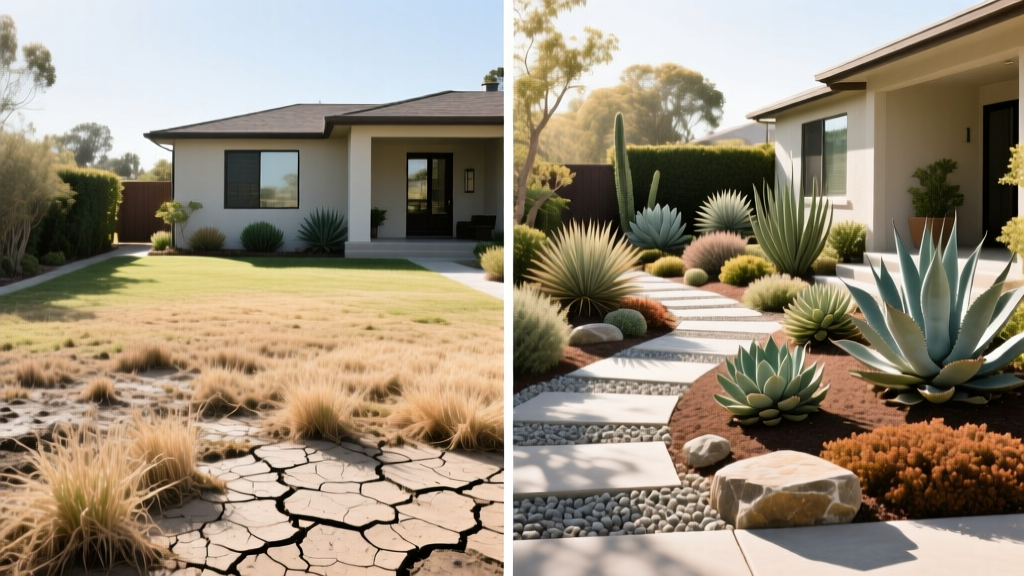
Before & After: Front Yard Xeriscape Transformation
Anna KowalskiPublished
Bridging Indoor Sustainability and Outdoor Aesthetics
The modern home and garden landscape is evolving rapidly. Homeowners are no longer satisfied with high-maintenance, resource-heavy yards that demand endless weekend labor and skyrocketing utility bills. Today, the ultimate goal is to bridge indoor eco-consciousness with outdoor living, creating spaces that are as sustainable as they are beautiful. One of the most impactful ways to achieve this is through a xeriscape transformation. By replacing thirsty, traditional turfgrass with drought-tolerant plants and smart irrigation technology, you can drastically reduce your environmental footprint while boosting your curb appeal.
In this comprehensive guide, we will walk through a stunning before and after transformation of a 500-square-foot front yard. We will break down the exact steps, costs, and products used to turn a patchy, water-wasting lawn into a vibrant, low-maintenance xeriscape oasis.
The 'Before' Picture: A Thirsty, High-Maintenance Lawn
Our case study begins with a typical suburban front yard: 500 square feet of struggling Kentucky Bluegrass. The 'before' state was characterized by brown patches, compacted soil, and an outdated overhead spray irrigation system that wasted water by spraying onto the driveway and sidewalk. During peak summer months, this small patch of grass was costing the homeowner over $85 a month in water usage alone. Furthermore, the weekly chore of mowing, edging, and applying chemical fertilizers was consuming valuable weekend time.
According to data from the Environmental Protection Agency WaterSense program, outdoor water use can account for up to 60 percent of total household water consumption in dry climates. This staggering statistic highlights the urgent need for landscape reform and sets the stage for our transformation.
Planning the Xeriscape Makeover
A successful before and after transformation requires meticulous planning. We utilized the principle of hydrozoning, which involves grouping plants with similar water and sunlight requirements together. This prevents overwatering drought-tolerant species while ensuring thirstier plants get what they need. We divided the 500-square-foot space into three distinct zones: a full-sun focal zone near the porch, a transitional zone with ornamental grasses, and a low-water groundcover zone near the property line.
Soil Testing and Amendment
Before laying down hardscape or planting, it is crucial to understand your soil composition. A basic home soil test revealed heavy clay with poor drainage. To remedy this, we planned to incorporate three inches of organic compost into the top six inches of the soil, improving aeration and water retention for the new drought-tolerant root systems.
Step 1: Eco-Friendly Turf Removal
Instead of using harsh chemical herbicides or renting a gas-powered sod cutter, we opted for sheet mulching. This eco-friendly method builds soil health while eradicating the existing lawn.
- Timing: We began this process six weeks before planting.
- Materials: Heavy-duty corrugated cardboard (with all tape removed) and water.
- Process: We mowed the existing grass as short as possible, laid down overlapping sheets of cardboard to block sunlight, and thoroughly soaked the cardboard with water. This smothers the grass, which eventually decomposes and feeds the soil microbiome.
Step 2: Hardscaping and Soil Preparation
To reduce the irrigated area and add structural contrast, we installed a permeable pathway using decomposed granite (DG). Permeable hardscaping allows rainwater to percolate back into the groundwater table rather than running off into storm drains. We excavated a three-foot-wide winding path, laid down a layer of landscape fabric to suppress weeds, and topped it with three inches of DG, compacting it with a hand tamper. The remaining planting beds were tilled, and the organic compost was mixed into the native clay soil.
Step 3: Selecting Drought-Tolerant Plants
Plant selection is the heart of any xeriscape. Research and guidelines published by UC Agriculture and Natural Resources emphasize that replacing traditional turf with climate-appropriate, drought-tolerant plants can reduce landscape water use by 50 to 75 percent without sacrificing aesthetic appeal. We selected a mix of structural succulents, colorful perennials, and soft ornamental grasses.
- Agave parryi (Parry's Agave): Two specimens placed as architectural focal points. These require virtually no supplemental water once established.
- Salvia greggii (Autumn Sage): Five plants spaced 24 inches apart. These provide vibrant red blooms from late spring through fall and are a magnet for hummingbirds and pollinators.
- Muhlenbergia capillaris (Pink Muhly Grass): Four clumps planted in the transitional zone. In autumn, these produce a stunning, hazy pink plume that catches the afternoon light.
- Achillea millefolium (Yarrow): Used as a low-growing, spreading groundcover near the sidewalk, replacing the need for turf edges.
Step 4: Installing Smart Drip Irrigation
Overhead spray heads are notoriously inefficient, losing massive amounts of water to wind drift and evaporation. We ripped out the old spray heads and installed a targeted drip irrigation system governed by a Wi-Fi-enabled smart controller.
The Smart Controller Upgrade
We installed a Rachio 3 Smart Sprinkler Controller indoors. This device connects to local weather stations via Wi-Fi and automatically adjusts watering schedules based on real-time data, skipping watering when rain is in the forecast or when soil moisture is sufficient. This integration of smart home technology into the garden is a cornerstone of modern, energy-efficient landscaping.
Drip Line Configuration
Outdoors, we connected a 30 PSI pressure regulator and a 200-mesh filter to the main valve to protect the drip emitters from bursting and clogging. We snaked half-inch poly tubing through the planting beds, using quarter-inch micro-tubing to deliver 1 GPH (gallon per hour) emitters directly to the base of each plant. Finally, we covered the entire bed with three inches of shredded cedar bark mulch. Campaigns like Water Use It Wisely provide extensive resources on how mulching and smart irrigation can further lock in soil moisture, regulate soil temperature, and prevent evaporation.
The 'After' Picture: A Stunning, Sustainable Oasis
Eight months after the initial sheet mulching, the transformation was complete. The 'after' state is a breathtaking, multi-textured landscape that thrives on neglect. The Autumn Sage and Pink Muhly Grass provide a soft, moving contrast to the rigid, architectural lines of the Agave. The decomposed granite pathway creates a clean, modern flow that invites visitors to the front door. Most importantly, the smart drip system operates silently and efficiently, delivering water exactly where it is needed, precisely when it is needed.
Cost, Water, and Maintenance Breakdown
The financial and temporal return on investment for a xeriscape transformation is substantial. Below is a detailed comparison of the resources required to maintain the 'before' turf lawn versus the 'after' smart xeriscape.
| Metric | Before (Traditional Turf) | After (Smart Xeriscape) |
|---|---|---|
| Total Project Cost | N/A (Existing) | $2,450 (DIY Materials) |
| Summer Water Bill (Monthly) | $85.00 | $22.00 |
| Weekly Maintenance Time | 2.5 Hours (Mowing, Edging) | 20 Minutes (Weeding, Pruning) |
| Irrigation Type | Overhead Spray (Inefficient) | Smart Drip (Targeted) |
| Fertilizer and Chemicals | $120 / Year | $0 / Year |
Note: Project costs include the smart controller, drip irrigation supplies, compost, mulch, decomposed granite, and mature nursery plants. Many local water districts offer turf-replacement rebates that can offset the initial material costs by up to $500.
Final Thoughts
Transforming your front yard from a water-wasting monoculture into a dynamic, drought-tolerant ecosystem is one of the most rewarding home and garden projects you can undertake. This before and after case study proves that sustainable landscaping does not mean sacrificing beauty or curb appeal. By leveraging smart home irrigation technology, practicing eco-friendly turf removal, and selecting the right plants for your microclimate, you can create an outdoor space that bridges the gap between environmental stewardship and stunning residential design.
