
Landscaping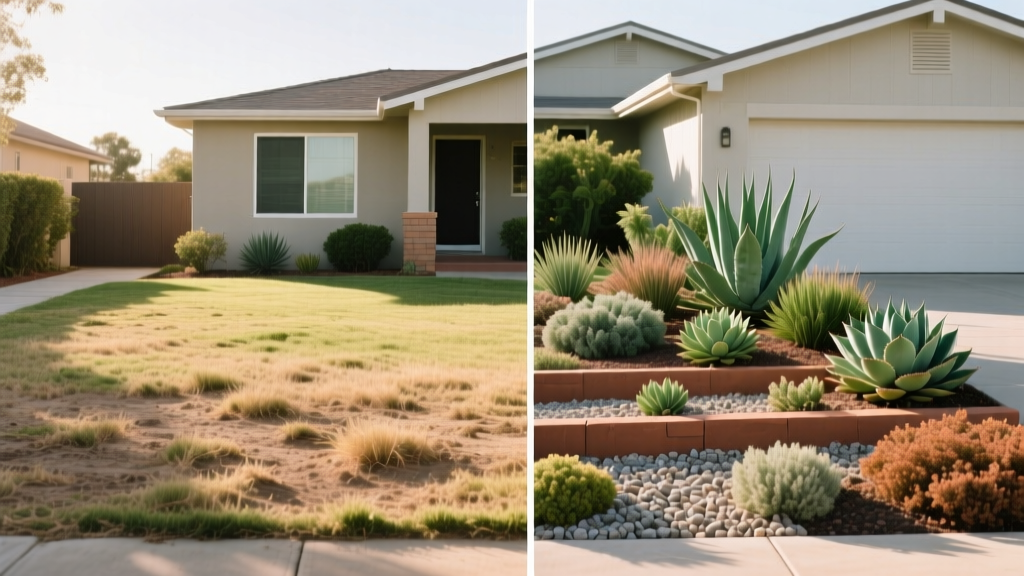
Front Yard Xeriscape Makeover: A Before and After Guide
David ParkPublished
The Power of a Landscape Transformation
There is nothing quite as inspiring in the world of landscaping as a dramatic before-and-after transformation. For decades, the suburban front yard has been dominated by vast, water-thirsty expanses of turfgrass. However, shifting climate patterns, stringent water restrictions, and a desire for lower maintenance have sparked a revolution in yard design. Today, we are walking through a complete front yard xeriscape makeover. By replacing a failing 1,500-square-foot fescue lawn with a thoughtfully designed, drought-tolerant oasis, this project not only skyrocketed the home's curb appeal but also slashed water consumption. Whether you are dealing with brown patches, high water bills, or simply want a modern landscape design, this step-by-step transformation guide will show you exactly how to achieve stunning results.
The 'Before': A Thirsty, Patchy Nightmare
The 'before' state of this property was all too common in suburban neighborhoods. The 1,500-square-foot front yard consisted of a Tall Fescue and Kentucky Bluegrass mix that was struggling to survive in USDA Hardiness Zone 8b. Despite running the sprinkler system for 45 minutes every other day, the lawn was plagued by yellowing brown patches, fungal diseases, and aggressive crabgrass. Furthermore, the traditional concrete walkway had settled over time, creating a tripping hazard and directing stormwater runoff straight into the home's foundation. The homeowner was spending roughly $145 per month on water during the peak summer months, and dedicating three hours every weekend to mowing, edging, and applying chemical fertilizers. It was clear that a radical change was needed.
The Vision: Why Choose Xeriscaping?
Xeriscaping is not about creating a barren, desert-like rock garden; it is a landscaping philosophy focused on water conservation through creative design, proper soil management, and the use of climate-appropriate plants. According to the U.S. Environmental Protection Agency, the average American family uses 320 gallons of water per day at home, and nearly 30 percent of that is devoted to outdoor uses. In arid regions, outdoor water use can account for up to 60 percent of a household's total water footprint. By transitioning to a xeriscape, homeowners can reduce outdoor water use by 50 to 75 percent while creating a visually striking, ecologically beneficial environment.
Step 1: Lawn Removal and Soil Preparation
The first phase of any major landscape transformation is removing the existing turf. While renting a gas-powered sod cutter provides instant gratification, we opted for a more sustainable approach: sheet mulching. This method preserves the soil microbiome and prevents healthy topsoil from ending up in a landfill.
The Sheet Mulching Process
- Mow Low: We scalped the existing lawn down to a height of 1 inch.
- Apply Cardboard: Overlapping layers of plain, uncoated corrugated cardboard were laid directly over the grass, ensuring no gaps where sunlight could penetrate.
- Add Organic Matter: A 3-inch layer of arborist wood chips and a 1-inch layer of rich compost were spread over the cardboard.
- Wait and Water: The area was soaked thoroughly and left to decompose for eight weeks. This effectively smothered the grass while attracting beneficial earthworms that naturally tilled the soil.
Step 2: Hardscaping and Permeable Pathways
To address the drainage issues and improve the visual flow of the yard, the old concrete walkway was demolished and replaced with a permeable flagstone and decomposed granite (DG) pathway. The U.S. Department of Energy notes that energy-efficient and water-wise landscaping, including permeable hardscaping, helps manage stormwater runoff and reduces the heat island effect around your home.
Building the Pathway
We excavated the pathway to a depth of 6 inches. A 3-inch base of 3/4-inch crushed gravel was laid and heavily compacted using a mechanical plate compactor to ensure proper drainage and stability. Next, we installed thick, natural flagstone stepping stones, leaving 4-inch gaps between them. These gaps were filled with 3/8-inch minus decomposed granite mixed with a natural stabilizing binder. The binder locks the DG in place, preventing it from washing away during heavy rains while still allowing water to percolate into the soil below.
Step 3: Plant Selection and Strategic Placement
The core of any successful xeriscape transformation lies in the plant palette. We selected a mix of structural succulents, vibrant perennials, and ornamental grasses that thrive in full sun and require minimal supplemental watering once established.
The Plant Palette
- Focal Point: A multi-trunk 'Desert Museum' Palo Verde tree (Cercidium hybrid) was planted near the street to provide dappled shade and brilliant yellow spring blooms without dropping messy leaves.
- Structural Accents: Agave parryi (Parry's Agave) was placed at the corners of the pathway to provide striking, architectural foliage.
- Color and Pollinators: Lantana camara and Salvia greggii (Autumn Sage) were mass-planted in drifts to provide continuous color from spring through late fall, attracting hummingbirds and native bees.
- Groundcover and Texture: Blue Fescue (Festuca glauca) was used to border the pathway, offering a soft, mounding texture that contrasts beautifully with the angular flagstone.
Plants were spaced generously to account for their mature spread, reducing the need for future thinning and minimizing competition for water and nutrients.
Step 4: Upgrading to Drip Irrigation
Overhead spray heads are notoriously inefficient, losing massive amounts of water to wind drift and evaporation. We capped the existing sprinkler risers and converted the entire zone to a low-volume drip irrigation system. Using 0.9 GPH (gallons per hour) pressure-compensating emitters, water is now delivered directly to the root zone of each plant. A smart Wi-Fi irrigation controller was installed to automatically adjust watering schedules based on local weather data and soil moisture levels.
The 'After': Cost and Resource Breakdown
The transformation from a high-maintenance lawn to a modern xeriscape yielded immediate and long-term benefits. Below is a detailed comparison of the landscape's performance before and after the makeover.
| Feature | Before (Turfgrass) | After (Xeriscape) | Net Improvement |
|---|---|---|---|
| Summer Water Bill | $145 / month | $28 / month | 80% Reduction |
| Weekly Maintenance | 3 Hours (Mowing/Edging) | 20 Minutes (Weeding/Pruning) | 88% Time Saved |
| Plant & Material Cost | N/A (Existing) | $3,200 (Total Project) | ROI in ~4.5 Years |
| Chemical Inputs | Fertilizers & Herbicides | Organic Compost Only | 100% Toxin-Free |
| Curb Appeal & Home Value | Average / Dated | Modern / High-End | Est. 5-10% Value Boost |
Expert Tips for Your Own Makeover
If you are inspired to tackle your own before-and-after landscape transformation, keep these professional tips in mind:
- Check Local Rebates: Many municipal water districts offer aggressive cash rebates for turf removal and the installation of smart irrigation controllers. This can offset your material costs by hundreds or even thousands of dollars.
- Don't Skimp on Mulch: A 2-to-3-inch layer of inorganic mulch (like river rock or decomposed granite) or organic bark is crucial. It suppresses weeds, regulates soil temperature, and drastically reduces surface evaporation.
- Group Plants by Water Needs: Practice 'hydrozoning' by grouping plants with similar water requirements together on the same irrigation valve. This prevents overwatering drought-tolerant succulents just to keep a thirsty fern alive.
- Patience is Key: The old gardening adage says that perennials 'sleep the first year, creep the second year, and leap the third year.' Give your new xeriscape plants time to establish deep, resilient root systems before expecting peak visual performance.
Conclusion
This front yard transformation proves that abandoning the traditional American lawn does not mean sacrificing beauty or curb appeal. By embracing xeriscaping principles, utilizing permeable hardscaping, and selecting climate-appropriate flora, homeowners can create dynamic, living landscapes that evolve with the seasons. The before-and-after results speak for themselves: a dramatic reduction in water usage, the elimination of weekend mowing chores, and a stunning outdoor space that stands out in the neighborhood. Whether you are planning a complete overhaul or a phased garden bed update, the principles of water-wise landscaping offer a sustainable, beautiful path forward for your property.

