
Landscaping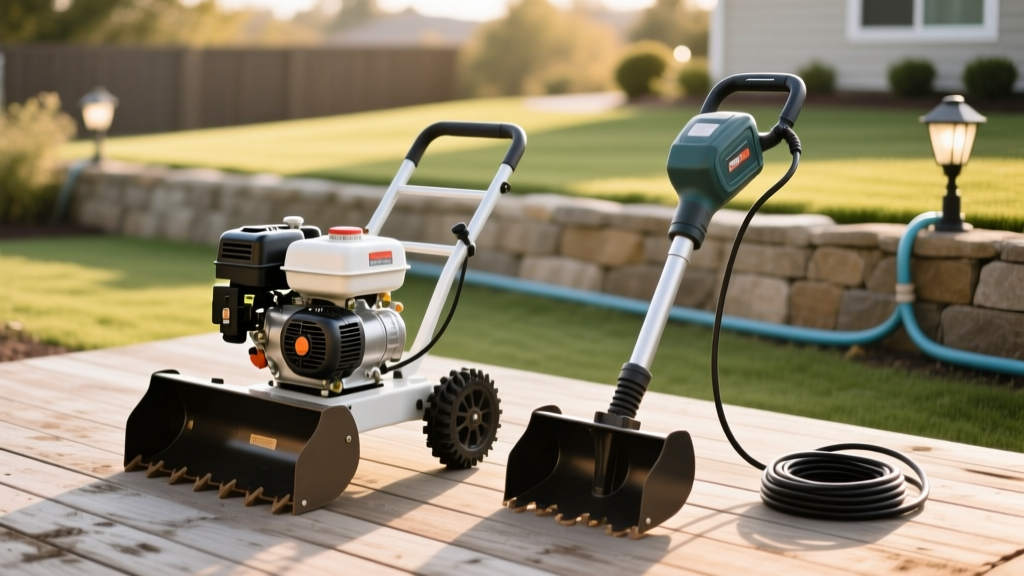
Gas vs Electric Trenchers: Hardscape & Lighting Guide
Anna KowalskiPublished
The Foundation of Great Landscaping: Subsurface Infrastructure
When homeowners and landscape designers envision a stunning outdoor living space, they often focus on the visual elements: vibrant garden beds, elegant paver patios, and lush turf. However, the true backbone of any modern, functional landscape lies hidden beneath the soil. Installing low-voltage landscape lighting, laying PVC irrigation lines, and burying French drain pipes are critical hardscaping tasks that require precision, efficiency, and the right equipment. This is where the walk-behind trencher becomes an indispensable asset.
Choosing between a gas-powered and an electric trencher is one of the most common dilemmas for DIY landscapers and professional contractors alike. The decision heavily depends on your soil composition, the scale of your hardscaping project, and the specific depth requirements of your subsurface utilities. In this comprehensive tools and equipment guide, we will break down the mechanics, advantages, and ideal use cases for both gas and electric trenchers, ensuring you select the perfect machine for your next landscaping endeavor.
Electric Trenchers: The Quiet and Clean Option
Electric walk-behind trenchers, typically powered by a 120V corded connection or, more recently, high-capacity lithium-ion batteries, are the go-to choice for light-duty residential landscaping. These machines are engineered for maneuverability and ease of use, making them highly accessible for weekend warriors tackling suburban yard upgrades.
Pros of Electric Trenchers
- Zero Emissions and Low Noise: Electric motors operate significantly quieter than internal combustion engines, making them ideal for noise-sensitive neighborhoods and early morning projects.
- Lightweight and Agile: Weighing between 30 and 60 pounds, electric models can be easily loaded into an SUV, maneuvered through narrow side yards, and transported without a heavy-duty trailer.
- Minimal Maintenance: With no spark plugs, air filters, or carburetors to clean, electric trenchers require almost zero mechanical upkeep between uses.
Cons and Limitations
The primary limitation of electric trenchers is their lack of raw torque. They struggle immensely in heavily compacted clay, rocky soil, or ground laced with thick tree roots. Furthermore, corded models restrict your range of motion and pose a tripping hazard or risk of severing the power cord if you lose track of it while digging backward.
Gas-Powered Trenchers: The Heavy-Duty Workhorse
Gas-powered walk-behind trenchers are the industry standard for professional landscapers and serious DIYers tackling large-scale hardscaping and drainage projects. Equipped with 4-cycle or heavy-duty 2-cycle engines ranging from 5 to 14 horsepower, these machines deliver the continuous torque required to slice through unforgiving terrain.
Pros of Gas Trenchers
- Superior Torque and Depth: Gas models can easily dig trenches up to 36 inches deep and 6 inches wide, accommodating large corrugated drainage pipes and mainline irrigation conduits.
- Untethered Mobility: Without a power cord, you can trench across expansive multi-acre properties without worrying about extension cord voltage drops or generator placement.
- Adaptability to Harsh Soil: When fitted with carbide-tipped digging teeth, gas trenchers can fracture through rocky, shale-heavy, and drought-baked clay soils that would stall an electric motor.
Cons and Limitations
Gas trenchers are heavy, often weighing over 150 pounds, which requires a truck or trailer for transport. They also demand routine engine maintenance, produce significant exhaust emissions, and generate noise levels that mandate hearing protection.
Comparison Chart: Gas vs. Electric Trenchers
| Feature | Electric Walk-Behind | Gas Walk-Behind |
|---|---|---|
| Max Digging Depth | 8 - 12 Inches | 12 - 36 Inches |
| Trench Width | 1 - 2 Inches | 2 - 6 Inches |
| Power Source | 120V Corded / Battery | 4-Cycle Gasoline |
| Noise Level | 70 - 80 dB | 95 - 105 dB |
| Soil Compatibility | Loam, Sand, Soft Dirt | Clay, Rocky, Compacted |
| Average Rental Cost | $40 - $60 / Day | $80 - $150 / Day |
Matching the Tool to the Landscaping Application
To maximize your efficiency, you must align your trencher choice with the specific hardscaping or utility task at hand. Different landscape features require vastly different trench profiles.
Low-Voltage Landscape Lighting
For burying 12-gauge or 10-gauge low-voltage lighting wire, an electric trencher is usually the perfect fit. Lighting cables only need to be buried 3 to 6 inches deep to protect them from surface aeration and foot traffic. The narrow 1-inch blade of an electric edger/trencher minimizes turf damage, allowing the grass to heal over the slit within a few weeks.
Automated Irrigation Systems
Installing a sprinkler system requires burying PVC or polyethylene pipes. According to best practices endorsed by the Irrigation Association, lateral lines should typically be buried 8 to 12 inches deep to prevent damage from core aeration and to protect the pipes from shallow freezing. A mid-sized gas trencher with a 4-inch blade is ideal here, providing enough width to lay the pipe and backfill cleanly.
French Drains and Hardscape Drainage
Managing stormwater runoff is a critical component of sustainable landscaping. French drains require a deep, wide trench to accommodate a bed of gravel, a perforated corrugated pipe, and a top layer of drainage rock. This often necessitates a trench 18 to 24 inches deep and 6 inches wide. Only a high-horsepower gas trencher equipped with a specialized rock-chain can handle the volume of earth removal required for these heavy-duty drainage solutions.
Understanding Digging Chains and Teeth
The cutting chain is the business end of any trencher. Selecting the right chain configuration is just as important as choosing the power source.
- Standard Steel Teeth: Best for soft soils, loam, and sandy conditions. They are inexpensive to replace but will dull quickly if they strike rocks.
- Carbide-Tipped Teeth: Essential for rocky, abrasive, or heavily compacted clay soils. The carbide tips fracture rock rather than scraping it, preserving the chain's integrity.
- Rock Chain (Bullet Teeth): Used on heavy gas models for extreme conditions, including caliche, shale, and frozen ground.
Critical Safety and Operational Best Practices
Operating heavy landscaping machinery carries inherent risks. Adhering to safety protocols protects both you and your property's existing infrastructure.
Always Call Before You Dig
Before any trenching equipment touches the soil, you must contact your local utility locating service. In the United States and Canada, dialing 811 connects you to a free service that marks underground gas, water, and fiber-optic lines. As emphasized by the national Call 811 campaign, striking a buried utility line can result in severe injury, massive fines, and catastrophic property damage. Never skip this step, even for shallow lighting trenches.
PPE and Ergonomics
Gas trenchers routinely exceed 100 decibels of noise. Prolonged exposure without protection can cause permanent hearing damage. Always follow OSHA's noise safety guidelines by wearing high-grade earmuffs or earplugs. Additionally, steel-toe boots, heavy leather gloves, and shatter-resistant safety glasses are mandatory to protect against flying debris and heavy equipment drops.
Proper Trenching Technique
Never force the machine into the ground. Allow the weight of the trencher and the cutting teeth to do the work. Engage the chain, lower the boom slowly into the soil, and walk at a steady, controlled pace. If the engine bogs down or the chain stalls, raise the boom slightly to clear the debris from the trench before proceeding. Forcing a stalled chain can snap the tensioner or burn out the clutch.
Conclusion
Mastering the subsurface elements of your landscape elevates your property from a simple yard to a fully functional, illuminated, and well-drained outdoor sanctuary. By understanding the distinct capabilities of gas and electric trenchers, you can save time, reduce physical strain, and execute your hardscaping projects with professional precision. Whether you are renting a lightweight electric model for a weekend lighting upgrade or hiring a gas-powered beast to lay a new irrigation mainline, choosing the right tool is the first step toward a flawless landscape installation.

