Lawn Care
Grass Seed Planting Schedule: Best Time to Sow by Grass Type
The Science of Seasonal Timing in Lawn Care
Establishing a lush, resilient lawn is rarely an accident; it is the direct result of strategic planning and precise seasonal timing. Whether you are repairing bare patches, overseeding an existing lawn, or starting a new landscape from scratch, understanding the grass seed planting schedule is the single most critical factor in your success. Planting at the wrong time of year exposes vulnerable seedlings to extreme heat, freezing frost, and aggressive weed competition. To achieve optimal germination and deep root establishment, homeowners must align their planting schedules with the specific biological needs of their chosen turfgrass species.
Turfgrasses are broadly categorized into two groups: cool-season grasses and warm-season grasses. Each group has evolved to thrive in distinct climatic conditions, meaning their ideal planting windows are completely opposite. According to turfgrass researchers at the Purdue University Turfgrass Science program, synchronizing your planting schedule with natural soil temperature cycles ensures that the grass develops a robust root system before facing environmental stressors like summer drought or winter dormancy.
Cool-Season Grasses: Fall is King
Cool-season grasses, such as Kentucky Bluegrass, Perennial Ryegrass, and Tall Fescue, dominate the northern two-thirds of the United States. These grasses experience their most vigorous growth during the cool, moist days of spring and autumn. However, when it comes to planting and overseeding, early fall is universally recognized as the superior window.
Optimal Soil Temperatures and Timing
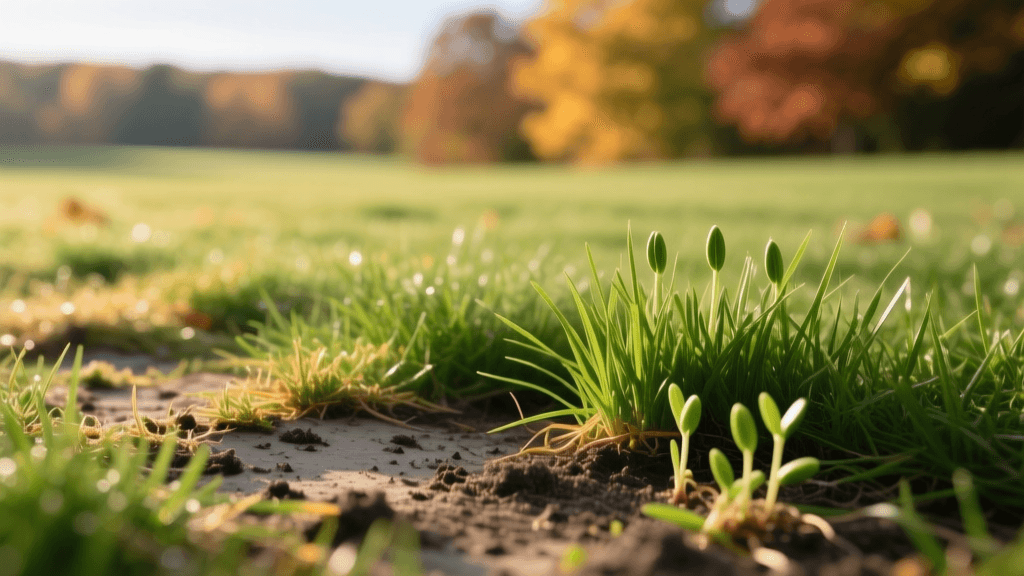
The ideal time to sow cool-season grass seed is when daytime air temperatures range between 60°F and 75°F, which typically correlates with soil temperatures between 50°F and 65°F at a depth of two inches. This usually falls between late August and mid-October, depending on your specific hardiness zone. Planting during this window offers several distinct advantages:
- Reduced Weed Competition: By late summer, the germination window for aggressive summer annual weeds like crabgrass has largely closed. Your grass seed will not have to compete for sunlight, water, and soil nutrients.
- Warm Soil, Cool Air: The soil is still warm from the summer months, which accelerates seed germination, while the cooler autumn air prevents the tender seedlings from suffering heat stress.
- Extended Root Growth Period: Fall-planted grass has the entire autumn and the following spring to establish a deep, drought-tolerant root system before the brutal heat of its first summer arrives.
While spring planting (mid-April to early June) is possible for cool-season grasses, it is inherently risky. Spring-sown seedlings are forced to compete with spring-germinating weeds and must survive the impending summer heat with shallow, immature root systems.
Recommended Cool-Season Seed Rates
Proper application rates prevent overcrowding and fungal diseases. Use the following guidelines per 1,000 square feet:
- Tall Fescue: 6 to 8 pounds (new lawn); 3 to 5 pounds (overseeding)
- Kentucky Bluegrass: 1.5 to 2.5 pounds (new lawn); 1 to 1.5 pounds (overseeding)
- Perennial Ryegrass: 4 to 6 pounds (new lawn); 2 to 3 pounds (overseeding)
Warm-Season Grasses: Capitalizing on Summer Heat
Warm-season grasses, including Bermuda, Zoysia, Centipede, and Bahia, thrive in the southern United States. These species love the heat and will actively grow during the peak of summer, turning brown and entering dormancy only when autumn temperatures drop. Because they require heat to germinate and establish, their planting schedule is entirely different from their northern counterparts.
Optimal Soil Temperatures and Timing
The best time to plant warm-season grass seed is in late spring to early summer, once the danger of the last frost has completely passed and the soil has thoroughly warmed. You are looking for consistent soil temperatures between 65°F and 75°F. Depending on your region, this planting window generally opens in May and closes by the end of July. The NC State Extension emphasizes that planting warm-season grasses too early in the spring, when soil temperatures are still lingering in the 50s, often results in seed rot or severe stunting. Conversely, planting too late in the summer (August or September) does not give the grass enough time to establish deep roots before it is forced into winter dormancy, leaving it highly susceptible to winterkill.
Recommended Warm-Season Seed Rates
Warm-season grass seeds are often smaller and may be sold hulled or unhulled. Always check the manufacturer's label, but general guidelines per 1,000 square feet include:
- Bermudagrass (Hulled): 1 to 2 pounds
- Centipedegrass: 0.5 to 1 pound
- Zoysiagrass: 1 to 2 pounds (Note: Zoysia is more commonly established via plugs or sod due to slow seed germination)
- Bahiagrass: 5 to 8 pounds
Regional Planting Calendar
Because climate zones vary drastically across the country, a calendar date that works in Minnesota will fail in Texas. Use the following regional table as a baseline for your seasonal timing strategy.
| Region | Primary Grass Type | Best Planting Window | Secondary Window |
|---|---|---|---|
| Northeast & New England | Cool-Season (Fescue, KBG) | Mid-August to Mid-September | Mid-April to Mid-May |
| Midwest & Great Lakes | Cool-Season (Fescue, KBG) | Late August to Early October | April to Early May |
| Southeast & Deep South | Warm-Season (Bermuda, Zoysia) | May to June | Early July |
| Pacific Northwest | Cool-Season (Ryegrass, Fescue) | September to October | March to April |
| Transition Zone | Tall Fescue or Zoysia | Early September (Cool) / Late May (Warm) | Early Spring (Cool) |
Soil Temperature vs. Air Temperature: The Real Metric
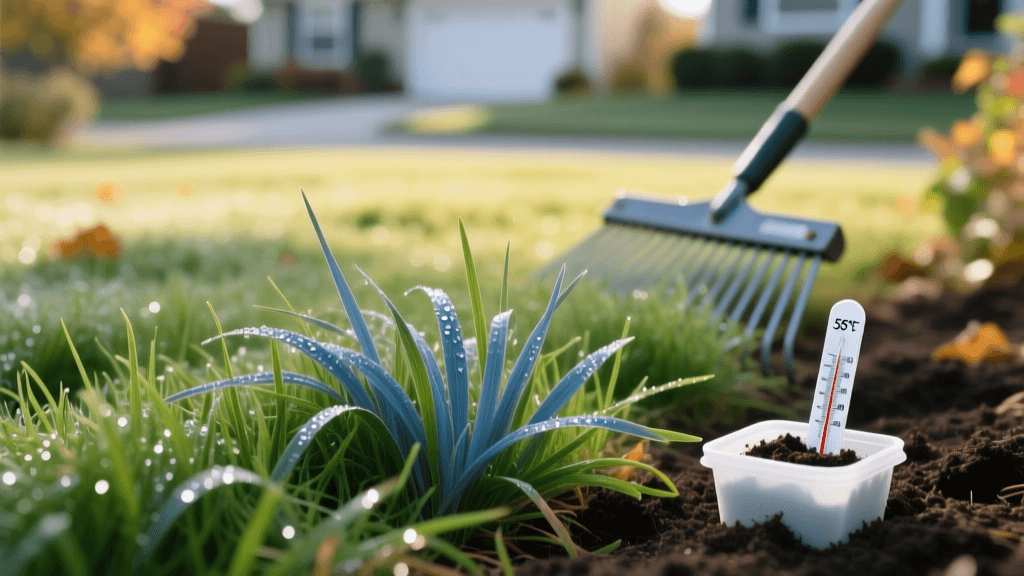
One of the most common mistakes homeowners make is relying on the weather app on their phone to determine when to plant. Air temperature can fluctuate wildly from day to day, but soil temperature is a much more stable and accurate indicator of biological readiness. The University of California Agriculture and Natural Resources lawn guide recommends investing in a simple soil thermometer. Insert the probe two inches into the soil in the early morning to get an accurate baseline reading. If the soil is not within the 50°F to 65°F range for cool-season grasses, or the 65°F to 75°F range for warm-season grasses, hold off on planting, regardless of how warm the afternoon sun feels.
The 6-Week Pre-Planting Preparation Timeline
Seasonal timing is not just about the day you drop the seed; it encompasses the entire preparation phase. To ensure success, follow this six-week countdown schedule leading up to your target planting window.
Weeks 1-2: Soil Testing and Amendment
Before you disturb the soil, pull core samples and send them to a local university extension or private lab. The results will dictate your pH adjustments. If your soil requires lime to raise the pH or sulfur to lower it, apply these amendments now. They take weeks to react and integrate into the soil profile, so early application is crucial for creating a hospitable seedbed.
Weeks 3-4: Weed Eradication and Clearing
A new lawn cannot compete with established weeds. If the area is heavily infested, apply a non-selective herbicide or use solarization techniques to kill existing vegetation. Wait the required period for the weeds to die back completely, then rake away the dead debris. If you are overseeding an existing lawn, begin mowing the current grass shorter than usual and aggressively core aerate to break up soil compaction and create direct seed-to-soil contact pathways.
Week 5: Tilling, Grading, and Starter Fertilizer
For new lawns, lightly till the top two to three inches of soil to create a loose, friable seedbed. Rake the area to ensure proper grading, sloping away from your home's foundation to prevent water pooling. Apply a high-phosphorus starter fertilizer (such as a 10-18-10 NPK ratio) to fuel rapid root development. Phosphorus is heavily restricted in some states unless you are establishing a new lawn or have a verified soil deficiency, so check local regulations.
Week 6: Seeding, Mulching, and Irrigation Setup
Finally, the planting window arrives. Broadcast your seed evenly using a rotary spreader, splitting the application into two passes (one horizontal, one vertical) to ensure uniform coverage. Top-dress the seed with a thin layer of peat moss or straw mulch to retain moisture and protect against birds. Immediately set up your irrigation system to water the seedbed lightly two to three times a day, keeping the top inch of soil consistently moist until germination is complete.
Common Mistakes in Seasonal Timing
Even seasoned gardeners can fall victim to impatience. The most frequent error is spring overseeding cool-season lawns. While the spring weather is pleasant, the impending summer heat will scorch shallow roots, and the simultaneous germination of crabgrass will choke out the new turf. Another major error is late-summer planting of warm-season grasses. Sowing Bermuda seed in August might result in initial sprouting, but the grass will not have the carbohydrate reserves necessary to survive its first winter freeze, resulting in massive die-off.
Conclusion
Mastering the grass seed planting schedule is the foundation of professional-grade lawn care. By respecting the biological imperatives of your specific grass type, monitoring soil temperatures rather than air temperatures, and executing a disciplined preparation timeline, you transform a vulnerable patch of dirt into a resilient, weed-resistant carpet of green. Patience and precision in seasonal timing will always yield a thicker, healthier, and more drought-tolerant lawn for years to come.