Pest Control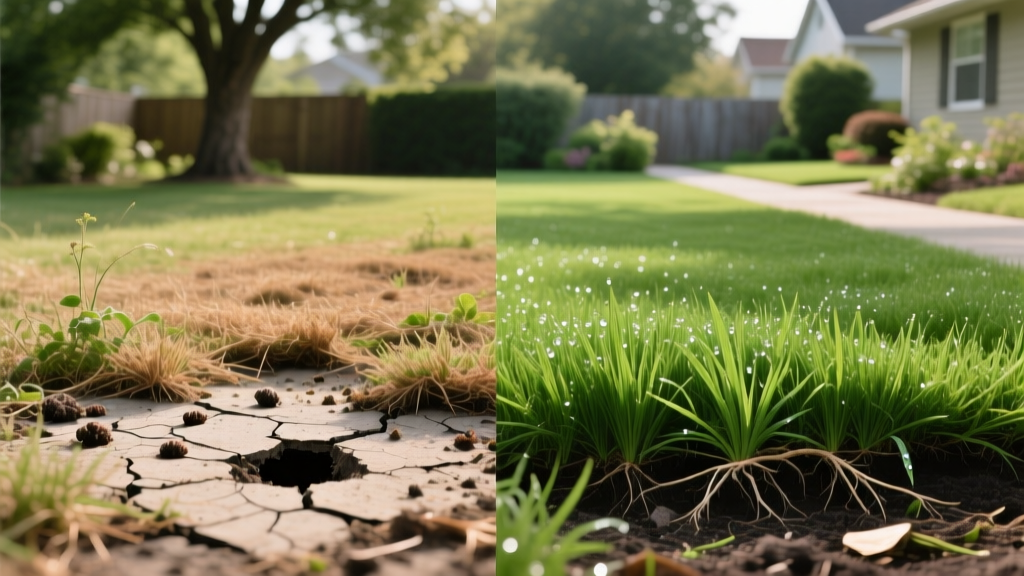
Grub Worm Lawn Transformation: Before and After Recovery Guide
James MillerPublished
The "Before" State: Recognizing the Devastation of White Grubs
There are few sights more disheartening for a homeowner than stepping out into the yard on a crisp autumn morning, only to find that your once-lush carpet of green has been reduced to a patchwork of brown, dying turf. Worse yet, the grass feels spongy underfoot and peels back from the soil as easily as a loose rug. This is the hallmark "before" picture of a severe white grub infestation. White grubs—the larval stage of Japanese beetles, June bugs, and European chafers—feed aggressively on the root systems of turfgrass. When the roots are severed, the grass loses its ability to uptake water and nutrients, leading to rapid dehydration and death.
In the "before" phase, the damage is often compounded by secondary predators. If you notice crows tearing at your lawn, or worse, raccoons and skunks digging deep, crater-like holes into your topsoil, they are likely foraging for the protein-rich grubs living just beneath the surface. This dual assault from insects and wildlife can transform a pristine lawn into a muddy, decimated wasteland in a matter of weeks.
The Tug Test and Soil Sampling
Before you can initiate a transformation, you must confirm the culprit and assess the severity of the infestation. Perform the "tug test": grab a handful of brown grass and pull gently. If the turf rolls back like a carpet with no root resistance, grubs are likely at work. To quantify the damage, use a flat-edged shovel to cut three sides of a one-square-foot section of turf, about two inches deep, and peel it back. Count the C-shaped, milky-white grubs in the soil and on the roots of the lifted sod.
According to Penn State Extension, a healthy lawn can tolerate a low population of grubs without showing visible damage. However, if your soil sample reveals more than eight to ten grubs per square foot, the population has crossed the economic and aesthetic injury threshold, and immediate intervention is required to save the remaining turf and prepare for recovery.
The Turning Point: Eradicating the Infestation
You cannot achieve a lush "after" state without first eliminating the active threat. The timing of your discovery dictates your treatment strategy. If you discover the damage in late summer or early fall, the grubs are mature, actively feeding, and highly destructive. At this stage, preventative chemicals will not work; you need a fast-acting curative treatment.
"A healthy, deeply rooted lawn is your first line of defense. Grubs thrive in shallow, compacted soils where grass roots are weak and easily severed. Eradication must be paired with cultural practices that promote deep root growth."
— Integrated Pest Management Principles
Grub Treatment Comparison Chart
| Treatment Type | Active Ingredient | Target Stage | Application Timing | Est. Cost per 1k sq ft |
|---|---|---|---|---|
| Curative Chemical | Trichlorfon (Dylox) | Active, mature grubs | Late Summer / Early Fall | $15 - $25 |
| Preventative Chemical | Imidacloprid / Chlorantraniliprole | Eggs and young grubs | Early Summer (June/July) | $10 - $20 |
| Organic Curative | Heterorhabditis bacteriophora Nematodes | Active, mature grubs | Late Summer / Early Fall | $30 - $45 |
For homeowners seeking an organic route during the "before" curative phase, beneficial nematodes (Heterorhabditis bacteriophora) are highly effective. These microscopic worms seek out grubs in the soil, enter their bodies, and release bacteria that kill the pest within 48 hours. As detailed in a comprehensive guide by Michigan State University Extension, nematodes must be applied to moist soil and watered in immediately, as they are highly sensitive to UV light and desiccation. While more expensive and requiring careful handling, they provide a powerful biological control without harming earthworms or beneficial soil microbes.
The "After" State: Rebuilding and Reseeding the Lawn
Once the grub population has been neutralized, the true transformation begins. The "after" phase is not just about planting new seed; it is about rebuilding the soil ecosystem and establishing a resilient turf that can withstand future pest pressures. Leaving dead, rolled-up turf on the lawn will invite fungal diseases and provide a haven for weeds. You must clear the canvas before you can paint a new lawn.
Step-by-Step Recovery Timeline
- Day 1-2: Debris Removal and Raking. Use a heavy-duty thatch rake or a power dethatcher to aggressively remove the dead, rootless grass. This exposes the bare soil, which is necessary for seed-to-soil contact.
- Day 3: Core Aeration. Rent a core aerator and make two passes over the damaged areas in perpendicular directions. This relieves soil compaction caused by heavy foot traffic and predator digging, allowing oxygen, water, and nutrients to penetrate the root zone.
- Day 4: Topdressing and Seeding. Apply a thin layer (about 1/4 inch) of high-quality compost or peat moss over the aerated holes. Follow this by broadcasting a premium turfgrass seed blend. For high-traffic, grub-resistant lawns, Turf-Type Tall Fescue is highly recommended due to its deep, drought-tolerant root system. Apply seed at a rate of 4 to 6 pounds per 1,000 square feet for bare-ground renovation.
- Day 5-21: The Critical Watering Phase. New seed must remain consistently moist. Water the lawn lightly two to three times a day for 5-10 minutes per session to prevent the seedbed from drying out. Once germination occurs and seedlings reach two inches, transition to deeper, less frequent watering to encourage roots to chase the moisture downward.
- Day 30: First Mow. Wait until the new grass reaches at least 3.5 inches before making your first cut. Never remove more than the top one-third of the blade to avoid stressing the young plants.
Experts at Ohio State University Extension emphasize that selecting the right grass species is vital for the long-term "after" state. Kentucky bluegrass and perennial ryegrass are highly susceptible to grub damage because they have shallow root systems. By transitioning your lawn to deep-rooted Turf-Type Tall Fescue during the recovery phase, you ensure that even if a minor grub population returns, the grass has the root mass to survive the feeding without browning.
Long-Term Prevention: Maintaining the Transformation
The ultimate goal of any before-and-after pest control journey is to ensure the "before" state never returns. Maintaining your newly transformed lawn requires a shift in cultural habits. Grubs are attracted to weak, shallow-rooted grass that is frequently subjected to light, daily watering. This shallow watering keeps the top inch of soil moist—the exact environment where grubs prefer to feed.
To protect your investment, adopt a "deep and infrequent" watering schedule. Provide your lawn with 1 to 1.5 inches of water per week, delivered in one or two heavy sessions. This forces the grass roots to grow six inches or deeper into the soil profile, putting them out of reach of shallow-feeding grubs. Furthermore, maintain a mowing height of 3 to 4 inches. Taller grass shades the soil surface, making it less attractive to adult beetles looking for sunny, exposed soil to lay their eggs in July and August.
Finally, consider an annual preventative application of a low-toxicity product like Chlorantraniliprole (Acelepryn) in early June. This product targets young grubs as they hatch and begin to feed, neutralizing them before they can grow large enough to cause the devastating damage you worked so hard to recover from. By combining deep-root cultural practices with strategic, targeted IPM treatments, your lawn will remain firmly in the lush, green "after" phase for years to come.