Pest Control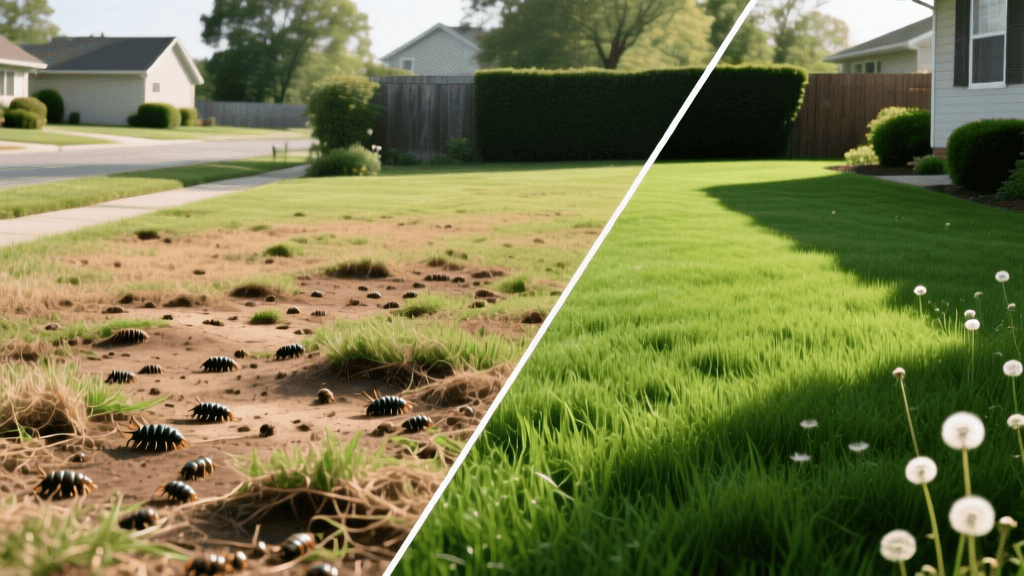
Lawn Grub Worm Recovery: A Before and After Transformation Guide
The Before State: Diagnosing a Severe Grub Infestation
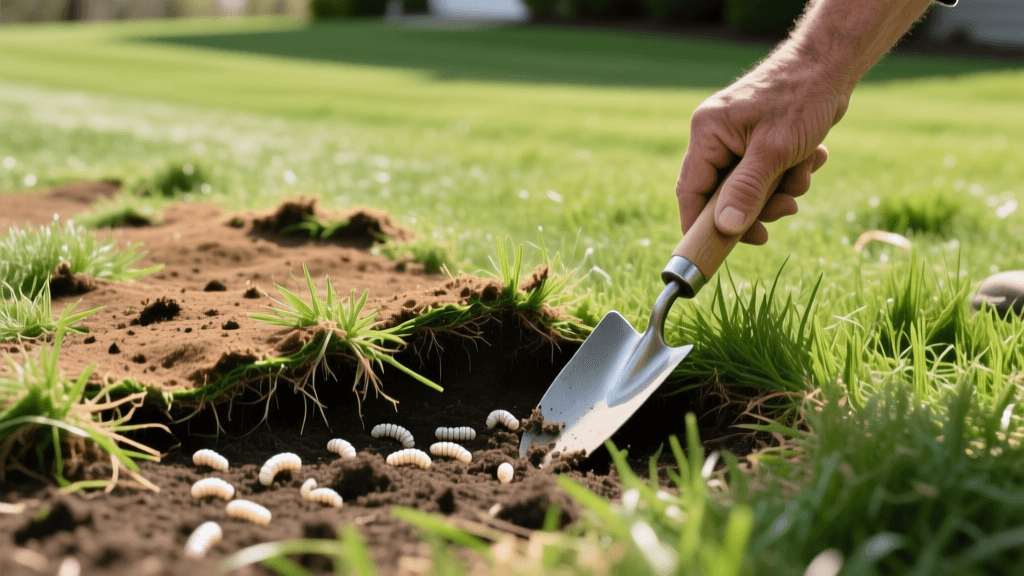
There are few sights more disheartening to a dedicated homeowner than walking out onto a once-lush lawn only to find it peeling back from the soil like a loosely laid carpet. This is the hallmark "before" picture of a severe white grub infestation. White grubs are the larval stage of various scarab beetles, including the notorious Japanese beetle, June bug, and European chafer. Before you can transform your lawn, you must understand the extent of the damage and confirm the culprit.
In the "before" stage, a grub-damaged lawn exhibits distinct, irregular brown patches that expand rapidly in late summer and early fall. Because grubs feed aggressively on grassroots just below the soil surface, the turf loses its anchor. If you grab a handful of dead grass and pull, it will lift away effortlessly, revealing the C-shaped, milky-white larvae wriggling in the topsoil. According to Penn State Extension, a threshold of more than eight to ten grubs per square foot typically warrants immediate curative intervention. Furthermore, the "before" phase often includes secondary damage from foraging wildlife; skunks, raccoons, and flocks of crows will tear up your turf to feast on the protein-rich grubs beneath.
The Intervention: Curative Treatments to Stop the Damage
To achieve a stunning "after" transformation, you must first halt the active destruction. Preventative products containing chlorantraniliprole or imidacloprid are useless once grubs have reached their later, more destructive instar stages in late summer. Instead, you need fast-acting curative treatments.
Chemical Curative Options
The most reliable chemical option for an active, late-summer infestation is Trichlorfon (commonly sold under the brand name Dylox). When applied at a rate of roughly 1.5 to 2 pounds of active ingredient per 1,000 square feet and immediately watered in with at least a half-inch of irrigation, Trichlorfon penetrates the soil profile and knocks out the grub population within 48 to 72 hours. Carbaryl is another curative option, though it is notably more toxic to beneficial earthworms and pollinators. Always follow label instructions explicitly, as the label is the law.
Organic and Biological Curative Options
For homeowners committed to organic lawn care, beneficial nematodes offer a highly effective, natural transformation. Specifically, the Heterorhabditis bacteriophora (Hb) strain actively hunts down and infects white grubs. To treat a 1,000-square-foot area, you will need approximately 25 million nematodes. They must be applied in the early evening or on an overcast day to protect them from UV light, and the soil must be kept consistently moist for the next two weeks to ensure they survive and eradicate the pest population. Ohio State University Extension notes that while nematodes take slightly longer than synthetic chemicals, they provide excellent control without harming the surrounding ecosystem.
The After State: Step-by-Step Lawn Recovery and Reseeding
Once the grubs have been eradicated, the true "after" transformation begins. You cannot simply throw grass seed over dead, matted turf and expect a lush lawn. Soil preparation and strategic reseeding are mandatory.
Step 1: Debris Removal and Dethatching
Use a heavy-duty leaf rake or a mechanical dethatcher to remove all the dead, detached grass and the loose soil mounds left behind by foraging animals. This step is crucial because grass seed must make direct contact with the soil to germinate. Bag the debris to prevent the spread of any lingering fungal spores or weed seeds.
Step 2: Core Aeration
Rent a core aerator and pass over the damaged areas twice, making the second pass perpendicular to the first. Core aeration relieves soil compaction caused by heavy foot traffic and animal digging, creating small plugs of soil on the surface. These holes will serve as perfect micro-environments for your new grass seed, protecting it from birds and drying winds.
Step 3: Strategic Reseeding
The "after" picture of your lawn depends heavily on the grass species you choose. Avoid Kentucky bluegrass if your area is prone to heavy Japanese beetle populations, as it is highly susceptible to grub damage. Instead, opt for Tall Fescue or endophyte-enhanced Perennial Ryegrass. The naturally occurring endophytes in these grasses produce alkaloids that deter surface-feeding insects and make the plants more resilient to root pruning. Apply a starter fertilizer (such as a 10-18-10 blend) at the time of seeding to promote rapid root development.
Step 4: Topdressing and Moisture Management
Apply a thin layer (about a quarter-inch) of screened compost or peat moss over the seeded areas. This topdressing retains moisture and hides the seed. For the first 14 to 21 days, the soil must remain consistently moist. Water lightly two to three times a day until the seedlings reach a height of two inches, then transition to deeper, less frequent watering to encourage drought-tolerant root growth.
Treatment and Recovery Comparison Chart
To help you plan your budget and timeline, review the following comparison chart detailing the costs and efficacy of various grub control and recovery methods.
| Method / Product | Type | Est. Cost per 1,000 sq ft | Time to Efficacy | Best Application Window |
|---|---|---|---|---|
| Trichlorfon (Dylox) | Chemical Curative | $12 - $18 | 48 - 72 Hours | August - September |
| Hb Beneficial Nematodes | Organic Curative | $25 - $40 | 7 - 14 Days | August - September |
| Chlorantraniliprole (GrubEx) | Chemical Preventative | $15 - $22 | N/A (Next Season) | April - June |
| Milky Spore Disease | Organic Preventative | $40 - $60 | 1 - 3 Years | Spring or Fall |
| Core Aeration & Reseeding | Cultural Recovery | $30 - $50 (Seed/Soil) | 14 - 21 Days | Early Fall |
Long-Term IPM Strategies for a Grub-Resistant Lawn
A true transformation is not just about fixing the current problem; it is about ensuring the "after" picture lasts for years to come. Integrated Pest Management (IPM) focuses on creating an environment where pests struggle to thrive while beneficial organisms flourish.
- Mow High: Set your mower deck to 3.5 or 4 inches. Taller grass shades the soil, making it less hospitable for female beetles looking for warm, bare soil to lay their eggs. Furthermore, taller grass develops deeper, more robust root systems that can tolerate minor grub feeding without showing visible surface damage.
- Water Deeply and Infrequently: Shallow, daily watering encourages shallow grassroots, which are easily destroyed by grubs. Water your lawn with one to 1.5 inches of water per week, applied in one or two deep sessions. Interestingly, allowing the lawn to go slightly dormant during the hottest, driest weeks of July can actually kill young grub larvae, as they require consistent soil moisture to survive their earliest instar stages.
- Encourage Beneficial Predators: Birds, such as starlings and grackles, consume massive quantities of grubs. While you do not want to encourage destructive foraging, maintaining a diverse landscape with native shrubs can attract insectivorous birds that help keep scarab beetle populations in check naturally.
According to turfgrass researchers and Michigan State University Extension, monitoring your lawn in late summer by digging small, one-square-foot test sections is the best way to catch a rebounding population before it causes catastrophic damage. If you find fewer than five grubs per square foot, your turf is generally healthy enough to outgrow the feeding damage without chemical intervention.
Conclusion: Embracing the Transformation
Transforming a lawn from a grub-ravaged wasteland to a vibrant, emerald carpet requires patience, precise timing, and a willingness to get your hands dirty. The "before" picture may be characterized by brown, spongy turf and the chaotic digging of nocturnal wildlife, but the "after" picture is entirely within your control. By utilizing fast-acting curative treatments like Trichlorfon or beneficial nematodes, followed by rigorous core aeration and the introduction of endophyte-enhanced grasses, you can rewrite the story of your landscape. Embrace the principles of IPM, maintain a strict mowing and watering schedule, and your lawn will not only recover but thrive with newfound resilience against future scarab beetle invasions.