
Landscaping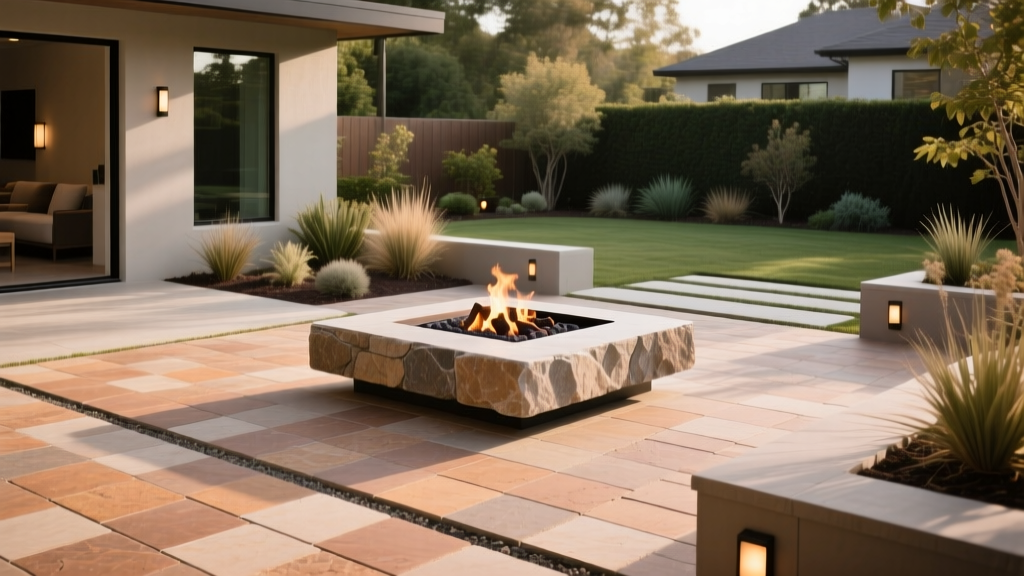
Hardscape Design: Paver Patios and Fire Pits for Curb Appeal
James MillerPublished
When most homeowners think of curb appeal, they picture a manicured front lawn, vibrant flower beds, and a freshly painted front door. However, modern landscape design has expanded the definition of curb appeal to encompass the entire property, including backyard outdoor living spaces. Creating a seamless transition from your home's architecture to an outdoor entertaining oasis not only enhances your daily lifestyle but also significantly boosts your property value. At the heart of this transformation is hardscaping—specifically, the installation of a well-designed paver patio anchored by a custom fire pit.
Whether you are hosting a lively summer barbecue or enjoying a quiet autumn evening with close friends, a thoughtfully planned hardscape serves as the foundation for outdoor entertaining. In this comprehensive guide, we will explore the technical specifications, design principles, and material choices required to build a stunning paver patio and fire pit that maximizes both functionality and curb appeal.
Choosing the Right Pavers for Your Entertaining Space
The surface of your patio dictates the aesthetic tone of your outdoor living area. While poured concrete and stamped concrete are options, interlocking concrete pavers remain the gold standard for high-end landscaping projects. According to guidelines published by the Interlocking Concrete Pavement Institute (ICPI), segmental pavers offer superior flexibility, meaning they can withstand freeze-thaw cycles without cracking, unlike rigid concrete slabs. Furthermore, if a section of the patio settles or becomes stained, individual pavers can be lifted, cleaned, and replaced without demolishing the entire structure.
Material Comparison Chart
| Material | Avg Cost (per sq. ft.) | Durability | Maintenance | Best Application |
|---|---|---|---|---|
| Concrete Pavers | $4 - $10 | High | Low | Versatile designs, heavy furniture |
| Clay Brick | $6 - $12 | Very High | Medium | Classic, traditional curb appeal |
| Natural Stone (Flagstone) | $10 - $25+ | Extreme | High | Luxury, organic, high-end estates |
| Permeable Pavers | $8 - $15 | High | Medium | Eco-friendly drainage solutions |
For homeowners focused on sustainability and drainage, permeable pavers are an excellent investment. These systems allow rainwater to filter through the joints and into the sub-base, reducing runoff and replenishing groundwater. The U.S. Environmental Protection Agency (EPA) highly recommends incorporating permeable surfaces and sustainable landscaping practices to manage stormwater and protect local watersheds, making permeable pavers a smart choice for eco-conscious entertainers.
The Foundation: Base Preparation and Installation
The secret to a long-lasting paver patio that maintains its pristine curb appeal lies beneath the surface. A poorly prepared base will lead to pooling water, uneven settling, and tripping hazards. For a standard entertaining patio that will support heavy outdoor kitchen appliances, a fire pit, and groups of guests, you must excavate to a depth of 7 to 9 inches.
- Sub-grade Preparation: Compact the native soil using a vibratory plate compactor.
- Geotextile Fabric: Lay a non-woven geotextile fabric over the sub-grade to prevent the base materials from sinking into the native soil over time.
- Aggregate Base: Add 4 to 6 inches of crushed angular gravel (such as 3/4-inch crushed stone). This must be compacted in 2-inch lifts (layers) to create a rigid, load-bearing foundation.
- Bedding Sand: Spread a uniform 1-inch layer of coarse, washed concrete sand. Do not use masonry sand, as its fine particles can wash away and cause the pavers to shift.
Proper drainage is another critical factor. Ensure the patio slopes away from your home's foundation at a minimum grade of 1/8 inch per foot to prevent water intrusion into your basement or crawl space. Incorporating French drains or channel drains along the perimeter of the hardscape can further protect your investment and your home's structural integrity.
Designing the Perfect Fire Pit Focal Point
A fire pit transforms a standard patio into a four-season entertaining hub. It acts as a visual anchor, drawing the eye from the interior of the home out into the landscape, thereby enhancing the overall curb appeal of the property. When designing your fire pit, you must choose between wood-burning and gas-powered models.
Wood-Burning vs. Gas Fire Pits
Wood-burning fire pits offer a traditional, rustic ambiance with the authentic crackle and scent of burning logs. They are generally less expensive to install but require a steady supply of firewood and more cleanup. Gas fire pits, fueled by either natural gas or propane, offer ultimate convenience. With the flip of a switch, you can achieve a clean, smokeless flame. For high-end curb appeal, gas fire pits can be topped with fire glass or lava rock and integrated directly into a matching paver or natural stone seating wall.
Sizing and Safety Clearances
For a comfortable entertaining circle, the ideal fire pit diameter is between 36 and 44 inches. This size allows guests to sit close enough to feel the warmth while maintaining a safe distance from the flames. The surrounding seating wall or patio space should extend at least 4 to 6 feet from the edge of the fire pit to allow for comfortable traffic flow and the placement of Adirondack chairs or built-in bench seating.
Safety is paramount. Always consult local fire codes and refer to safety guidelines from organizations like the National Fire Protection Association (NFPA) regarding clearance distances from structures, overhanging tree branches, and property lines. Never place a wood-burning fire pit directly on top of combustible paver sealants without a proper fire-rated base or steel insert.
Landscape Lighting: Elevating Nighttime Curb Appeal
Outdoor entertaining frequently extends well into the evening, making landscape lighting a critical component of your hardscape design. Proper illumination ensures safety while dramatically highlighting the textures of your pavers and the architectural features of your fire pit.
- Hardscape Lighting: Install low-voltage LED strip lights beneath the capstones of your fire pit seating wall. This provides a soft, downward glow that illuminates the seating area without causing glare.
- Path and Step Lights: Use integrated paver lights or low-profile path lights along the walkways leading from the house to the patio to guide guests safely.
- Uplighting: Position brass or copper uplights at the base of nearby specimen trees or architectural elements to create depth and shadow, making the patio feel like an enclosed, intimate room.
Consider installing a smart lighting controller or a Wi-Fi-enabled transformer. This allows you to adjust the brightness and set timers directly from your smartphone, ensuring your patio is perfectly illuminated before guests even arrive, while also conserving energy during daylight hours. For a welcoming, high-end aesthetic, choose LED bulbs with a warm color temperature between 2700K and 3000K. Avoid harsh, cool-white lights (4000K+), which can make an outdoor entertaining space feel sterile and uninviting.
Integrating Softscaping for Privacy and Polish
Hardscaping provides the bones of your outdoor living space, but softscaping (plants, trees, and shrubs) provides the soul. To maximize curb appeal and create a sense of enclosure for your entertaining area, integrate layered planting beds along the perimeter of the patio.
Consider planting evergreen privacy screens, such as Arborvitae or Skip Laurel, to block the view of neighboring properties. In the immediate borders of the paver patio, use drought-tolerant, low-maintenance perennials like Lavender, Russian Sage, or Ornamental Grasses. These plants soften the hard edges of the stone, provide a pleasant fragrance when brushed against, and attract pollinators, aligning with the sustainable landscaping practices recommended by the EPA. Mulching these planting beds with natural hardwood or cedar mulch not only retains soil moisture and suppresses weeds but also provides a rich, dark contrast that makes the colors of your pavers and the flames of your fire pit pop visually.
Budgeting and Return on Investment (ROI)
Investing in a paver patio and fire pit is a significant financial undertaking, but it is one that consistently yields high returns. According to industry data tracked by the National Association of Landscape Professionals (NALP), well-designed outdoor living spaces can recoup a substantial portion of their cost upon the sale of the home, often boosting the overall property value by 5% to 12%.
Estimated Cost Breakdown (400 sq. ft. Patio with Fire Pit)
- Excavation and Base Materials: $1,500 - $2,500
- Pavers (Concrete/Stone): $1,600 - $4,000
- Labor and Installation: $3,000 - $6,000
- Custom Gas Fire Pit & Seating Wall: $3,500 - $7,000
- Low-Voltage Lighting System: $1,000 - $2,500
- Total Estimated Range: $10,600 - $22,000
While the upfront costs can be substantial, the lifestyle benefits and the dramatic improvement to your property's curb appeal make it a worthwhile investment for homeowners who love to entertain.
Conclusion
Designing a paver patio with a fire pit is about more than just pouring a concrete slab and buying a portable fire bowl. It requires careful consideration of materials, structural base preparation, safety clearances, and aesthetic integration with the surrounding landscape. By choosing durable interlocking pavers, incorporating warm landscape lighting, and framing the space with lush, sustainable softscaping, you can create an outdoor entertaining oasis that serves as the ultimate extension of your home. Whether you are hosting a large gathering or enjoying a quiet evening under the stars, a beautifully hardscaped patio will elevate your curb appeal and provide years of lasting memories.

