Home & Garden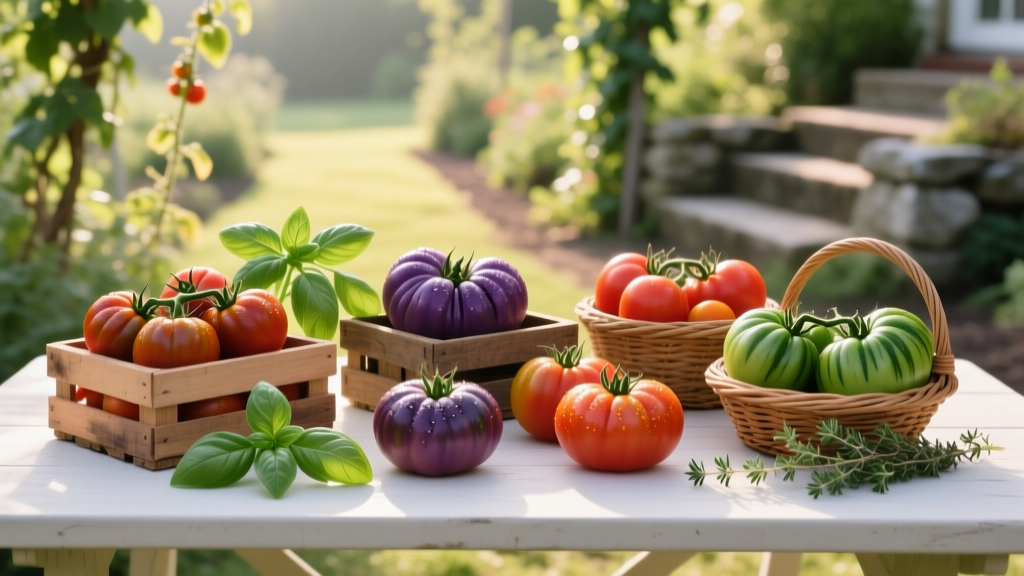
Best Heirloom Tomato Varieties for Garden-to-Table Cooking
David ParkPublished
The Culinary Advantage of Heirloom Tomatoes
The garden-to-table movement has fundamentally changed how home gardeners approach vegetable cultivation, shifting the focus from sheer yield and transport durability to exceptional flavor and culinary versatility. When selecting species and varieties for your backyard orchard or vegetable patch, few plants offer as diverse and rewarding a harvest as the tomato (Solanum lycopersicum). Unlike commercial hybrids, which are often bred for uniform ripening and thick skins to survive cross-country shipping, heirloom tomatoes are cultivated for their complex volatile organic compounds (VOCs) and high Brix (sugar) levels. According to The Old Farmer's Almanac, heirloom varieties are open-pollinated, meaning their seeds will produce plants that are true to the parent, allowing gardeners to save seeds and preserve unique genetic lineages year after year.
Choosing the right heirloom variety requires matching the plant's growth habit, days to maturity, and flavor profile with your specific culinary goals and local hardiness zone. Whether you are crafting authentic Neapolitan pizza sauces, assembling vibrant summer salads, or slow-roasting tomatoes for winter preserves, variety selection is the most critical step in your garden-to-table journey.
Top Heirloom Varieties for Garden-to-Table Recipes
1. Cherokee Purple
Originating from the Cherokee Nation and introduced to the wider market in the 1990s, the Cherokee Purple is a masterpiece of tomato breeding. The fruit features a dusty, dark rose-to-mahogany skin with a deep red interior. Culinary-wise, it is prized for its rich, umami-forward flavor with a perfectly balanced, subtle sweetness. The flesh is dense but juicy, making it an exceptional choice for thick slicing on artisanal sandwiches, caprese salads with fresh mozzarella, or layered tomato galettes. It is an indeterminate variety, requiring sturdy trellising, and typically matures in 80 to 90 days.
2. Brandywine
Often considered the gold standard of heirloom slicing tomatoes, the Brandywine (specifically the Pink Brandywine strain) dates back to the late 1800s. It is recognizable by its distinct potato-leaf foliage, which differs from the jagged leaves of most tomato species. Brandywines produce massive, beefsteak-style fruits that can weigh over one pound each. The flavor is intensely sweet with a creamy texture and low acidity. Because of its large size and structural integrity, it is the ultimate variety for classic BLTs and fresh bruschetta. Expect a longer growing season, with maturity reaching 85 to 100 days.
3. San Marzano (Heirloom Strain)
While true DOP-certified San Marzanos must be grown in the volcanic soil of Mount Vesuvius in Italy, home gardeners can cultivate authentic heirloom San Marzano strains that closely mimic the original's culinary properties. This plum-type tomato is elongated, with a pointed tip, thick flesh, low moisture content, and very few seeds. It is the undisputed king of paste and sauce tomatoes. When roasted or simmered, the natural pectins break down into a velvety, rich sauce without the need for excessive reduction. It is essential for gardeners looking to can their harvest or make authentic pasta sauces.
4. Black Krim
Hailing from the Crimean Peninsula, the Black Krim is a striking variety with dark, reddish-purple skin and green shoulders. What sets the Black Krim apart is its uniquely savory, slightly salty, and smoky flavor profile. This intense savoriness makes it an incredible addition to fresh salsas, gazpachos, or simply grilled alongside meats and vegetables. The fruits are moderately sized and prone to cracking if watering is inconsistent, making smart irrigation integration highly recommended.
5. Amish Paste
For gardeners focused on preserving, canning, and making sun-dried tomatoes, the Amish Paste is a top-tier selection. This Roma-style heirloom yields heavy clusters of deep red, teardrop-shaped fruits. The flesh is incredibly meaty with very little juice or seed cavities, meaning you spend less time cooking off water and more time enjoying a concentrated, sweet tomato flavor. It is highly productive and performs exceptionally well when dehydrated or slow-roasted with olive oil and garlic.
Variety Selection Matrix: Growth Habit and Yield
Understanding the difference between determinate and indeterminate growth habits is crucial for garden planning. Seed Savers Exchange emphasizes that preserving these distinct heirloom traits ensures biodiversity and specific harvest timings. Determinate (bush) varieties grow to a fixed height, set all their fruit at once, and are ideal for batch canning. Indeterminate (vining) varieties continue to grow and produce fruit until the first frost, perfect for continuous fresh eating.
| Variety | Growth Habit | Days to Maturity | Best Culinary Use | Flavor Profile |
|---|---|---|---|---|
| Cherokee Purple | Indeterminate | 80-90 Days | Slicing, Salads, Galettes | Umami, Rich, Balanced |
| Brandywine | Indeterminate | 85-100 Days | Sandwiches, Bruschetta | Sweet, Creamy, Low Acid |
| San Marzano | Indeterminate | 80-85 Days | Sauces, Canning, Pizza | Earthy, Concentrated |
| Black Krim | Indeterminate | 80 Days | Salsas, Grilling, Salads | Salty, Smoky, Savory |
| Amish Paste | Indeterminate | 80-90 Days | Paste, Sun-Dried, Roasting | Meaty, Sweet, Dense |
Site Preparation and Smart Irrigation Integration
Heirloom tomatoes are heavy feeders and require meticulous soil preparation. Test your soil to ensure a pH between 6.2 and 6.8. Before transplanting, amend the bed with 2 to 3 inches of well-aged organic compost and mix in 1 cup of bone meal per planting hole to provide a slow-release source of phosphorus and calcium, which is critical for preventing blossom end rot—a common physiological disorder in heirlooms.
Because heirlooms like the Black Krim are highly susceptible to cracking when soil moisture fluctuates, integrating smart home technology into your garden's irrigation system is a game-changer. According to the EPA WaterSense program, upgrading to a Wi-Fi-enabled smart irrigation controller allows you to automate watering based on local evapotranspiration (ET) rates and real-time weather forecasts. Pair a smart controller with a drip irrigation system and soil moisture sensors. Drip lines deliver 1 to 2 inches of water per week directly to the root zone, keeping the foliage completely dry. This targeted hydration not only conserves water but drastically reduces the risk of fungal diseases like early blight and powdery mildew, which plague heirloom varieties.
Pruning, Trellising, and Disease Management
Because the top heirloom varieties for culinary use are predominantly indeterminate, they require aggressive trellising and pruning. Install heavy-duty 7-foot steel T-posts and attach concrete reinforcing wire (remesh) panels before planting. Space your transplants 36 inches apart, with 48 inches between rows to ensure adequate airflow.
As the plants grow, practice 'suckering'—pinching off the secondary shoots that grow in the axils (the V-joints) between the main stem and the branches. Limiting the plant to one or two main leader stems directs the plant's energy into fruit production rather than excessive foliage. Transplants typically cost between $5 and $8 each at local nurseries, while seed packets range from $3 to $5, offering a highly cost-effective way to grow rare varieties that are never found in grocery stores.
Harvesting and Seed Saving for Next Season
For the ultimate garden-to-table experience, harvest your heirlooms at the 'breaker' stage—when the fruit first shows a blush of its mature color and yields slightly to gentle pressure. Allow them to ripen fully on your kitchen counter at room temperature. Never refrigerate fresh heirloom tomatoes, as temperatures below 55°F break down the volatile flavor compounds and result in a mealy texture.
To save seeds for the following season, select the healthiest, most flavorful fruit from your best-performing plants. Cut the tomato in half, squeeze the seeds and gel into a glass jar, and add a splash of water. Cover with a breathable cloth and let the mixture ferment at room temperature for 3 to 5 days. This fermentation process breaks down the gelatinous seed coating and eliminates seed-borne diseases. Rinse the viable seeds (which will sink to the bottom), dry them on a coffee filter for two weeks, and store them in a cool, dark place. By mastering variety selection and seed saving, you ensure that your garden-to-table legacy continues to thrive season after season.
