Gardening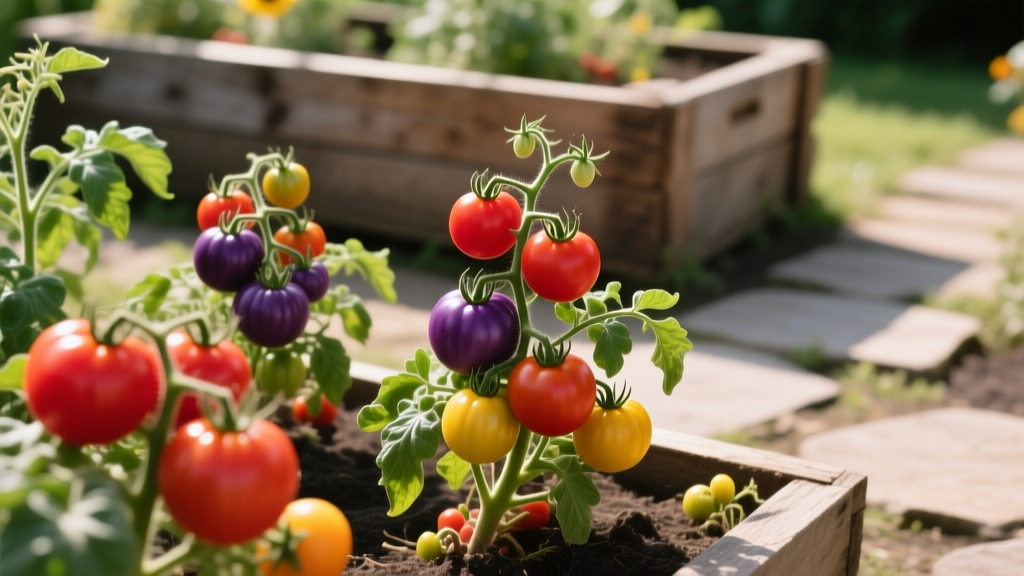
Best Heirloom Tomato Varieties for Short Growing Seasons
Anna KowalskiPublished
The Challenge of Short Growing Seasons
For gardeners in USDA Hardiness Zones 3 through 5, or those residing in high-altitude regions, the window for growing warm-season crops is notoriously brief. When your frost-free days number fewer than 100, selecting the right plant species and specific varieties becomes the single most critical decision you will make all year. Tomatoes, a staple of the home garden, are particularly sensitive to cold soil and cool nighttime temperatures. While modern commercial hybrids are often bred for durability and transport, home gardeners crave the unparalleled flavor of heirloom varieties. Fortunately, through careful variety and species selection, you can enjoy rich, complex, heirloom tomatoes even if your summer is fleeting.
According to the University of Minnesota Extension, gardeners in northern climates must prioritize 'days to maturity' above almost all other traits. A tomato that requires 90 days of scorching heat to ripen will inevitably fail in a region where autumn frosts arrive abruptly in early September. By targeting early-maturing heirlooms, you align the plant's biological clock with your local climate's limitations.
Why Choose Heirloom Tomatoes Over Hybrids?
Before diving into specific cultivars, it is essential to understand the distinction between heirlooms and hybrids. Hybrid tomatoes (often denoted by 'F1') are created by cross-pollinating two different parent plants to achieve specific traits like disease resistance or uniform shape. Heirlooms, on the other hand, are open-pollinated varieties that have been passed down for generations, typically for at least 50 years, without cross-breeding.
The primary draw of heirlooms is flavor. They offer a diverse palate of sweet, acidic, smoky, and earthy notes that commercial hybrids simply cannot match. Furthermore, heirloom seeds can be saved and replanted year after year, maintaining genetic consistency. While heirlooms may lack the built-in disease resistance packages of modern hybrids, selecting regionally adapted heirloom strains—those that have historically thrived in cooler, shorter seasons—provides a natural resilience to local environmental stressors.
Critical Selection Traits for Cool Climates
When browsing seed catalogs, you must look beyond the beautiful photographs and focus on the agronomic data. Here are the key traits to prioritize when selecting heirloom tomato varieties for short seasons:
- Days to Maturity (DTM): This is the number of days from transplanting into the garden to the first ripe fruit. For short seasons, target varieties with a DTM of 55 to 70 days. Anything over 80 days is a significant risk.
- Determinate vs. Indeterminate Growth: Determinate (bush) varieties grow to a fixed size, flower, and set all their fruit in a concentrated window, making them ideal for short seasons. Indeterminate (vining) varieties grow and produce continuously until killed by frost. While some early indeterminate heirlooms exist, determinate or semi-determinate types are generally safer bets for rapid, concentrated harvests.
- Cold Tolerance and Fruit Set: Some heirloom species and subspecies, particularly those originating from Eastern Europe or Russia, possess a genetic ability to set fruit at lower nighttime temperatures (below 55°F). Look for varieties described as 'cold-set' or 'Russian'.
- Leaf Canopy Density: In cooler, often wetter climates, dense foliage can trap moisture and invite fungal diseases like early blight. Varieties with slightly more open canopies allow for better air circulation and faster drying after morning dew or rain.
Top Heirloom Tomato Varieties for Early Harvests
Based on historical performance, university trials, and extensive gardener consensus, the following heirloom varieties are premier choices for short growing seasons. The table below outlines their critical metrics to help you plan your garden layout.
| Variety Name | Days to Maturity | Growth Habit | Fruit Size & Color | Flavor Profile |
|---|---|---|---|---|
| Glacier | 55 Days | Semi-Determinate | 2-3 oz, Red | Sweet, balanced, classic |
| Siberian | 60 Days | Determinate | 2-4 oz, Red | Bright, acidic, robust |
| Black Prince | 70 Days | Indeterminate | 3-5 oz, Dark Mahogany | Rich, earthy, complex |
| Sasha's Altai | 60 Days | Indeterminate | 4-6 oz, Bright Red | Sweet, thin-skinned, tender |
| Stupice | 55 Days | Indeterminate | 2-3 oz, Red | Tangy, intense, early |
Deep Dive into the Top Performers
Glacier: Originally developed in Sweden, Glacier is a workhorse for northern gardeners. It sets fruit reliably even when nighttime temperatures dip into the low 50s. Because it is semi-determinate, it requires minimal staking and produces a heavy, early flush of fruit perfect for canning and fresh eating.
Siberian: As the name implies, this variety hails from Russia and is legendary for its ability to germinate in cooler soils and set fruit in adverse conditions. It is a true determinate bush, making it an excellent candidate for container gardening or small raised beds where space is at a premium.
Black Prince: For those who crave the complex, smoky flavor of dark tomatoes but lack the 90 days required for Cherokee Purple, Black Prince is the solution. Originating from Irkutsk, Siberia, it delivers gourmet-quality, dark mahogany fruits in just 70 days.
Sasha's Altai: Hailed as one of the best early red tomatoes, this Russian heirloom won numerous taste tests in the 1990s. It produces remarkably thin-skinned, juicy fruits that are exceptional for slicing. Note that the thin skin makes it susceptible to cracking if watering is inconsistent.
Stupice: A Czech heirloom with potato-leaf foliage. The unique leaf structure is believed by some horticulturists to aid in cold tolerance and photosynthesis efficiency in lower light conditions. It is incredibly prolific, often producing fruit until the first hard freeze.
For more comprehensive data on tomato cultivation and regional adaptations, The Old Farmer's Almanac provides excellent seasonal planting calendars tailored to specific zip codes, ensuring your transplant dates align perfectly with your chosen variety's DTM.
Seed Starting and Hardening Off Strategies
When growing heirlooms in short seasons, you cannot rely on direct sowing. You must artificially lengthen your growing season by starting seeds indoors. Count backward from your last expected spring frost date using the DTM of your chosen variety, adding 14 days for transplant shock and hardening off.
Sow seeds in a sterile, soilless seed-starting mix. Maintain a soil temperature of 75°F to 80°F using a heat mat to ensure rapid, uniform germination. Once the seedlings develop their first set of true leaves, transplant them into 3-inch pots and drop the ambient temperature to 65°F to prevent leggy growth. Provide 14 to 16 hours of light daily using full-spectrum LED grow lights positioned just 2 inches above the canopy.
The hardening-off process is non-negotiable. Over 7 to 10 days, gradually expose your indoor-grown heirlooms to outdoor wind, direct sunlight, and fluctuating temperatures. Start with one hour of dappled shade and incrementally increase exposure. This thickens the plant's cuticle and stimulates stem lignification, preparing it for the harsh realities of your outdoor microclimate.
Creating Microclimates and Preparing Soil
Species and variety selection is only half the battle; the physical environment must also be optimized. Heirloom tomatoes require soil temperatures of at least 60°F to establish roots and absorb phosphorus effectively. In short-season zones, planting in standard garden beds often results in stunted growth due to cold soil.
Utilizing Raised Beds and Thermal Mass
Raised beds warm up 2 to 3 weeks earlier in the spring than in-ground soil. Construct beds using dark-colored materials or line the interior with black plastic to absorb solar radiation. Incorporate thermal mass by placing large, dark river stones or water-filled jugs at the base of the plants; these absorb heat during the day and radiate it back at night, protecting vulnerable blossoms from sudden temperature drops.
Soil Amendments for Rapid Growth
Because the growing window is compressed, your plants must grow vigorously from day one. Amend your raised bed soil with 2 to 3 inches of high-quality compost. At the bottom of the planting hole, add a handful of bone meal (for phosphorus) and kelp meal (for trace minerals and stress tolerance). Avoid high-nitrogen fertilizers early on, as they promote lush, vegetative growth at the expense of early flower and fruit set.
Season Extension Techniques
Even with early-maturing heirloom varieties, an unexpected late-spring frost or an early-autumn cold snap can devastate your harvest. Employ season extension tools to buffer your plants against the cold.
- Wall-O-Water Cloches: These water-filled plastic cylinders surround the transplant, absorbing solar heat during the day and releasing it at night, allowing you to plant up to a month before the last frost.
- Low Tunnels and Row Covers: Use spunbond polypropylene row covers (like Agribon-19) draped over wire hoops. This creates a greenhouse effect, raising the ambient temperature around the plant by 4°F to 6°F while protecting against wind desiccation.
- Pruning for Ripening: In late summer, about 30 days before your first expected fall frost, aggressively prune all new flower clusters and the growing tips of indeterminate varieties. This forces the plant to redirect its remaining energy into ripening the existing green fruit rather than producing new tomatoes that will never mature.
Final Thoughts on Variety Selection
Gardening in a short-season climate does not mean sacrificing the culinary excellence of heirloom tomatoes. By rigorously selecting varieties bred for cold tolerance and rapid maturity, such as Glacier, Siberian, and Black Prince, you can achieve a bountiful harvest. Combine this intelligent species selection with proactive microclimate management and precise indoor seed starting, and you will consistently outsmart the frost, enjoying the vibrant, complex flavors that only true heirlooms can provide.
