Gardening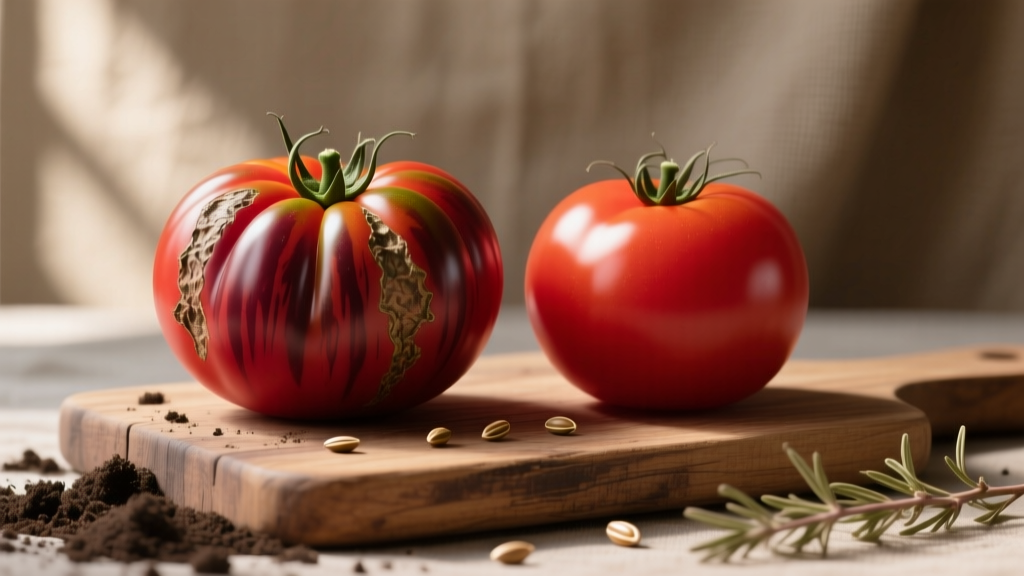
Heirloom vs Hybrid Tomato Varieties: A Selection Guide
Emily WatsonPublished
The Great Tomato Debate: Heirloom vs. Hybrid
Selecting the right tomato variety is the cornerstone of a successful summer harvest. For home gardeners, the seed catalog browsing phase often presents a primary dilemma: should you plant heirloom or hybrid tomatoes? This decision impacts everything from your garden's daily maintenance routine to the flavor profile of your late-summer salads and the long-term viability of your saved seeds. Understanding the distinct biological and practical differences between these two categories is essential for making an informed variety selection that aligns with your specific climate, soil conditions, and culinary goals.
Understanding the Genetics: Open-Pollinated vs. F1
Before diving into specific cultivars, it is crucial to understand the genetic mechanisms that define these categories. All heirloom tomatoes are open-pollinated, meaning they are pollinated naturally by wind or insects. Because of this natural pollination, their genetics remain stable over generations. If you save the seeds from an heirloom tomato and plant them the following year, the resulting plants will reliably produce fruit identical to the parent plant.
Hybrid tomatoes, on the other hand, are the result of controlled cross-pollination between two distinct parent plants. Breeders carefully select these parents to combine specific desirable traits, such as disease resistance, uniform ripening, or high yield. The resulting seeds are labeled as F1 (first filial generation). While F1 hybrids often exhibit "hybrid vigor" (growing faster and stronger than their parents), their genetics are not stable. If you save seeds from a hybrid tomato, the next generation will not breed true and will likely produce inferior or entirely unpredictable fruit.
Heirloom Tomatoes: The Purist's Choice
To be classified as an heirloom, a tomato variety must generally have been passed down for at least 50 years, with many dating back to the 19th century or earlier. These varieties are celebrated for their extraordinary genetic diversity, which translates into a spectacular array of colors, shapes, and complex flavor profiles that commercial hybrids rarely match.
Pros of Heirlooms
- Superior Flavor: Heirlooms are bred for taste, not transport. They offer rich, complex balances of acidity and sweetness.
- Seed Saving: You can harvest, dry, and store seeds for future seasons, reducing your annual gardening costs.
- Genetic Diversity: Growing heirlooms helps preserve historical plant genetics and supports biodiversity in local ecosystems.
Cons of Heirlooms
- Disease Susceptibility: Most lack modern genetic resistance to soil-borne pathogens like Fusarium and Verticillium wilts.
- Lower Yields: They typically produce fewer fruits per vine compared to modern commercial hybrids.
- Physical Imperfections: Heirlooms are prone to cracking, catfacing (scarring), and uneven ripening, making them less visually uniform.
Hybrid Tomatoes: The Pragmatist's Workhorse
Hybrid tomatoes were developed to solve the logistical challenges of large-scale agriculture and unpredictable home gardens. By crossing specific parent lines, agricultural scientists have created varieties that can withstand harsh weather, resist devastating diseases, and produce massive yields of uniform fruit.
Pros of Hybrids
- Disease Resistance: Bred with specific genetic markers to fight off nematodes, blights, and wilts.
- High Yields: Engineered to produce heavy clusters of fruit consistently throughout the growing season.
- Uniformity and Durability: Fruits ripen evenly and possess thicker skins, making them excellent for canning, shipping, and long-term storage.
Cons of Hybrids
- Seed Saving is Futile: Saved seeds will not produce the same plant, requiring you to purchase new seeds annually.
- Milder Flavor: Because breeding often prioritizes yield and durability over taste, some hybrids lack the deep, complex flavor of heirlooms.
Determinate vs. Indeterminate: Growth Habits
Regardless of whether you choose an heirloom or a hybrid, you must select the correct growth habit for your garden space. According to the University of Minnesota Extension, understanding vine architecture is critical for proper trellising and pruning.
- Determinate (Bush): These plants grow to a fixed height (usually 3 to 4 feet), set all their fruit over a concentrated two-to-three-week period, and then stop producing. They require minimal staking and are ideal for container gardening or gardeners who want to harvest a large batch of tomatoes all at once for canning and making sauces.
- Indeterminate (Vining): These plants continue to grow, flower, and produce fruit until killed by the first autumn frost. They can easily reach 6 to 12 feet in height and require heavy-duty staking or trellising, as well as regular pruning of "suckers" to maintain airflow and direct energy into fruit production.
Decoding Disease Resistance Labels
When browsing hybrid seed catalogs, you will often see a string of capital letters following the variety name (e.g., Celebrity VFN). These letters indicate the specific diseases the plant has been bred to resist. Selecting varieties with the right resistance codes for your local soil conditions can mean the difference between a bountiful harvest and total crop failure.
Common Tomato Resistance Codes:
V = Verticillium Wilt
F = Fusarium Wilt (F1, F2 denote specific strains)
N = Root-Knot Nematodes
T = Tobacco Mosaic Virus
A = Alternaria Stem Canker
L = Septoria Leaf Spot
Gardeners in humid, rainy climates or those who plant in the same garden beds year after year without crop rotation should heavily prioritize hybrids with VFN resistance.
Comparison Chart: Heirloom vs. Hybrid Tomatoes
| Feature | Heirloom Varieties | Hybrid Varieties |
|---|---|---|
| Pollination | Open-pollinated (natural) | Controlled cross-pollination (F1) |
| Seed Saving | Excellent (breeds true) | Poor (does not breed true) |
| Flavor Profile | Complex, rich, highly variable | Consistent, often milder or sweeter |
| Disease Resistance | Low to Moderate | High (specific VFN codes) |
| Yield Volume | Moderate | High to Very High |
| Skin Thickness | Thin (prone to cracking) | Thick (durable, good for transport) |
| Cost of Seeds | Generally higher per packet | Generally lower per packet |
Top Heirloom Selections for the Home Garden
If you prioritize culinary excellence and want to experience the historical diversity of tomatoes, consider adding these legendary heirlooms to your garden plan. Databases like Cornell University's Vegetable Varieties for Gardeners offer extensive peer-reviewed and citizen-science ratings that consistently rank these varieties at the top for home growers.
1. Brandywine (Pink)
The undisputed king of heirloom beefsteaks. Brandywine produces massive, 1-2 pound fruits with a creamy, velvety texture and a perfect balance of sweet and tart. It is an indeterminate variety that requires 80-90 days to maturity. Because it is prone to cracking, harvest promptly after heavy rains.
2. Cherokee Purple
Originating from Native American agriculture in the late 1800s, this dusky rose-to-brown tomato offers a deeply complex, smoky, and sweet flavor. It is highly prized for slicing onto sandwiches. It matures in about 80 days and performs surprisingly well in slightly hotter climates compared to other heirlooms.
3. San Marzano
The gold standard for Italian paste tomatoes. San Marzano is a plum-shaped heirloom with thick, dry flesh, low seed count, and minimal acidity, making it the ultimate choice for rich, slow-simmered marinara sauces and canning. It is an indeterminate vine that requires sturdy caging.
Top Hybrid Selections for Reliable Yields
For gardeners dealing with short growing seasons, high humidity, or soil-borne diseases, hybrids offer a reliable safety net. For general planting dates, frost guidelines, and regional hybrid recommendations, The Old Farmer's Almanac provides excellent localized planting calendars.
1. Early Girl (V)
A classic indeterminate hybrid bred specifically for short growing seasons and cool climates. Early Girl produces 4-6 ounce slicing tomatoes in just 50-60 days from transplant. It is incredibly vigorous, drought-tolerant, and offers a surprisingly robust flavor for an early-season hybrid.
2. Sun Gold (F1)
Widely considered the sweetest cherry tomato in existence, Sun Gold boasts a Brix (sugar content) rating that rivals tropical fruits. These prolific indeterminate vines produce massive clusters of vibrant orange, bite-sized fruits that ripen in just 57 days. They are highly resistant to cracking and are a favorite for children and snacking straight off the vine.
3. Celebrity (VFN)
The ultimate workhorse hybrid. Celebrity is a semi-determinate plant that produces 7-10 ounce, perfectly round, crack-resistant slicing tomatoes. With built-in resistance to Verticillium, Fusarium, and Nematodes, it is the go-to variety for gardeners struggling with compromised soil health. It matures in roughly 70 days.
Soil Preparation and Planting Strategy
Selecting the perfect variety is only half the battle; proper soil preparation and planting techniques will dictate your final yield. Tomatoes are heavy feeders that require specific soil conditions to thrive.
Soil Testing and Amendment
Tomatoes require a soil pH between 6.2 and 6.8. If your soil is too acidic, the plants cannot uptake essential nutrients, leading to stunted growth. Conduct a soil test in early spring. If the pH is below 6.0, incorporate pelletized garden lime at a rate of 5 to 10 pounds per 100 square feet. Furthermore, mix in 2 to 3 inches of high-quality organic compost to improve soil structure and moisture retention.
The Calcium Connection: Preventing Blossom End Rot
Blossom end rot is a physiological disorder caused by a calcium deficiency in the developing fruit, often exacerbated by inconsistent watering. While adding crushed eggshells is a popular myth that acts too slowly to be effective, incorporating a fast-acting calcium source like gypsum (calcium sulfate) or a specialized organic tomato fertilizer (typically a 5-10-10 NPK ratio with added calcium) at the time of planting will provide the necessary nutrients without altering your soil pH.
The Deep Planting Technique
Unlike most garden vegetables, tomatoes possess the unique ability to grow adventitious roots from their buried stems. When transplanting seedlings outdoors after the danger of the last frost has passed, pinch off the bottom two sets of leaves and bury the stem deeply, leaving only the top cluster of leaves above the soil line. This deep planting technique forces the plant to develop a massive, robust root system that can access deep water reserves and support heavy fruit loads later in the summer.
Conclusion
The choice between heirloom and hybrid tomatoes ultimately depends on your specific gardening goals. If you have the space for rigorous crop rotation, prioritize culinary excellence, and wish to participate in the tradition of seed saving, heirlooms like Brandywine and Cherokee Purple are unmatched. However, if you are battling local soil diseases, dealing with a short growing season, or simply want a guaranteed, low-maintenance harvest for canning and daily eating, reliable hybrids like Celebrity and Sun Gold are indispensable tools for the modern gardener. By understanding the genetics, growth habits, and disease resistance codes of your chosen varieties, you can curate a diverse, resilient, and highly productive tomato garden tailored perfectly to your local environment.
