Gardening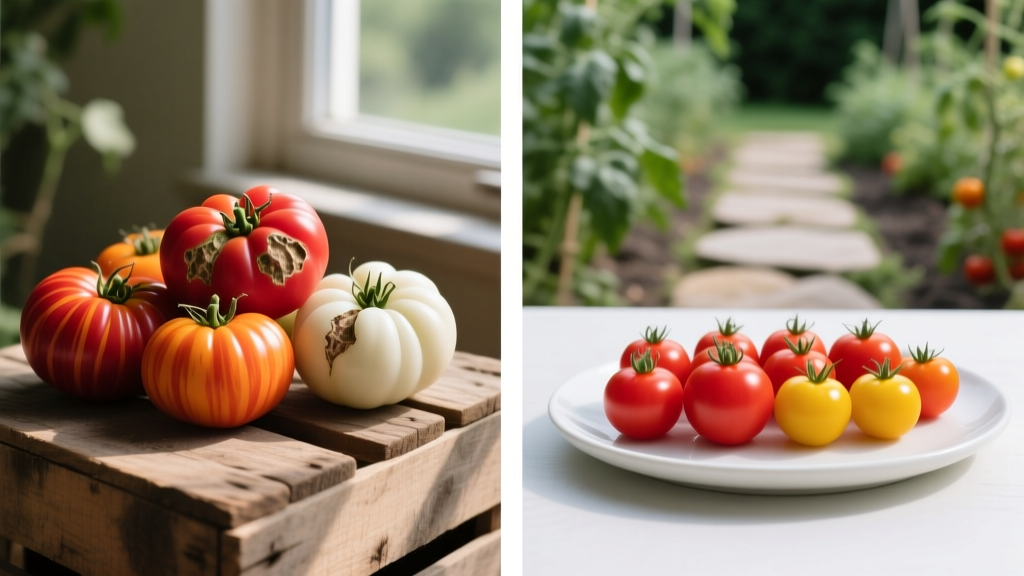
Heirloom vs Hybrid Tomatoes: Best Varieties to Grow
Lisa ThompsonPublished
Introduction to Tomato Variety Selection
When planning your summer vegetable garden, few decisions carry as much weight as selecting the right tomato varieties. With over 10,000 registered tomato varieties in existence, home gardeners are often overwhelmed by the sheer volume of choices found in seed catalogs and nursery aisles. The decision ultimately boils down to a fundamental fork in the road: should you plant heirloom or hybrid tomatoes?
Understanding the genetic, culinary, and horticultural differences between these two categories is essential for a successful harvest. Your choice will dictate your garden's disease resilience, the flavor profile of your summer salads, and how you manage plant architecture throughout the growing season. According to the University of Minnesota Extension, matching the right tomato variety to your local climate and soil conditions is the single most effective way to ensure a bountiful harvest.
The Case for Heirloom Tomatoes
Heirloom tomatoes are the darlings of the culinary world, prized for their complex, nuanced flavors and striking, unconventional appearances. By definition, an heirloom tomato is an open-pollinated variety that has been passed down through generations, typically for at least 50 years, and has not been crossed with other varieties in recent history. Because they are open-pollinated, seeds saved from an heirloom tomato will produce plants that are genetically identical to the parent plant.
Flavor and Aesthetics
Heirlooms are celebrated for their rich, sweet, and sometimes smoky or tart flavor profiles that mass-produced commercial tomatoes simply cannot replicate. Varieties like the Brandywine offer a creamy, sweet flesh with low acidity, while the Cherokee Purple provides a deep, earthy, and complex taste with a dusky rose-brown skin. Their visual appeal is equally diverse, featuring deep ribbing, vibrant stripes, and colors ranging from pale yellow to deep mahogany.
The Challenges of Growing Heirlooms
Despite their superior flavor, heirlooms come with distinct horticultural challenges. They generally lack the genetic disease resistance bred into modern hybrids. In humid climates, heirlooms are highly susceptible to early and late blight, septoria leaf spot, and fungal wilts. Furthermore, their thin skins make them prone to cracking after heavy rainfall, and they have a much shorter shelf life once harvested. As noted by the North Carolina State University Extension, gardeners in regions with high summer humidity must employ rigorous preventative fungicide schedules and meticulous pruning to keep heirloom foliage dry and healthy.
The Power of Hybrid Tomatoes
Hybrid tomatoes are the result of controlled cross-pollination between two distinct, stable parent plants to create a first-generation (F1) offspring. Plant breeders develop hybrids to combine the best traits of both parents, a phenomenon known as hybrid vigor or heterosis. It is crucial to understand that seeds saved from hybrid tomatoes will not breed true; the next generation will exhibit unpredictable traits from the grandparent lines.
Disease Resistance and Reliability
The primary advantage of hybrid tomatoes is their robust disease resistance and reliable yields. Breeders specifically target genetic markers that provide immunity or high tolerance to devastating soil-borne and airborne pathogens. For gardeners dealing with nematode-infested soil or a history of Fusarium wilt, hybrids are often the only viable option for a successful crop without resorting to heavy chemical treatments or complex soil solarization.
Uniformity and Shelf Life
Hybrids are bred for uniform fruit size, consistent ripening times, and thicker skins that resist cracking and withstand transportation. While some gardeners argue that older hybrids sacrificed flavor for durability, modern breeding programs have successfully reintroduced exceptional flavor into highly resilient hybrid lines. The Sun Gold cherry tomato, for instance, is a hybrid that consistently wins blind taste tests against heirlooms due to its extraordinary sweetness and high sugar content.
Heirloom vs. Hybrid: A Detailed Comparison
To help you decide which type of tomato belongs in your raised beds or containers, review the structured comparison below:
| Trait | Heirloom Tomatoes | Hybrid Tomatoes |
|---|---|---|
| Genetics | Open-pollinated, genetically stable | Cross-pollinated F1 generation |
| Seed Saving | Seeds breed true to parent | Seeds do not breed true |
| Disease Resistance | Generally low; highly susceptible to blight | High; bred for specific pathogen resistance |
| Flavor Profile | Complex, rich, diverse, and highly nuanced | Consistent, balanced, sometimes milder |
| Fruit Appearance | Irregular shapes, deep ribbing, varied colors | Uniform shape, consistent color and size |
| Skin Thickness | Thin; prone to cracking and splitting | Thicker; resists cracking, longer shelf life |
| Yield Reliability | Variable; heavily dependent on weather and care | Highly reliable and consistent year-over-year |
Decoding Seed Packets: Disease Resistance Codes
When selecting hybrid (and some modern heirloom) varieties, you will notice a string of capital letters on the seed packet or plant tag. These letters indicate the specific diseases the variety has been bred to resist. Understanding these codes is vital for variety selection, especially if you are planting in the same soil year after year.
- V (Verticillium Wilt): A soil-borne fungus that causes leaves to yellow, wither, and drop, starting from the bottom of the plant.
- F (Fusarium Wilt): Another devastating soil-borne fungus that blocks the plant's vascular system. You will often see F1 and F2, indicating resistance to multiple races of the fungus.
- N (Nematodes): Resistance to root-knot nematodes, microscopic worms that feed on roots and cause stunted growth.
- T (Tobacco Mosaic Virus): A highly contagious virus that causes mottled, distorted leaves and stunted fruit. It is often spread by human hands handling tobacco products.
- LB (Late Blight): Resistance to the aggressive airborne pathogen responsible for the Irish Potato Famine, which can destroy a tomato crop in days during cool, wet weather.
The University of Wisconsin-Madison Extension strongly recommends selecting varieties with V and F resistance at a minimum, as these soil-borne pathogens can persist in garden beds for over a decade, making crop rotation difficult for small-scale home gardeners.
Determinate vs. Indeterminate Growth Habits
Beyond the heirloom versus hybrid debate, variety selection must account for the plant's growth habit. This dictates how you will trellis, prune, and harvest your tomatoes.
Determinate (Bush) Tomatoes
Determinate varieties grow to a compact, genetically predetermined height (usually 3 to 4 feet), produce their entire crop over a concentrated 2 to 3 week period, and then decline. They require minimal pruning and are ideal for container gardening, small raised beds, and gardeners who want to harvest a large batch of tomatoes all at once for canning or making sauce. Top Determinate Pick: Roma VF (Heirloom paste tomato) or Celebrity (Hybrid slicer).
Indeterminate (Vining) Tomatoes
Indeterminate varieties continue to grow, flower, and produce fruit until killed by the first autumn frost. They can easily exceed 8 feet in height and require sturdy, tall trellising systems such as heavy-duty cattle panels or tall wooden stakes. They also require regular pruning of "suckers" (the shoots that grow in the crotches of branches) to maintain airflow and direct energy into fruit production. Top Indeterminate Pick: Cherokee Purple (Heirloom slicer) or Sun Gold (Hybrid cherry).
Top Variety Recommendations for Home Gardeners
To build a well-rounded garden, consider planting a mix of both heirlooms and hybrids across different culinary categories.
1. Cherry and Grape Tomatoes (Snacking and Salads)
- Hybrid: Sun Gold. An indeterminate cherry tomato that matures in just 57 days. It produces massive clusters of tangerine-orange fruit with a Brix (sugar) level that rivals candy. Highly resistant to cracking.
- Heirloom: Black Cherry. An indeterminate variety that yields dusky purple-black fruits with a rich, smoky, and complex flavor. Requires careful staking due to heavy clusters.
2. Slicing Tomatoes (Sandwiches and Burgers)
- Hybrid: Early Girl. A reliable indeterminate slicer that matures in roughly 50 days, making it the perfect choice for gardeners in short-season northern climates. Produces medium-sized, globe-shaped fruit with classic tomato flavor.
- Heirloom: Brandywine. The gold standard for heirloom flavor. This potato-leaf indeterminate variety takes 85 to 100 days to mature but rewards patience with massive, beefsteak-style fruits that are incredibly juicy and sweet.
3. Paste Tomatoes (Sauces, Salsas, and Canning)
- Hybrid: Plum Regal. A determinate paste tomato with exceptional resistance to late blight. It produces dense, meaty, bright red fruits with very few seeds, ideal for thick, rich pasta sauces.
- Heirloom: San Marzano. The legendary Italian paste tomato. Indeterminate and elongated, these fruits have a thick wall, low moisture content, and a sweet, low-acid flavor that is unmatched for traditional Neapolitan pizza sauce.
Tips for Sourcing and Starting Your Seeds
When sourcing seeds, avoid generic big-box store racks if you are looking for specific disease-resistant traits or rare heirlooms. Instead, turn to reputable seed banks and specialized growers like the Seed Savers Exchange, Johnny's Selected Seeds, or Baker Creek Heirloom Seeds. These organizations provide detailed germination data, disease resistance codes, and days-to-maturity metrics.
Start your seeds indoors 6 to 8 weeks before your last expected spring frost date. Use a sterile, soilless seed-starting mix to prevent damping-off disease, and provide 14 to 16 hours of bright, direct light daily using LED grow lights. Once the seedlings develop their second set of true leaves, transplant them into larger 3-inch pots, burying the stem slightly deeper to encourage a robust root system.
Before moving them outdoors, you must harden off your seedlings. Gradually expose them to outdoor wind and direct sunlight over a 7 to 10 day period. When transplanting into the garden, ensure the soil temperature has reached at least 60°F. Bury the tomato stem deep—up to the first set of true leaves—as tomatoes will sprout adventitious roots along the buried stem, creating a massive, drought-resistant root network.
Conclusion
The choice between heirloom and hybrid tomatoes is not a matter of one being universally superior to the other; rather, it is about aligning your variety selection with your garden's specific microclimate, your maintenance capacity, and your culinary goals. By integrating a strategic mix of disease-resistant hybrids for reliable yields and open-pollinated heirlooms for unparalleled flavor, you can cultivate a diverse, resilient, and deeply rewarding tomato harvest season after season.
