Gardening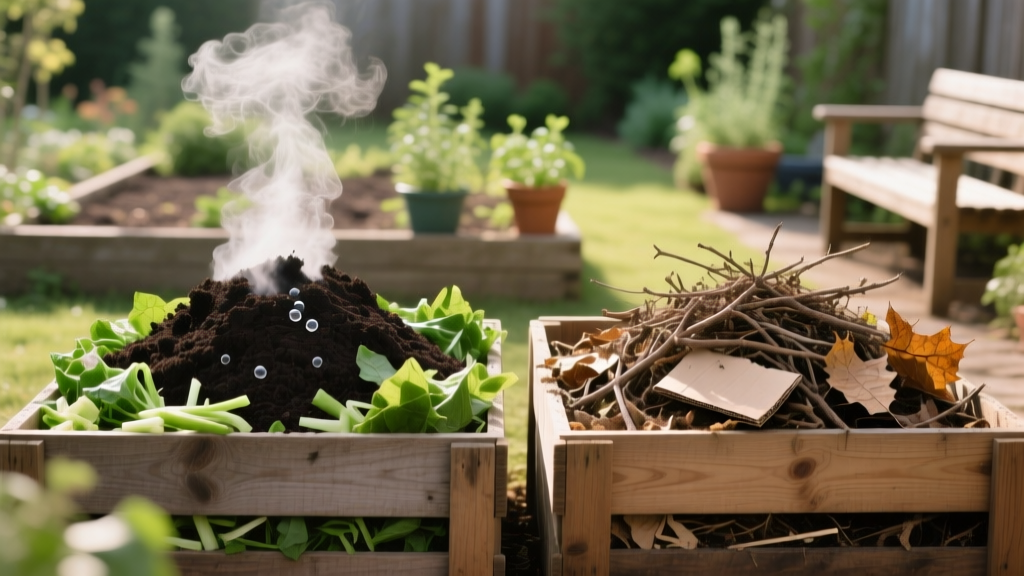
Hot vs Cold Composting: Which Method Builds Better Soil?
Anna KowalskiPublished
Introduction to Composting for Soil Health
Soil health is the undisputed foundation of any thriving garden. Whether you are cultivating a sprawling vegetable patch, a vibrant flower bed, or a modest collection of patio containers, the vitality of your plants is directly tied to the microbiology and structure of the earth they grow in. Composting is the most effective, sustainable way to reintroduce essential organic matter, beneficial microbes, and slow-release nutrients back into your garden beds. However, not all compost is created equal, and the method you choose to decompose your organic waste will drastically alter the final product's impact on your soil.
When gardeners talk about composting, they are generally referring to one of two primary methods: cold composting and hot composting. Both methods ultimately yield a rich, dark, crumbly soil amendment often referred to as 'black gold.' Yet, the journey from kitchen scraps to finished compost differs wildly between the two. According to the Environmental Protection Agency (EPA), understanding the balance of carbon, nitrogen, moisture, and oxygen is critical to successful decomposition. In this comprehensive guide, we will break down the science, effort, and soil-building benefits of hot versus cold composting, helping you decide which method aligns with your gardening goals, schedule, and physical capabilities.
What is Cold Composting?
Cold composting, often referred to as passive or slow composting, is the 'set it and forget it' approach to organic waste management. It mimics the natural decomposition process that occurs on a forest floor, where leaves, twigs, and organic debris slowly break down over time through the action of mesophilic (moderate-temperature) bacteria, fungi, and macro-organisms like earthworms and pillbugs.
How to Cold Compost
To start a cold compost pile, you simply designate a corner of your yard or set up a simple wire bin. As you generate organic waste—vegetable peels, coffee grounds, fallen leaves, and grass clippings—you add them to the pile. There is no strict requirement to measure ratios, monitor temperatures, or turn the pile. Nature takes its course, and the materials slowly degrade.
Pros and Cons of Cold Composting
- Pros: Requires minimal physical effort and time. It is highly forgiving; you can add materials whenever you have them without worrying about batch sizes. It is an excellent habitat for local earthworm populations.
- Cons: The process is incredibly slow, taking anywhere from 6 to 18 months to yield finished compost. Because the pile never reaches high temperatures, weed seeds and plant pathogens are not destroyed. You must avoid adding diseased plants, invasive weeds, or meat and dairy products, as they will not break down safely and may attract pests.
What is Hot Composting?
Hot composting is an active, managed process that harnesses the power of thermophilic (heat-loving) bacteria to rapidly break down organic matter. By optimizing the Carbon-to-Nitrogen (C:N) ratio, maintaining adequate moisture, and introducing oxygen through regular turning, you create an environment where microbial activity is so intense that the core of the pile generates significant heat.
Research from the Cornell Waste Management Institute highlights that properly managed hot compost piles can reach internal temperatures between 130°F and 160°F (54°C to 71°C). This thermal spike is the defining characteristic of the method and provides immense benefits for soil health.
How to Hot Compost (The Berkeley Method)
Hot composting requires building the pile all at once to achieve the necessary critical mass. A pile must be at least 3 feet wide, 3 feet long, and 3 feet high (1 cubic yard) to insulate itself and retain heat. The popular 'Berkeley Method' can produce finished compost in as little as 18 to 21 days:
- Day 1: Build the pile by layering 'browns' (carbon) and 'greens' (nitrogen) and water it thoroughly.
- Days 2-4: Let the pile sit undisturbed as thermophilic bacteria multiply and the temperature spikes.
- Day 5: Turn the pile completely, moving the outer edges to the hot center and vice versa.
- Days 6-18: Turn the pile every 48 hours to maintain oxygen levels and distribute heat evenly.
- Day 18+: Allow the compost to cure for a few weeks before applying it to sensitive plant roots.
Pros and Cons of Hot Composting
- Pros: Produces finished compost in 1 to 3 months. The high heat effectively kills weed seeds, soil-borne pathogens, and harmful fungi. It allows you to safely compost a wider variety of materials, including certain diseased plant matter and fast-growing weeds.
- Cons: Requires significant physical labor (turning heavy, wet organic matter). It demands upfront planning to gather enough materials to build a full 27-cubic-foot pile at once. It requires monitoring with specialized tools.
Mastering the Carbon-to-Nitrogen (C:N) Ratio
Whether you choose hot or cold composting, understanding the C:N ratio is vital for soil health. Microbes use carbon for energy and nitrogen for protein synthesis and reproduction. The ideal target for a compost pile is a C:N ratio of roughly 30:1 by weight.
- Browns (Carbon-Rich): Dry autumn leaves, shredded newspaper, cardboard, straw, wood chips, and dried pine needles. These materials are bulky, provide structure for aeration, and break down slowly.
- Greens (Nitrogen-Rich): Fresh grass clippings, fruit and vegetable scraps, coffee grounds, tea bags, and fresh manure (herbivore only, such as horse, cow, or rabbit). These materials are dense, moist, and break down rapidly.
In a cold pile, you can roughly estimate a 2:1 or 3:1 volume ratio of browns to greens. In a hot pile, precision matters more; using a scale to weigh your materials ensures the thermophilic bacteria have the exact fuel they need to generate heat without producing foul odors.
Hot vs. Cold Composting: A Detailed Comparison
Use the following comparison chart to evaluate which composting method fits your lifestyle and garden needs.
| Feature | Cold Composting | Hot Composting |
|---|---|---|
| Timeframe | 6 to 18 months | 1 to 3 months |
| Internal Temperature | Ambient (50°F - 80°F) | 130°F - 160°F |
| Effort Level | Low (Add and ignore) | High (Batch build, turn, monitor) |
| Weed Seeds & Pathogens | Often survive | Destroyed by thermal shock |
| Space Required | Small to Large | Minimum 3x3x3 feet per batch |
| Microbial Profile | Fungi & Mesophilic bacteria | Thermophilic bacteria dominant |
| Odor Risk | Low (if aerated naturally) | Moderate (if N is too high or anaerobic) |
Essential Tools for the Serious Composter
If you decide to pursue hot composting to maximize your soil health, investing in the right tools will save you time, money, and frustration. Here is a breakdown of essential gear and estimated costs:
- Long-Stem Compost Thermometer ($25 - $45): A standard meat thermometer will not suffice. You need a thermometer with a 20-inch stainless steel stem and a dial face to accurately read the temperature at the core of a 3-foot pile without burning your hands.
- Winged Compost Aerator ($30 - $50): Turning a pile with a pitchfork is exhausting. A winged aerator is plunged into the center of the pile and pulled up, lifting and fluffing the materials from the inside out to introduce oxygen without the need to fully dismantle the pile every time.
- Compost Sifter/Screen ($40 - $80): To achieve a fine, uniform texture for seed-starting mixes or top-dressing lawns, a sifter removes unfinished twigs and debris, which are then tossed back into the next pile.
- Heavy-Duty Tarp ($20 - $30): Essential for mixing materials before building the pile, retaining moisture during dry spells, and covering the curing compost to prevent nutrient leaching from heavy rains.
Troubleshooting Common Compost Pile Issues
Even experienced gardeners encounter compost hiccups. Here is how to diagnose and fix common problems based on soil science principles:
The Pile Smells Like Ammonia
Cause: Your C:N ratio is too low; there is too much nitrogen (greens) and not enough carbon (browns). The excess nitrogen is off-gassing as ammonia, which is a lost nutrient and an unpleasant odor.
Solution: Immediately mix in high-carbon bulking agents like shredded cardboard, dry leaves, or sawdust. Turn the pile thoroughly to distribute the new materials.
The Pile Smells Like Rotten Eggs or Sulfur
Cause: The pile has gone anaerobic. This happens when the pile is too wet, compacted, or lacks oxygen, allowing anaerobic bacteria to take over. This produces hydrogen sulfide gas, which is toxic to plant roots.
Solution: Turn the pile immediately to introduce oxygen. If it is waterlogged, mix in dry browns to absorb excess moisture. Aim for a moisture level that feels like a wrung-out sponge (roughly 40-60% moisture content).
The Pile Will Not Heat Up
Cause: The pile is too small to insulate itself, too dry for microbes to thrive, or lacking in nitrogen.
Solution: Ensure the pile meets the 27-cubic-foot minimum. Check moisture levels and add water if dry. If moisture and size are adequate, mix in a nitrogen booster like blood meal, alfalfa meal, or fresh coffee grounds to kickstart microbial reproduction.
Conclusion: Choosing the Right Method for Your Garden
Both hot and cold composting are phenomenal practices that divert waste from landfills and regenerate depleted topsoil. Cold composting is ideal for the casual gardener who wants a low-maintenance way to recycle yard waste and kitchen scraps over the long term. It fosters a diverse fungal network that is highly beneficial for perennial beds, shrubs, and trees.
Conversely, hot composting is the superior choice for the intensive vegetable gardener or those dealing with poor, pathogen-heavy soil. The ability to rapidly produce large volumes of sanitized, nutrient-dense compost makes it an invaluable tool for preparing raised beds and amending heavy clay or sandy soils. By understanding the science of decomposition and selecting the method that matches your available time and physical capacity, you will ensure your garden's soil remains a living, breathing ecosystem capable of supporting bountiful harvests for years to come.
