Pest Control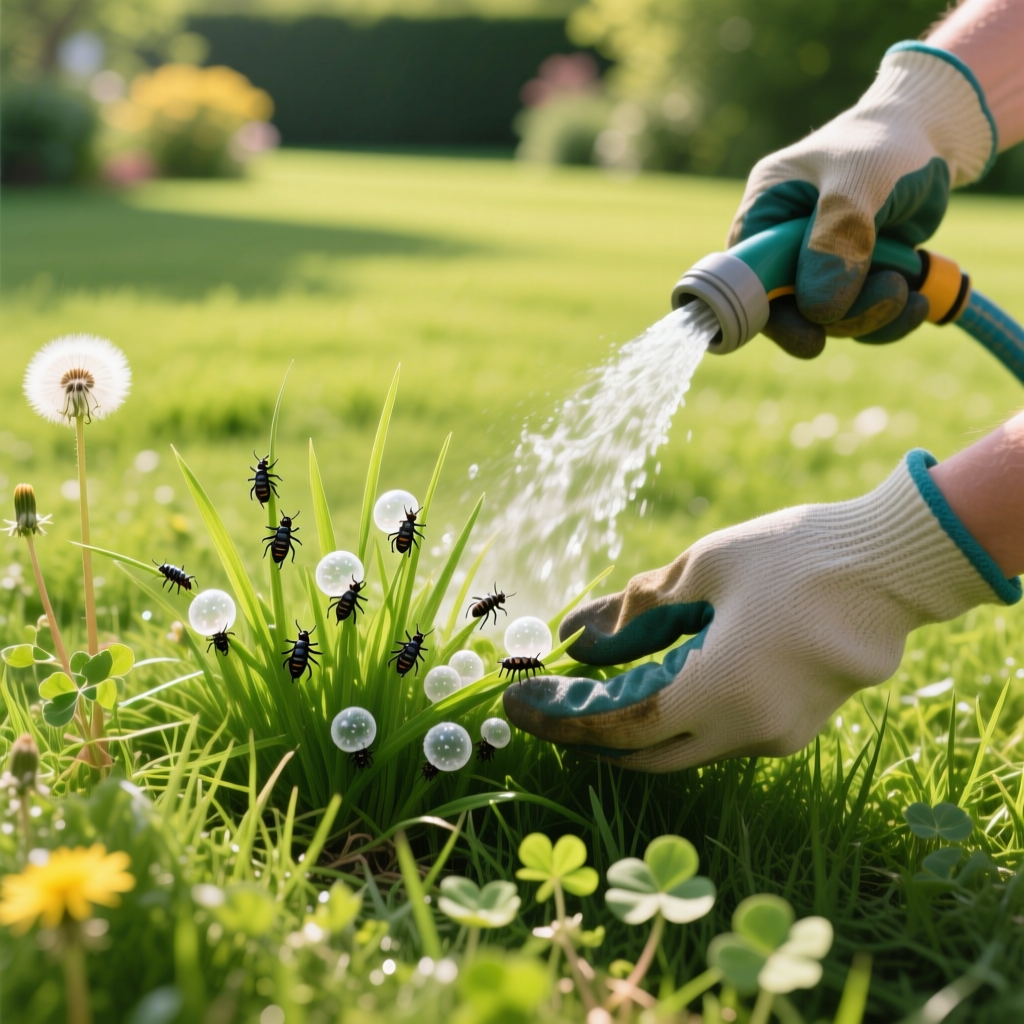
How to Identify & Control Spittlebugs in Warm-Season Lawns
Robert HayesPublished
Spittlebugs are among the most common yet frequently overlooked pests that plague warm-season lawns across the southern United States. These small insects can cause significant damage to turfgrasses like Bermuda, Zoysia, St. Augustine, Centipede, and Bahia grass if left unchecked. While a few spittlebugs may not warrant immediate alarm, a full-blown infestation can turn a lush, green lawn into a patchy, yellowed mess in a matter of weeks.
Understanding how to identify spittlebugs early, implement preventive measures, and apply effective control methods is essential for any homeowner who takes pride in maintaining a healthy warm-season lawn. This comprehensive guide walks you through everything you need to know about spittlebug identification, prevention, and treatment so you can keep your turf thriving year after year.
What Are Spittlebugs & How to Identify Them in Your Lawn
Spittlebugs belong to the insect family Cercopidae and are closely related to leafhoppers and cicadas. The most common species affecting warm-season lawns is the two-lined spittlebug (Prosapia bicincta), which is particularly destructive to turfgrasses in the southeastern United States. Adult two-lined spittlebugs are roughly a quarter-inch long, dark brown to black in color, and feature two distinctive orange or yellow stripes running horizontally across their wings.
The Spittlebug Life Cycle
Understanding the spittlebug life cycle is critical for timing your control efforts effectively. Spittlebugs go through three main stages:
- Eggs: Adult females lay eggs in the thatch layer, at the base of grass blades, or in the soil during late summer and early fall. These eggs overwinter and hatch in the spring when temperatures warm up consistently.
- Nymphs: The nymph stage is the most recognizable phase. Nymphs are pale yellow-green, soft-bodied, and wingless. They produce a frothy, spit-like substance that encases their bodies for protection — this is the characteristic "spittle" that gives the insect its name. You will typically find these spittle masses at the base of grass blades or in the thatch layer.
- Adults: After several weeks and multiple molts, nymphs mature into winged adults. Adults are more mobile and can fly short distances, spreading the infestation across your lawn and into ornamental plants.
Warm-season lawns typically experience two generations of spittlebugs per year. The first generation hatches in spring, matures by early summer, and lays eggs that produce a second, often larger and more damaging generation in late summer and early fall.
Signs of Spittlebug Damage
Both nymphs and adults feed on grass by piercing the blades and sucking out plant juices. The damage manifests in several telltale ways:
- Frothy spittle masses at the base of grass blades or within the thatch — the most obvious visual indicator of nymph activity
- Yellow or chlorotic streaks on individual grass blades caused by the removal of chlorophyll-rich plant sap
- Browning and dieback of grass in irregular patches, particularly during hot, dry periods when the plant is already under stress
- A "burned" appearance across large sections of the lawn that can be mistaken for drought stress, fertilizer burn, or disease
- Adults hopping or flying when you walk across the lawn, especially in the early morning or evening hours
If you notice these symptoms, part the grass blades and inspect the thatch layer closely. The presence of spittle masses confirms an active infestation. For more information on diagnosing turf issues, check out our lawn disease identification guide to rule out fungal problems that may look similar.
Preventing Spittlebug Infestations in Warm-Season Lawns
As with most lawn pests, prevention is far easier and more cost-effective than treatment. Spittlebugs thrive in specific environmental conditions, and by modifying your lawn care practices, you can make your turf far less inviting to these insects.
Manage Thatch Buildup
Thatch — the layer of dead and living organic matter that accumulates between the soil surface and the green grass canopy — is the primary habitat for spittlebug nymphs. A thick thatch layer provides shelter, moisture retention, and a protected environment for egg-laying. Most warm-season grasses are prone to thatch buildup, making regular dethatching an essential preventive measure.
Keep your thatch layer at or below half an inch thick. You can accomplish this through regular verticutting, power raking, or core aeration depending on your grass type and the severity of the buildup.
Avoid Overwatering
Spittlebug nymphs require high humidity and moisture to survive. Their spittle masses actually help them retain moisture, but they still depend on a damp microenvironment within the turf canopy. Overwatering your lawn or watering too frequently creates the perfect conditions for spittlebug populations to explode.
Follow proper lawn watering practices by irrigating deeply but infrequently. Aim for about one inch of water per week, including rainfall, and water early in the morning so the grass canopy can dry during the day.
Mow at the Correct Height
Mowing your warm-season grass at the recommended height promotes a dense, vigorous turf that is more resistant to pest pressure. Scalping or mowing too short weakens the grass and exposes the thatch layer, while letting grass grow too tall creates a dense, humid canopy that spittlebugs love.
Refer to our warm-season mowing guide for species-specific height recommendations. As a general rule, never remove more than one-third of the grass blade in a single mowing session.
Maintain Balanced Soil Nutrition
A healthy, well-fed lawn can tolerate moderate spittlebug feeding without showing significant damage. However, avoid excessive nitrogen applications, especially during peak spittlebug season in late summer. Too much nitrogen produces lush, succulent growth that is actually more attractive to sap-sucking insects. Use a balanced fertilization program based on soil test results to keep your turf strong without making it a magnet for pests.
DIY Spittlebug Control Methods for Homeowners
If you have confirmed a spittlebug infestation in your warm-season lawn, there are several effective do-it-yourself approaches you can take before resorting to professional treatment. The key is to act quickly and target the right life stage at the right time.
Mechanical & Cultural Controls
For light infestations, mechanical and cultural methods can be surprisingly effective:
- Strong jet of water: Use a garden hose with a nozzle attachment to blast spittle masses off the grass blades. This dislodges nymphs, exposes them to predators and desiccation, and disrupts their feeding. This method works best in the early morning when nymphs are most active.
- Reduce thatch immediately: If you discover an active infestation, dethatching can physically remove a significant portion of the nymph population along with their protective habitat.
- Adjust watering schedules: Allow the top layer of the thatch and soil to dry out between waterings. Nymphs that lose their moisture source will die quickly.
- Encourage natural predators: Birds, ground beetles, and certain beneficial insects prey on spittlebugs. Avoid broad-spectrum insecticides that kill these helpful organisms along with the pests.
Organic & Natural Treatment Options
For homeowners who prefer organic or environmentally friendly pest control, several options are available:
- Insecticidal soaps: Potassium salts of fatty acids can penetrate the soft bodies of spittlebug nymphs and cause dehydration. Apply directly to spittle masses and the surrounding grass for best results. Insecticidal soaps have no residual effect, so repeat applications may be necessary.
- Neem oil: Neem oil acts as both a repellent and a growth disruptor. It interferes with the insect's hormonal system, preventing nymphs from molting properly and maturing into adults. Mix according to label directions and apply in the evening to avoid leaf burn from sun exposure.
- Pyrethrin-based sprays: Derived from chrysanthemum flowers, pyrethrins are natural insecticides that provide quick knockdown of adult spittlebugs. They break down rapidly in sunlight, making them a lower-risk option for beneficial insects when applied in the evening.
- Diatomaceous earth: Food-grade diatomaceous earth can be dusted over the thatch layer. Its microscopic sharp edges damage the exoskeletons of crawling nymphs and adults, causing them to dehydrate. Note that diatomaceous earth loses effectiveness when wet, so reapply after rain or irrigation.
Chemical Insecticides for Spittlebug Control
When infestations are moderate to severe, chemical insecticides may be necessary to bring spittlebug populations under control. The most effective products for spittlebug management in warm-season lawns include:
- Bifenthrin: A synthetic pyrethroid that provides rapid knockdown and several weeks of residual control. Available in both liquid concentrate and granular formulations. Apply granular products before a light irrigation to move the active ingredient into the thatch layer where nymphs reside.
- Carbaryl: A broad-spectrum insecticide effective against both nymphs and adults. Available as a liquid spray or dust. Use with caution, as carbaryl is toxic to bees and aquatic organisms.
- Imidacloprid: A systemic neonicotinoid that is absorbed by grass roots and translocated throughout the plant. When spittlebugs feed on treated grass, they ingest the insecticide and die. Imidacloprid is best applied as a preventive treatment in early spring before eggs hatch, as it works more slowly than contact insecticides.
- Cyfluthrin & Lambda-cyhalothrin: Additional synthetic pyrethroids that provide excellent contact control of adult spittlebugs and nymphs.
Regardless of which product you choose, always read and follow the label instructions carefully. Apply insecticides during the early morning or late evening when spittlebugs are most active and beneficial pollinators are less likely to be present. For more information on responsible pesticide use, visit our lawn chemical safety guide.
Timing Your Treatment for Maximum Effectiveness
Timing is arguably the most important factor in successful spittlebug control. Because spittlebug nymphs are protected inside their spittle masses, contact insecticides are less effective against them than against exposed adults. The optimal treatment windows are:
- Early spring (preventive): Apply a systemic insecticide like imidacloprid to target first-generation nymphs as they hatch and begin feeding.
- Late spring to early summer: Target first-generation adults before they lay eggs for the second generation. This is your best opportunity to reduce overall population pressure.
- Late summer to early fall: Treat second-generation nymphs and adults. This generation is typically the most damaging, so aggressive treatment may be warranted if populations are high.
When to Call a Lawn Care Professional for Spittlebug Control
While many spittlebug infestations can be managed with DIY methods, there are situations where professional intervention is the wisest course of action.
Signs You Need Professional Help
- Large-scale infestations: If more than 30-40% of your lawn shows signs of spittlebug damage, a professional lawn care service can apply commercial-grade products more efficiently and effectively than consumer-grade options.
- Recurring annual problems: If spittlebugs return every year despite your best preventive efforts, a professional can develop a customized, season-long management plan that targets multiple life stages.
- Uncertain identification: Spittlebug damage can resemble other turf problems including chinch bug damage, fungal diseases, or environmental stress. A professional can accurately diagnose the issue and recommend the appropriate treatment.
- Sensitive landscapes: If your lawn is near water features, pollinator gardens, or areas where children and pets play frequently, a licensed applicator can select and apply products that minimize risk while maximizing control.
- Combined pest pressures: Spittlebugs rarely exist in isolation. Your lawn may simultaneously be dealing with grubs, mole crickets, armyworms, or other turf pests. A professional can design an integrated pest management strategy that addresses all active threats.
What to Expect from Professional Treatment
A reputable lawn care professional will typically begin with a thorough inspection of your property, identifying the pest species, assessing damage severity, and evaluating underlying cultural factors that may be contributing to the infestation. Treatment may involve a combination of contact and systemic insecticides applied at precisely timed intervals, along with recommendations for cultural modifications such as adjusting your mowing height, watering schedule, or aeration practices.
Many professional services also offer ongoing monitoring and maintenance programs that catch new infestations early, before they cause significant damage. This proactive approach is often more economical in the long run than reactive treatments applied after damage has already occurred.
Frequently Asked Questions About Spittlebugs in Warm-Season Lawns
Are spittlebugs harmful to humans or pets?
No, spittlebugs are not harmful to humans or pets. They do not bite, sting, or transmit diseases. The spittle masses they produce are simply a mixture of plant sap and a surfactant compound secreted by the nymphs — they are not toxic or dangerous to touch. However, if you have applied insecticides to control spittlebugs, keep children and pets off the treated area until the product has dried completely or as directed by the product label.
Will spittlebugs kill my lawn if left untreated?
In most cases, spittlebugs will not completely kill an established warm-season lawn, but they can cause significant thinning, browning, and aesthetic damage that weakens the turf and makes it vulnerable to weeds, diseases, and other pests. Severe, multi-year infestations combined with environmental stress such as drought can lead to substantial turf loss, particularly in already weakened areas. Early detection and treatment are the best ways to prevent long-term damage. Maintaining a robust seasonal lawn care routine helps your grass recover more quickly from any pest-related stress.
Why do I see spittle masses every year even after treatment?
Spittlebugs have a resilient life cycle. Eggs laid in late summer and fall can survive the winter in the thatch layer and hatch the following spring, even if you successfully controlled the previous generation of adults. Additionally, adult spittlebugs can fly in from neighboring properties, untreated areas, or ornamental plantings to re-establish a population in your lawn. Consistent, year-over-year preventive measures — including proper thatch management, balanced fertilization, and well-timed preventive insecticide applications — are necessary to break the cycle and keep populations below damaging thresholds.
Do spittlebugs affect all types of warm-season grass equally?
Spittlebugs can feed on virtually all warm-season turfgrasses, but some species are more susceptible to noticeable damage than others. Centipede grass and St. Augustine grass tend to show damage more quickly because they have broader, more succulent blades that lose turgor pressure rapidly when sap is removed. Bermuda grass and Zoysia grass are somewhat more tolerant due to their denser growth habit and ability to recover aggressively from feeding damage. Bahiagrass is also a common host, particularly in the deep South. Regardless of your grass type, maintaining thick, healthy turf through proper warm-season grass care is the best defense.
Can I use soapy water to get rid of spittlebugs?
Yes, a simple solution of mild liquid dish soap and water can be an effective short-term treatment for small spittlebug infestations. Mix approximately two tablespoons of liquid dish soap per gallon of water and apply it directly to the spittle masses and surrounding grass using a spray bottle or garden sprayer. The soap breaks down the protective waxy coating on the nymphs' bodies and disrupts the surface tension of the spittle, causing the insects to dehydrate and die. This method works best on nymphs and must be applied directly to be effective — it has no residual activity. For larger infestations, you will likely need to combine soapy water treatments with other cultural or chemical control methods described earlier in this guide.
Spittlebugs may be a persistent nuisance in warm-season lawns, but they are far from unstoppable. By learning to recognize the early signs of an infestation, maintaining healthy turf through sound cultural practices, and applying targeted treatments at the right time, you can keep these sap-sucking pests under control and enjoy a thick, green lawn throughout the growing season. If you are dealing with other turf pests, explore our complete pest control resource center for expert guidance on managing everything from armyworms to mole crickets.