Tree Care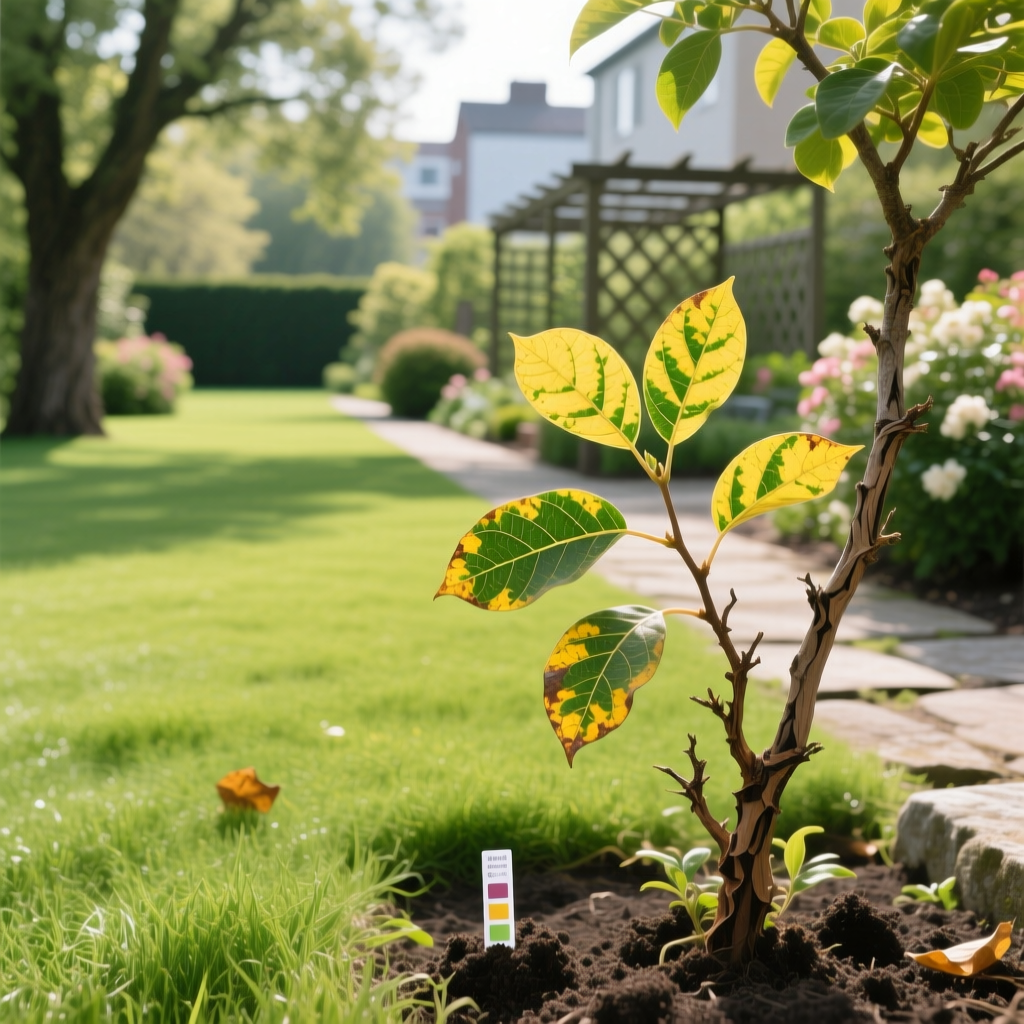
How to Identify & Correct Iron Chlorosis in Trees Growing
How to Identify & Correct Iron Chlorosis in Trees Growing in Alkaline Soil
Iron chlorosis is one of the most common nutritional disorders affecting trees in landscapes across North America, particularly in regions where alkaline soil dominates. When trees cannot absorb sufficient iron from the soil, their leaves turn yellow while the veins remain green — a telltale sign that something is wrong beneath the surface. Left untreated, iron chlorosis weakens trees over time, making them more susceptible to pests, diseases, and environmental stress.
Understanding how to identify iron chlorosis correctly, distinguish it from other nutrient deficiencies, and apply the right corrective measures is essential for any homeowner or landscaping professional who wants to maintain healthy, vibrant trees. This comprehensive guide walks you through everything you need to know about iron chlorosis in alkaline soils, from early symptom recognition to long-term treatment strategies that deliver lasting results.
If you are also managing turfgrass around your trees, be sure to explore our soil testing basics guide to understand how pH levels affect your entire landscape.
Understanding Iron Chlorosis: What Causes Yellowing Leaves in Alkaline Soil
Iron chlorosis, sometimes called iron deficiency chlorosis or lime-induced chlorosis, occurs when a tree cannot take up enough iron to produce chlorophyll — the green pigment responsible for photosynthesis. However, the problem is rarely a true lack of iron in the soil. In most cases, plenty of iron exists in the ground, but it is locked up in a chemical form that tree roots simply cannot absorb.
The primary culprit is high soil pH. When soil pH rises above 7.0, iron becomes increasingly insoluble and unavailable to plant roots. In alkaline soils — which are prevalent throughout the western United States, parts of the Midwest, and many other regions worldwide — pH levels frequently range from 7.5 to 8.5 or even higher. At these elevated pH levels, iron converts to ferric oxide, a form that roots cannot utilize regardless of how much is present in the soil profile.
Several additional factors compound the problem in alkaline conditions:
- Excess calcium carbonate: Calcareous soils contain high levels of lime, which binds iron and other micronutrients into unavailable forms.
- Compacted soil: Poor soil structure restricts root growth and limits the root zone's ability to explore new soil volumes for nutrients.
- Over-irrigation or poor drainage: Waterlogged soils reduce oxygen availability to roots, impairing their nutrient uptake capacity.
- High phosphorus levels: Excessive phosphorus can interfere with iron absorption, creating a secondary deficiency even when iron is marginally available.
- Cool soil temperatures in spring: Cold soils slow root activity, making early-season chlorosis more pronounced before warming weather stimulates root growth.
Certain tree species are far more susceptible to iron chlorosis than others. Pin oaks, silver maples, river birches, sweetgums, and many fruit trees — including apple, pear, and peach — are notoriously sensitive to iron deficiency in high-pH soils. In contrast, species like bur oaks, honeylocust, and junipers tend to tolerate alkaline conditions much better. Choosing the right tree species for your soil type is one of the most effective long-term prevention strategies. Our tree selection guide offers more advice on matching species to site conditions.
How to Identify Iron Chlorosis: Recognizing the Symptoms Correctly
Accurate identification is the critical first step before applying any treatment. Iron chlorosis produces a distinctive pattern of symptoms, but it can be confused with other nutrient deficiencies, disease issues, or environmental stressors. Knowing exactly what to look for will save you time, money, and frustration.
Classic Symptoms of Iron Chlorosis
The hallmark symptom of iron chlorosis is interveinal chlorosis — yellowing of the leaf tissue between the veins while the veins themselves remain green. This creates a striking net-like pattern on affected leaves. Because iron is an immobile nutrient within the plant (meaning it cannot be relocated from older leaves to support new growth), symptoms appear first on new, young leaves at the tips of branches and the upper canopy.
As the condition progresses through the growing season, you may observe the following stages:
- Early stage: New leaves emerge pale green to yellowish-green with distinctly green veins. The overall canopy may look slightly off-color compared to healthy trees nearby.
- Moderate stage: Leaves become increasingly yellow, sometimes nearly white. Brown or necrotic spots may begin appearing along leaf margins and between veins as tissue dies from lack of chlorophyll production.
- Severe stage: Leaves turn almost entirely white, develop extensive brown necrotic areas, become stunted or curled, and may drop prematurely. Branch dieback begins at the tips and progresses inward. Over multiple seasons, entire limbs or sections of the canopy may die.
Distinguishing Iron Chlorosis from Other Deficiencies
Manganese deficiency produces symptoms that look remarkably similar to iron chlorosis — interveinal yellowing on newer leaves. However, manganese-deficient leaves often retain a slightly greener cast overall, and the contrast between veins and interveinal tissue is less dramatic. A soil test or foliar tissue analysis is often the only way to distinguish between the two with certainty.
Nitrogen deficiency, by contrast, causes uniform yellowing across the entire leaf — veins and all — and appears first on older, lower leaves because nitrogen is mobile within the plant. Magnesium deficiency also affects older leaves first and produces interveinal chlorosis, but it typically includes a characteristic reddish or purplish tint. Understanding these differences is crucial because applying the wrong treatment wastes resources and delays recovery. For more on managing tree nutrition, visit our complete tree fertilization guide.
Diagnostic Tools and Techniques
Before treating iron chlorosis, confirm your diagnosis with one or more of these methods:
- Soil pH test: A basic soil test revealing pH above 7.0 strongly supports a diagnosis of iron chlorosis, especially in susceptible species. You can learn more about proper testing techniques in our soil pH testing guide.
- Foliar tissue analysis: Sending leaf samples to a laboratory can confirm whether iron levels in the foliage are actually deficient compared to established norms for that species.
- Iron sulfate leaf spray test: Dissolve a small amount of iron sulfate (ferrous sulfate) in water and spray it directly onto a few affected leaves. If iron is truly the deficient nutrient, those treated leaves should show visible re-greening within 24 to 48 hours, while untreated leaves remain chlorotic.
- Pattern observation: Iron chlorosis often affects individual trees or even single branches rather than an entire planting uniformly. This patchy pattern helps differentiate it from environmental or herbicide-related damage.
Treatment Methods: How to Correct Iron Chlorosis in Alkaline Soil
Once you have confirmed iron chlorosis, the next step is selecting the most appropriate treatment strategy. There is no single cure-all — the best approach depends on the severity of the problem, the tree species, the soil conditions, your budget, and how quickly you need results. In most cases, a combination of short-term and long-term strategies produces the best outcomes.
Soil-Applied Iron Chelates
Iron chelates are synthetic organic compounds that hold iron in a form that remains available to plant roots even at high pH levels. They are widely considered the most effective soil-applied treatment for iron chlorosis in alkaline conditions. However, not all chelates perform equally across the pH spectrum:
- Fe-EDDHA (ethylene diamine di-hydroxyphenyl acetic acid): This is the gold standard for alkaline soils. Fe-EDDHA remains stable and effective at pH levels up to 9.0, making it the best choice for severely alkaline conditions. Products containing the ortho-ortho isomer of EDDHA offer the highest stability.
- Fe-DTPA (diethylene triamine pentaacetic acid): Effective at pH levels up to about 7.5. Beyond that threshold, DTPA begins to lose its grip on the iron molecule, reducing effectiveness.
- Fe-EDTA (ethylene diamine tetraacetic acid): Only effective at pH levels below 6.5 to 7.0. In alkaline soils, EDTA chelates break down rapidly, releasing iron that immediately becomes unavailable again.
Apply soil-applied chelates in early spring before or during bud break for the best results. Dissolve the recommended rate in water and apply it as a soil drench around the tree's drip line, where feeder roots are most concentrated. Water the area thoroughly afterward to move the chelate into the root zone. Expect to see improvement within two to four weeks, with full results visible by mid-summer.
One important caveat: soil-applied chelates are relatively expensive and typically need reapplication every one to two years, depending on soil conditions and rainfall. They are a treatment, not a permanent cure.
Trunk Injections and Implants
For large, severely chlorotic trees where soil applications are impractical or insufficient, trunk injection offers a direct delivery method that bypasses the soil entirely. Professional arborists drill small holes into the tree's trunk and insert capsules or use pressurized systems to deliver iron compounds — typically ferric ammonium citrate or iron chelates — directly into the xylem, where they are carried upward to the canopy.
Trunk injections provide rapid results, often within one to three weeks, and the treatment can remain effective for two to three years. However, this method does create wounds in the trunk, and repeated injections over many years can accumulate damage and create entry points for decay organisms. For this reason, trunk injections are best reserved for high-value landscape trees that need immediate intervention, and they should always be performed by trained professionals.
Foliar Sprays
Spraying a dilute iron solution directly onto affected leaves can provide quick, visible re-greening — often within days. Ferrous sulfate dissolved at a rate of approximately one to two tablespoons per gallon of water, with a few drops of mild liquid soap added as a surfactant, makes an effective foliar spray. Apply in the early morning or late evening to avoid leaf burn from midday sun.
While foliar sprays are inexpensive and fast-acting, they have significant limitations. Only the leaves that receive the spray benefit, and new leaves that emerge after application will still be chlorotic. The effect is purely cosmetic and temporary, lasting only for the current season's treated foliage. Foliar sprays are best used as a supplemental measure alongside longer-term soil or trunk treatments rather than as a standalone solution.
Soil Acidification and Long-Term Amendments
Lowering soil pH is the most permanent approach to solving iron chlorosis, but it is also the most challenging, especially in calcareous soils with high levels of free calcium carbonate. In soils where the high pH is driven primarily by sodium or magnesium rather than calcium, elemental sulfur applications can effectively reduce pH over time. Soil bacteria convert elemental sulfur to sulfuric acid, gradually lowering pH and freeing up iron.
Application rates for elemental sulfur vary widely depending on soil texture, current pH, buffer pH, and the target pH. Sandy soils require less sulfur than clay soils to achieve the same pH change. As a general guideline, applying one to two pounds of elemental sulfur per 100 square feet and incorporating it into the top six inches of soil can lower pH by approximately one unit over the course of several months to a year.
In heavily calcareous soils, however, sulfur applications are often overwhelmed by the soil's natural buffering capacity. The calcium carbonate neutralizes the sulfuric acid almost as quickly as it forms, making sustained pH reduction extremely difficult and expensive. In these situations, relying on iron chelates and selecting iron-efficient tree species is more practical. Maintaining proper soil health with organic matter also helps — our composting guide explains how organic amendments benefit soil structure and nutrient availability.
Improving Root Zone Conditions
Sometimes, iron chlorosis is worsened by poor root zone conditions rather than soil chemistry alone. Addressing these underlying issues can significantly improve a tree's ability to access available iron:
- Reduce compaction: Aerating compacted soil around the tree's drip line using an air spade or careful mechanical aeration improves oxygen availability to roots, enhancing nutrient uptake.
- Improve drainage: If water pools around the tree after rain or irrigation, installing French drains or regrading the area can prevent waterlogged conditions that suffocate roots.
- Add organic mulch: Applying a two-to-four-inch layer of organic mulch — wood chips, shredded bark, or leaf mold — over the root zone moderates soil temperature, conserves moisture, and gradually adds organic matter as it decomposes. Keep mulch away from the trunk to prevent rot. Learn more in our tree mulching guide.
- Avoid over-fertilizing with phosphorus: High-phosphorus fertilizers can exacerbate iron chlorosis. Use a balanced fertilizer or one formulated for trees in alkaline soils that includes micronutrients.
- Water appropriately: Deep, infrequent watering encourages deep root growth and avoids the saturated conditions that impair iron uptake. Check out our deep watering techniques guide for best practices.
Prevention Strategies: Keeping Trees Healthy in Alkaline Soils
Preventing iron chlorosis is always easier and less expensive than treating it after symptoms appear. If you are planting new trees or managing an existing landscape in an area with alkaline soil, proactive measures can save years of frustration.
Select Iron-Efficient Tree Species
The single most impactful prevention strategy is choosing tree species and cultivars that are naturally adapted to alkaline soils. These trees have evolved mechanisms — such as more efficient root exudates or superior iron transport systems — that allow them to thrive even when soil iron availability is limited. Excellent choices for alkaline soils include:
- Bur oak (Quercus macrocarpa)
- Chinkapin oak (Quercus muehlenbergii)
- Shumard oak (Quercus shumardii)
- Northern hackberry (Celtis occidentalis)
- Thornless honeylocust (Gleditsia triacanthos var. inermis)
- Eastern redcedar (Juniperus virginiana)
- Lacebark elm (Ulmus parvifolia)
- Ginkgo (Ginkgo biloba)
- Kentucky coffeetree (Gymnocladus dioicus)
If you have your heart set on a susceptible species like a pin oak or silver maple, plan from the start to implement ongoing chelate treatments and soil management practices. Visit our best trees for alkaline soil guide for an expanded list of recommendations.
Prepare the Planting Site Properly
When planting in alkaline soil, take extra steps during installation to give your tree the best possible start:
- Dig a wide, shallow planting hole: The hole should be two to three times wider than the root ball but no deeper. This encourages lateral root spread into the surrounding soil.
- Amend the backfill moderately: Mix some compost or peat moss into the backfill soil to improve structure and add organic matter. However, avoid creating a "pot effect" by amending only the planting hole — roots need to transition into the native soil.
- Apply chelated iron at planting: Incorporating Fe-EDDHA into the backfill soil at planting time gives the tree an immediate iron source while it establishes.
- Mulch generously: A wide ring of organic mulch extending to the drip line and beyond protects roots, conserves moisture, and gradually acidifies the immediate root zone as it breaks down.
Seasonal Care Tips for Trees Prone to Iron Chlorosis
Trees in alkaline soils require attentive seasonal management to minimize chlorosis flare-ups and maintain overall vigor throughout the year.
Spring: This is the most critical season for iron chlorosis management. Apply soil-applied iron chelates (Fe-EDDHA) as soon as the ground thaws and before bud break. Monitor new leaf emergence closely — if leaves open yellow, your treatment may need a supplemental boost. Avoid heavy nitrogen fertilization in spring, as rapid, lush growth can dilute the available iron supply and worsen chlorosis symptoms. If you are also managing spring lawn care around your trees, our spring lawn care checklist can help you coordinate landscape-wide maintenance.
Summer: Heat stress and drought amplify iron chlorosis symptoms. Ensure trees receive adequate deep watering during dry periods — approximately one inch of water per week, applied slowly to penetrate deeply into the root zone. Foliar sprays can provide a quick cosmetic fix for high-visibility trees during summer events or gatherings. Watch for secondary pest issues like borers and spider mites, which are more likely to attack chlorotic, stressed trees. Our summer tree watering guide provides additional detail.
Fall: Fall is an excellent time to apply elemental sulfur for long-term pH reduction, as it will have months to work before the next growing season. Continue watering trees through autumn until the ground freezes, especially evergreens and newly planted trees. Rake and remove fallen leaves from chlorotic trees, as they may harbor fungal pathogens that exploit weakened trees. Consider a fall application of compost around the drip line to build organic matter over winter.
Winter: Use the dormant season to plan your treatment strategy for the coming year. Order iron chelates and soil amendments so they arrive before spring. If trunk injections are part of your plan, schedule them with a certified arborist during late winter or early spring. Prune any dead or dieback-affected branches during dormancy to improve tree structure and reduce disease entry points. For pruning best practices, see our tree pruning for health guide.
Common Diseases and Complications Associated with Iron Chlorosis
Iron chlorosis does not merely produce unsightly yellow leaves — it weakens the tree's entire physiological system, making it vulnerable to a range of secondary problems. Understanding these complications underscores why timely treatment is so important.
Borer infestations: Wood-boring insects, including flatheaded borers, roundheaded borers, and clearwing moths, preferentially attack stressed trees. Chlorotic trees with reduced vigor produce fewer defensive chemicals, making them easy targets. Once borers tunnel beneath the bark, they disrupt the tree's vascular system, compounding the original iron deficiency with physical damage to the transport tissues. Maintaining tree vigor through proper iron management is the best defense against borers.
Fungal cankers and dieback diseases: Fungi such as Botryosphaeria, Nectria, and various Cytospora species cause canker diseases that girdle branches and trunks. These pathogens are opportunistic, invading through wounds or natural openings on trees that lack the energy reserves to mount effective chemical defenses. Chlorotic trees, with their reduced photosynthetic capacity, are prime candidates. Prune out cankered branches promptly and disinfect tools between cuts to prevent spread.
Root rot: Paradoxically, the same poor drainage conditions that can worsen iron chlorosis also promote root rot pathogens like Phytophthora and Armillaria. A tree suffering from both iron deficiency and root rot faces a devastating double assault. Improving drainage and avoiding over-irrigation addresses both problems simultaneously.
Winter injury: Chlorotic trees enter winter with reduced carbohydrate reserves, making them more susceptible to cold damage, frost cracking, and desiccation injury. Ensuring trees are healthy going into fall — through proper iron treatment, adequate watering, and avoiding late-season nitrogen fertilization — helps them harden off properly and survive winter in better condition.
Decline syndrome: When iron chlorosis persists untreated for multiple years, trees enter a spiral of decline. Each successive season produces less foliage, less photosynthetic energy, and less root growth. The tree becomes progressively weaker, more susceptible to every stressor it encounters, and eventually may die entirely. This decline syndrome is far more costly to address — or replace — than treating iron chlorosis early. For more on recognizing tree health problems, visit our common tree diseases guide.
Frequently Asked Questions About Iron Chlorosis in Alkaline Soil
Can I permanently fix iron chlorosis, or will I need to treat my trees every year?
In most alkaline soils, iron chlorosis is a chronic condition that requires ongoing management rather than a one-time fix. Soil-applied iron chelates like Fe-EDDHA typically need reapplication every one to two years. Trunk injections may last two to three years. The only truly permanent solution is either lowering the soil pH significantly — which is extremely difficult in calcareous soils — or replacing susceptible trees with species that are naturally adapted to alkaline conditions. Consider the ongoing cost of treatment when deciding whether to keep a chlorotic tree or replace it with a better-suited species.
How long does it take for a chlorotic tree to recover after treatment?
Recovery time depends on the treatment method and the severity of the chlorosis. Foliar sprays can show results in as little as two to five days, but only on treated leaves. Trunk injections typically produce visible re-greening within one to three weeks. Soil-applied chelates take longer to work — usually two to six weeks — because the iron must be absorbed by roots and transported to the canopy. Severely affected trees with significant branch dieback may take one to two full growing seasons to fully recover, even with proper treatment. Patience and consistent follow-up care are essential.
Will adding iron nails or iron filings to the soil help treat chlorosis?
No. This is a common gardening myth. Iron nails and filings are made of metallic iron (zero-valent iron), which rapidly oxidizes in soil to form ferric oxide — the same unavailable form of iron that causes chlorosis in the first place. The tree cannot absorb iron in this form, regardless of how much you add to the soil. Only iron in the ferrous (Fe²⁺) form or iron held in a stable chelate can be absorbed by tree roots. Save your nails for the toolbox and invest in proven treatments like Fe-EDDHA chelates or professional trunk injections instead.
Does iron chlorosis affect the lawn or other plants growing near the tree?
Iron chlorosis can affect any plant growing in alkaline soil, but different plants have different sensitivities. Turfgrass is generally less susceptible to iron chlorosis than trees because grasses have more efficient iron uptake mechanisms, including the ability to secrete phytosiderophores that chelate iron at the root surface. However, lawns in highly alkaline soils can still develop mild chlorosis, especially during cool, wet spring weather. If your lawn shows yellowing, our lawn iron deficiency guide covers treatment options specifically for turfgrass. Ornamental shrubs like azaleas, rhododendrons, and hydrangeas are also highly susceptible to iron chlorosis in alkaline soils.
Is it worth treating a severely chlorotic tree, or should I just remove and replace it?
This decision depends on several factors: the tree's size, location, species, overall structural condition, and sentimental or property value. Large, mature shade trees that are structurally sound and located where they provide significant cooling or aesthetic benefits are usually worth treating, even if the treatment must be repeated. The cost of professional trunk injection or annual chelate application is typically far less than the cost of removing a large tree, grinding the stump, and planting and establishing a replacement — not to mention the decades of lost shade and canopy coverage. However, if the tree is small, already has extensive dieback affecting more than one-third of the canopy, has structural defects, or is a species that will always struggle in your soil, removal and replacement with an alkaline-tolerant species may be the smarter long-term investment. Consult with a certified arborist to evaluate your specific situation and get a professional recommendation.
Managing iron chlorosis in alkaline soils requires knowledge, patience, and a willingness to invest in consistent care. By correctly identifying the problem early, choosing the right treatment approach, and implementing preventive strategies for new plantings, you can keep your trees healthy, green, and thriving for decades to come. For more expert guidance on maintaining a beautiful landscape, explore our complete library of tree care resources and lawn care guides.