Home & Garden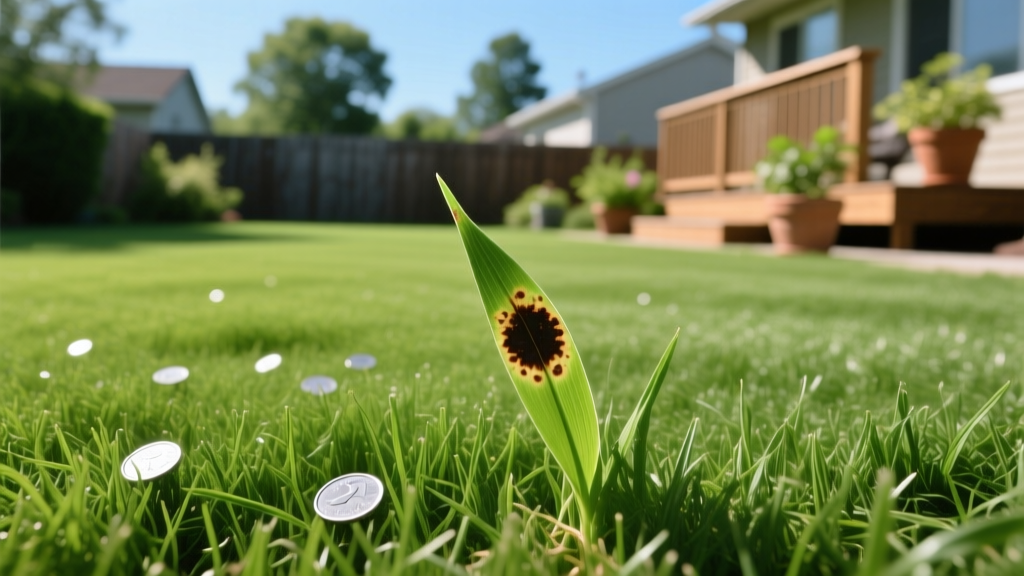
How to Identify and Treat Common Summer Lawn Fungi
David ParkPublished
The Intersection of Lawn Health and Outdoor Living
Your lawn is more than just a patch of grass; it is the foundational carpet of your outdoor living space. When you invest in high-end patio furniture, build a pergola for garden-to-table dining, or install smart landscape lighting, the last thing you want is for the surrounding turf to succumb to unsightly diseases. A diseased lawn not only ruins the aesthetic appeal of your backyard oasis but can also harbor pathogens that spread to your ornamental garden beds and edible crops. Summer brings intense heat and high humidity, creating the perfect breeding ground for turfgrass pathogens. Identifying and treating these fungi quickly is essential to maintaining a seamless, beautiful transition between your home's interior and exterior living spaces.
Identifying the Culprits: Brown Patch and Dollar Spot
Before you can treat a lawn disease, you must accurately identify it. Misdiagnosis often leads to the application of the wrong fungicides, wasting money and allowing the disease to spread. The two most common and destructive summer lawn fungi are Brown Patch and Dollar Spot. Both thrive in warm, humid conditions, but they present differently and require slightly different management strategies.
Brown Patch (Rhizoctonia solani)
According to turf pathology experts at NC State University's TurfFiles, Brown Patch is one of the most destructive diseases of cool-season turfgrasses, particularly Tall Fescue and Perennial Ryegrass. It thrives when daytime temperatures exceed 85°F and nighttime temperatures stay above 70°F, accompanied by high humidity.
Visual Identification: Brown Patch appears as circular, irregular patches of light brown or tan grass ranging from 6 inches to several feet in diameter. In the early morning, when dew is present, you may notice a dark, purplish 'smoke ring' on the outer margin of the patch. Individual grass blades will show irregular tan lesions with distinct dark brown borders.
Dollar Spot (Clarireedia jacksonii)
Dollar Spot affects a wide variety of grasses, including Kentucky Bluegrass, Bermudagrass, and Zoysia. Research from the University of Massachusetts Amherst Extension indicates that Dollar Spot favors slightly cooler temperatures than Brown Patch (70°F to 85°F) but requires high moisture and low nitrogen levels in the soil to become severe.
Visual Identification: As the name suggests, Dollar Spot initially appears as small, sunken, straw-colored circles roughly the size of a silver dollar (1 to 3 inches). These spots can coalesce into large, irregular blighted areas if left untreated. The hallmark sign is the presence of white, cobweb-like mycelium on the grass blades during the early morning dew. Upon closer inspection, the leaves exhibit hourglass-shaped bands with purplish-brown margins.
Disease Comparison Chart
Use the following table to quickly differentiate between these two common summer lawn diseases in the field.
| Feature | Brown Patch | Dollar Spot |
|---|---|---|
| Pathogen | Rhizoctonia solani | Clarireedia jacksonii |
| Patch Size | 6 inches to several feet | 1 to 3 inches (silver dollar) |
| Primary Grass Targets | Tall Fescue, Ryegrass, Bentgrass | Kentucky Bluegrass, Fescue, Bermudagrass |
| Key Visual Indicator | Dark smoke rings on margins | Cobweb-like mycelium in morning dew |
| Leaf Lesions | Irregular tan lesions with dark borders | Hourglass-shaped bands with purplish margins |
| Soil Nitrogen Preference | Thrives in high nitrogen environments | Thrives in low nitrogen environments |
Actionable Treatment Protocols
Effective disease management requires a two-pronged approach: cultural controls to alter the environment and chemical controls to eradicate the pathogen.
Cultural Controls and Smart Irrigation
Fungi require extended periods of leaf wetness (often 10 to 12 hours) to germinate and infect grass blades. Therefore, managing moisture is your most powerful cultural tool. Always water your lawn deeply and infrequently, ideally between 4:00 AM and 6:00 AM. This allows the grass blades to dry quickly once the sun rises.
To optimize this, integrate smart home technology into your landscaping. The EPA WaterSense program highly recommends using smart irrigation controllers that adjust watering schedules based on local weather data and soil moisture levels. By preventing overwatering and automatically skipping irrigation cycles after heavy rainfall, smart controllers significantly reduce the leaf wetness duration that fungi need to thrive.
Additionally, maintain proper mowing heights. Never remove more than one-third of the grass blade in a single mowing, and ensure your mower blades are razor-sharp. Dull blades tear the grass, creating jagged wounds that serve as direct entry points for fungal spores.
Targeted Fungicide Applications
When cultural controls are not enough, or when an outbreak is actively destroying your outdoor living space, chemical intervention is necessary. For the best results, apply fungicides preventatively in late spring before the summer heat sets in, or curatively at the very first sign of disease.
Proper irrigation timing and smart home integration are your first lines of defense against fungal pathogens. Fungi require extended periods of leaf wetness to infect; removing this moisture starves the disease.
To prevent the fungi from developing chemical resistance, you must rotate fungicides with different FRAC (Fungicide Resistance Action Committee) codes. Here is a professional-grade rotation schedule:
- Group 11 (QoI): Azoxystrobin (e.g., Heritage SC). Apply at a rate of 2 to 4 ounces per 1,000 square feet. Excellent for preventative Brown Patch control.
- Group 3 (DMI): Propiconazole (e.g., Banner MAXX). Apply at 1 to 2 ounces per 1,000 square feet. This is a systemic fungicide that offers strong curative action against Dollar Spot.
- Group 7 (SDHI): Fluxapyroxad (e.g., Xzemplar). Use as a rotational partner to protect against resistance buildup in both diseases.
Always apply liquid fungicides using a backpack sprayer calibrated to deliver 1 to 2 gallons of water per 1,000 square feet to ensure thorough coverage of the grass blades and the thatch layer.
Protecting Your Garden-to-Table Ecosystem
When treating the lawn surrounding your outdoor dining area or vegetable garden, you must be hyper-aware of chemical drift. Synthetic fungicides like Propiconazole should never be applied directly to edible crops or allowed to runoff into garden beds where you are growing tomatoes, herbs, or leafy greens.
To protect your garden-to-table ecosystem, establish a 3-foot buffer zone between your turfgrass and your edible garden beds. Within this buffer zone and directly inside the vegetable garden, rely on biological fungicides. Products containing Bacillus subtilis (such as Serenade Garden) are highly effective at outcompeting fungal pathogens for space and nutrients on the leaf surface. These biological controls are safe for use around edibles, beneficial pollinators, and your family, ensuring that your outdoor living space remains both beautiful and safe for harvesting fresh summer meals.
Conclusion
Maintaining a pristine lawn is critical for maximizing the enjoyment and value of your outdoor living spaces. By learning to accurately identify Brown Patch and Dollar Spot, leveraging smart irrigation technology to manage moisture, and applying targeted, rotational fungicide treatments, you can keep your turf lush and green all summer long. Protect your investment, safeguard your garden beds, and ensure your backyard remains the ultimate destination for outdoor entertaining.
