
Tree Care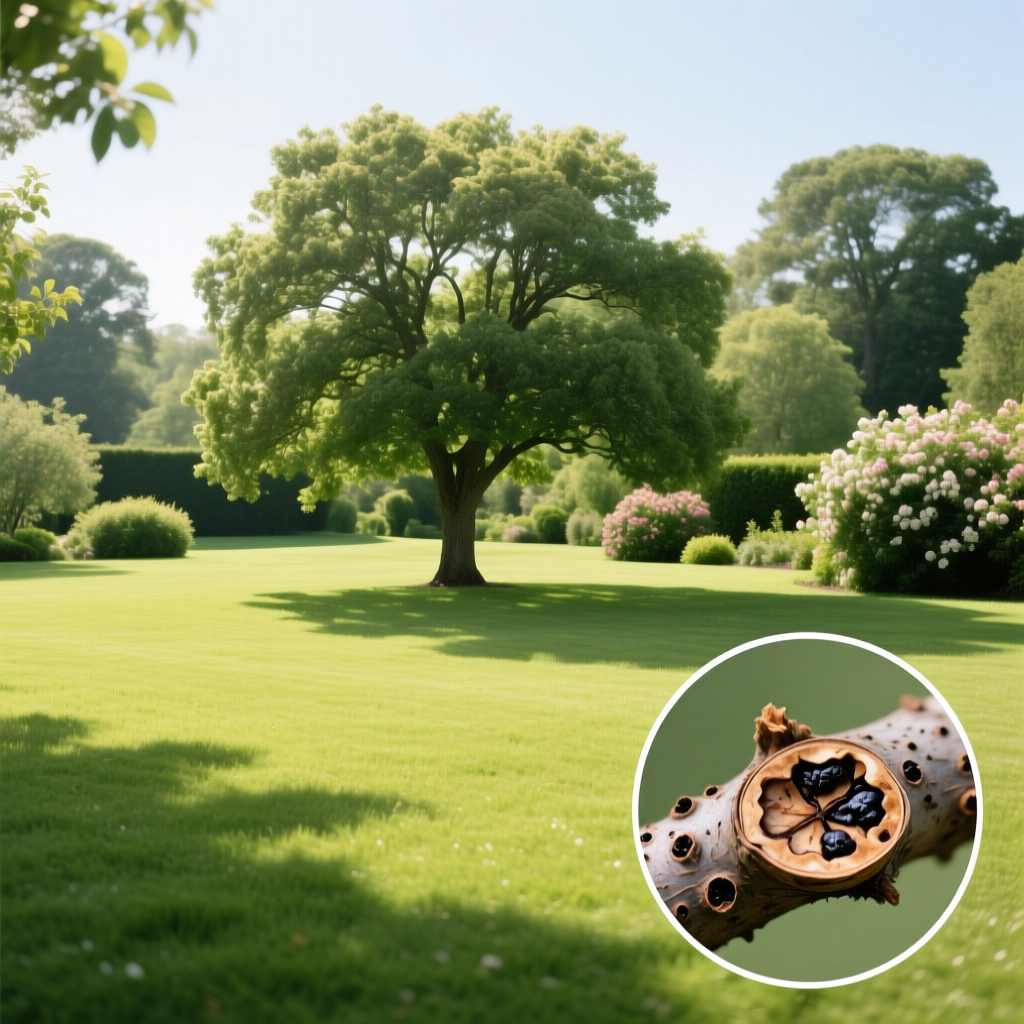
How to Identify and Treat Thousand Cankers Disease in Walnut Trees
Anna KowalskiPublished
Walnut trees (Juglans species) are majestic additions to any landscape, prized for their valuable timber, delicious nuts, and the beautiful, dappled shade they provide. However, these magnificent trees face a severe and often fatal threat known as Thousand Cankers Disease (TCD). First observed in the western United States and gradually spreading eastward, TCD has devastated native black walnut populations and poses a significant risk to English walnuts and other related species. For homeowners, arborists, and land managers, understanding how to identify & treat Thousand Cankers Disease in walnut trees is critical for preserving these iconic specimens.
Thousand Cankers Disease is not caused by a single pathogen but rather by a complex, symbiotic relationship between a tiny insect and a destructive fungus. When left unchecked, the disease girdles branches and trunks, effectively starving the tree and leading to rapid decline. In this comprehensive guide, we will explore the biology of TCD, detail the symptoms to watch for, and outline the best cultural, mechanical, and seasonal tree care practices to protect your walnuts. For more general information on protecting your landscape, you can also explore our guide to common tree diseases and treatments.
Understanding the Biology of Thousand Cankers Disease
To effectively manage Thousand Cankers Disease, it is essential to understand the two primary culprits behind the infection: the walnut twig beetle (Pityophthorus juglandis) and the fungal pathogen Geosmithia morbida. The walnut twig beetle is a minuscule, dark brown insect, barely the size of a grain of rice. Historically, this beetle fed on the smaller twigs of walnut trees, causing negligible damage. However, when paired with the Geosmithia morbida fungus, the beetle transforms from a minor nuisance into a deadly vector.
The lifecycle of the disease begins when the adult walnut twig beetle bores through the outer bark of the walnut tree to create a gallery where it will mate and lay eggs. As the beetle chews through the bark, it introduces the fungal spores it carries on its body into the tree's phloem—the vital inner bark layer responsible for transporting nutrients. The fungus rapidly colonizes the surrounding tissue, causing localized cell death and forming a dark, sunken lesion known as a canker.
While a single canker might not harm a large tree, the beetles attack in massive numbers. Over successive generations, thousands of these tiny cankers form and coalesce. Eventually, the overlapping cankers girdle the branches and the main trunk, completely severing the flow of water and nutrients between the roots and the canopy. This synergistic relationship between the beetle & the fungus is what makes TCD so incredibly lethal, often killing mature trees within two to three years of the initial infestation.
How to Identify the Symptoms of TCD
Early detection is the most critical factor in managing Thousand Cankers Disease. Because the beetles are so small and the initial cankers are hidden beneath the bark, above-ground canopy symptoms are usually the first visible indicators of an infestation. Unfortunately, by the time canopy symptoms appear, the disease is often well-established. Regular, proactive inspections are vital for any property with walnut trees.
The earliest visible sign of TCD is typically the yellowing and wilting of leaves on individual branches, a phenomenon known as "flagging." This dieback usually begins in the upper crown of the tree and progressively moves downward. As branches die, the tree may attempt to compensate by producing epicormic shoots—small, bushy clusters of new growth emerging directly from the trunk or larger limbs. While this might look like a sign of vitality, it is actually a desperate stress response by the dying tree.
To confirm a TCD diagnosis, you must examine the bark of the affected branches and trunk. Look for the following specific indicators:
- Tiny Exit Holes: Inspect the bark for minuscule, pin-sized holes created by emerging adult beetles. These are often accompanied by small mounds of sawdust-like frass.
- Bark Scaling and Cracking: As the cankers expand beneath the surface, the outer bark may crack, split, or flake off, revealing dark, discolored tissue underneath.
- Dark Cankers: If you carefully peel back the outer bark on a dying branch, you will find numerous dark brown to black, oval-shaped cankers in the phloem. In advanced stages, these cankers merge into large, continuous bands of dead tissue.
- Staining: The wood immediately beneath the cankers often exhibits dark brown or reddish-brown staining, a hallmark of the fungal infection.
It is important to differentiate TCD from other common issues, such as drought stress, root rot, or walnut anthracnose. If you are unsure about the health of your tree's soil and root zone, reviewing our article on soil testing and amendments can help rule out nutritional deficiencies or compaction issues that mimic disease symptoms.
Essential Walnut Tree Care Requirements for Resistance
While there is currently no silver bullet cure for Thousand Cankers Disease, maintaining the overall vigor of your walnut trees is the best defensive strategy. A healthy, vigorously growing tree can compartmentalize fungal infections more effectively and produce sap flows that can physically drown or repel attacking beetles. Implementing a robust tree care regimen focused on soil health, hydration, and root protection is paramount.
Watering is perhaps the most critical cultural practice for walnut trees, especially during periods of summer drought. Walnuts require deep, infrequent watering that penetrates the top 12 to 18 inches of soil, where the majority of the feeder roots reside. Shallow, frequent sprinkling encourages weak surface roots and does little to alleviate deep soil moisture deficits. Use a soaker hose or a slow-drip irrigation system placed at the tree's drip line to ensure water reaches the critical root zone without waterlogging the trunk base.
Mulching is another essential practice that conserves soil moisture, regulates soil temperature, and prevents mechanical damage from lawnmowers and string trimmers. Wounds at the base of the trunk create stress and provide alternative entry points for secondary pests and pathogens. Apply a 2- to 4-inch layer of organic wood chips or shredded bark in a wide ring around the tree, extending out to the drip line if possible. Be sure to keep the mulch a few inches away from the trunk itself to prevent "mulch volcanoes," which can lead to trunk rot. For a detailed breakdown of proper mulching techniques, check out our guide on mulching basics for tree health.
Finally, avoid excessive nitrogen fertilization. While nitrogen promotes rapid, lush canopy growth, it also results in softer, more succulent tissue that is highly attractive to the walnut twig beetle. Instead, rely on comprehensive soil tests to address specific phosphorus, potassium, or micronutrient deficiencies, ensuring the tree builds strong, resilient cellular walls capable of withstanding beetle boring attempts.
Pruning, Sanitation, and Wood Disposal Practices
When dealing with Thousand Cankers Disease, pruning serves a dual purpose: it removes heavily infested, dead wood to improve the tree's appearance, and it acts as a vital sanitation measure to reduce local beetle populations. However, improper pruning can inadvertently spread the disease or stress the tree further, making it more susceptible to future attacks. Timing, technique, and tool sanitation are absolutely critical.
Pruning should ideally be performed during the late fall or winter months when the walnut twig beetles are least active and the tree is fully dormant. Pruning during the spring and summer months can attract beetles to the fresh pruning wounds, as the trees release volatile organic compounds (stress pheromones) that the insects use to locate new hosts. When removing dead or flagging branches, make clean cuts just outside the branch collar to promote rapid compartmentalization and healing. To learn more about making the correct cuts, refer to our tutorial on pruning techniques for healthy trees.
Tool sanitation cannot be overstated. The Geosmithia morbida fungus can easily be transmitted from an infected tree to a healthy one via contaminated pruning saws and loppers. Before moving from one tree to the next, and especially after cutting known infected wood, sterilize your tools thoroughly. A solution of 70% isopropyl alcohol or a 10% bleach solution (one part bleach to nine parts water) is highly effective. Wipe or soak the blades for at least 30 seconds, then dry them to prevent rusting.
The disposal of infected walnut wood is a major factor in the regional spread of TCD. The walnut twig beetle can survive and breed inside cut logs and firewood for months. Never transport walnut firewood or logs from an infected area to a new location, as this is the primary way the disease spreads across state lines and into new, uninfected territories. If you must dispose of TCD-infected wood on your property, it must be chipped into pieces no larger than one inch in diameter, which destroys the beetle galleries. Alternatively, the wood can be burned immediately or buried deeply under at least 18 inches of soil. Solarization—covering stacked wood with clear, heavy-duty plastic sheeting for several months during the hot summer—can also effectively cook and kill the beetles and fungus inside the logs.
Seasonal Monitoring and Prevention Tips
Managing Thousand Cankers Disease requires a year-round commitment to observation and landscape maintenance. By aligning your tree care activities with the changing seasons, you can maximize your tree's natural defenses and disrupt the lifecycle of the walnut twig beetle. Integrating these tree-specific tasks into your broader seasonal yard maintenance guide ensures that your entire landscape remains healthy and resilient.
Spring: As the canopy leafs out, begin your visual inspections. Look for branches that are delayed in breaking dormancy or exhibiting early yellowing. Spring is also the time to ensure your mulch rings are intact and that soil drainage is adequate following winter thaws. Avoid heavy pruning during this time, as the rising sap and fresh wounds will attract the first generation of emerging beetles.
Summer: This is the period of peak beetle flight and fungal expansion. Your primary focus should be on deep, consistent watering to prevent drought stress. Monitor the canopy weekly for new "flags" (wilting branches). If you spot minor, localized dieback on small outer branches, you may carefully prune them out to reduce the local beetle population, but ensure you immediately bag and dispose of the wood properly. Keep the area beneath the tree free of competing weeds and grass that steal vital soil moisture.
Fall: As the tree prepares for dormancy, continue to monitor for canopy thinning and epicormic branching on the trunk. Fall is an excellent time to apply a slow-release, balanced fertilizer if a soil test indicates a nutrient deficiency. Clean up fallen leaves and debris around the base of the tree to reduce habitats for overwintering pests and secondary fungal pathogens.
Winter: Winter is the safest and most effective time for major structural pruning and the removal of severely infected trees. With the beetles dormant and the leaves gone, the branch architecture and extent of the dieback are clearly visible. If a tree has lost more than 50% of its canopy to TCD, it is generally recommended to remove the tree entirely to protect neighboring walnuts. Ensure the stump is ground down or treated, and chip all brush on-site to prevent the beetles from emerging in the spring.
Frequently Asked Questions About TCD
Can a walnut tree survive Thousand Cankers Disease?
Survival depends heavily on the species of walnut and the stage of the disease at the time of detection. Black walnuts (Juglans nigra) are highly susceptible and typically die within two to three years after the onset of severe canopy symptoms. English walnuts (Juglans regia) and some Asian walnut species exhibit greater tolerance and may survive much longer, sometimes coexisting with the disease for years. However, without rigorous sanitation, pruning, and stress reduction, even tolerant species will eventually succumb to the overwhelming number of cankers.
Are there any chemical treatments for TCD?
Currently, there are no highly effective chemical cures for Thousand Cankers Disease once a tree is systemically infected. Fungicides are generally ineffective because the Geosmithia morbida fungus is deeply embedded within the bark and wood, shielded from topical or systemic treatments. Some systemic insecticides containing emamectin benzoate have shown limited success in reducing walnut twig beetle populations when applied as trunk injections by licensed professionals, but they must be used preventatively and are not a guaranteed cure for already declining trees.
How can I prevent the walnut twig beetle from attacking my trees?
Prevention centers around minimizing tree stress and avoiding the introduction of the pest. Never move walnut firewood, logs, or nursery stock from quarantined or known infested areas. Keep your trees vigorously growing through proper deep-watering techniques and mulching. Avoid wounding the trunk with lawnmowers or weed whackers, as stress pheromones released from wounds act as a beacon for the beetles. Maintaining a diverse landscape with various tree species also prevents the rapid spread of the beetle from one host to the next.
Should I remove a severely infected walnut tree?
Yes, if a black walnut tree has experienced extensive canopy dieback (greater than 50%) and is confirmed to have TCD, removal is usually the most responsible course of action. A dying tree acts as a massive breeding ground for the walnut twig beetle, producing thousands of new insects that will immediately attack your remaining healthy walnuts. Removal should be done during the winter dormant season, and all wood must be chipped, burned, or deeply buried on-site to prevent the beetles from escaping the cut logs.
Does TCD affect other types of trees besides walnuts?
Thousand Cankers Disease is highly specific to the genus Juglans, which includes black walnuts, English walnuts, butternuts, and Japanese walnuts. While the walnut twig beetle has occasionally been found on other hardwoods like winged elms or hackberries, it does not reproduce successfully on them, nor does the Geosmithia morbida fungus cause the devastating canker disease in non-walnut species. Therefore, your oaks, maples, and pines are safe from TCD, though they may be susceptible to other entirely different pests and diseases.

