Tree Care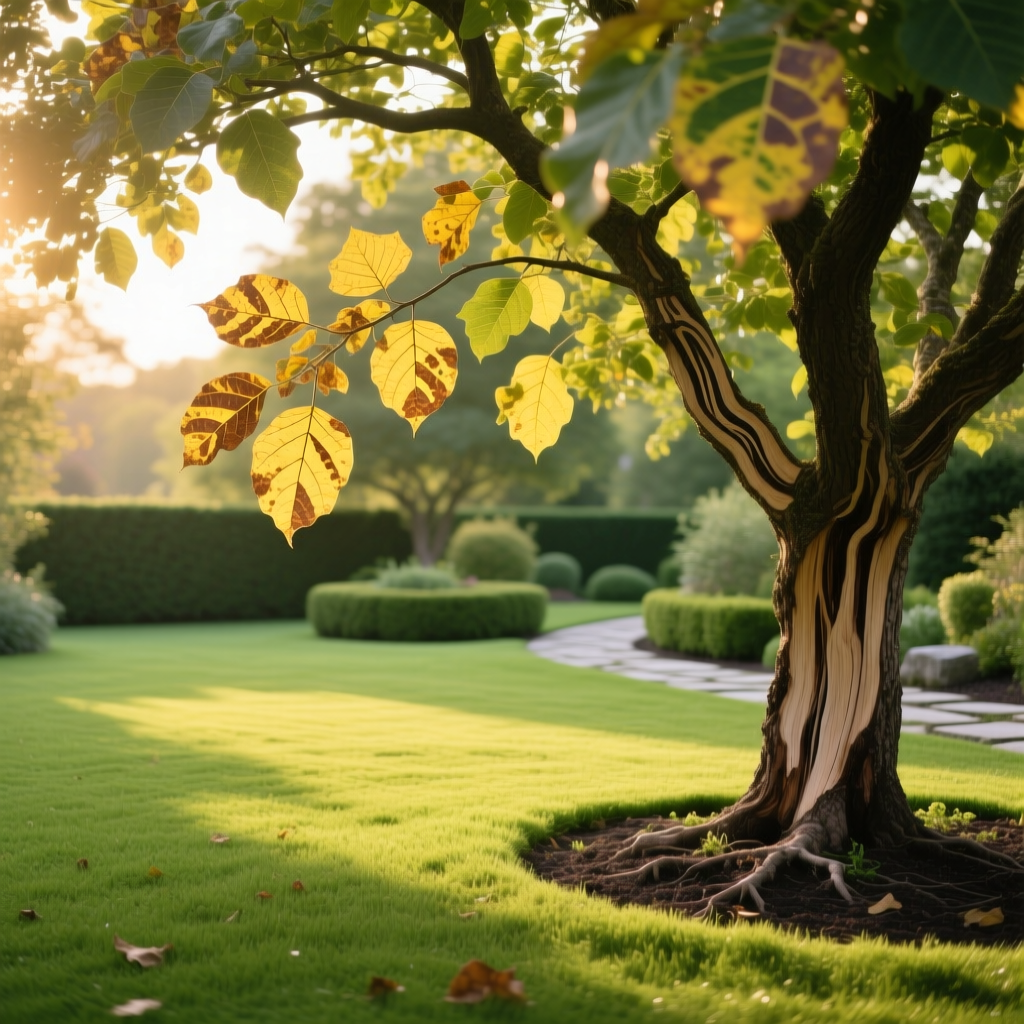
How to Identify & Treat Verticillium Wilt in Landscape Trees
Robert HayesPublished
Verticillium wilt is one of the most devastating diseases that can strike landscape trees, often appearing suddenly and causing significant damage before homeowners even realize what is happening. Caused by soil-borne fungi — primarily Verticillium dahliae and Verticillium albo-atrum — this disease invades the vascular system of trees, blocking the flow of water and nutrients from the roots to the canopy. The result is a slow, often irreversible decline that can ultimately kill affected specimens.
Understanding how to recognize the early warning signs, implement effective treatment strategies, and take preventive measures is essential for any homeowner or landscape professional who wants to protect their trees. In this comprehensive guide, we will walk you through everything you need to know about verticillium wilt, from identification and diagnosis to long-term management and prevention. For broader guidance on keeping your entire landscape healthy, explore our lawn care resources and tree care guides.
Identifying Verticillium Wilt: Symptoms, Signs, and Diagnosis
One of the greatest challenges with verticillium wilt is that its symptoms can mimic other tree problems, including drought stress, root rot, and nutrient deficiencies. Accurate identification is the critical first step toward effective management.
Early Symptoms to Watch For
Verticillium wilt typically manifests during the growing season, often appearing in midsummer when heat stress compounds the damage already being done inside the tree's vascular system. Early symptoms include:
- Leaf wilting and curling — Leaves on individual branches or one side of the tree begin to wilt, curl at the margins, and appear scorched, even when soil moisture is adequate.
- Yellowing (chlorosis) — Affected leaves turn pale green or yellow, often starting at the leaf margins and progressing inward between the veins.
- Premature leaf drop — Wilted and yellowed leaves may fall from the tree well before autumn, sometimes leaving branches partially or completely bare.
- One-sided damage — A hallmark sign of verticillium wilt is that symptoms often appear on only one side of the tree or on isolated branches, while the rest of the canopy appears healthy. This pattern is sometimes called "flagging."
- Stunted new growth — New shoots and leaves on affected branches may be smaller than normal, sparse, or fail to develop entirely.
Advanced Signs and Internal Diagnostics
As the disease progresses, the damage becomes more severe and widespread throughout the tree. Advanced signs include:
- Branch dieback — Entire branches die from the tips back toward the trunk. Over time, large portions of the canopy may be affected.
- Sapwood discoloration — This is one of the most reliable diagnostic indicators. If you peel back the bark on an affected branch or cut a cross-section, you will often see dark streaks or a ring of discolored sapwood. The discoloration typically appears olive-green, dark brown, or blackish, depending on the tree species.
- Sparse foliage and thinning canopy — Over successive seasons, the tree produces fewer and fewer leaves, and the overall canopy becomes thin and unhealthy.
- Sudden collapse — In severe cases, especially during periods of heat or drought, an entire tree may wilt and collapse rapidly, sometimes within a matter of days.
Confirming the Diagnosis
Because verticillium wilt can be confused with other issues such as common tree diseases, environmental stress, or even herbicide damage, professional confirmation is recommended. A certified arborist or plant diagnostic laboratory can culture the fungus from affected tissue or perform DNA-based testing to confirm the presence of Verticillium species.
When collecting a sample for diagnosis, select branches that show active symptoms but are not completely dead. Include both the discolored sapwood and the bark. Keep the sample cool and deliver it to the lab as quickly as possible for the most accurate results.
Tree Species Most Susceptible to Verticillium Wilt
Verticillium wilt affects hundreds of plant species, but some landscape trees are particularly vulnerable. Highly susceptible species include:
- Maple (especially Japanese maple and Norway maple)
- Elm
- Ash
- Catalpa
- Redbud
- Magnolia
- Smoke tree
- Barberry
- Lilac
If you have any of these species in your landscape, regular monitoring for symptoms is especially important. Pair this vigilance with a solid soil health management plan, as stressed trees growing in poor soil are far more likely to succumb to the disease.
Treatment and Management Strategies for Verticillium Wilt
Unfortunately, there is no cure for verticillium wilt once a tree is infected. The fungus lives within the vascular system and persists in the soil for many years, making eradication virtually impossible. However, a combination of cultural practices and proactive management can help infected trees survive longer and reduce the spread of the disease to nearby plants.
Pruning Infected Branches
Pruning is one of the most immediate actions you can take when verticillium wilt is identified. Removing affected branches serves two purposes: it improves the tree's appearance and removes sources of fungal inoculum that could spread to healthy tissue.
When pruning, follow these guidelines:
- Cut branches at least 12 to 18 inches below the visible discoloration in the sapwood to ensure you are removing infected tissue.
- Make clean cuts using sharp, well-maintained tools to promote rapid wound closure.
- Disinfect pruning tools between every cut using a solution of 10 percent bleach or 70 percent isopropyl alcohol. This step is critical to prevent spreading the fungus to healthy branches or other trees.
- Dispose of all infected wood and debris by burning or sending it to a landfill. Do not chip infected wood for use as mulch, as the fungus can survive in wood chips and spread to new areas.
For more detailed guidance on proper technique, refer to our tree pruning guide.
Improving Tree Vigor Through Cultural Practices
A tree that is otherwise healthy and vigorous has a much better chance of compartmentalizing the infection and continuing to grow despite the presence of the fungus. Key cultural practices include:
- Deep, infrequent watering — Verticillium-infected trees need consistent moisture to compensate for the impaired vascular system. Water deeply and slowly so that moisture penetrates the entire root zone. Avoid frequent, shallow watering, which encourages weak surface roots. Learn more about proper techniques in our watering guide.
- Balanced fertilization — Apply a slow-release, balanced fertilizer based on a soil test. Avoid high-nitrogen fertilizers, which promote lush, succulent growth that is more susceptible to infection. A soil test will also reveal pH imbalances and micronutrient deficiencies that may be weakening the tree. Check our tree fertilization tips for detailed advice.
- Mulching — Apply a 2- to 4-inch layer of organic mulch around the base of the tree, extending out to the drip line if possible. Mulch conserves soil moisture, moderates soil temperature, and reduces competition from grass and weeds. Keep mulch several inches away from the trunk to prevent rot and rodent damage.
- Avoiding root and trunk injury — Wounds provide entry points for the fungus. Be careful when mowing, using string trimmers, or performing construction work near infected trees. Protect the root zone from compaction by limiting foot and vehicle traffic beneath the canopy.
Fungicide Options and Their Limitations
Many homeowners ask whether fungicides can cure verticillium wilt. The honest answer is that fungicide treatments have very limited effectiveness against this disease. Because the fungus resides deep within the vascular system and the soil, surface-applied fungicides cannot reach it in sufficient concentrations.
Some arborists may recommend trunk injections of systemic fungicides such as propiconazole or thiabendazole as a suppressive measure. These treatments may slow the progression of symptoms in mildly affected trees but will not eliminate the infection. Fungicide injections are also expensive, require professional application, and must be repeated regularly. They are best viewed as a temporary measure to buy time while you plan for long-term landscape changes.
Biological control products containing beneficial fungi such as Trichoderma or mycorrhizal inoculants are sometimes marketed for verticillium wilt management. While these organisms can improve overall root health and may offer some protective benefits, research results have been mixed, and they should not be relied upon as a standalone treatment.
When to Remove an Infected Tree
In some cases, the most responsible course of action is to remove a severely infected tree. Consider removal when:
- More than 50 percent of the canopy is affected by dieback and wilting.
- The tree poses a safety hazard due to dead, falling branches.
- The tree is in a location where it could spread the disease to highly valued neighboring specimens.
- Repeated management efforts over multiple seasons have failed to stabilize the tree's condition.
After removal, grind the stump and remove as much of the root system as possible. The fungus can persist in dead roots and woody debris for years, so thorough cleanup is important. Before replanting in the same location, review our section on resistant species below and consult our tree planting guide for best practices.
Preventing Verticillium Wilt in Your Landscape
Because treatment options are limited, prevention is by far the most effective strategy for dealing with verticillium wilt. A proactive approach that combines smart plant selection, good soil management, and careful landscape maintenance can protect your trees for decades.
Choose Resistant and Immune Tree Species
The single most impactful decision you can make is to plant tree species that are resistant or immune to verticillium wilt. If the disease has been confirmed in your soil, avoid replanting susceptible species in the same location entirely. Excellent resistant and immune alternatives include:
- Oak (most species)
- Birch
- Beech
- Ginkgo
- Hackberry
- Honeylocust
- Hornbeam
- Katsura
- London plane tree
- Pear (ornamental varieties)
- Sweetgum
- Sycamore
- Willow
- Zelkova
Conifers, including pines, spruces, and firs, are generally immune to verticillium wilt and are an excellent choice for sites with a known history of the disease. When selecting trees, always consider your local climate, soil conditions, and available space. Our shade tree selection guide can help you make the right choice for your yard.
Soil Health and Site Preparation
Verticillium fungi thrive in certain soil conditions, and improving the growing environment can reduce the risk of infection:
- Improve drainage — The fungus favors cool, moist soils. Amend heavy clay soils with organic matter to improve drainage and aeration. Raised beds or berms can help in poorly drained sites.
- Maintain proper soil pH — Verticillium wilt tends to be more severe in soils with a high pH (alkaline conditions). A soil test will help you determine whether amendments such as sulfur are needed to bring the pH into a slightly acidic range (6.0 to 6.5), which is less favorable for the pathogen.
- Build beneficial soil biology — Healthy, biologically active soil contains microorganisms that compete with and suppress soil-borne pathogens. Regular additions of compost and organic matter support these beneficial communities. Learn more in our composting basics guide.
- Avoid moving contaminated soil — The fungus can be spread on tools, equipment, shoes, and in fill soil. If you know verticillium wilt is present in one area of your property, take care not to move soil from that area to other planting beds.
Sanitation and Equipment Hygiene
Preventing the spread of verticillium wilt from infected trees to healthy ones requires diligent sanitation:
- Clean and disinfect all pruning tools, shovels, and other equipment after working around infected trees.
- Wash the tires and undercarriage of mowers and tractors before moving from a contaminated area to a clean area of the landscape.
- Never use wood chips or mulch from an infected tree around healthy plants.
- Remove and properly dispose of fallen leaves and debris from beneath infected trees, as the fungus can overwinter in plant material.
Protecting Trees from Environmental Stress
Trees under stress are far more susceptible to verticillium wilt infection and less able to recover once infected. Reduce stress by:
- Watering during droughts, especially in late spring and summer when the fungus is most active.
- Protecting trunks from mechanical damage caused by mowers, trimmers, and construction equipment.
- Avoiding the use of broadleaf herbicides near the root zones of trees. Some herbicides can injure tree roots and create entry points for the fungus. Read our weed control guide for safer alternatives.
- Monitoring for and controlling secondary pests such as borers and bark beetles, which are attracted to stressed trees and can accelerate decline.
Seasonal Care Tips for Managing Verticillium Wilt
Managing verticillium wilt is a year-round effort. Each season presents different opportunities and challenges, and tailoring your approach to the calendar will give your trees the best chance of thriving.
Spring
Spring is the time to assess your trees after winter and prepare them for the growing season ahead:
- Inspect all susceptible trees for early signs of wilting, leaf yellowing, or branch dieback.
- Prune out any dead or obviously infected branches that became apparent over the winter. Remember to disinfect tools between cuts.
- Apply a balanced, slow-release fertilizer based on your most recent soil test results.
- Refresh the mulch layer around the base of trees, pulling it back from the trunk and spreading it evenly to a depth of 2 to 4 inches.
- Begin a regular deep-watering schedule if spring rains are insufficient.
Summer
Summer is when verticillium wilt symptoms are most likely to appear and intensify:
- Monitor trees closely, especially during periods of high heat and drought. Wilting that appears on one side of a tree is a red flag that warrants immediate attention.
- Increase watering frequency during dry spells. Infected trees may need supplemental water every 7 to 10 days, applied slowly and deeply.
- Avoid pruning during the peak of summer unless you are removing hazardous dead branches. Summer pruning wounds heal more slowly and can provide additional entry points for pathogens.
- Watch for secondary pest infestations. Stressed trees are magnets for borers, aphids, and scale insects. Consult our pest control resources for identification and management tips.
Fall
Fall is an excellent season for proactive tree care and landscape improvements:
- Rake and dispose of fallen leaves from beneath infected trees. Do not compost these leaves, as the fungus may survive the composting process.
- Fall is the ideal time to plant new, resistant tree species. Cool temperatures and autumn rains give new plantings time to establish roots before the following summer. Review our fall tree care checklist for step-by-step guidance.
- Apply a layer of compost around the drip line of existing trees to build soil organic matter and support beneficial microbial activity over the winter.
- Take soil samples for testing so that you can plan any pH or nutrient amendments for the following spring.
Winter
Winter dormancy provides a window for structural maintenance and planning:
- Perform major structural pruning while trees are dormant. With the leaves gone, it is easier to see the branch architecture and identify dead or crossing limbs. Dormant-season pruning also reduces the risk of spreading disease. Visit our winter pruning tips for detailed instructions.
- Inspect the trunks and major branches of susceptible trees for signs of bark cracking, cankers, or other damage that could indicate underlying vascular problems.
- Plan your landscape strategy for the coming year. If verticillium wilt has been a recurring problem, consider which susceptible trees might need to be replaced with resistant alternatives.
- Protect young trees from winter injury with trunk wraps or guards, as cold-damaged bark can create entry points for the fungus when growth resumes in spring.
Long-Term Landscape Strategies for Living with Verticillium Wilt
If verticillium wilt is present in your soil, it is likely there to stay. The microsclerotia (survival structures) of the fungus can persist in the soil for 10 years or more, even in the absence of a host plant. Rather than fighting a losing battle against eradication, the most successful approach is to design your landscape around the reality of the disease.
Diversify Your Tree Plantings
One of the most important lessons in modern arboriculture is the danger of monoculture. Planting large numbers of the same tree species creates a landscape that is extremely vulnerable to any single disease or pest. By diversifying your tree plantings with a mix of resistant species, you ensure that the loss of one tree does not devastate your entire landscape. Aim for no single species to represent more than 10 percent of your total tree population.
Design with Resistant Plants at Every Layer
Verticillium wilt affects not only trees but also many shrubs, perennials, and vegetables. When redesigning a landscape on contaminated soil, choose resistant plants at every level — from canopy trees to understory shrubs to ground covers. Resistant shrubs include boxwood, holly, juniper, and pyracantha. Many ornamental grasses are also immune and can add texture and movement to your landscape beds.
Consider Soil Solarization for Small Areas
In small, open areas where you plan to replant — such as a former flower bed or a spot where a tree was removed — soil solarization can reduce fungal inoculum levels. This technique involves moistening the soil, covering it with clear plastic sheeting, and leaving it in place during the hottest months of the year. The trapped solar heat can raise soil temperatures high enough to kill many soil-borne pathogens, including verticillium microsclerotia, in the top several inches of soil. While solarization will not eliminate the fungus from deeper soil layers, it can provide a window of reduced risk for new plantings.
Maintain a Healthy, Integrated Landscape
A landscape that is managed holistically — with attention to overall lawn maintenance, soil health, proper irrigation, and integrated pest management — will always be more resilient to diseases like verticillium wilt. Healthy trees and plants have natural defense mechanisms that allow them to wall off infections and continue growing despite the presence of pathogens. Investing in the overall health of your landscape is the best long-term insurance against this and other tree diseases.
Frequently Asked Questions About Verticillium Wilt
Can verticillium wilt spread to other trees in my yard?
Yes, verticillium wilt can spread to other susceptible trees and plants. The fungus spreads through the soil via root contact, contaminated water, and the movement of infected soil or plant material. It can also be carried on pruning tools and landscaping equipment. The rate of spread is generally slow — the fungus moves through the soil at a rate of a few feet per year — but over time, it can affect a significant area. To slow the spread, practice strict sanitation, avoid moving soil from infected areas, and consider planting resistant species as a buffer around known infection sites.
How long does the verticillium fungus survive in the soil?
Verticillium fungi produce microsclerotia, which are tiny, hardened survival structures that can persist in the soil for 10 to 15 years or even longer without a host plant. This extraordinary longevity is what makes the disease so difficult to eradicate. Even if you remove an infected tree and leave the site unplanted for several years, the fungus may still be present and capable of infecting a new susceptible planting. This is why choosing resistant species is so important when replanting in areas with a known history of the disease.
Is verticillium wilt dangerous to humans or pets?
No, verticillium wilt is a plant disease and does not pose a direct health risk to humans, pets, or other animals. The Verticillium species that cause wilt in trees are not the same organisms that cause infections in humans. You can safely work around infected trees, handle pruned branches, and play in the yard without concern for personal health. However, it is still wise to wear gloves and protective clothing when pruning or removing infected trees, as with any landscape work, to protect against splinters, sharp tools, and other hazards.
Can I plant a new tree in the same spot where a tree died from verticillium wilt?
You can plant a new tree in the same spot, but you must choose a species that is resistant or immune to verticillium wilt. Planting another susceptible species in the same location will almost certainly result in a repeat infection. Before replanting, remove as much of the old tree's root system as possible, amend the soil with compost to improve drainage and biological activity, and select from the resistant species listed earlier in this guide. If you are unsure which species is best for your site, consult a certified arborist or your local cooperative extension service. Our tree planting guide also provides detailed instructions for giving your new tree the best possible start.
What is the difference between verticillium wilt and fusarium wilt?
Both verticillium wilt and fusarium wilt are vascular wilt diseases caused by soil-borne fungi, and their symptoms can look very similar — wilting, yellowing, leaf drop, and sapwood discoloration. However, there are some key differences. Fusarium wilt tends to be more active in warm soils (above 75°F / 24°C), while verticillium wilt is more active in cooler conditions (60 to 75°F / 15 to 24°C). Fusarium wilt is more commonly associated with vegetable crops such as tomatoes and peppers, while verticillium wilt is more frequently a problem in woody landscape plants. The internal discoloration caused by fusarium tends to be brown to reddish-brown, while verticillium discoloration is often olive-green to dark brown. Laboratory testing is the most reliable way to distinguish between the two. Both diseases require similar management strategies: resistant varieties, good soil health, sanitation, and avoiding stress to plants.
Managing verticillium wilt requires patience, vigilance, and a willingness to adapt your landscape over time. While the disease cannot be cured, the strategies outlined in this guide — from careful identification and targeted pruning to the selection of resistant species and long-term soil health management — can help you protect your trees and maintain a beautiful, thriving landscape for years to come. For more expert advice on tree care, lawn health, and landscape management, browse the complete collection of guides at LawnsGuide.com.
