Pest Control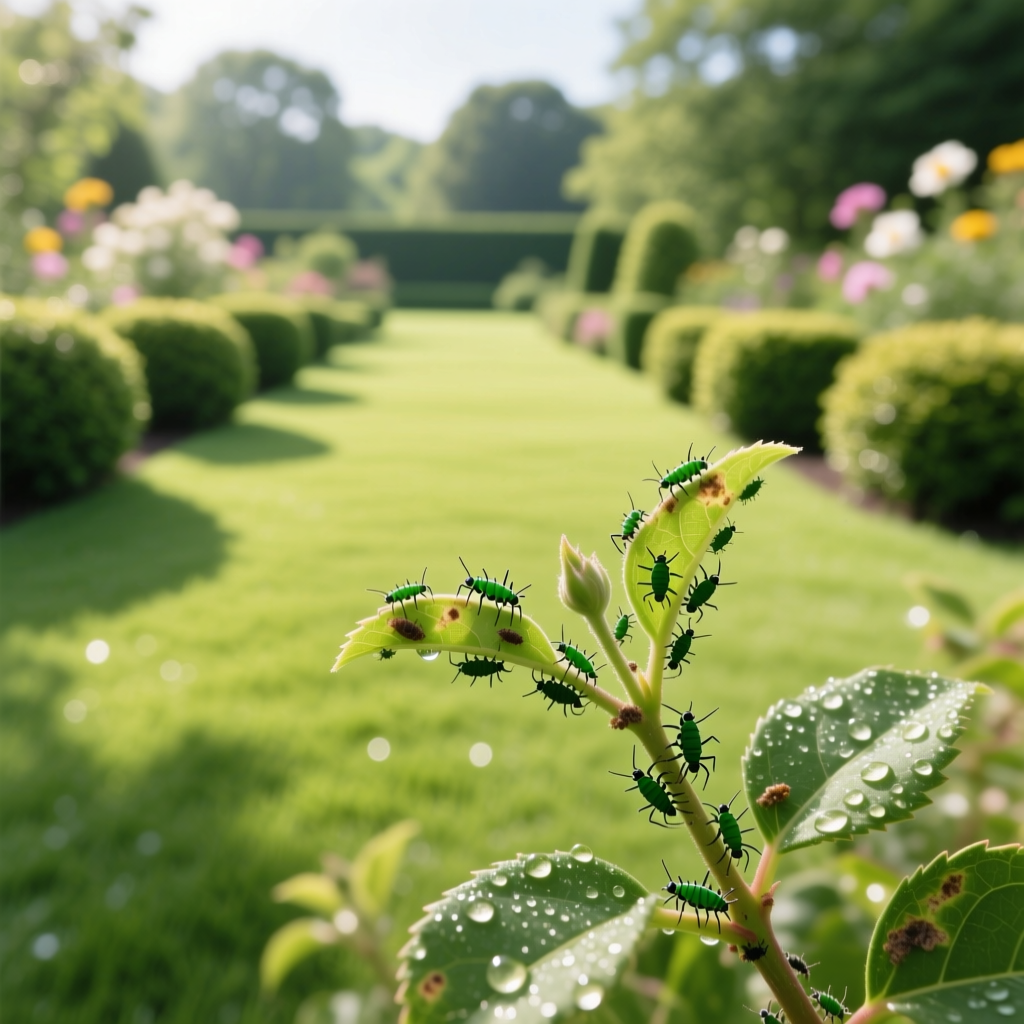
Identifying and Controlling Aphid Infestations on Ornamental Shrubs
David ParkPublished
Ornamental shrubs are the backbone of a beautiful, structured landscape. They provide privacy, seasonal color, and essential habitat for local wildlife. However, keeping these woody plants healthy requires vigilance against a variety of common garden pests. Among the most pervasive and destructive of these pests are aphids. These tiny, sap-sucking insects can rapidly colonize your prized shrubs, leading to stunted growth, deformed foliage, and a host of secondary fungal issues if left unchecked.
Aphids are notorious for their explosive reproductive rates. A single female aphid can give birth to dozens of live young without ever mating, meaning a small scouting party can turn into a full-blown infestation in a matter of days. Whether you are cultivating delicate roses, vibrant hydrangeas, or robust viburnums, understanding the biology and behavior of aphids is the first step toward protecting your landscape. For a broader overview of landscape threats, be sure to explore our comprehensive pest control guide.
This detailed guide will walk you through everything you need to know about identifying, preventing, and controlling aphid infestations on your ornamental shrubs. From simple cultural practices to advanced DIY treatments and professional interventions, you will find actionable strategies to keep your garden thriving season after season.
How to Identify Aphids and Their Damage
Before you can effectively treat an infestation, you must correctly identify the culprit. Aphids are small, soft-bodied insects that typically measure between 1/16 and 1/8 of an inch in length. They possess a distinct pear-shaped body, long antennae, and a pair of tube-like structures on their rear ends known as cornicles, which are often referred to as 'tailpipes.' These cornicles secrete a defensive fluid that helps deter predators.
Aphids come in a wide array of colors depending on the species and their host plant. You may encounter green, black, red, yellow, brown, or even pink aphids on your ornamental shrubs. Some species are covered in a waxy or woolly coating, such as the woolly apple aphid, which gives them a fuzzy, white appearance. They tend to cluster in dense colonies on the tender new growth, the undersides of leaves, and along the stems of the plant.
Recognizing Plant Damage
Because aphids feed by piercing the plant tissue and sucking out the nutrient-rich phloem sap, the damage they cause is highly visible. Common signs of an aphid infestation include:
- Leaf Curling and Distortion: As aphids feed on emerging leaves, they inject saliva that disrupts plant growth hormones, causing leaves to curl, cup, or twist. This curling also creates a protective shelter for the colony.
- Yellowing and Stippling: Heavy feeding drains the plant of essential nutrients, leading to chlorosis (yellowing) and a stippled appearance on the foliage.
- Stunted Growth: The continuous loss of sap weakens the shrub, resulting in shortened internodes, smaller leaves, and an overall stunted appearance.
- Gall Formation: Certain aphid species cause the plant to form abnormal growths or galls on the leaves and twigs, which house and protect the developing insects.
Honeydew, Sooty Mold, and Ant Activity
One of the most definitive signs of an aphid infestation is the presence of honeydew. As aphids consume large quantities of sap, they excrete a sticky, sugar-rich waste product called honeydew. This substance coats the leaves and branches below the colony. Honeydew not only makes the shrub look unsightly but also serves as a breeding ground for sooty mold, a black, powdery fungus that blocks sunlight and impedes photosynthesis. Furthermore, honeydew attracts ants. If you notice a trail of ants marching up and down the stems of your ornamental shrubs, it is highly likely they are 'farming' an aphid colony to harvest the sweet honeydew. To learn more about identifying various garden pests, visit our resource on common garden pests.
Preventing Aphid Infestations in Your Landscape
The most effective way to manage aphids is to prevent them from establishing large colonies in the first place. A proactive approach to plant health care creates an environment where shrubs can withstand minor pest pressure and recover quickly. Preventative measures revolve around cultural practices, proper nutrition, and strategic planting.
Maintaining Soil Health and Proper Fertilization
Aphids are highly attracted to plants with high levels of nitrogen in their tissue. Nitrogen promotes rapid, lush, soft green growth, which is exactly what aphids prefer to feed on. Avoid using high-nitrogen, quick-release synthetic fertilizers on your ornamental shrubs. Instead, opt for slow-release, organic fertilizers that provide a steady supply of nutrients. Conducting a soil test before fertilizing ensures you are only adding what your soil lacks. For more information on maintaining optimal soil conditions, read our guide on testing and amending soil.
Strategic Pruning and Airflow
Dense, overgrown shrubs create a humid, sheltered microclimate that is ideal for aphid reproduction and protects them from wind and predators. Regular pruning opens up the canopy, improves air circulation, and allows sunlight to penetrate the inner branches. This not only discourages aphids but also reduces the risk of fungal diseases. Always sterilize your pruning tools between cuts to prevent the spread of pathogens. You can find detailed techniques in our shrub pruning guide.
Weed Management and Companion Planting
Weeds can serve as alternate hosts for aphids, allowing them to build up their populations before migrating to your prized ornamental shrubs. Keeping the area around your shrubs free of broadleaf weeds reduces the local aphid population. Additionally, consider companion planting. Incorporating strongly scented herbs like garlic, chives, and mint near your shrubs can help repel aphids. Conversely, planting trap crops like nasturtiums a short distance away can draw aphids away from your main landscape plants.
Proper Watering Techniques
Drought-stressed shrubs are more susceptible to pest attacks because their natural defense mechanisms are compromised. Conversely, overwatering can lead to root rot and weakened plants. Establish a consistent watering schedule that provides deep, infrequent irrigation, encouraging deep root growth. Applying a layer of organic mulch around the base of the shrub helps retain soil moisture and regulate temperature, but ensure the mulch is kept a few inches away from the main trunk to prevent rot and rodent issues.
DIY and Natural Solutions for Aphid Control
If preventative measures fail and you spot an aphid colony forming on your ornamental shrubs, there are numerous highly effective DIY and natural solutions you can deploy. These methods are generally safe for the environment, beneficial insects, and your family, making them the ideal first line of defense.
The Water Displacement Method
For light to moderate infestations, a strong blast of water from a garden hose is often all you need. Aphids are weak fliers and poor climbers. By directing a sharp stream of water at the infested foliage—particularly the undersides of the leaves—you can physically dislodge the pests. Once knocked to the ground, most aphids are unable to find their way back up to the host plant before they perish. Repeat this process every few days until the colony is eradicated.
Homemade Insecticidal Soap
Insecticidal soaps work by penetrating the soft outer cuticle of the aphid, causing rapid dehydration and death. While commercial insecticidal soaps are readily available, you can easily make a highly effective DIY version at home.
- Recipe: Mix one tablespoon of pure, liquid castile soap (not heavy-duty dish detergent or degreaser) with one quart of water in a spray bottle.
- Application: Spray the solution directly onto the aphids, ensuring thorough coverage of the leaf undersides and stems. The soap must contact the insect to be effective.
- Precautions: Apply the spray in the early morning or late evening to prevent leaf burn caused by the sun interacting with the wet soap. Rinse the shrub with plain water a few hours after application to prevent soap residue from damaging the plant tissue.
Neem Oil and Horticultural Oils
Neem oil, derived from the seeds of the neem tree, is a powerful organic pesticide that acts as an antifeedant, repellent, and insect growth regulator. It disrupts the aphid's hormonal system, preventing them from molting and reproducing. Horticultural oils work similarly by smothering the insects and their eggs. When using oils, it is crucial to follow the manufacturer's dilution rates carefully. Never apply neem or horticultural oils when temperatures exceed 85°F (29°C) or when the shrub is drought-stressed, as this can cause severe phytotoxicity (leaf burn). For more eco-friendly strategies, explore our article on organic pest management.
Introducing Beneficial Insects
Nature provides its own pest control in the form of beneficial predatory insects. Ladybugs, green lacewings, and parasitic wasps are voracious consumers of aphids. A single ladybug can eat up to 50 aphids a day, while lacewing larvae are nicknamed 'aphid lions' for their insatiable appetites. You can attract these beneficial insects by planting a diverse array of nectar-rich flowers like yarrow, dill, and alyssum. Alternatively, you can purchase live ladybugs or lacewings from garden centers and release them into your landscape at dusk, ensuring the shrubs are lightly watered beforehand so the insects have a place to drink and settle.
Chemical Treatments and When to Call Professionals
While natural and DIY methods are highly effective for most home gardeners, severe or persistent aphid infestations may require more aggressive chemical interventions. When utilizing chemical controls, it is vital to choose the right product and apply it responsibly to minimize harm to non-target organisms, particularly essential pollinators like bees and butterflies.
Contact vs. Systemic Insecticides
Contact insecticides, such as pyrethroids (e.g., bifenthrin, permethrin), kill aphids on contact. They provide rapid knockdown of large populations but offer little to no residual control, meaning newly hatched aphids or migrating scouts can quickly reinfest the shrub. Furthermore, broad-spectrum contact insecticides will also kill beneficial predatory insects, potentially leading to worse pest outbreaks in the future.
Systemic insecticides, such as those containing imidacloprid or dinotefuran, are applied to the soil around the base of the shrub or injected into the trunk. The plant's roots absorb the chemical and translocate it throughout the vascular system. When aphids feed on the sap, they ingest the toxin and die. Systemic treatments provide long-lasting control, often protecting the shrub for an entire season. However, they must be applied carefully and never used on shrubs that are currently blooming or about to bloom, as the systemic chemical can be present in the nectar and pollen, posing a severe risk to foraging bees.
When to Call a Professional
There are situations where DIY efforts fall short, and the expertise of a licensed pest control professional or certified arborist is required. You should consider hiring a professional if:
- The infestation is widespread across multiple large, mature shrubs or trees that are difficult to reach with standard spray equipment.
- Your shrubs are showing signs of severe decline, dieback, or secondary diseases that require professional diagnosis and treatment.
- You have repeatedly tried natural and over-the-counter chemical treatments without success, indicating a potentially resistant aphid strain or a misidentified pest.
- You require specialized trunk injections or deep-root systemic treatments that are only available to licensed applicators.
Investing in professional care can save valuable, mature landscaping from irreversible damage. If you decide to seek expert help, our guide on hiring a professional offers excellent tips on vetting and selecting the right landscape expert for your needs.
Frequently Asked Questions About Aphid Control
Will aphids eventually kill my ornamental shrubs?
In most cases, aphids will not kill a healthy, established ornamental shrub outright. However, a severe, prolonged infestation can significantly weaken the plant, making it highly vulnerable to secondary pests, fungal diseases, and environmental stressors like drought or extreme cold. Additionally, some aphid species are vectors for plant viruses, which can cause irreversible damage or death to certain susceptible shrub varieties. Prompt intervention is always recommended to protect the long-term vitality of your landscape.
How do I remove sooty mold after the aphids are gone?
Sooty mold is a secondary fungus that grows on the sugary honeydew excreted by aphids. Once you have successfully eradicated the aphid colony and stopped the production of honeydew, the sooty mold will gradually dry up and flake off on its own. To speed up the process and restore the aesthetic appeal of your shrub, you can gently wash the affected leaves with a mild soap solution and a soft cloth, or simply use a gentle spray from the garden hose to rinse the fungal spores away.
Is it safe to use household dish soap on my shrubs?
It is generally not recommended to use standard household dish soaps or laundry detergents on your plants. Many modern dish soaps contain heavy degreasers, antibacterial agents, fragrances, and dyes that can strip the protective waxy cuticle off the plant's leaves, leading to severe dehydration and phytotoxicity. Always opt for pure, liquid castile soap or a commercially formulated insecticidal soap that is specifically designed to be safe for plant tissue while remaining lethal to soft-bodied insects.
Why are ants farming aphids on my plants?
Ants and aphids share a fascinating mutualistic relationship. Aphids produce honeydew, a sweet, carbohydrate-rich waste product that ants love to eat. In exchange for this food source, the ants act as bodyguards for the aphid colony. They will aggressively defend the aphids from natural predators like ladybugs and lacewings, and they will even carry aphid eggs into their nests during the winter to protect them, moving them back onto fresh plant growth in the spring. If you have an aphid problem accompanied by heavy ant traffic, controlling the ant population with targeted baits or sticky trunk barriers is a crucial step in managing the aphids.
Do aphids survive the winter?
Yes, aphids have evolved strategies to survive harsh winter conditions. In temperate climates, most aphid species overwinter as eggs laid in the crevices of bark, on twigs, or near the buds of their host shrubs. These eggs are highly resilient and can withstand freezing temperatures. When the weather warms in the spring, the eggs hatch into 'fundatrices' (stem mothers), which immediately begin feeding on the new plant growth and giving birth to live young, kickstarting the rapid reproductive cycle all over again. Applying a dormant horticultural oil spray to your shrubs in late winter, before the buds break, is an excellent way to smother these overwintering eggs and reduce spring populations.