Home & Garden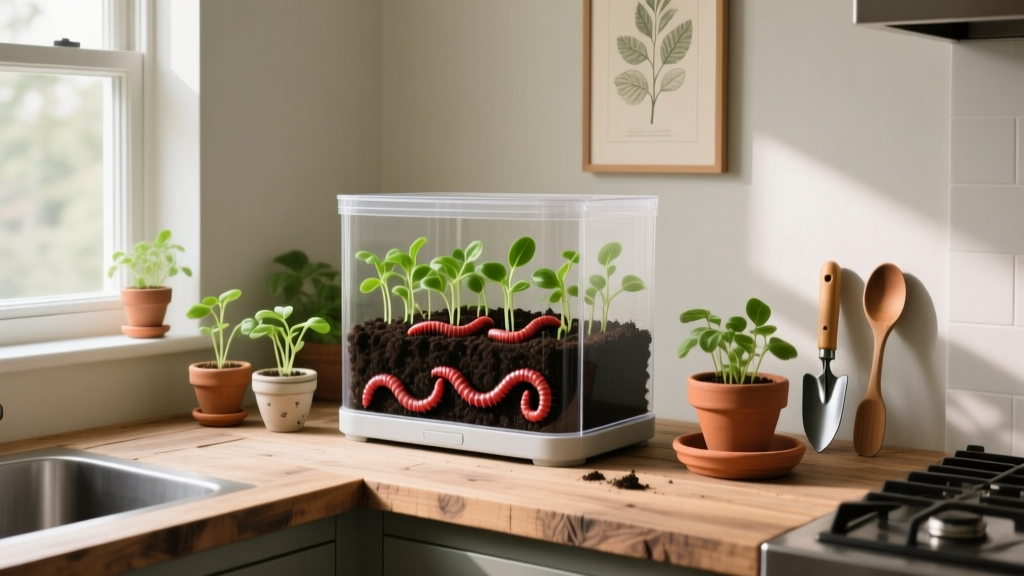
Indoor Vermicomposting: Boost Garden Soil Year-Round
James MillerPublished
Bridging Indoor and Outdoor Living Through Soil Health
For passionate home gardeners, the transition from the vibrant growing season to the colder, darker months often feels like a hard pause on outdoor living. However, true garden-to-table enthusiasts know that the secret to a bountiful spring harvest begins in the dead of winter. By bringing the composting process indoors, you can bridge the gap between indoor home maintenance and outdoor landscaping. Indoor vermicomposting, or worm composting, is an efficient, odor-free, and highly rewarding way to transform your daily kitchen scraps into 'black gold'—a premium soil amendment that will supercharge your outdoor raised beds, indoor houseplants, and patio containers.
Unlike traditional outdoor compost piles that require significant yard space, physical turning, and ambient heat to break down organic matter, a worm bin operates perfectly in a climate-controlled indoor environment. It takes up less than two square feet of floor space, making it ideal for apartments, mudrooms, or under-the-sink cabinets. In this comprehensive guide, we will explore the science of worm castings, provide a step-by-step setup guide, and show you exactly how to integrate this organic fertilizer into your seasonal home and garden routine.
The Science of Worm Castings: Nature's Perfect Fertilizer
Worm castings (vermicast) are far more than just broken-down organic matter. As earthworms consume kitchen scraps and bedding, their digestive tract acts as a biological incubator. The resulting castings are teeming with beneficial microbes, humic acids, and plant-available nutrients. While traditional compost might boast a higher raw NPK (Nitrogen-Phosphorus-Potassium) number, worm castings excel in nutrient bioavailability and soil structure enhancement.
'Vermicomposts are excellent soil amendments. They improve soil structure, increase water retention, and provide a slow-release source of essential plant nutrients while suppressing certain plant diseases.'
— Cornell University's Waste Management Institute
One of the most critical benefits of worm castings is their ability to improve the Cation Exchange Capacity (CEC) of your garden soil. A higher CEC means your soil can hold onto essential positively charged ions (like calcium, magnesium, and potassium) and release them to plant roots exactly when needed. For garden-to-table crops like heirloom tomatoes, bell peppers, and leafy greens, this translates to stronger root systems, higher disease resistance, and significantly improved flavor profiles.
Step-by-Step Guide to Building Your Indoor Vermicomposting Bin
Setting up a worm bin is a fantastic DIY garden project that requires minimal investment. You can either purchase a commercial multi-tray system or build your own for a fraction of the cost.
Step 1: Choose Your Container
- The DIY Route ($10 - $15): Purchase two opaque, 10-gallon plastic storage totes. Drill 1/8-inch holes in the bottom and upper sides of the top tote for drainage and aeration. Nest it inside the second tote to catch excess liquid (leachate).
- The Commercial Route ($50 - $150): Multi-tray systems (like the Worm Factory 360) feature stacking trays that allow worms to migrate upward as they finish composting lower levels, making harvesting incredibly easy.
Step 2: Prepare the Bedding
Worms need a carbon-rich, moist environment to thrive. Shredded corrugated cardboard, non-glossy newspaper, and coconut coir are excellent bedding materials. Soak your bedding in water and wring it out until it feels like a damp sponge. Fill your bin with about 4 to 6 inches of this fluffy bedding. According to the United States Environmental Protection Agency (EPA), maintaining the right moisture and carbon-to-nitrogen ratio is critical for preventing odors and ensuring rapid decomposition.
Step 3: Introduce the Worms
Do not use earthworms from your backyard; they require deep soil to burrow and will die in a shallow bin. You need composting worms, specifically Eisenia fetida (Red Wigglers) or Eisenia andrei (Red Tigers). Start with one pound of worms (approximately 1,000 worms) for every square foot of surface area in your bin. Gently place them on top of the bedding and leave the lid off under a bright light for the first hour; worms are photophobic and will quickly burrow down into the safety of the bedding.
Feeding Your Worms: A Dietary Guide for Optimal Composting
Red wigglers can eat up to half their body weight in kitchen scraps every day. However, they are sensitive to pH levels and certain compounds. Bury your food scraps in a different corner of the bin each week to distribute the workload and prevent localized acidity spikes.
| Category | Safe to Feed (The Do's) | Avoid (The Don'ts) |
|---|---|---|
| Fruits & Veggies | Apple cores, carrot peels, melon rinds, crushed eggshells | Citrus fruits, onions, garlic, spicy peppers |
| Grains & Carbs | Stale bread (in moderation), plain pasta, oatmeal | Sugary pastries, heavily salted foods, oily carbs |
| Yard & Paper | Coffee grounds, tea bags, shredded non-glossy paper | Glossy magazines, treated wood, pet waste |
Pro-Tip: Always freeze your kitchen scraps for 24 hours before feeding them to your worms. This breaks down the cell walls of the plant matter, making it easier for the worms to digest, and effectively kills any fruit fly eggs that might be hiding on fruit skins.
Harvesting Black Gold: How to Collect and Use Your Castings
After 3 to 6 months, your bedding will be largely replaced by dark, earthy-smelling castings. It is time to harvest. If you are using a DIY tote, the 'Migration Method' works best. Push all the finished compost to one side of the bin and place fresh, moist bedding and food scraps on the empty side. Over the next two weeks, the worms will naturally migrate toward the new food source, leaving the finished castings behind for you to scoop out.
Application Rates for Garden-to-Table Crops
Worm castings are incredibly gentle and will not burn plant roots, but they are potent. Use them strategically:
- Seed Starting Mix: Blend 1 part worm castings with 3 parts coconut coir or peat moss to create a nutrient-dense, disease-suppressing germination medium.
- Transplanting Vegetables: Add a half-cup of castings directly into the planting hole when transplanting tomatoes, peppers, and squash outdoors in the spring.
- Indoor Houseplants: Top-dress your indoor potted plants with a 1/4-inch layer of castings every two months. Water as usual to leach the nutrients down to the roots.
Troubleshooting Common Indoor Worm Bin Issues
A healthy worm bin should smell like a forest floor after a spring rain. If you encounter issues, they are usually easily fixed by adjusting the bin's environment.
- Fruit Flies: If fruit flies invade, ensure you are burying your food scraps under at least two inches of bedding. You can also place a layer of damp newspaper over the top of the bedding to act as a physical barrier.
- Foul Odors: A rotting smell indicates anaerobic conditions. You are likely overfeeding the worms or the bin is too wet. Stop feeding for a week, gently fluff the bedding with a hand fork to introduce oxygen, and add dry shredded cardboard to absorb excess moisture.
- Escaping Worms: If worms are crawling up the sides of the bin, the environment inside is hostile. This is usually caused by high acidity (from too many acidic foods) or lack of oxygen. Add a handful of pulverized eggshells or agricultural lime to buffer the pH.
Integrating Castings into Your Seasonal Home Maintenance
Vermicomposting perfectly aligns with seasonal energy-efficient landscaping and smart garden planning. During the winter, your indoor bin acts as a zero-waste recycling center, reducing your household's carbon footprint by diverting organic waste from landfills where it would otherwise generate methane gas. As spring approaches, the accumulated castings become the foundation of your outdoor soil prep.
For those utilizing smart home irrigation systems, amending your outdoor soil with worm castings is a brilliant synergy. Castings improve soil aggregation and water retention, meaning your smart sprinklers or drip irrigation systems won't need to run as frequently, saving water and lowering utility bills. The humic substances in the castings act like a sponge, holding moisture in the root zone even during the heat of late summer.
Conclusion
Indoor vermicomposting is much more than a quirky hobby; it is a powerful tool for the modern home gardener. By managing soil health from the inside out, you ensure that your garden-to-table vegetables are grown in the most biologically active, nutrient-rich medium possible. Whether you live in a sprawling suburban home or a compact urban apartment, a worm bin bridges the gap between your kitchen and your garden, turning daily waste into the cornerstone of a thriving, sustainable landscape. Start your bin today, and watch your spring garden flourish like never before.
