Lawn Care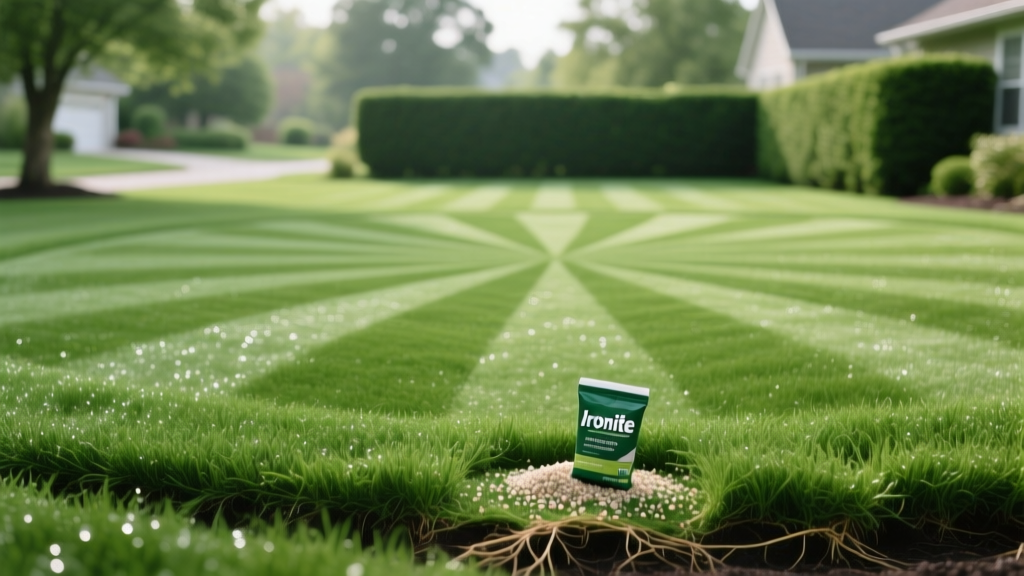
Ironite Lawn Supplement And Mowing Patterns For Deep Green 2026
Sarah ChenPublished
The Intersection of Turf Nutrition and Mowing Aesthetics
As homeowners and lawn care professionals navigate the 2026 landscaping season, the pursuit of the perfect lawn has evolved beyond simple health and weed control. Today, the visual aesthetics of turf—specifically the depth of green color and the crispness of mowing patterns—are paramount. Achieving a stadium-quality, striped lawn requires a delicate balance of precise mowing techniques and targeted nutritional supplementation. This is where Ironite lawn supplement comes into play. By understanding the relationship between iron availability, chlorophyll production, and the physics of light reflection on grass blades, you can dramatically elevate your mowing patterns and achieve a remarkably deep green lawn.
Why Ironite is the Secret to Deep Green Striping
Ironite, a trademarked brand now widely recognized for its iron-rich mineral supplements, provides a unique benefit to turfgrass: it darkens the color of the grass without triggering the rapid, excessive top-growth associated with high-nitrogen fertilizers. According to turfgrass nutrition guidelines from the University of Minnesota Extension, iron is a crucial micronutrient required for chlorophyll synthesis. When grass lacks iron, it can suffer from chlorosis, resulting in a pale, yellowish-green appearance that completely ruins the visual contrast needed for lawn striping.
When you apply a product like Pennington Ironite Mineral Supplement 1-0-1 or the iron-fortified Ironite Plus 12-10-10, the grass rapidly absorbs the iron (often through foliar uptake if applied as a liquid, or through the roots when granular is watered in). This results in a deep, emerald-green hue. This darkened color is the foundational canvas required for high-contrast mowing patterns. Without a deeply pigmented blade of grass, the alternating light and dark bands of a striped lawn will look washed out and unimpressive, regardless of how perfectly you execute your mowing lines.
The Physics of Lawn Striping and Ironite Enhancement
To understand why Ironite enhances mowing patterns, we must look at the physics of lawn striping. Striping is not achieved by cutting the grass at different heights or using different types of grass. Instead, it is an optical illusion created by bending the grass blades in different directions. When you mow a row pushing the grass away from you, the tops of the blades are exposed to the sun, and the light reflects off them, making that row appear lighter. When you mow the adjacent row pulling the grass toward you (or bending it toward the viewer), you are looking at the underside of the grass blades, which absorbs more light and appears significantly darker.
Here is where the 2026 Ironite formulations make a massive difference. The underside of a grass blade is naturally darker than the top, but if the grass is nitrogen-depleted or iron-deficient, the 'dark' side will only look pale green or yellow. By saturating the turf with Ironite, the chlorophyll density increases, turning the underside of the blade an intensely dark, almost forest-green color. This maximizes the light absorption on the dark bands and creates a stunning, high-contrast checkerboard or diagonal pattern that pops from the curb. To maximize this effect in 2026, pair your Ironite-treated lawn with a modern mower roller attachment, such as the Toro Striping Kit or a heavy rubber drag mat, which ensures the blades are firmly bent and hold their position.
Synchronizing Ironite Applications with Your Mowing Schedule
Timing your Ironite application in relation to your mowing schedule is critical for both nutrient absorption and visual results. If you apply granular Ironite immediately before mowing, the mower tires can track the iron-rich granules onto your driveway, causing severe rust stains. Furthermore, the mower blades may chop up the granules before they have a chance to dissolve into the soil profile or adhere to the leaf tissue. For the best results, follow this synchronized timeline:
| Day | Action | Purpose & Mowing Technique |
|---|---|---|
| Day 1 | Mow & Edge | Cut the lawn at your ideal height. Edge all hardscapes and use a blower to remove all clippings and debris from concrete surfaces to prepare for Ironite. |
| Day 2 | Apply Ironite | Apply granular Ironite evenly using a broadcast spreader. The shorter grass allows granules to reach the soil surface rather than getting trapped in tall thatch. |
| Day 3 | Water Deeply | Irrigate the lawn with 0.5 inches of water. This dissolves the iron, preventing it from staining concrete and activating foliar and root uptake. |
| Day 4-6 | Rest & Absorb | Allow the turf to absorb the iron. The grass will begin shifting from bright green to a deep, dark emerald hue. |
| Day 7 | Stripe & Mow | Execute your mowing pattern. The color contrast will be at its absolute peak, resulting in the sharpest striping possible. |
Optimal Mowing Heights for Ironite-Treated Lawns in 2026
While Ironite provides the color, your mowing height dictates the health of the turf and the structural integrity of the grass blade needed to hold a stripe. If you scalp the lawn, the grass will be too weak to bend uniformly, and the soil will be exposed, ruining the visual effect of the deep green color. According to best practices outlined by the University of Minnesota Extension, maintaining the correct mowing height is essential for photosynthesis and root development, which in turn supports the metabolic processes that utilize the iron you have applied.
| Grass Type | Ideal 2026 Mowing Height | Ironite Striping Impact |
|---|---|---|
| Kentucky Bluegrass | 2.5 - 3.5 inches | Longer blades create a dramatic, sweeping stripe; Ironite enhances the natural emerald hue of this cool-season favorite. |
| Tall Fescue | 3.0 - 4.0 inches | Thick, wide blades reflect light brilliantly. Ironite prevents the summer yellowing common in fescue, maintaining dark contrast. |
| Bermudagrass | 1.0 - 2.0 inches | Shorter blades require a heavier roller to stripe. Ironite deepens the color without causing the excessive thatch buildup nitrogen can cause. |
| Zoysia Grass | 1.5 - 2.5 inches | Dense, carpet-like growth holds patterns exceptionally well. Ironite maintains a rich green color even during peak summer heat stress. |
Preventing Iron Stains on Hardscapes During Mowing and Edging
One of the most significant challenges when using iron-based supplements like Ironite is the potential for rust stains on concrete driveways, sidewalks, and patios. Iron sulfate, a primary ingredient in many lawn supplements, oxidizes rapidly when exposed to moisture and concrete, leaving behind ugly, orange-brown stains that are notoriously difficult to remove. When integrating Ironite into your lawn care and mowing routine, you must take proactive steps to protect your hardscapes.
First, always use a backpack blower or push broom to sweep any stray Ironite granules off your driveway and sidewalks immediately after application, before you water the lawn. Second, when you resume mowing on Day 7 of the schedule, ensure the grass is completely dry. Mowing wet grass that has recently been treated with iron supplements can cause the mower tires to pick up iron-rich moisture and track it across your driveway. Finally, when using a string trimmer to edge the lawn after an Ironite application, be mindful of the debris spray. The clippings from the lower canopy may contain concentrated iron residues; direct the trimmer's deflector shield away from porous concrete and toward the center of the lawn to prevent localized staining.
Environmental Considerations and Responsible Iron Use
While achieving a deep green, beautifully striped lawn is a top priority for turf enthusiasts, responsible application is vital for environmental health. The Environmental Protection Agency (EPA) emphasizes the importance of managing nutrient runoff to protect local waterways from pollution. Although Ironite is primarily an iron supplement and contains lower levels of nitrogen and phosphorus compared to traditional starter fertilizers, over-application can still lead to soil imbalances and potential runoff issues. Always conduct a soil test before applying Ironite to confirm that your lawn actually suffers from an iron deficiency or high pH (which locks up existing soil iron). Applying iron to a lawn that already has sufficient micronutrients will not make the grass any greener and only wastes resources while increasing the risk of hardscape staining and environmental impact.
Conclusion: Mastering the 2026 Turf Canvas
Achieving a flawless, deep green lawn with professional-grade mowing patterns is a highly rewarding endeavor that bridges the gap between agronomic science and landscape art. By strategically utilizing Ironite lawn supplements, you can unlock the deep, rich chlorophyll pigments necessary to make your mowing stripes truly pop. Remember to synchronize your application with your mowing schedule, adhere to the optimal cutting heights for your specific grass type, and take rigorous precautions to protect your concrete hardscapes from iron oxidation. With these techniques in your arsenal, your 2026 lawn will not only be the healthiest on the block but undoubtedly the most visually striking.