
Landscaping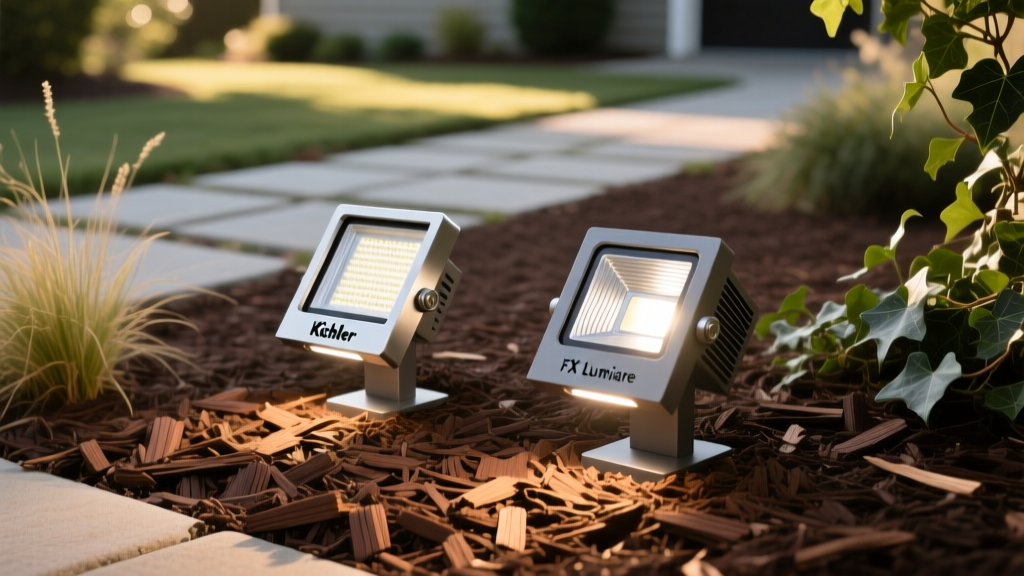
Kichler vs FX Luminaire LEDs: Best Mulch Pairings 2026
Emily WatsonPublished
Integrating Premium LEDs with Mulching Methods in 2026
When designing a high-end outdoor living space, the synergy between hardscaping, softscaping, and illumination is paramount. In 2026, landscape architects and DIY enthusiasts alike recognize that the mulch you choose fundamentally alters the performance of your landscape lighting. Mulching methods and materials do more than retain soil moisture; they act as the reflective canvas for your LED fixtures. When comparing the industry’s top-tier brands—Kichler and FX Luminaire—understanding how their 2026 LED models interact with various organic and inorganic mulches is critical for achieving flawless curb appeal and ensuring long-term fixture survivability.
Kichler vs. FX Luminaire: 2026 Flagship Fixture Comparison
Both Kichler and FX Luminaire have released updated, highly efficient LED landscape lighting lines for 2026, but their optical engineering and material builds cater to slightly different landscaping environments.
- Kichler 16000 Series Pro (2026 Edition): Known for its exceptional integrated hex-baffle shrouds and die-cast aluminum or bronze finishes. Kichler excels in glare reduction, making it ideal for highly reflective landscapes.
- FX Luminaire FXLUX G2 Brass Series: Renowned for its heavy-duty brass construction, proprietary color-dial technology, and higher lumen output taps. FX Luminaire fixtures push through light-absorbing environments with ease, offering superior resistance to the acidic breakdown of organic mulches.
How Mulch Materials Dictate Light Reflectivity and Glare
The color, texture, and composition of your mulch directly impact how LED beam spreads are perceived. According to horticultural guidelines on landscape bed management, mulch depth and type dictate not only plant health but also the albedo (reflectivity) of the ground plane (Penn State Extension). Here is how different mulching materials pair with these premium lighting brands.
Dark Hardwood and Bark Mulch (Low Reflectivity)
Dark mulches, such as black-dyed hardwood, dark cedar, or hemlock bark, absorb a significant amount of light. When using Kichler’s standard 3-watt LED path lights over dark hardwood, the light pool can appear dim or overly concentrated. The 2026 Solution: FX Luminaire is the superior choice here. The FXLUX G2 series allows you to tap into higher wattage outputs (up to 7 watts per fixture) without changing the transformer. When uplighting trees surrounded by dark bark mulch, FX Luminaire’s higher lumen output compensates for the light absorption, ensuring the canopy is properly illuminated despite the dark ground cover.
Pine Straw and Light Wood Chips (High Glare Risk)
Pine straw and light-colored wood chips are highly reflective. While they brighten up shaded garden beds, they can cause severe glare if a light source is exposed. The 2026 Solution: Kichler dominates in this environment. The 16000 Series Pro features deep-set LED diodes and integrated optical shrouds that cut off harsh angles of light. When installed at the correct 45-degree angle over pine straw, Kichler fixtures illuminate the bed without blinding the viewer. If you use FX Luminaire in pine straw beds, you must invest in their optional snap-on glare guards to maintain visual comfort.
Inorganic Mulches: Gravel and River Rock
Crushed granite, pea gravel, and river rock offer excellent drainage and high reflectivity. Because inorganic mulches do not retain moisture against the fixture base, they are the safest environment for LED heat sinks. Both brands perform exceptionally well here, but Kichler’s textured bronze finishes blend more naturally with the earthy tones of river rock, while FX Luminaire’s polished brass stands out beautifully against dark crushed granite.
Trenching and Wire Concealment Methods Under Mulch
Proper mulching methods require careful wire management. Exposed low-voltage wiring ruins the aesthetic of a premium lighting system and invites damage from landscaping equipment. The University of Florida IFAS Extension recommends maintaining a consistent mulch layer of 2 to 3 inches to preserve soil moisture without suffocating roots (UF/IFAS Extension).
The Trenching Method: To hide 12-gauge direct burial wire beneath mulch beds, dig a narrow trench 6 inches deep. This places the wire below the root zone of most annuals and well below the 3-inch mulch layer. After laying the wire, backfill with native soil, and then apply your chosen mulch. Hub Placement: Both Kichler and FX Luminaire utilize hub systems for their 2026 Pro and G2 lines. Burying the hub under a mound of organic mulch is a critical error; the decomposition process generates heat and moisture that can corrode the connection points. Instead, use an inorganic mulch method: create a small, concealed bed of washed gravel around the hub to ensure drainage and ventilation while keeping it hidden from eye level.
Moisture Management: Protecting Your Investment
Organic mulches decompose over time, creating a highly acidic, moisture-rich environment that can accelerate the corrosion of metal fixtures. The Department of Energy notes that proper installation and environmental protection are key to maximizing the lifespan of outdoor LED systems (Energy.gov).
- The "Mulch Volcano" Danger: Never pile organic mulch against the stem of an LED path light or the base of an uplight. This traps moisture against the lens seals and heat sinks, leading to premature diode failure.
- Material Durability: FX Luminaire’s solid brass and copper fixtures are virtually immune to the acidic tannins leaching from cedar and pine bark mulches. Kichler’s coated aluminum and bronze fixtures are highly durable but require a 2-inch "mulch-free zone" around the base, filled with decorative pebbles, to prevent the finish from degrading over a 5-to-10-year period.
2026 Mulch and Lighting Compatibility Chart
| Mulch Material | Reflectivity | Best Brand Match (2026) | Installation & Maintenance Note |
|---|---|---|---|
| Black Hardwood | Low | FX Luminaire FXLUX G2 | Requires higher lumen taps; keep mulch 2" away from brass base. |
| Pine Straw | High | Kichler 16000 Series Pro | Utilize integrated shrouds to prevent glare; trench wires 6" deep. |
| Cedar Bark | Medium | FX Luminaire (Brass) | Brass resists acidic tannin leaching better than coated aluminum. |
| Pea Gravel | High | Kichler (Textured Bronze) | Ideal for transformer/hub concealment; provides excellent drainage. |
| River Rock | Medium-High | Both Brands | Use larger stones around fixture bases to prevent lens obstruction. |
Actionable Installation Advice for Landscapers
To achieve a flawless integration of mulch and lighting in 2026, follow these professional installation steps:
- Install Lighting Before Mulching: Always trench your wires, set your fixtures, and test the beam angles before laying down the final layer of mulch. This allows you to adjust the stake depth without disturbing freshly laid materials.
- Adjust Beam Angles for Mulch Color: If you are using dark mulch, tilt your path lights slightly downward (using Kichler’s adjustable stems or FX’s directional lenses) to create a tighter, brighter pool of light. For light mulch, tilt them slightly outward to spread the lumens and reduce hot spots.
- Use Inorganic Buffers: Create a 3-inch radius of crushed gravel or sand around every ground-mounted LED fixture before applying the surrounding organic mulch. This buffer zone prevents mulch from shifting over the lens during heavy rains or wind.
- Plan for Mulch Replenishment: Organic mulch breaks down and requires topping up annually. Ensure your Kichler or FX Luminaire fixtures are mounted on heavy-duty, extra-long stakes (at least 10 inches) so that when you add 2 inches of new mulch next year, the fixture remains securely anchored and above the new grade line.
Conclusion
The debate between Kichler and FX Luminaire in 2026 is no longer just about lumen output or transformer efficiency; it is about how these premium systems integrate with the physical landscape. By carefully selecting your mulching materials and employing strategic installation methods, you can maximize the optical performance of your chosen brand. Use FX Luminaire’s high-output brass fixtures to conquer light-absorbing dark mulches and acidic environments, and leverage Kichler’s superior glare-control optics to illuminate highly reflective pine straw and gravel beds safely. When mulch and LEDs are paired correctly, your landscape will achieve unparalleled depth, safety, and nighttime beauty.

