Lawn Care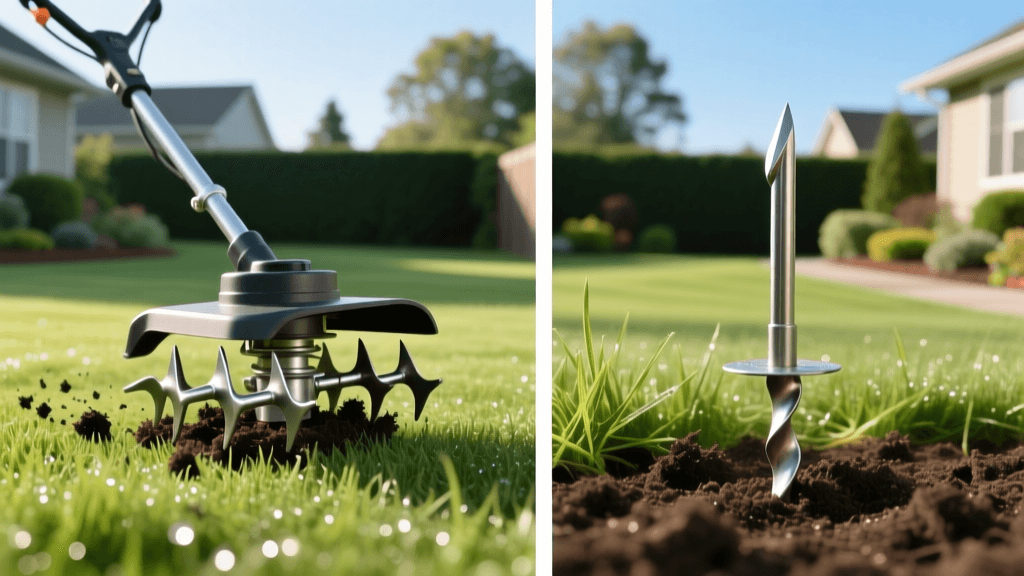
Best Lawn Aerators: A Guide to Core and Spike Tools
Why Lawn Aeration is Essential for a Healthy Yard
Every homeowner dreams of a lush, carpet-like lawn, but heavy foot traffic, mowing equipment, and natural settling can lead to severe soil compaction. When soil becomes compacted, the pore spaces that hold air, water, and nutrients are crushed, suffocating grassroots. According to Penn State Extension, core aeration is one of the most effective cultural practices to alleviate compaction, reduce thatch buildup, and improve overall turf vigor. But with dozens of tools on the market, how do you choose the right one? This comprehensive guide breaks down the best lawn aerators, comparing core and spike models to help you make an informed equipment investment.
The Science of Soil Compaction
Before buying an aerator, it is crucial to understand why your lawn needs one. Soil compaction occurs when soil particles are pressed together, reducing the pore space between them. This is especially common in heavy clay soils or lawns that see frequent use from children, pets, and heavy machinery. Compacted soil prevents water infiltration, leading to runoff and shallow root systems. By mechanically disrupting the soil profile, aeration restores the vital exchange of gases between the soil and the atmosphere, allowing roots to breathe and expand.
Core vs. Spike Aeration: The Great Debate
The most common question among homeowners is whether to use a core aerator or a spike aerator. While both tools puncture the ground, their mechanisms and results are vastly different.
What is Core Aeration?
Core aeration (also known as plug aeration) involves a machine equipped with hollow tines that mechanically remove small plugs of soil and thatch from the lawn. These plugs typically measure 1/2 to 3/4 of an inch in diameter and 2 to 4 inches deep. The University of Missouri Extension strongly recommends core aeration for heavy clay soils because it physically removes mass from the ground, creating actual voids for roots to expand into. The removed soil plugs are left on the surface to break down naturally, returning beneficial microorganisms to the thatch layer and accelerating its decomposition.
What is Spike Aeration?
Spike aeration uses solid tines to simply poke holes into the ground without removing any soil. While this is less disruptive and requires less physical effort or heavy machinery, it has a major drawback: the solid tines can actually cause further compaction to the surrounding soil as they push outward. Spike aerators are generally only recommended for sandy or loamy soils that are not prone to severe compaction, or as a quick, temporary fix between core aeration sessions.
Lawn Aerator Equipment Comparison Chart
| Tool Type | Best Soil Type | Average Cost | Effort Level | Effectiveness |
|---|---|---|---|---|
| Manual Spike Shoes | Sandy/Loam | $20 - $40 | High (Physical) | Low |
| Manual Core Pitchfork | Clay (Small Areas) | $30 - $60 | Very High | Medium |
| Walk-Behind Core Aerator | Clay/Compacted | $70-$100/day (Rental) | Medium | Very High |
| Tow-Behind Spike Aerator | Sandy/Loam | $60 - $150 | Low (Requires ATV/Mower) | Low-Medium |
| Tow-Behind Core Aerator | Clay/Compacted | $150 - $350 | Low (Requires ATV/Mower) | High |
Deep Dive into Aerator Types
Manual Aerators (Shoes and Hand Tools)
Manual aerators are the most budget-friendly option but require significant physical labor. Aerator shoes strap to your boots and feature 2-inch metal spikes. They cost between $20 and $40 and are best used on small, slightly compacted areas. However, they can easily become clogged with wet clay. Manual core aerators, often resembling a pitchfork with hollow tines and a foot bar, cost around $30 to $60. You step on the bar to drive the tines into the earth and pull out plugs. While effective for spot treatments or gardens under 1,000 square feet, using a manual core aerator on a 10,000-square-foot lawn will leave you exhausted and likely result in uneven coverage.
Walk-Behind Core Aerators
For the average suburban lawn (5,000 to 15,000 square feet), a gas-powered walk-behind core aerator is the gold standard. Brands like Billy Goat and Ryan manufacture heavy-duty machines that weigh between 200 and 300 pounds. This weight is necessary to force the hollow tines deep into hard, compacted clay. Because these machines are heavy and expensive to purchase ($800 to $3,000+), most homeowners rent them from local hardware stores or equipment rental yards for $70 to $100 per day. Operating one is similar to using a heavy walk-behind mower; you must carefully maneuver it at the end of each row to avoid tearing the turf.
Tow-Behind Aerators
If you own a riding lawn mower, an ATV, or a UTV, tow-behind aerators offer an excellent balance of cost and efficiency. Tow-behind spike aerators (like those from Agri-Fab) consist of a weighted tray and a spinning cylinder of solid spikes. They cost around $60 to $150. Tow-behind core aerators (from brands like Brinly-Hardy) use spoon-shaped tines and require you to fill a weight tray with concrete blocks or sand to achieve the necessary 150+ pounds of downward pressure. These cost between $150 and $350. They are highly effective for large, rural properties or multi-acre estates where renting a walk-behind machine is impractical.
Timing Your Aeration Based on Grass Type
Using the right tool at the wrong time of year can stress your lawn and invite weeds. Aeration should always be performed during the lawn's peak growing season so it can recover quickly.
- Cool-Season Grasses (Kentucky Bluegrass, Fescue, Ryegrass): Aerate in the early fall (late August to October). The soil is still warm, promoting rapid root growth, and cool air temperatures reduce stress on the grass. Spring aeration is possible but risks exposing dormant weed seeds to sunlight.
- Warm-Season Grasses (Bermuda, Zoysia, St. Augustine, Centipede): Aerate in late spring to early summer (May to July) just after the grass has fully greened up and entered its most aggressive growth phase.
Step-by-Step Execution for Best Results
To get the most out of your aeration equipment, follow these actionable steps:
- Water Deeply: Water your lawn with at least 1 inch of water 24 to 48 hours before aerating. The tines need moist soil to penetrate deeply; dry, baked clay will cause the tines to bounce off the surface.
- Mark Utilities: Always call 811 before aerating to mark underground utilities. Additionally, use brightly colored landscape flags to mark shallow sprinkler heads, invisible dog fences, and irrigation lines to prevent catastrophic damage from the heavy tines.
- Make Multiple Passes: For heavily compacted areas, make one pass in a horizontal direction and a second pass diagonally or vertically. Aim for 20 to 40 holes per square foot.
- Leave the Plugs: Never rake up or bag the soil cores left by a core aerator. Let them dry and break down naturally over the next two to three weeks. They contain vital microbes that digest thatch.
Pro Tip: Aeration is the absolute best time to overseed and apply fertilizer. The holes created by the core aerator provide direct seed-to-soil contact and allow nutrients to bypass the thatch layer, reaching the root zone immediately.
Cost and ROI of Aeration Tools
Investing in aeration equipment pays for itself over time. Hiring a professional landscaping service to core aerate a standard 10,000-square-foot lawn typically costs between $150 and $250 per visit. If you aerate annually, purchasing a high-quality tow-behind core aerator for $250 will yield a return on investment in just one to two seasons. For those with smaller urban lots, splitting the cost of a weekend walk-behind rental with a neighbor is a highly economical strategy that ensures both lawns receive professional-grade care without the burden of long-term equipment storage.
Final Thoughts
Choosing the best lawn aerator comes down to your soil type, lawn size, and available equipment. While spike aerators and manual shoes offer a cheap, quick fix for sandy soils, core aeration remains the undisputed champion for relieving severe compaction in clay-heavy lawns. By matching the right tool to your specific landscape and timing your aeration to coincide with your grass's active growth cycle, you will unlock the full potential of your soil, paving the way for a thicker, greener, and more drought-resistant lawn.