
Lawn Care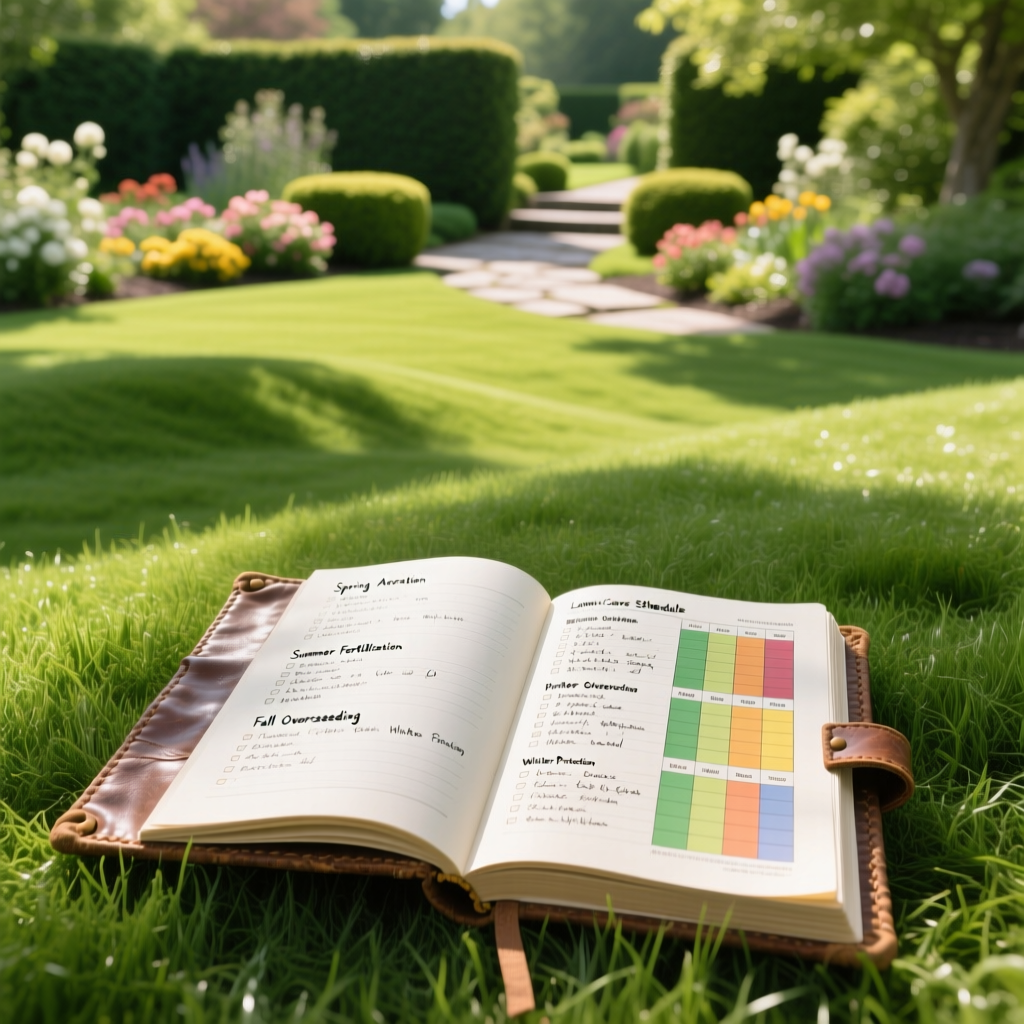
The Ultimate Guide to Using a Lawn Care Schedule Book
Sarah ChenPublished
The Ultimate Guide to Using a Lawn Care Schedule Book
Achieving a pristine, golf-course-quality lawn is rarely a matter of luck. It is the result of meticulous planning, consistent execution, and a deep understanding of your turf's biological needs. While many homeowners rely on memory or scattered calendar reminders to manage their yard work, the most successful turf enthusiasts rely on a dedicated lawn care schedule book. This simple yet powerful tool transforms guesswork into a precise science, ensuring your grass receives exactly what it needs, exactly when it needs it.
Whether you are managing a small suburban yard or maintaining acres of turf, a lawn care journal serves as the central nervous system of your landscaping efforts. In this comprehensive guide, we will explore why a schedule book is essential, what specific data you should be tracking, and how to tailor your logbook to the unique seasonal rhythms of your specific grass type.
Why Every Homeowner Needs a Lawn Care Schedule Book
The most common mistake in DIY lawn care is adopting a 'set it and forget it' mentality. Lawns are living, breathing ecosystems that react dynamically to weather patterns, soil chemistry, and seasonal shifts. Without a reliable record of your past actions, it is incredibly easy to over-apply fertilizer, miss the critical window for pre-emergent herbicides, or inadvertently stress your grass during peak summer heat.
A lawn care schedule book provides a historical record of your turf's health and your maintenance habits. By tracking your applications and observations, you can identify patterns that lead to success or failure. For example, if your lawn consistently struggles with fungal diseases in late spring, your logbook might reveal that you have been applying heavy nitrogen fertilizers too early in the season, promoting rapid, weak growth that is susceptible to fungus.
Furthermore, a well-maintained journal saves you money. By recording the exact coverage rates and product names of the fertilizers and herbicides you use, you prevent accidental double-applications that can lead to costly fertilizer burn or chemical runoff. It also helps you calculate exactly how much product you need for the upcoming season based on your actual square footage and past usage, eliminating waste and ensuring you never run out of supplies mid-application.
Essential Elements to Track in Your Lawn Journal
To get the most out of your lawn care schedule book, you need to track more than just the dates you mow. A comprehensive journal should capture the environmental and chemical conditions of your yard. Here are the critical data points you should dedicate pages to in your logbook:
- Application Dates & Rates: Record the exact date you apply any granular or liquid product. Note the spreader settings, the square footage covered, and the total weight or volume of the product used. This ensures you can replicate successful treatments or adjust rates if you notice negative results.
- Product Formulations (NPK): Always log the Nitrogen-Phosphorus-Potassium (NPK) ratio of your fertilizers. Tracking this over several seasons prevents the toxic buildup of phosphorus in your soil, which can lock out other vital micronutrients like iron and zinc.
- Weather & Soil Temperature: Air temperature is misleading when it comes to lawn care; soil temperature dictates root activity, seed germination, and weed life cycles. Log the soil temperature at a two-inch depth on the days you apply pre-emergents or overseed.
- Mowing Logs: Track your mowing frequency and the cutting height of your mower deck. Adhering to the one-third rule is vital, and your journal will help you adjust your mowing height as the seasons change to protect the crown of the grass.
- Irrigation & Rainfall: Note the days your sprinkler system runs and the approximate inches of water delivered. Pair this with local rainfall data to ensure your lawn is receiving the recommended one to one-and-a-half inches of water per week without becoming waterlogged.
- Pest & Disease Observations: If you spot grubs, chinch bugs, or signs of dollar spot fungus, log the date, the severity, and the treatment applied. This historical data is invaluable for predicting and preventing future outbreaks.
Seasonal Timing Tips to Log in Your Schedule
The effectiveness of your lawn care efforts is entirely dependent on timing. Your schedule book should be organized by seasons, with predefined checklists to ensure you never miss a critical window of opportunity. Here is how to structure your seasonal timing logs.
Spring: Awakening & Prevention
Spring is all about prevention and gentle encouragement. Your schedule book should remind you to apply pre-emergent herbicides when soil temperatures consistently reach 55 degrees Fahrenheit for several consecutive days. This is the exact biological trigger for crabgrass germination. Logging this temperature threshold year over year will help you predict your local application window far better than a generic calendar date. Spring is also the time to log your first mowing, ensuring you are bagging clippings to remove winter debris and allow sunlight to reach the soil.
Summer: Stress Management & Hydration
Summer is a period of survival for many grass types. Your journal should shift focus to deep, infrequent watering schedules that encourage deep root growth. Log your grub control applications in early to mid-summer, as this is when grubs are young and most vulnerable to treatment. If you are managing warm-season grasses, this is your peak growing season, and your schedule book should remind you to stay on top of frequent mowing and lateral growth management. For cool-season grasses, summer logs should focus on avoiding heavy nitrogen applications that can stress the plant during heatwaves.
Fall: Recovery & Preparation
Autumn is the most critical season for long-term lawn health. Your schedule book must highlight the optimal window for core aeration and overseeding. For cool-season grasses, fall is when the majority of root development occurs. Log your winterizer fertilizer applications, which should be high in potassium to promote cold-hardiness and root strength. Tracking your fall leaf cleanup schedule is also vital, as leaving leaves on the lawn can smother the grass and invite snow mold.
Winter: Dormancy & Planning
While the grass may be dormant, your lawn care schedule book should remain active. Winter is the time to review your past year's logs, analyze what worked, and plan your budget for the upcoming spring. Log your equipment maintenance schedules, noting when you changed the oil in your mower, sharpened the blades, and winterized your irrigation system to prevent frozen pipes.
Tailoring Your Schedule Book to Your Grass Type
A generic lawn care schedule will only get you mediocre results. To achieve a truly elite lawn, your schedule book must be customized to the specific biological needs of your grass type. Grasses are broadly divided into two categories, and their maintenance schedules are nearly opposite.
Cool-Season Grasses
If you are growing Kentucky bluegrass, fescue, or ryegrass, your lawn thrives in the cooler temperatures of spring and fall. Your schedule book should reflect heavy fertilization and major renovation projects (like aeration and overseeding) during the autumn months. Summer care for cool-season grasses should be logged as a period of maintenance and stress relief, focusing on disease prevention and adequate hydration rather than pushing aggressive growth.
Warm-Season Grasses
For homeowners cultivating Bermudagrass, Zoysia, or St. Augustine, the schedule book flips. These grasses thrive in the heat of summer and go completely dormant in the winter. Your journal should schedule heavy nitrogen applications and aeration for late spring and early summer when the grass is actively greening up and spreading. Fall fertilization should be tapered off much earlier than cool-season grasses to prevent winter kill, and your winter logs will primarily focus on weed control in the dormant turf.
Recommended Tools & Products to Pair With Your Logbook
A lawn care schedule book is only as effective as the data you feed into it. To gather accurate, actionable data for your journal, you need the right diagnostic tools in your garage. Here are the essential items to pair with your logging habits:
- Soil Thermometer: A simple, inexpensive probe thermometer is the single most important tool for timing your spring pre-emergents and fall overseeding. Log the readings weekly during transition seasons.
- Rain Gauge: Place a graduated rain gauge in an open area of your yard. Recording exact precipitation levels helps you adjust your irrigation schedule, preventing the overwatering that leads to shallow roots and fungal pathogens.
- Calibrated Broadcast Spreader: Whether you are using a high-end commercial spreader or a standard residential model, calibrating it ensures your application rates match the product label. Log your spreader settings for every specific product you use.
- Comprehensive Soil Test Kit: Conduct a soil test at least once every two years. Tape the physical lab results directly into the back pages of your lawn care schedule book, or log the pH and micronutrient levels. This data dictates exactly which amendments, such as lime or sulfur, you need to apply to balance your soil chemistry.
- Moisture Meter: For lawns prone to drought stress or localized dry spots, a soil moisture meter helps you verify that your watering schedule is actually penetrating the root zone.
Troubleshooting Common Lawn Issues Using Your Historical Data
One of the most powerful features of a lawn care schedule book is its ability to help you troubleshoot persistent problems. When your lawn develops an issue, your first step should be to open your journal and review the past 60 to 90 days of activity.
If you are battling an outbreak of brown patch fungus, check your logs. Did you apply a high-nitrogen fertilizer right before a week of heavy rain and high humidity? Did you mow the grass while it was wet, potentially spreading the spores? Your logbook will reveal these compounding errors. Similarly, if your weed control efforts seem to be failing, review your application dates. Applying post-emergent herbicides when temperatures exceed 85 degrees Fahrenheit can cause the chemicals to vaporize and damage your turf without killing the weeds. Your journal will help you correlate weather conditions with chemical efficacy.
By treating your lawn care schedule book as a diagnostic manual, you transition from reactive guessing to proactive problem-solving. Over time, you will build a customized, localized encyclopedia of your yard's unique quirks, microclimates, and nutritional needs.
Frequently Asked Questions
How often should I update my lawn care schedule book?
You should update your lawn care schedule book immediately after completing any task or observation. Relying on your memory to fill in the log at the end of the week often leads to forgotten details, such as exact spreader settings or specific weather conditions. Make it a habit to keep the book in your garage or on your back porch with a pen tethered to it, so you can log your mowing heights, fertilizer applications, and rainfall data the moment you finish the work.
Can I use a digital app instead of a physical lawn care journal?
While digital apps and spreadsheets are excellent for storing data and setting automated reminders, a physical lawn care schedule book offers distinct advantages. A physical book does not require a battery, can be easily referenced while your hands are dirty in the garage, and allows you to tape in physical soil test results, product labels, and receipt warranties. Many serious lawn care enthusiasts use a hybrid approach: a physical logbook for daily field notes and a digital calendar for automated seasonal reminders.
What is the most important task to track in my lawn care log?
The most critical data to track is the application date and rate of your fertilizers and chemical treatments. Over-applying nitrogen can cause rapid, weak growth that attracts pests and diseases, while under-applying starves the turf. Furthermore, tracking the exact dates of your pre-emergent herbicide applications ensures you maintain a continuous chemical barrier in the soil, preventing weed seeds from germinating. Missing a pre-emergent window by just a few days can result in a summer full of crabgrass.
How do I adjust my schedule if the weather is unseasonably warm or cold?
This is where your lawn care schedule book proves its worth. Instead of following a rigid calendar date, use your journal to track soil temperatures and biological indicators. If spring arrives unusually early and soil temperatures hit 55 degrees in late February rather than mid-March, your logbook will remind you that pre-emergents are triggered by soil temperature, not the calendar. Always let environmental data logged in your book dictate your actions, and write down notes on how the turf responded to these off-schedule applications for future reference.
Should I track pest and disease outbreaks in my lawn journal?
Absolutely. Pests like grubs and chinch bugs, as well as fungal diseases like dollar spot and snow mold, often follow predictable annual cycles based on local humidity and temperature patterns. By logging the exact date you first noticed an outbreak, the treatment you applied, and the results of that treatment, you can proactively apply preventative controls the following year before the damage occurs. This historical pest data is invaluable for maintaining a pristine lawn with minimal chemical intervention.
Ultimately, a lawn care schedule book is an investment in the long-term health and beauty of your property. By committing to the process of tracking, analyzing, and adjusting your turf management strategies, you will cultivate a resilient, vibrant lawn that stands out in the neighborhood season after season. For more detailed guidance on specific maintenance tasks, be sure to explore our comprehensive mowing tips and turf management guides.

