Pest Control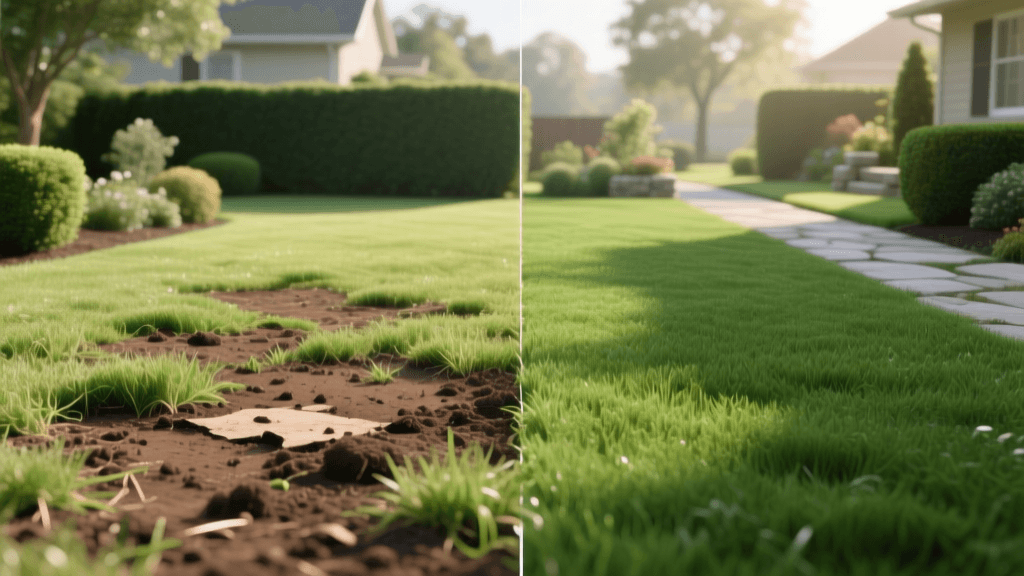
Lawn Grub Recovery: A Before and After Transformation Guide
There are few sights more heartbreaking to a dedicated homeowner than stepping outside on a crisp morning to find their once-pristine lawn looking like a battleground. If you are dealing with irregular brown patches, spongy turf, and secondary damage from foraging wildlife, you are likely in the "before" stage of a severe white grub infestation. White grubs—the larval stage of Japanese beetles, June bugs, and European chafers—feed voraciously on grassroots, severing the plant from its water and nutrient supply.
However, a devastated lawn is not a lost cause. Through a strategic combination of Integrated Pest Management (IPM), targeted eradication, and aggressive turf renovation, you can achieve a stunning "after" transformation. This guide walks you through the exact before-and-after journey of rescuing a grub-destroyed lawn, complete with product recommendations, precise measurements, and cost breakdowns.
The "Before" State: Recognizing the Devastation
In the before state, a grub-infested lawn exhibits several unmistakable visual and tactile warning signs. The transformation from a healthy green expanse to a dying landscape usually happens rapidly in late summer to early fall.
- The Spongy Feel: Walking on the affected grass feels like stepping on a freshly laid carpet or a sponge. Because the roots have been eaten away, the turf detaches from the soil profile.
- Irregular Brown Patches: Unlike fungal diseases that often present in distinct rings, grub damage appears as random, expanding brown patches that fail to respond to irrigation.
- Secondary Wildlife Damage: Skunks, raccoons, and crows will tear up the lawn to feast on the protein-rich grubs. This leaves behind deep divots and flipped-over sod, turning a simple pest issue into a landscaping nightmare.
According to the Penn State Extension, a healthy lawn can tolerate a small grub population, but when counts exceed 8 to 10 grubs per square foot, the visible "before" damage becomes severe and requires immediate intervention.
The Diagnosis: Confirming the Culprit
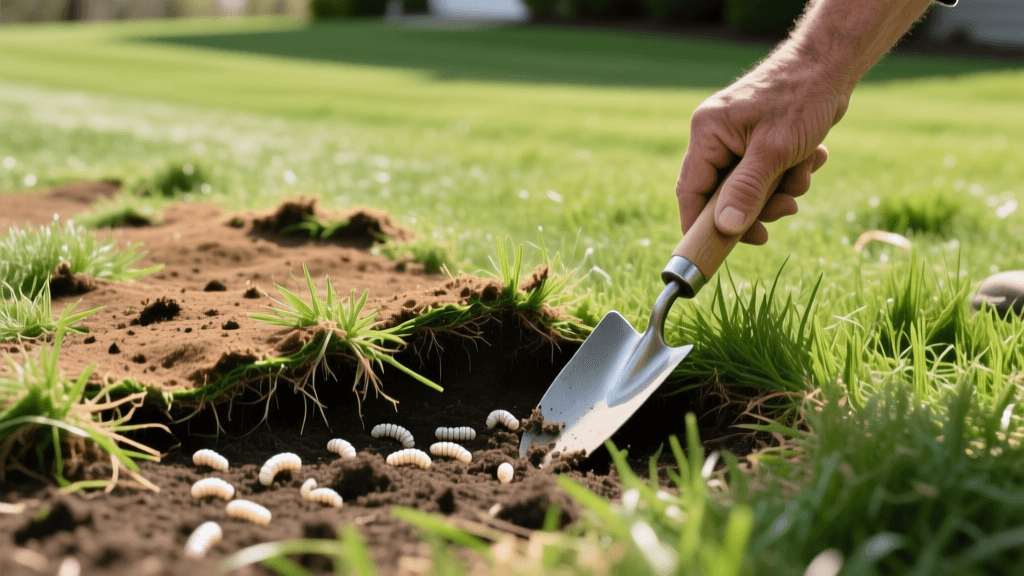
Before applying any treatments, you must confirm that grubs are the root cause. Perform the "Tug Test": grab a handful of the brown, wilting grass and pull gently. If the turf rolls up like a loose rug with no resistance and you see C-shaped, milky-white larvae with brown heads in the top two inches of soil, you have a confirmed infestation.
To get an accurate count, use a flat spade to cut a one-square-foot section of turf about two inches deep, peel it back, and count the grubs. The University of California IPM program emphasizes that accurate sampling prevents the unnecessary use of chemical pesticides, a core tenet of effective Integrated Pest Management.
The Turning Point: Eradication Strategies
The bridge between the "before" and "after" states relies on eliminating the active grub population. Your approach depends on the time of year and your preference for organic versus synthetic controls.
Curative Chemical Control (Late Summer/Early Fall)
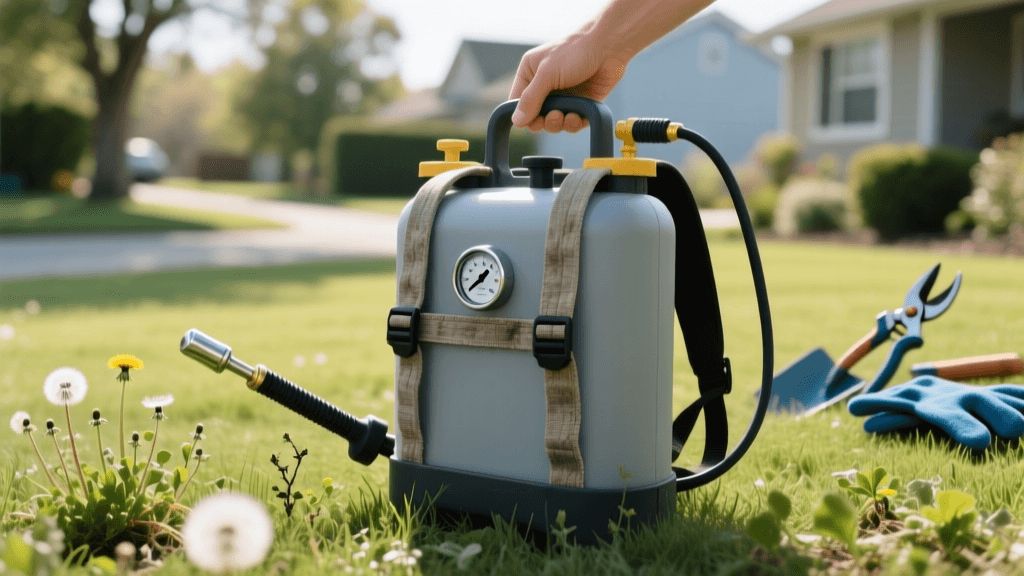
If you discover active grubs in late August or September, you need a fast-acting curative insecticide. Trichlorfon (commonly sold as Bayer Advanced 24-Hour Grub Killer or Dylox) is the industry standard for rapid knockdown.
Application Rate: Apply 2.5 to 3 pounds of granular Trichlorfon per 1,000 square feet.
Crucial Step: You must water the lawn immediately after application with at least 1/2 inch of water to move the chemical into the root zone where the grubs are feeding. Expect a 90% mortality rate within 24 to 48 hours.
Organic Biological Control
For an eco-friendly transformation, beneficial nematodes (Heterorhabditis bacteriophora) are microscopic worms that seek out and destroy grubs.
Application Rate: Apply approximately 25 million nematodes per 1/4 acre (roughly 1 million per 2,000 square feet).
Timing: Apply in the late afternoon or on a cloudy day, as UV light kills them. Keep the soil consistently moist for two weeks post-application to allow the nematodes to thrive and infect the larvae.
The "After" Transformation: Repair and Rebirth
Once the grub population is eradicated, the true "after" transformation begins. The dead patches will not magically turn green again; they require physical renovation.
- Clear the Debris: Rake out all dead grass, thatch, and loose soil. Fill in the deep divots created by foraging skunks with a 50/50 mix of topsoil and sand.
- Core Aeration: Rent a core aerator and pass over the entire lawn. This relieves soil compaction and creates ideal pockets for new seed and water penetration.
- Topdressing and Overseeding: Spread a 1/4-inch layer of finely screened compost over the bare areas. Overseed heavily using a resilient grass blend. For cool-season lawns, a mix of Tall Fescue and Kentucky Bluegrass is highly recommended. Tall Fescue develops a massive, deep root system that is far more tolerant of future pest pressure.
- The Watering Regimen: For the first 14 days, water the newly seeded areas lightly twice a day to keep the top inch of soil moist. Once germination occurs, transition to deep, infrequent watering (1 inch per week) to force the new grassroots to dive deep into the soil profile.
Expert IPM Insight: "A dense, vigorously growing turf is the best defense against white grubs. By maintaining a mowing height of 3 to 4 inches, you shade the soil, retain moisture, and encourage the deep root growth necessary to outgrow minor grub feeding." — University of Minnesota Extension
Cost and Timeline Comparison Table
Understanding the investment required for this transformation helps set realistic expectations. Below is a breakdown of the costs and timelines for a standard 5,000-square-foot lawn undergoing grub recovery.
| Phase | Action Step | Estimated Cost (5k sq ft) | Time to See Results |
|---|---|---|---|
| Diagnosis | Tug Test & Soil Sampling | $0 (DIY) | Immediate |
| Eradication | Trichlorfon Granules (Curative) | $45 - $60 | 24 - 48 Hours |
| Eradication | Beneficial Nematodes (Organic) | $60 - $85 | 7 - 14 Days |
| Renovation | Core Aeration & Compost Topdressing | $150 - $250 | Immediate Soil Improvement |
| Renovation | Premium Tall Fescue Seed (10 lbs) | $60 - $90 | 7 - 14 Days (Germination) |
| After State | Full Turf Establishment & Maturity | N/A | 6 - 8 Weeks |
Long-Term Prevention: Protecting Your Investment
The ultimate "after" state is a lawn that remains pristine year after year. To ensure you never have to repeat this arduous recovery process, implement a preventative maintenance schedule the following spring.
In late May to early June, apply a preventative insecticide containing Chlorantraniliprole (widely available as Scotts GrubEx). Unlike curative chemicals, Chlorantraniliprole is highly targeted, safe for earthworms and pollinators, and remains active in the soil for months.
Preventative Application Rate: Apply exactly 2.8 pounds per 1,000 square feet and water it in thoroughly. When the Japanese beetle and June bug eggs hatch in late July and August, the residual active ingredient will eliminate the young grubs before they can grow large enough to damage your turf or attract wildlife.
By combining curative eradication, aggressive overseeding, and smart preventative IPM strategies, your lawn's "after" transformation will not only be visually stunning but structurally resilient against future pest invasions.