Lawn Care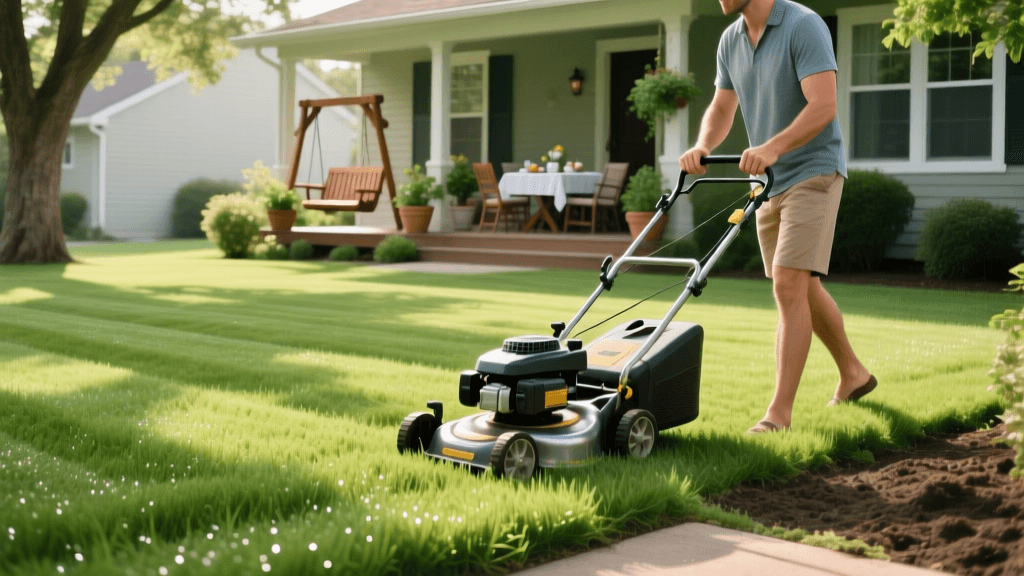
Expert Lawn Prep for Summer Entertaining and Curb Appeal
The Intersection of Lawn Health, Curb Appeal, and Hosting
When you think of curb appeal, you might picture a home's exterior paint, a manicured front porch, or vibrant landscaping beds. However, the foundation of true curb appeal—and the ultimate stage for outdoor entertaining—is a lush, thick, and meticulously maintained lawn. Whether you are hosting a graduation party, a summer barbecue, or an elegant backyard wedding, your turfgrass serves as the primary gathering space for your guests. A lawn that is patchy, weed-infested, or scalped from improper mowing can detract from the entire outdoor experience. Conversely, a vibrant, striped lawn with crisp edges signals a well-cared-for property and creates an inviting atmosphere for friends and family.
Preparing your lawn for heavy foot traffic and visual perfection requires more than a quick mow the morning of the event. It demands a strategic, multi-week approach that balances agronomic health with aesthetic styling. By following a targeted lawn care timeline, you can ensure your grass is resilient enough to withstand the party and beautiful enough to impress every guest who walks through the gate.
The 4-Week Lawn Prep Timeline for Hosting
4 Weeks Out: Deep Feeding and Soil Health
A month before your event is the ideal time to focus on the root system and overall turf density. If your lawn is looking thin or pale, a slow-release nitrogen fertilizer will provide a steady, sustained green-up without causing a massive surge in top growth that requires constant mowing. According to the Clemson University Home & Garden Information Center, timing your fertilizer applications to match your specific grass type's active growing season is critical for nutrient uptake and stress tolerance. For cool-season grasses like Kentucky Bluegrass or Tall Fescue, a light application of a balanced, slow-release fertilizer in late spring helps build carbohydrate reserves for the summer heat. For warm-season grasses like Bermuda or Zoysia, early summer is prime time for a robust nitrogen feeding to encourage aggressive lateral spread, filling in any bare patches before the party begins.
2 Weeks Out: Weed Control and Spot Treatment
Nothing ruins the visual uniformity of a lawn faster than broadleaf weeds like dandelions, clover, or plantain. Two weeks prior to your event, conduct a thorough walkthrough of your property and apply a selective post-emergent herbicide to any visible weeds. It is crucial to apply these treatments when temperatures are below 85°F to prevent chemical volatilization, which can damage surrounding desirable turf and ornamental plants. If you are close to the event date and cannot wait for herbicides to work, manual extraction using a stand-up weeding tool is a highly effective, albeit labor-intensive, alternative that guarantees immediate curb appeal without chemical stress on the lawn.
1 Week Out: Precision Edging and Hardscape Transitions
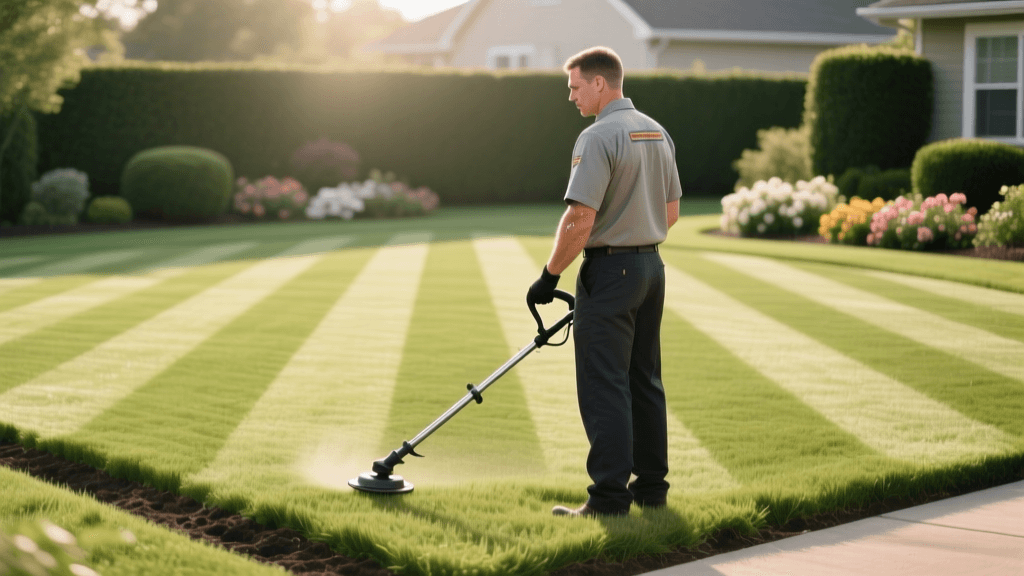
Curb appeal is defined by the lines. The contrast between a vibrant green lawn and your hardscaping (driveways, patios, and walkways) is what makes a property look professionally maintained. One week out, use a mechanical lawn edger or a flat spade to cut a crisp, 2-inch deep trench along all concrete and landscape borders. Follow up with a high-quality string trimmer to clear out any creeping grass rhizomes. This sharp delineation acts as a visual frame for your lawn, instantly elevating the perceived quality of your outdoor entertaining space.
48 Hours Before: Hydration and the Iron Trick
In the final days leading up to your gathering, your goal is to maximize color without promoting excessive growth or creating a soggy, muddy yard. If your grass is healthy but lacks that deep, dark green 'pop,' apply a liquid chelated iron supplement. Unlike nitrogen, iron darkens the grass blade almost immediately without stimulating rapid vertical growth, meaning you won't have to mow again right before the party. Additionally, ensure your lawn receives a deep, thorough watering 48 hours before the event. This allows the surface to dry out and firm up, preventing muddy footprints and sinking furniture legs, while keeping the root zone hydrated.
Mowing Techniques for Maximum Visual Impact
The mowing process is where curb appeal is truly realized. To achieve the professional 'striped' look seen on golf courses and sports fields, you need a mower equipped with a roller or a specialized striping kit attachment. The stripes are created by bending the grass blades in different directions; light reflects off the side of the blade facing you, while the tip-facing side appears darker. Alternate your mowing pattern every time you cut to prevent soil compaction and grass leaning.
Furthermore, adhering to the correct mowing height is non-negotiable for lawn health and aesthetics. Scalping the lawn to make it look 'neat' actually exposes the soil to weed seeds and increases water evaporation. The University of Minnesota Extension emphasizes that maintaining proper mowing heights encourages deeper root systems, which are essential for surviving the stress of summer heat and party foot traffic.
| Grass Type | Optimal Summer Height | Best Mower Blade Type |
|---|---|---|
| Kentucky Bluegrass | 2.5 - 3.5 inches | High-Lift Mulching |
| Tall Fescue | 3.0 - 4.0 inches | High-Lift Mulching |
| Bermudagrass | 1.0 - 2.0 inches | Reel or Standard |
| Zoysiagrass | 1.5 - 2.5 inches | Reel or Standard |
Managing High-Traffic Zones for Outdoor Parties
Even the healthiest lawn will suffer if subjected to concentrated, repetitive foot traffic, especially when combined with the weight of coolers, dining sets, and dancing guests. To protect your turf while still facilitating a great party, you must manage traffic flow strategically. Consider laying down temporary, aesthetically pleasing pathways such as interlocking rubber patio tiles, natural jute runners, or decorative stepping stones leading from the house to the main entertainment zones. This directs foot traffic away from vulnerable grass areas and prevents the creation of worn, muddy paths.
When placing heavy items like large coolers, portable bars, or heavy dining tables, use 'lawn coasters' or wide wooden planks to distribute the weight over a larger surface area. This prevents the grass crowns from being crushed into the soil, which can cause localized necrosis and dead spots. As Penn State Extension notes in their summer lawn care guidelines, turfgrass is already under significant environmental stress during the hot summer months; adding mechanical stress from heavy, stationary objects can push the grass past its recovery threshold, leading to long-term damage that requires overseeding in the fall.
Post-Party Lawn Recovery
Once the guests have departed and the patio furniture is folded away, your lawn care routine must shift from aesthetics to recovery. Begin by removing any debris, food spills, or trapped organic matter that could smother the grass or attract pests. If you notice heavily compacted areas where the majority of the party congregated, use a manual core aerator or a garden fork to puncture the soil. This relieves compaction, allowing oxygen, water, and nutrients to reach the stressed root zones. Follow up with a light application of a seaweed or kelp-based liquid fertilizer, which is rich in natural biostimulants and helps the grass recover from cellular stress and physical wear. By treating your lawn as both a beautiful landscape feature and a living, breathing ecosystem, you ensure it remains the perfect backdrop for every outdoor gathering, season after season.