
Landscaping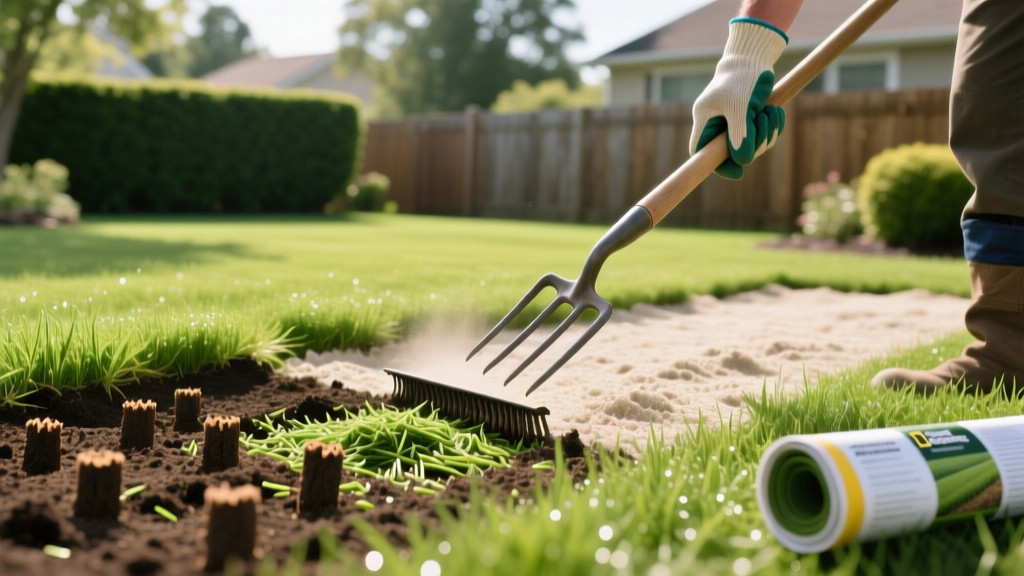
Revive Your Yard: Lawn Renovation via Aeration and Overseeding
Mike RodriguezPublished
The Landscaping Impact of a Failing Lawn
A lush, vibrant lawn is the foundational canvas of any successful landscape design. When your turf becomes thin, patchy, or overrun with weeds, it diminishes the curb appeal of your entire property and disrupts the visual flow between hardscaping elements, garden beds, and outdoor living spaces. Lawn renovation and recovery is not merely a maintenance task; it is a critical landscaping project that restores the ecological and aesthetic balance of your yard. Over time, soil compaction, heavy foot traffic, drought stress, and thatch buildup choke the root system, leading to a failing lawn. The most effective, long-term solution to recover a neglected landscape is a comprehensive renovation strategy centered on core aeration, overseeding, and topdressing.
Step 1: Soil Testing and Site Preparation
Before purchasing seed or renting equipment, you must understand the chemical and physical state of your soil. According to the Environmental Protection Agency (EPA), maintaining healthy soil biology and structure is the first line of defense against turf diseases and environmental stress. Begin by purchasing a mail-in soil test kit from your local university extension office (typically costing between $15 and $30). This test will reveal your soil's pH and nutrient deficiencies. Most turfgrasses thrive in a pH range of 6.0 to 7.0. If your soil is too acidic, you will need to apply pelletized lime; if it is too alkaline, elemental sulfur is required.
Site preparation is equally crucial. Mow your existing lawn shorter than usual, aiming for a height of about 1.5 inches. This reduces competition for sunlight and allows new seeds to reach the soil surface. Next, mark all shallow irrigation heads, cable lines, and hidden landscape lighting wires with high-visibility flags to prevent costly damage during the aeration process. If your lawn has a thatch layer thicker than 0.5 inches, rent a power dethatcher to remove the dead organic matter before proceeding.
Step 2: Core Aeration – Breaking the Compaction Barrier
Core aeration is the process of mechanically removing small plugs of soil and thatch from the lawn. This alleviates compaction, allowing oxygen, water, and nutrients to penetrate the root zone. Experts at the University of Minnesota Extension emphasize that core aeration is vastly superior to spike aeration, as spike aerators merely push soil outward, exacerbating compaction around the holes.
Rent a walk-behind core aerator from a local equipment rental center (expect to pay $70 to $100 for a half-day rental). For heavily compacted areas, such as pathways between patio pavers or high-traffic zones near outdoor kitchens, make two passes in perpendicular directions. The goal is to pull plugs that are 2 to 3 inches deep and spaced roughly 2 to 3 inches apart. Leave the extracted soil plugs on the lawn; they will break down naturally over the next few weeks, redistributing beneficial microbes back into the thatch layer and aiding in its decomposition.
Step 3: Overseeding for Density and Recovery
Overseeding introduces new, improved turfgrass varieties into your existing lawn, filling in bare spots and increasing resistance to drought and disease. Selecting the correct seed is paramount for landscaping cohesion. Ensure the seed blend matches your existing grass type and the microclimates of your yard (e.g., shade-tolerant fescues for areas near large trees, or durable Kentucky Bluegrass for open, sunny entertaining spaces).
As noted by Penn State Extension, proper seed-to-soil contact is the single most important factor in germination. Use a broadcast spreader to apply the seed at the recommended rate, then drag a piece of chain-link fence or a specialized lawn leveling rake over the area to work the seeds into the aeration holes.
Turfgrass Renovation Specifications
| Grass Type | Best Renovation Season | Overseeding Rate (per 1,000 sq ft) | Ideal Aeration Depth |
|---|---|---|---|
| Tall Fescue | Early Fall (Late Aug - Sept) | 6 - 8 lbs | 2 - 3 inches |
| Kentucky Bluegrass | Early Fall (Late Aug - Sept) | 3 - 5 lbs | 2 - 3 inches |
| Perennial Ryegrass | Early Fall or Early Spring | 5 - 7 lbs | 2 inches |
| Bermudagrass | Late Spring (May - June) | 1 - 2 lbs (Hulled) | 1 - 2 inches |
| Zoysiagrass | Late Spring (May - June) | 2 - 3 lbs | 1 - 2 inches |
Step 4: Topdressing and Starter Fertilizer
To maximize seed germination and provide a level surface that complements your hardscaping borders, apply a thin layer of topdressing. Use a finely screened, high-quality compost or a specialized topdressing mix (often a blend of sand, peat, and loam). Apply approximately 1/4 inch of compost across the lawn using a landscaping rake or a specialized compost spreader. This layer retains moisture around the seed, protects it from birds, and introduces vital organic matter to the soil profile.
Immediately following topdressing, apply a high-quality starter fertilizer. Look for a product with a high phosphorus content (the middle number in the N-P-K ratio), such as a 10-18-10 or Scotts Turf Builder Starter Food for New Grass. Phosphorus is critical for stimulating rapid root development in young seedlings. Avoid standard weed-and-feed products at all costs during renovation, as the pre-emergent herbicides will prevent your new grass seed from germinating.
Step 5: The Critical Watering Schedule
The recovery of your landscape hinges entirely on your watering discipline during the first 21 days. New grass seed must remain consistently moist, but not waterlogged, to survive. Set your irrigation system or oscillating sprinklers to run 2 to 3 times per day for short bursts (about 5 to 10 minutes each session). The goal is to keep the top half-inch of soil damp. If the seed dries out even once during the germination phase, it will die.
Once the new grass reaches a height of 2 inches, gradually reduce the frequency of watering while increasing the duration. Transition to deep, infrequent watering (e.g., 1 inch of water per week applied in one or two sessions) to encourage the roots to grow deeply into the aeration channels. This deep root growth is essential for creating a drought-tolerant lawn that requires less supplemental irrigation during the peak of summer.
Budgeting for Lawn Renovation
Integrating lawn recovery into your annual landscaping budget requires an understanding of the associated costs. While professional landscaping companies charge a premium for renovation services, the DIY approach offers substantial savings. Below is an estimated cost breakdown for a standard 5,000 square foot lawn.
Estimated DIY Renovation Costs (5,000 sq ft)
| Material / Equipment | Estimated Cost | Notes |
|---|---|---|
| Soil Test Kit | $20 - $30 | One-time laboratory fee |
| Core Aerator Rental | $80 - $120 | Half-day rental rate |
| Premium Grass Seed | $100 - $180 | Varies by grass species and brand |
| Starter Fertilizer | $40 - $60 | Covers 5,000 sq ft |
| Topdressing Compost | $100 - $150 | Bulk delivery or bagged equivalent |
| Total Estimated Cost | $340 - $540 | Approx. $0.07 - $0.11 per sq ft |
Integrating the Recovered Lawn into Your Landscape
Once your lawn has fully recovered and been mowed for the first few times, take the opportunity to redefine the edges. A sharply defined turf line dramatically elevates the overall landscaping aesthetic. Use a manual half-moon edger or a mechanical bed edger to create a crisp, 4-inch deep trench between the grass and your garden beds, mulch rings, or stone pathways. This physical barrier not only prevents aggressive grass rhizomes from invading your carefully planned garden beds but also creates a clean, professional transition that highlights the contrast between the vibrant green turf and your hardscaping or floral elements.
By committing to this rigorous renovation process, you are not just planting grass; you are rebuilding the ecological foundation of your outdoor space. A thick, deeply rooted lawn naturally suppresses weeds, reduces soil erosion near retaining walls, and provides a lush, inviting carpet that ties your entire landscape design together.

