Lawn Care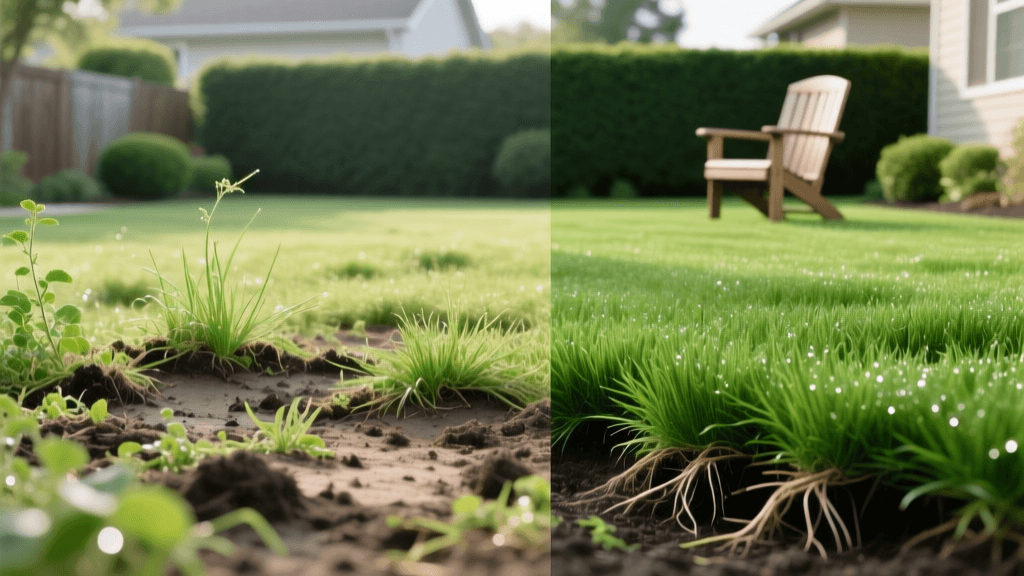
Lawn Renovation Before and After: Reviving Dead Grass
The Ugly Duckling: Assessing the Before State
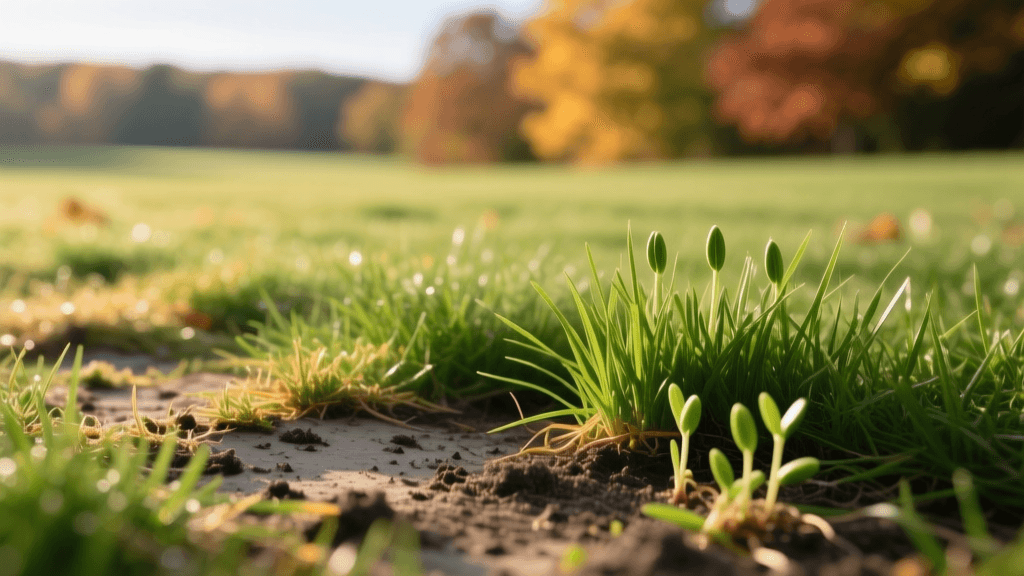
Every neighborhood has that one yard that seems beyond saving. For our 90-day transformation project, we started with a classic example of a neglected cool-season lawn in a transitional climate zone. The "before" state was a textbook case of environmental stress and poor maintenance. Visually, the 5,000-square-foot yard was a patchwork nightmare: roughly 40% of the turf was overrun by aggressive summer annuals like crabgrass and spurge, another 30% consisted of bare, cracked clay dirt, and the remaining 30% was a thin, pale, and struggling stand of generic Kentucky Bluegrass and fine fescue.
Beneath the surface, the problems were even worse. A screwdriver test revealed severe soil compaction; it was nearly impossible to push a standard six-inch screwdriver into the ground past the first inch. Furthermore, a thick layer of hydrophobic thatch was preventing whatever little water the lawn received from penetrating the soil profile. To achieve a true lawn renovation before and after transformation, a simple overseeding would not suffice. We needed a complete ecological reset of the soil and turf canopy.
Step 1: Soil Testing and Targeted Eradication (Days 1-14)
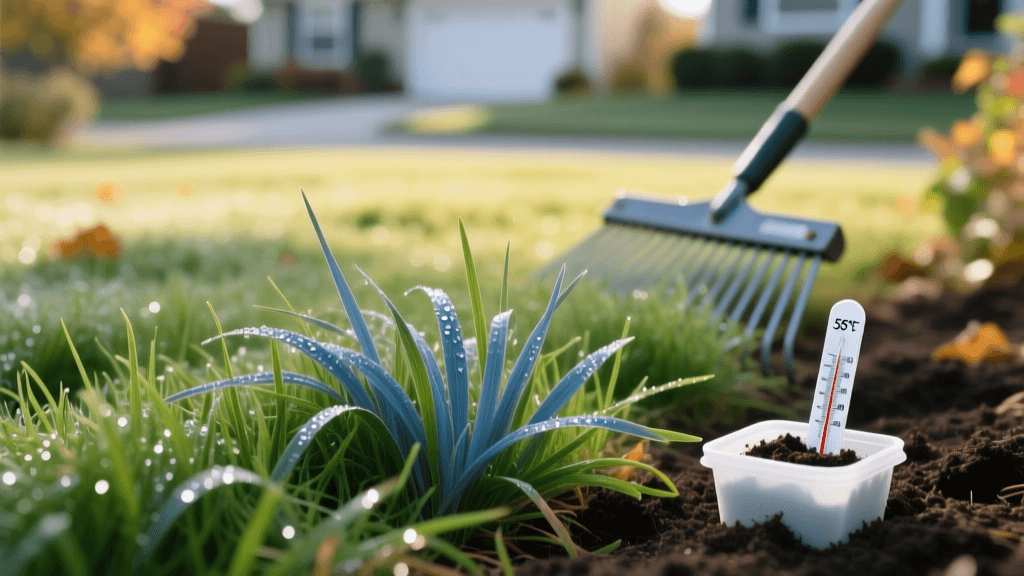
The foundation of any successful lawn transformation begins out of sight. We pulled core samples from five different areas of the yard and sent them to a university extension lab. The results confirmed our suspicions: the soil pH was a highly acidic 5.4, and phosphorus levels were critically deficient. According to turfgrass experts at the Penn State Turfgrass Program, cool-season grasses thrive in a pH range of 6.0 to 7.0; outside this window, essential nutrients become locked up and unavailable to the roots.
To address the existing weed pressure without resorting to a total chemical kill-off (which would leave the yard looking like a dirt lot for months), we opted for a selective approach using Mesotrione, an active ingredient found in herbicides like Tenacity. Unlike traditional post-emergent herbicides, Mesotrione inhibits photosynthesis in target weeds while actually providing a protective bleaching effect that is safe for newly germinating Tall Fescue seeds. We applied 1 teaspoon of Tenacity mixed with a non-ionic surfactant per 1,000 square feet. As the Environmental Protection Agency (EPA) notes, always follow label instructions precisely when handling selective herbicides to ensure environmental safety and optimal efficacy.
Step 2: Core Aeration and Soil Amendment (Days 15-18)
With the weeds actively declining, it was time to relieve the severe soil compaction. We rented a heavy-duty, walk-behind core aerator (specifically a Billy Goat model) from a local equipment rental center. The goal was not just to poke holes, but to physically remove 3-inch deep soil plugs to allow air, water, and nutrients to reach the root zone. We made three distinct passes over the entire 5,000-square-foot area in a crisscross pattern, resulting in roughly 15 to 20 holes per square foot.
Immediately following aeration, we applied 50 pounds of fast-acting pelletized calcitic lime to begin correcting the acidic pH, followed by a light top-dressing of organic compost. The compost was dragged into the aeration holes using a landscaping drag mat, effectively creating vertical columns of rich organic matter that would serve as a highway for new grassroots.
Step 3: Overseeding with Turf-Type Tall Fescue (Days 19-20)
For the "after" state, we chose a premium Turf-Type Tall Fescue (TTTF) blend. TTTF is renowned for its deep root system, drought tolerance, and dark green color, making it vastly superior to the existing weak grasses. Using a rotary broadcast spreader, we applied the seed at a heavy renovation rate of 10 pounds per 1,000 square feet.
Seed-to-soil contact is the most critical factor in germination. To ensure the seeds were nestled into the compost and aeration holes, we followed up with a second pass using the core aerator. Finally, we applied a high-phosphorus starter fertilizer with an NPK ratio of 18-24-12 to fuel rapid root development in the new seedlings.
Step 4: The Germination Watering Schedule (Days 21-45)
A lawn renovation before and after success story lives or dies by the watering schedule. Tall Fescue seeds must remain consistently moist to germinate, which typically takes 10 to 14 days. We installed a smart irrigation controller and programmed the following schedule:
- Weeks 1-3: Water for 10 minutes, three times a day (early morning, noon, and late afternoon) to keep the top inch of soil perpetually damp.
- Weeks 4-6: Reduce frequency to once a day for 20 minutes, encouraging the young roots to stretch deeper into the soil profile to seek moisture.
- Week 7 and Beyond: Transition to a deep and infrequent watering schedule of 1 inch of water per week, applied in one or two heavy sessions.
Transformation Cost Breakdown
Budgeting is a major concern for homeowners looking to revive a dead lawn. Below is the exact cost breakdown for our 5,000-square-foot transformation project, utilizing consumer-grade products and weekend equipment rentals.
| Renovation Item | Cost per 1,000 sq ft | Total Cost (5,000 sq ft) |
|---|---|---|
| Comprehensive Soil Test | $30 (Flat Fee) | $30.00 |
| Core Aeration Rental | $20.00 | $100.00 |
| Premium TTTF Seed Blend | $45.00 | $225.00 |
| Starter Fertilizer (18-24-12) | $15.00 | $75.00 |
| Mesotrione Herbicide | $8.00 | $40.00 |
| Fast-Acting Lime & Compost | $12.00 | $60.00 |
| Total Estimated Cost | $130.00 | $530.00 |
At roughly $530, this DIY renovation costs a fraction of hiring a professional landscaping crew, which typically charges between $1,500 and $2,500 for a full-scale aeration and overseeding project of this size.
The After State: Day 90 and Long-Term Maintenance
By Day 90, the transformation was nothing short of spectacular. The pale, weed-choked yard was gone, replaced by a dense, dark emerald carpet of Turf-Type Tall Fescue. The new grass was so thick that it naturally shaded out any remaining crabgrass seeds, preventing them from germinating. The soil, now aerated and amended, absorbed rainfall efficiently, eliminating the muddy runoff issues the homeowner previously faced.
To maintain this lush "after" state, we established a strict long-term maintenance routine based on guidelines from the University of Minnesota Extension. This includes applying a pre-emergent herbicide in early spring to block crabgrass, executing a heavy fall fertilization schedule to build winter root reserves, and adhering to the "one-third rule" for mowing—never removing more than one-third of the grass blade height in a single cut.
Common Mistakes That Ruin Lawn Transformations
If you are planning your own before and after lawn renovation, avoid these critical pitfalls:
- Applying Standard Pre-Emergents: Products containing Prodiamine or Dithiopyr will stop your new grass seed from germinating. Only use seed-safe pre-emergents like Tenacity or Siduron during a renovation.
- Mowing Too Early or Too Short: Wait until the new grass reaches at least 4 inches before the first mow, and set your mower deck to a minimum of 3.5 inches. Scalping a newly renovated lawn will expose the soil to sunlight, triggering a massive weed flush.
- Dull Mower Blades: New grass blades are incredibly tender. A dull mower blade will tear and shred the tissue, leaving the lawn vulnerable to fungal diseases like brown patch.
- Skipping the Soil Test: Guessing your soil's pH and nutrient levels is a waste of money. Without a soil test, you might apply the wrong amendments, locking out vital nutrients and stunting your new lawn's growth.
"A successful lawn renovation is not just about planting new seed; it is about rebuilding the soil ecosystem from the ground up. The visual transformation above ground is merely a reflection of the biological health you have restored below the surface."
Transforming a dead, compacted lawn into a vibrant outdoor living space requires patience, precise timing, and a willingness to invest in proper soil preparation. By following this exact 90-day protocol, you can achieve a stunning lawn renovation before and after result that will be the envy of the neighborhood for years to come.