Lawn Care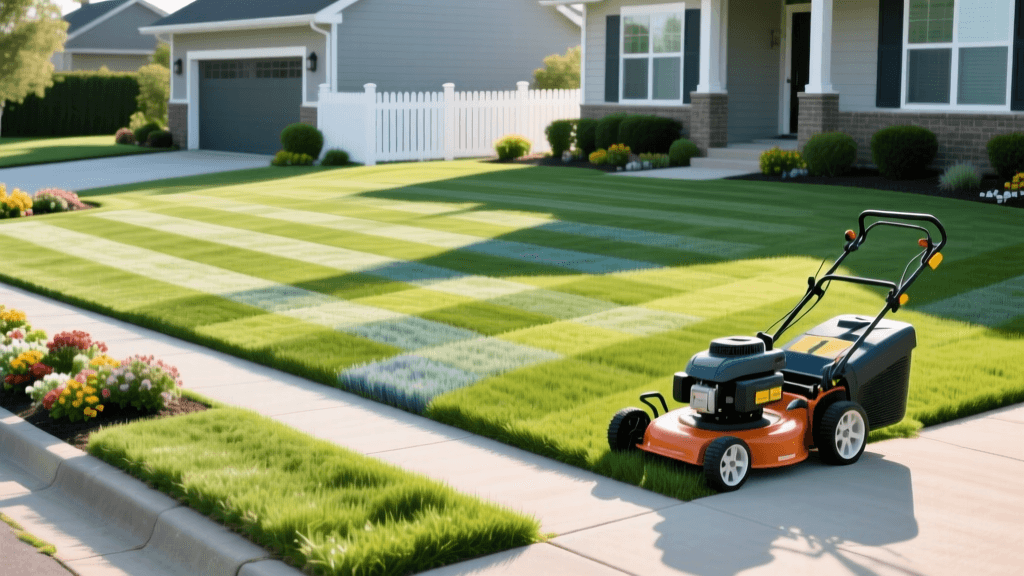
Lawn Striping and Edging for Flawless Outdoor Curb Appeal
The Psychology of Curb Appeal in Outdoor Entertaining
When you host a backyard barbecue, a summer wedding reception, or a casual weekend gathering, the environment you create sets the tone for the entire event. While most homeowners focus on patio furniture, outdoor lighting, and landscaping beds, the lawn itself is the largest and most visible canvas in your yard. A meticulously manicured lawn with professional-grade striping and crisp edging instantly elevates your property's curb appeal and signals to your guests that you pay attention to the finest details.
Curb appeal is not solely reserved for those looking to sell their homes. For the avid outdoor entertainer, a pristine lawn serves as a lush, inviting carpet that defines your outdoor living spaces. Precision edging creates a psychological boundary that separates the wildness of nature from the structured comfort of your hardscaped entertaining areas. In this comprehensive guide, we will explore the science, tools, and techniques required to achieve a stadium-quality lawn that will leave your guests in awe.
The Science Behind Lawn Striping
Lawn striping is not an optical illusion created by cutting the grass at different heights. Instead, it is a manipulation of light reflection. Grass blades possess a glossy, reflective top surface and a more matte, light-absorbing underside. When you bend the grass blades away from you, the glossy side catches the sunlight, creating a bright, light-green stripe. Conversely, when the blades are bent toward you, the matte underside absorbs more light, resulting in a dark, rich green stripe.
To achieve this effect, the grass must be healthy, adequately hydrated, and cut with a razor-sharp blade. Dull mower blades tear the grass tissue, leading to frayed, whitish tips that scatter light unpredictably and ruin the striping effect. Furthermore, the grass must be tall enough to bend and hold the shape. Mowing too short will cause the blades to stand straight up, eliminating the contrast necessary for visible stripes.
Essential Tools for the Perfect Stripe
While you can create mild striping effects simply by alternating your mowing direction, true professional results require specialized equipment designed to bend and press the grass down evenly. Here is a comparison of the most effective tools for the job.
| Tool Type | Estimated Cost | Pros | Cons | Best For |
|---|---|---|---|---|
| Push-Mower Striping Kit | $30 - $60 | Lightweight, easy to attach, affordable | Can be flimsy on uneven terrain | Standard suburban yards (under 1/2 acre) |
| Water-Filled Lawn Roller | $80 - $150 | Creates deep, long-lasting stripes | Heavy, risk of soil compaction if overused | Large, flat lawns with firm soil |
| Tow-Behind Striper | $120 - $250 | Covers wide swaths quickly, heavy-duty | Requires a riding mower or ATV | Acreage and expansive estates |
| DIY PVC/Astroturf Flap | $10 - $20 | Highly customizable, extremely cheap | Requires DIY skills, may drag unevenly | Budget-conscious DIY enthusiasts |
Step-by-Step Guide to Mowing Professional Stripes
Achieving a flawless stripe pattern requires patience and a systematic approach. Follow these steps to prepare your lawn for your next big outdoor event:
- Prepare the Canvas: Ensure your lawn is dry. Wet grass clumps together and bends unevenly, ruining the stripe definition. Sharpen your mower blades to guarantee a clean cut.
- Mow the Perimeter: Start by mowing a wide border around the entire edge of your lawn. This creates a turning zone so you don't have to make tight, grass-tearing turns in the middle of your striped patterns.
- Establish a Straight Line: Pick a fixed focal point in the distance (a tree, a fence post, or a patio umbrella) and mow your first pass straight toward it. Do not look down at the mower deck; looking ahead ensures a perfectly straight line.
- Overlap Your Passes: On your return pass, overlap the previous stripe by 2 to 3 inches. This ensures no uncut strips are left behind and helps align the striping kit perfectly with the previous bend.
- Execute the Turn: When you reach the perimeter turning zone, execute a wide, sweeping Y-turn or a multi-point turn to avoid creating ruts and tearing the turf at the ends of your stripes.
Advanced Patterns for Entertaining Spaces
Once you have mastered basic parallel stripes, you can elevate your curb appeal with advanced patterns that serve as conversation starters for your guests.
- The Checkerboard: Mow the entire lawn in parallel stripes in one direction. Then, mow the entire lawn again in parallel stripes perpendicular to your first pass. This creates a striking, high-contrast checkerboard effect that looks incredible beneath outdoor dining sets.
- The Diagonal Diamond: Similar to the checkerboard, but you mow your passes at a 45-degree angle to your property lines. This draws the eye across the yard and can make a narrow entertaining space appear much wider and more expansive.
- The Sunburst: Ideal for circular lawns or areas around a central fire pit. You mow outward from the center point in a radial pattern, creating a dynamic, energetic look that naturally draws guests toward the center gathering space.
Precision Edging: Framing Your Outdoor Oasis
Striping provides the pattern, but edging provides the frame. Without crisp, defined edges, even the most beautifully striped lawn will look unkempt. Edging separates your turf from your patios, walkways, and garden beds, preventing grass from creeping into your entertaining zones and giving your landscape a tailored, custom-fit appearance.
For the ultimate curb appeal, you should aim for a 90-degree vertical trench between your lawn and your hardscape. Here is how to achieve and maintain it:
- Define the Line: Use a garden hose to lay out smooth, sweeping curves along your garden beds. For straight lines along patios, use a chalk line or a tight string.
- Cut the Trench: Use a manual half-moon edger or a gas-powered stick edger to cut a trench approximately 4 inches deep and 2 inches wide along the boundary. Remove the loose soil and turf to create a clean void.
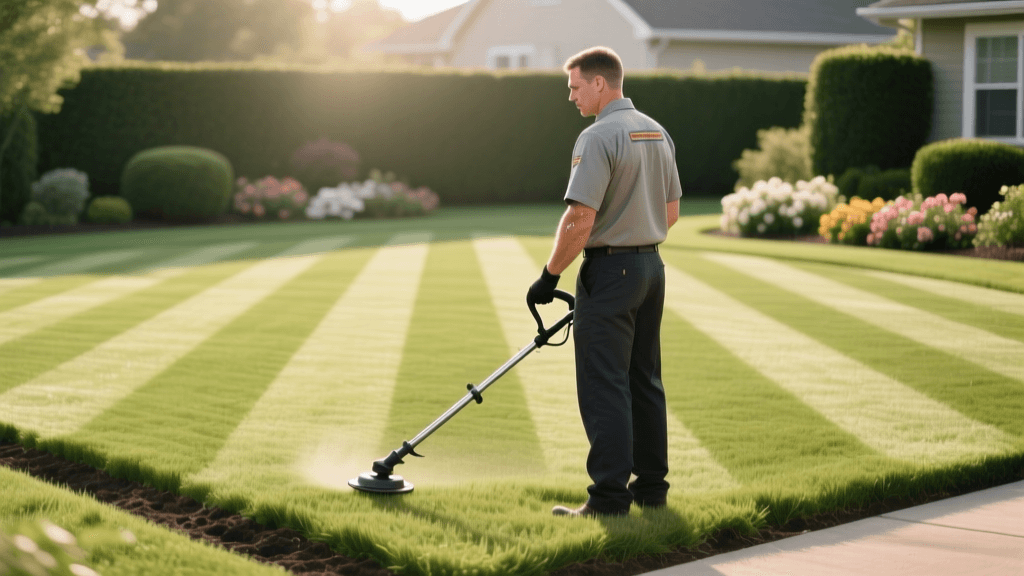
- Maintain the Edge: Between major edging sessions, use a string trimmer tilted at a 90-degree angle to lightly shave away any grass attempting to grow over the hardscape. This weekly maintenance takes only minutes but keeps the yard looking professionally managed.
Best Grass Types for Striping and Entertaining
Not all grasses bend and hold stripes equally. Cool-season grasses generally stripe better than warm-season grasses due to their broader, more flexible blades. Additionally, for outdoor entertaining, the grass must tolerate high foot traffic from guests, pets, and lawn games.
| Grass Type | Season | Striping Quality | Traffic Tolerance | Ideal Mowing Height |
|---|---|---|---|---|
| Kentucky Bluegrass | Cool | Excellent | High | 2.5 - 3.5 inches |
| Perennial Ryegrass | Cool | Very Good | Very High | 2.0 - 3.0 inches |
| Tall Fescue | Cool | Moderate (stiff blades) | High | 3.0 - 4.0 inches |
| Bermudagrass | Warm | Excellent (if kept short) | Exceptional | 1.0 - 2.0 inches |
| Zoysiagrass | Warm | Good | Moderate | 1.5 - 2.5 inches |
Seasonal Maintenance for a Party-Ready Lawn
A beautiful lawn requires more than just a good mowing technique; it requires a foundation of robust health. Mowing height is a critical factor in both the visual appeal and the biological health of your turf. As noted by Penn State Extension, removing more than one-third of the grass blade during a single mowing session can severely stress the plant, leading to shallow root systems and increased susceptibility to drought and disease. Maintaining the proper height ensures the grass has enough surface area for photosynthesis, which fuels the rapid recovery needed after a weekend of heavy foot traffic from your guests.
Furthermore, the University of Minnesota Extension emphasizes the importance of sharp mower blades and varying your mowing patterns to prevent soil compaction and grass leaning. While striping requires you to mow in specific directions to create patterns, you should subtly shift the angle of your stripes by 10 to 15 degrees every other week. This prevents the grass from permanently training itself to lay flat in one direction, which can lead to thatch buildup and weak stems.
Finally, to keep your lawn vibrant and dark green—enhancing the contrast of your stripes—implement a balanced fertilization schedule. A slow-release nitrogen fertilizer applied in the early spring and early fall will provide the steady nutrition required for thick, lush growth. Combine this with deep, infrequent watering (about 1 to 1.5 inches per week) to encourage deep root growth, ensuring your lawn remains resilient and breathtakingly beautiful no matter how many guests you entertain this season.