Lawn Care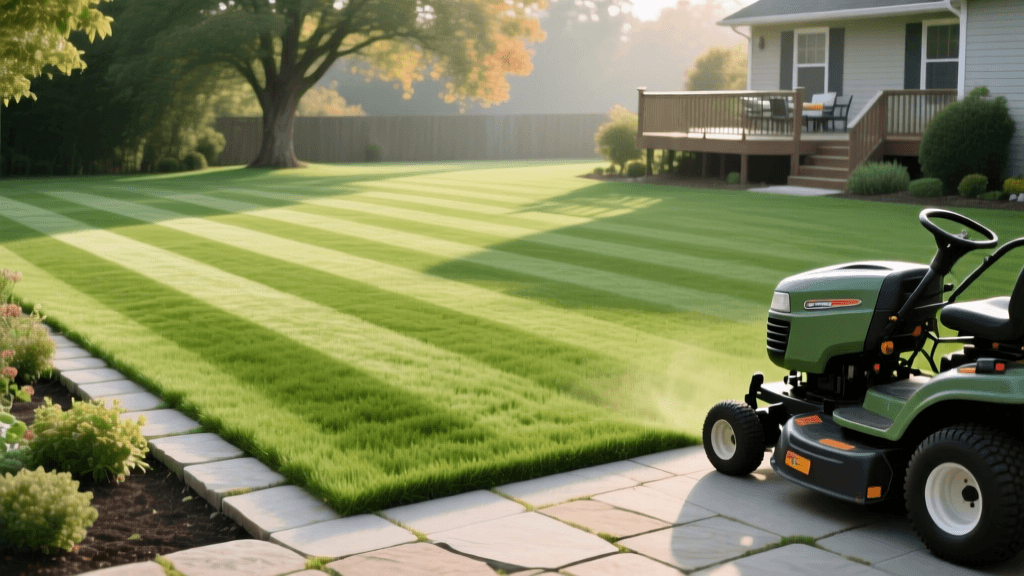
Lawn Striping and Edging Techniques to Boost Curb Appeal
The First Impression: Why Lawn Aesthetics Matter for Entertaining
When you host an outdoor gathering, whether it is a casual weekend barbecue or an elegant evening garden party, your lawn serves as the foundation of your event space. Curb appeal is not just about impressing the neighbors; it sets the tone for your guests the moment they pull into the driveway. A meticulously maintained lawn with crisp edges and professional-looking stripes transforms a standard backyard into a high-end venue. Achieving this manicured look requires more than just pushing a mower in random circles. It demands an understanding of turfgrass optics, the right equipment, and strategic timing to ensure your grass is vibrant, resilient, and ready to handle foot traffic.
The Science of Lawn Striping
Lawn striping is essentially an optical illusion created by the way light reflects off grass blades. When you mow your lawn, the mower's weight and the striping kit bend the grass blades in the direction of travel. Grass blades bent away from you reflect less light, appearing dark green or shadowed. Conversely, blades bent toward you reflect the sun's rays, appearing bright green. According to turf management guidelines from the University of Minnesota Extension, maintaining proper mowing heights and sharp blades is critical to achieving this effect without damaging the turf.
It is important to note that cool-season grasses, such as Kentucky Bluegrass, Perennial Ryegrass, and Tall Fescue, stripe beautifully because their blades are highly flexible. Warm-season grasses, like Bermuda and Zoysia, have stiffer, more fibrous blades that tend to snap back upright, making sharp striping more challenging but not impossible with the right heavy-duty equipment.
Choosing the Right Striping Equipment
You do not necessarily need a commercial groundskeeping rig to achieve stadium-quality stripes. However, adding the right attachment to your existing mower makes a significant difference. Below is a comparison of popular striping methods to help you choose the best option for your yard size and budget.
| Equipment Type | Best For | Estimated Cost | Pros | Cons |
|---|---|---|---|---|
| Roller Striping Kit | Zero-turn & Riding Mowers | $75 - $175 | Creates deep, long-lasting stripes; bends grass effectively. | Heavier; requires specific mounting brackets. |
| Flap / Brush Kit | Standard Push Mowers | $20 - $50 | Lightweight; universal fit; inexpensive. | Stripes fade faster; less defined contrast. |
| Manual Lawn Roller | Small Yards & Post-Mow | $80 - $150 | No mower modifications required; great for seed contact. | Highly labor-intensive; slow process. |
| Commercial Stand-On | Large Estates & Pros | $5,000+ | Ultimate stripe quality; built-in heavy rollers. | Prohibitive cost for most homeowners. |
Step-by-Step Guide to Mowing Professional Stripes
To create a classic checkerboard or straight-line pattern for your next outdoor event, follow this systematic approach:
- Mow the Perimeter: Start by mowing a wide perimeter pass around the entire lawn. This creates a clean boundary and gives you room to turn your mower around without tearing up the grass in the main viewing areas.
- Establish a Straight Line: Pick a fixed focal point in the distance (a tree, a fence post, or a corner of your house) to ensure your lines remain perfectly straight. Do not look down at the mower deck.
- Overlap Your Passes: As you mow back and forth, overlap your previous pass by about 2 to 3 inches. This prevents uncut strips of grass from ruining the pattern and ensures every blade is bent uniformly.
- Execute Teardrop Turns: When you reach the end of a row, do not perform a tight, zero-radius turn, which will scalp the turf and leave ugly tire marks. Instead, make a wide, teardrop-shaped turn in the perimeter zone to line up for your next pass.
- Cross-Cut for Checkers: For a checkerboard pattern, mow the entire lawn in straight parallel lines (North to South), and then mow the entire lawn again perpendicular to your first pass (East to West).
Edging: The Crisp Border That Frames Your Lawn
Striping draws the eye across the lawn, but edging defines its boundaries. A sharp, 90-degree edge where the grass meets the driveway, walkway, or garden beds instantly elevates your property's curb appeal. The University of California Integrated Pest Management program emphasizes that proper edging and trimming not only improve aesthetics but also prevent grass from invading hardscapes and flower beds, reducing long-term maintenance.
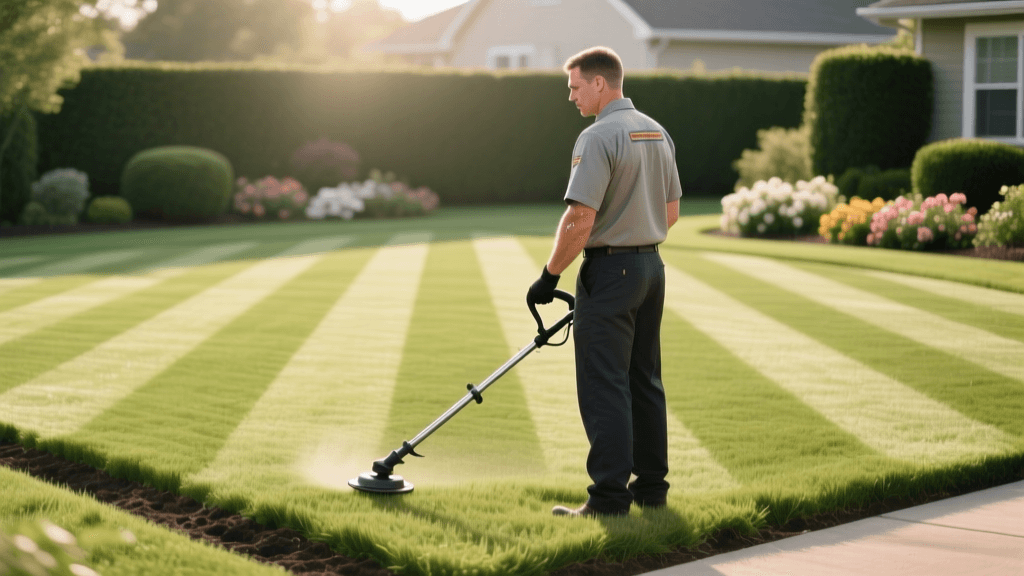
For the cleanest cuts, use a dedicated power edger or a manual half-moon edging spade. Run the edger along all concrete borders to clear out dirt and overgrowth, exposing the concrete lip. Follow up with a string trimmer to shave away any stray blades of grass leaning over the pavement. Always wear safety glasses and closed-toe shoes, as edging frequently kicks up small debris and pebbles.
Rapid Green-Up Tactics Before the Big Event
If your party is only a week away and your lawn is looking pale or yellowish, avoid the temptation to dump heavy doses of nitrogen fertilizer on the yard. High-nitrogen fertilizers force rapid, weak top-growth that requires constant mowing, leaves messy clippings on your guests' shoes, and increases susceptibility to fungal diseases in humid summer weather.
Instead, apply a chelated liquid iron supplement (such as LawnStar Chelated Liquid Iron or a similar Fe-EDTA product). Iron darkens the chlorophyll in the grass, providing a deep, rich emerald green color within 24 to 48 hours without triggering a massive growth surge. Apply the iron in the early morning when the grass is dry, and water it in lightly to prevent any potential leaf burn. This gives you the visual impact of a lush lawn without the maintenance headache right before your guests arrive.
Protecting High-Traffic Zones During Gatherings
Even the healthiest turf will suffer if dozens of guests congregate in the same spot, leading to soil compaction and torn grass blades. To protect your curb appeal during the event, strategically manage foot traffic. Place decorative stepping stones, temporary wooden walkways, or outdoor rugs in high-traffic corridors, such as the path from the back door to the grill, or around the buffet table.
Furthermore, ensure your soil is properly aerated in the weeks leading up to the event. Core aeration relieves soil compaction, allowing water and oxygen to reach the root zone, which makes the grass significantly more resilient to the stress of foot traffic. According to turf specialists at Missouri Extension, maintaining a robust root system through proper mowing heights (never removing more than one-third of the blade at a time) is the best defense against wear and tear.
The 48-Hour Pre-Party Lawn Checklist
To ensure your outdoor space is flawless when the first guest arrives, follow this timeline:
- 48 Hours Out: Apply liquid iron for a rapid green-up. Edge all walkways and garden beds. Hand-pull any visible broadleaf weeds like dandelions or clover.
- 24 Hours Out: Mow the lawn with your striping kit. Ensure your mower blades are freshly sharpened to prevent frayed, brown grass tips. Blow off all clippings from hardscapes and patio furniture.
- 12 Hours Out: Water the lawn deeply but briefly to settle any dust, allowing the grass blades to stand up proudly. (Avoid watering immediately before the party to prevent muddy shoes).
- 1 Hour Out: Set out traffic-management rugs or stepping stones. Do a final walk-around with a string trimmer to catch any stray blades that grew overnight.
By combining the optical science of lawn striping, precision edging, and smart turf nutrition, you can create a breathtaking outdoor environment that will leave your guests in awe and make your home the premier destination for neighborhood entertaining.