Lawn Care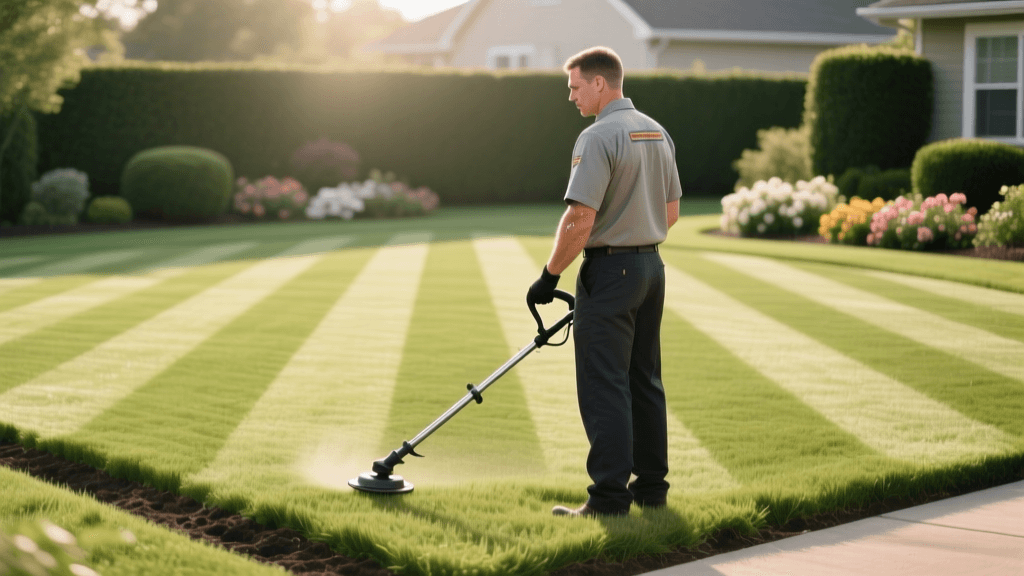
Lawn Striping and Edging Tips for Stunning Curb Appeal
The Power of a Manicured Lawn for Entertaining
When you host a backyard barbecue, a garden party, or an open house, the first thing your guests notice before they even reach the patio is the lawn. A lush, meticulously manicured yard sets the tone for your entire event, elevating your home's curb appeal and creating an inviting atmosphere for outdoor entertaining. While many homeowners focus on planting vibrant flower beds or investing in high-end patio furniture, the most impactful upgrade you can make to your outdoor space is mastering the art of lawn striping and edging. These professional landscaping techniques transform an ordinary patch of grass into a pristine, golf-course-quality canvas that will leave your guests in awe.
Whether you are preparing for a major summer holiday gathering or simply want to boost your property value and neighborhood standing, achieving perfect stripes and razor-sharp edges requires the right knowledge, tools, and timing. This comprehensive guide will walk you through the science, tools, and step-by-step methods to achieve a party-ready lawn.
The Science Behind Lawn Striping
Striping is not an illusion created by different shades of paint, alternating grass species, or varying mowing heights. The visual effect is entirely based on light reflection. When you mow your lawn, the mower deck and rollers bend the grass blades in the direction you are traveling. Grass blades bent away from you reflect light differently than blades bent toward you. The blades bent away from you expose more surface area to the sun, appearing lighter, while the blades bent toward you show their shaded undersides, appearing darker. According to turfgrass experts at the University of Minnesota Extension, maintaining a healthy, dense turf is the foundational requirement for this light reflection to work effectively.
Essential Tools for the Perfect Stripe
You do not need a commercial-grade maintenance budget to achieve professional results, but you do need the right equipment. Here is what you need to invest in:
- Striping Kits: If you own a standard rotary push mower or a zero-turn mower, you can purchase an aftermarket striping kit. These kits typically consist of a heavy rubber mat or a weighted roller that attaches to the rear of the mower deck, pressing the grass down firmly as you pass. Popular options include the Toro Stripe Kit or the Big League Easy Lawn Striping Kit, which generally cost between $50 and $150.
- Reel Mowers: For the absolute crispest stripes, a commercial or high-end residential reel mower is the gold standard. The heavy rear roller naturally bends the grass perfectly. However, these can cost upwards of $1,500 to $3,000 and require specialized blade sharpening.
- Dedicated Lawn Edger: A string trimmer is not sufficient for true curb appeal. You need a dedicated stick edger or walk-behind edger with a steel blade to carve out a physical trench between the lawn and the hardscape. The Worx WG896 Electric Lawn Edger (around $100) or gas-powered options from STIHL or Honda ($250 to $400) are excellent choices.
Grass Types and Striping Potential
Not all grasses are created equal when it comes to bending and holding a stripe. Cool-season grasses generally have wider, more flexible blades that hold stripes beautifully, while warm-season grasses can be more rigid and wiry. Below is a comparison chart to help you understand your lawn's potential.
| Grass Type | Season | Striping Quality | Ideal Mowing Height | Recovery Time |
|---|---|---|---|---|
| Kentucky Bluegrass | Cool | Excellent | 2.5 - 3.5 inches | Fast |
| Perennial Ryegrass | Cool | Very Good | 2.0 - 3.0 inches | Fast |
| Tall Fescue | Cool | Good | 3.0 - 4.0 inches | Moderate |
| Bermudagrass | Warm | Moderate to Good | 1.0 - 2.0 inches | Very Fast |
| Zoysiagrass | Warm | Moderate | 1.5 - 2.5 inches | Slow |
As noted by Penn State Extension, you should never remove more than one-third of the grass blade in a single mowing session. Cutting grass too short (scalping) damages the crown, invites weeds, and severely reduces the blade surface area needed to create high-contrast stripes.
Step-by-Step Guide to Perfect Lawn Stripes
Creating a pattern requires focus and a bit of geometry. Here is how to execute the classic checkerboard pattern, which is highly impressive for large entertaining spaces.
Step 1: The Perimeter Pass
Start by mowing a wide perimeter around the entire lawn. This creates a turning zone so you do not have to make sharp, turf-tearing turns on your patterned grass. Keep your head up and look at a fixed focal point in the distance, such as a tree, a fence post, or a corner of your house, to ensure your lines remain perfectly straight.
Step 2: The First Set of Parallel Lines
Mow straight lines across the lawn, alternating your direction on each pass. Mow away from the house on the first pass, then turn around on the perimeter strip and mow back toward the house. Overlap each pass by about two to three inches to ensure no uncut strips are left behind and to create a seamless transition between light and dark bands.
Step 3: The Y-Turn
When you reach the end of a row and need to turn around on the perimeter strip, use a Y-turn or a three-point turn rather than a tight zero-radius spin. Tight spins on hot days can twist and tear the turf, leaving ugly brown tire marks that will ruin the aesthetic of your party space.
Step 4: The Perpendicular Pass (Checkerboard)
Once the first set of lines is complete, mow a second set of lines perpendicular to the first. You will now be crossing over the alternating light and dark stripes, creating the iconic checkerboard effect. This pattern draws the eye and makes large yards look incredibly structured and formal.
Mastering the Edge: The Frame of Your Lawn
If striping is the artwork, edging is the frame. A lawn with beautiful stripes but overgrown, sloppy edges will still look unkempt. Edging creates a physical barrier that stops grass from creeping into your garden beds, driveways, and walkways, providing a crisp, architectural finish that screams high-end curb appeal.
The Technique:
- Use a steel-bladed edger to cut a trench along the hardscape or garden bed. The trench should be about 3 to 4 inches deep and 1 to 2 inches wide.
- Keep the blade perfectly vertical for a 90-degree angle against concrete driveways and sidewalks. For garden beds, a slight angle away from the bed helps prevent mulch from spilling onto the grass.
- After edging, use a leaf blower or a stiff push broom to clear all soil and grass clippings from the hardscape. Leaving debris on the driveway immediately negates the clean look you just achieved.
- Apply a pre-emergent herbicide or a natural barrier like sand into the trench to prevent grass rhizomes from crossing over into the beds.
Event Preparation Timeline for Hosts
To ensure your lawn looks its absolute best when guests arrive, timing is everything. Do not leave your lawn care to the morning of the event.
- 3 to 4 Weeks Before: Apply a high-quality, slow-release nitrogen fertilizer, such as Milorganite or Scotts Turf Builder. This gives the grass time to absorb the nutrients, resulting in a deep, rich emerald green color that enhances the contrast of your stripes.
- 1 Week Before: Perform your deep edging and trench cleaning. Spot-treat any broadleaf weeds like dandelions or clover with a selective herbicide so they have time to wither and disappear.
- 24 to 48 Hours Before: Mow and stripe the lawn. Mowing a day or two in advance allows the grass blades to recover slightly from the stress of being bent and cut, and gives you time to blow away any stray clippings. If you mow the morning of the party, guests will be walking on damp clippings, which can stain their shoes and track into your home.
- The Morning Of: Do a final walk-through with a leaf blower. Clear the patio, the driveway, and the perimeter trenches of any wind-blown debris. Set up your outdoor lighting to highlight the stripes as the sun sets.
Lighting the Striped Lawn for Evening Entertaining
If your event extends into the evening, outdoor lighting can dramatically accentuate your hard work. Place low-voltage LED uplights at the base of trees surrounding the lawn to cast long, dramatic shadows across the stripes. Avoid harsh floodlights that wash out the contrast; instead, use warm-white (2700K to 3000K) path lights and spotlights to create a sophisticated, welcoming ambiance that highlights the texture and geometry of your manicured turf.
By combining the optical science of striping, the architectural precision of edging, and a strategic maintenance timeline, you can transform your yard into the ultimate outdoor entertaining venue. Your guests will not only enjoy the hospitality but will be captivated by the stunning, professional-grade curb appeal of your home.