Lawn Care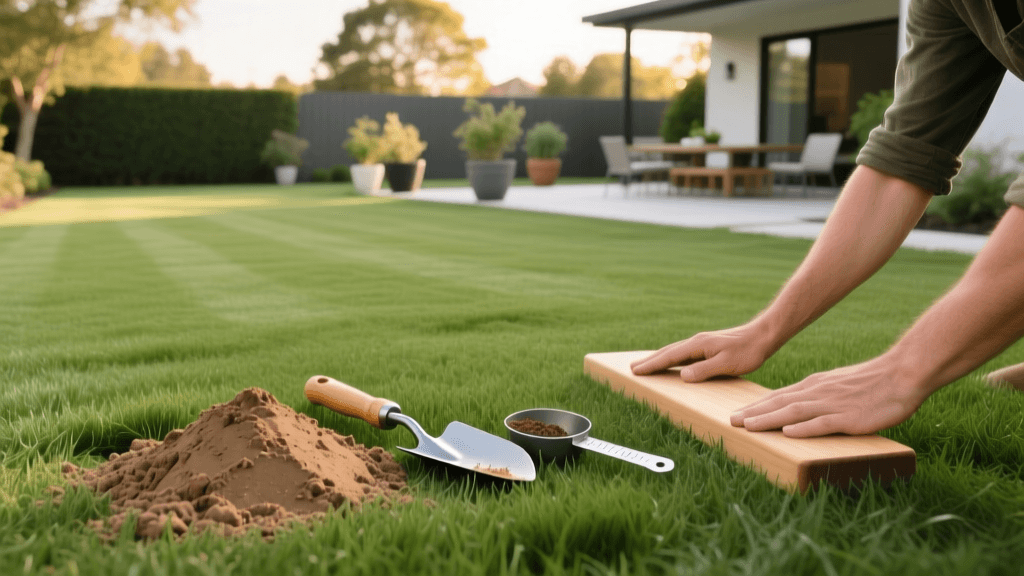
Lawn Topdressing and Leveling for Outdoor Entertaining
Imagine hosting the ultimate summer backyard barbecue or an elegant evening garden party. You have the perfect patio furniture, the grill is prepped, and the string lights are hung. But as your guests mingle, someone trips over a hidden dip in the grass, or a dining table wobbles unevenly on the turf. An uneven lawn is not just an eyesore that diminishes your home's curb appeal; it is a genuine liability for outdoor entertaining. Achieving a golf-course-smooth lawn requires more than just regular mowing. It requires the strategic application of topdressing and precise lawn leveling. This comprehensive guide will walk you through the exact materials, measurements, and techniques needed to transform your bumpy backyard into a flawless, safe, and visually stunning outdoor entertainment space.
The Foundation of Curb Appeal: Why Lawn Leveling Matters
When evaluating curb appeal, the human eye is naturally drawn to clean lines and smooth surfaces. An undulating, bumpy lawn looks unkempt and neglected, regardless of how vibrant the grass color might be. From an entertaining perspective, a level lawn is crucial for functionality. Games like cornhole, bocce, or croquet require a flat surface to be playable. Furthermore, setting up temporary event tents, long banquet tables, or even a simple patio heater requires stable, level ground to prevent dangerous tipping.
Beyond aesthetics and party logistics, leveling addresses critical lawn health issues. Low spots in your yard collect standing water after heavy rains, creating muddy swamps that ruin outdoor gatherings and breed mosquitoes. These depressions also cause your mower blades to scalp the high spots, leaving unsightly brown patches that detract from your landscape's overall beauty. By topdressing and leveling, you improve surface drainage, promote deeper root growth, and create a pristine canvas for your outdoor living space.
When to Topdress: Timing for Cool and Warm-Season Grasses
Timing your topdressing application is critical to ensure the grass can quickly grow through the new soil layer without being smothered. The golden rule is to topdress during your grass's peak growing season.
For cool-season grasses (such as Kentucky Bluegrass, Tall Fescue, and Perennial Ryegrass), the ideal window is early fall, typically between late August and mid-September. The soil is still warm from summer, encouraging rapid root development, while the cooler air temperatures reduce heat stress on the turf. A secondary, lighter window exists in early spring, but fall remains superior for cool-season varieties.
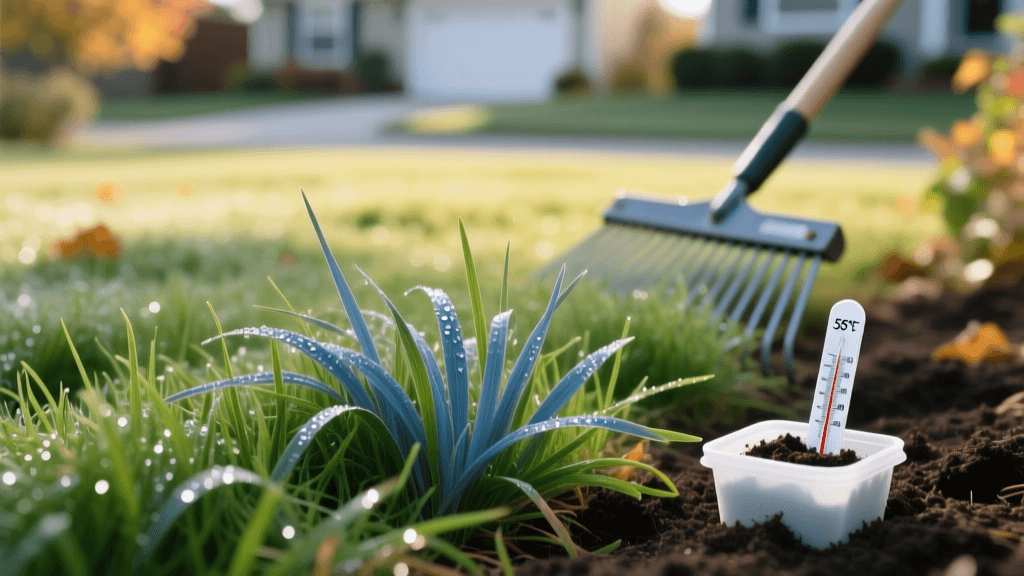
For warm-season grasses (such as Bermuda, Zoysia, and St. Augustine), you must wait until the late spring or early summer, usually from late May through June. These grasses thrive in the heat and will aggressively push through the topdressing layer when soil temperatures consistently exceed 70°F. Applying topdressing to warm-season grasses while they are dormant or just waking up in early spring invites weed invasion and potential rot.
Essential Tools and Materials for the Perfect Entertaining Space
To achieve a professional-grade finish that will impress your guests and neighbors, you need the right materials. Do not use cheap, untested dirt from the back of a pickup truck; it often contains clay clumps, weed seeds, and debris that will ruin your leveling efforts.
1. The Topdressing Mix
You will need a blend of sand, topsoil, and compost.
- Mason Sand or River Sand: ($20–$30 per ton) Provides structure, prevents compaction, and improves drainage. Avoid play sand, as the particles are too uniform and can lock together like concrete.
- Screened Topsoil: ($30–$50 per cubic yard) Adds bulk and matches the existing soil profile.
- Organic Compost: ($40–$60 per cubic yard) Introduces beneficial microbes and slow-release nutrients to feed the turf.
2. Tools of the Trade
- Lawn Leveling Rake (Leveling Drag): ($50–$150) A wide, flat metal or aluminum rake specifically designed to push the soil mix into low spots while scraping excess off high spots. Brands like Landscaping Pride or Par Aide are industry favorites.
- Core Aerator: Renting a walk-behind aerator costs about $80–$100 for a half-day. Aeration is highly recommended before topdressing to allow the new mix to penetrate the root zone.
- Wheelbarrow and Shovels: For mixing and transporting heavy materials.
- Drop Spreader or Broadcast Spreader: For applying the mix evenly over large areas, though hand-shoveling and raking work for smaller entertainment zones.
Step-by-Step Guide to Topdressing and Leveling
Follow these precise steps to ensure your lawn is party-ready and visually striking.
Step 1: Mow Low and Dethatch
Mow your lawn slightly lower than your usual maintenance height. This prevents the grass blades from being completely buried under the new soil. If your lawn has a thatch layer thicker than 1/2 inch, rent a power dethatcher to remove it. Thatch will act as a barrier, preventing the topdressing from making contact with the soil.
Step 2: Core Aeration
Run a core aerator over the entire entertaining area in two perpendicular directions. This pulls small plugs of soil from the ground, relieving compaction caused by foot traffic and creating holes for your topdressing mix to fall into. According to the University of Minnesota Extension, core aeration before topdressing is one of the most effective ways to alleviate soil compaction in high-traffic entertaining zones, ensuring the new soil integrates seamlessly with the native root zone.
Step 3: Calculate and Mix Your Materials
To calculate how much material you need, measure the square footage of the area. For a standard 1/4-inch topdressing application over 1,000 square feet, you will need approximately 0.75 cubic yards of total mix. Mix your sand, topsoil, and compost thoroughly in a wheelbarrow or on a tarp based on your soil type (see table below).
Step 4: Apply and Spread
Dump small piles of the mixed topdressing evenly across the lawn. Using your lawn leveling rake, spread the mixture in sweeping, overlapping motions. The goal is to fill the low spots and work the soil down to the base of the grass plants. Crucial Rule: Never bury the grass completely. The tips of the grass blades must remain visible to continue photosynthesizing. If you have deep ruts or holes exceeding 1 inch, fill them in stages, allowing the grass to grow through before adding more.
Step 5: Water Heavily
Immediately after leveling, water the lawn deeply. This washes the soil mix off the grass blades and down into the root zone and aeration holes, settling the material and eliminating air pockets.
The Ideal Topdressing Mix Ratios by Soil Type
| Native Soil Type | Sand (%) | Topsoil (%) | Compost (%) | Primary Benefit |
|---|---|---|---|---|
| Heavy Clay | 70% | 10% | 20% | Improves drainage, breaks up compaction |
| Loam | 50% | 30% | 20% | Maintains balance, adds nutrients |
| Sandy | 30% | 40% | 30% | Increases water and nutrient retention |
Post-Leveling Care for Pristine Outdoor Parties
After the hard work of leveling, proper aftercare ensures your lawn recovers quickly and looks immaculate for your next event. Avoid heavy foot traffic or setting up heavy event tents on the lawn for at least two to three weeks. The grass needs time to push through the new soil layer and establish a firm grip.
According to turfgrass experts at Penn State Extension, maintaining proper soil moisture is vital after topdressing. The new sand and compost mix will dry out faster than the native soil below, so you may need to increase your irrigation frequency slightly, applying about 1 to 1.5 inches of water per week to keep the newly introduced microbes active and the grassroots hydrated.
Fertilize the lawn approximately two weeks after topdressing. A slow-release, nitrogen-rich fertilizer (such as a 24-0-6 blend) will fuel the rapid growth needed to weave the new soil layer into the existing turf canopy. Once the grass has grown through the topdressing and you have mowed it twice, your lawn will be exceptionally smooth, dense, and ready to host any outdoor gathering.
Maintaining Curb Appeal Through the Entertaining Season
To keep your newly leveled lawn looking its best throughout a busy summer of barbecues and garden parties, implement a few protective strategies. Rotate the placement of high-traffic entertaining zones—such as where guests congregate near the grill or fire pit—to prevent localized soil compaction. Consider installing subtle, flush-mounted stepping stones in high-traffic pathways to guide foot traffic and protect the turf.
Additionally, as highlighted by researchers at Texas A&M AgriLife Extension, keeping your mower blades razor-sharp is non-negotiable for curb appeal. Dull blades tear the grass, leaving a grayish-brown cast over the lawn that ruins the manicured look you worked so hard to achieve. Sharpen your blades every 20 to 25 hours of mowing time to ensure crisp, clean cuts that promote rapid healing and a vibrant green hue.
By investing the time to properly topdress and level your lawn, you are not just improving your grass; you are upgrading your entire outdoor living space. A smooth, level, and vibrant lawn provides the perfect, safe foundation for unforgettable memories, elevating your home's curb appeal and making you the ultimate neighborhood host.