Lawn Care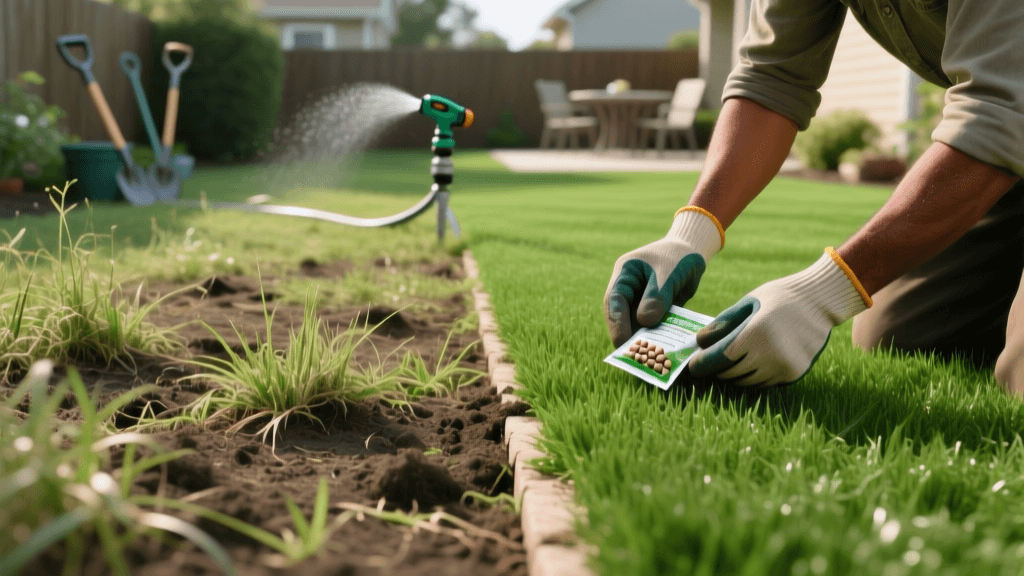
Complete Lawn Transformation: Before and After Guide
The "Before" State: Diagnosing a Neglected Lawn
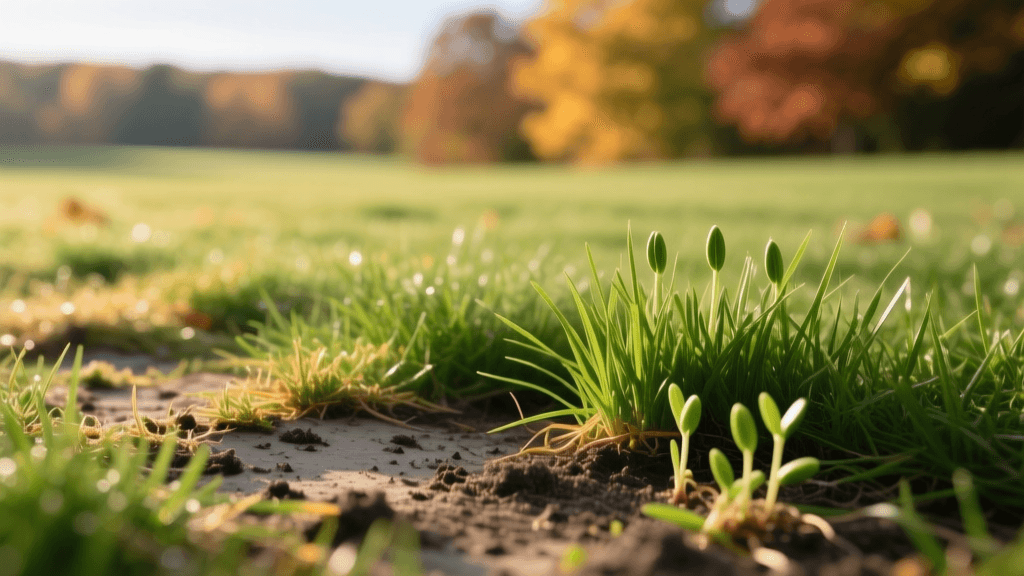
Every lawn care enthusiast has seen it: the classic "before" picture of a neglected yard. The soil is hard and compacted, water pools in low areas or runs off into the street, and the turf is a patchy mosaic of crabgrass, dandelions, and bare dirt. This scenario is incredibly common in homes with cool-season grasses like Tall Fescue or Kentucky Bluegrass that have suffered from years of improper mowing, lack of aeration, and zero soil amendment.
Before you can achieve a stunning "after" transformation, you must understand why the lawn failed. Compaction prevents oxygen, water, and nutrients from reaching the root zone. Without a robust root system, desirable turfgrass thins out, leaving open canopy spaces for opportunistic weeds to invade. According to University of Minnesota Extension, core aeration is one of the most vital practices for alleviating soil compaction and breaking down thatch, setting the stage for a true lawn renovation.
Why Timing is Everything: The Fall Advantage
One of the most critical factors separating a failed lawn renovation from a breathtaking "after" transformation is timing. For cool-season grasses, early fall (late August to mid-September) is the undisputed champion of renovation windows. During this period, soil temperatures are still warm enough to trigger rapid seed germination, but air temperatures are cooling down, which reduces heat stress on tender seedlings. Furthermore, fall weeds like crabgrass are naturally dying off, reducing competition for water and nutrients. Attempting this exact same transformation in the spring often leads to disaster, as the young grass roots are not established enough to survive the brutal heat and drought of summer, and spring pre-emergent herbicides will kill your new grass seed before it ever sprouts.
The 6-Step Lawn Transformation Plan
Step 1: Soil Testing and Targeted Amendment
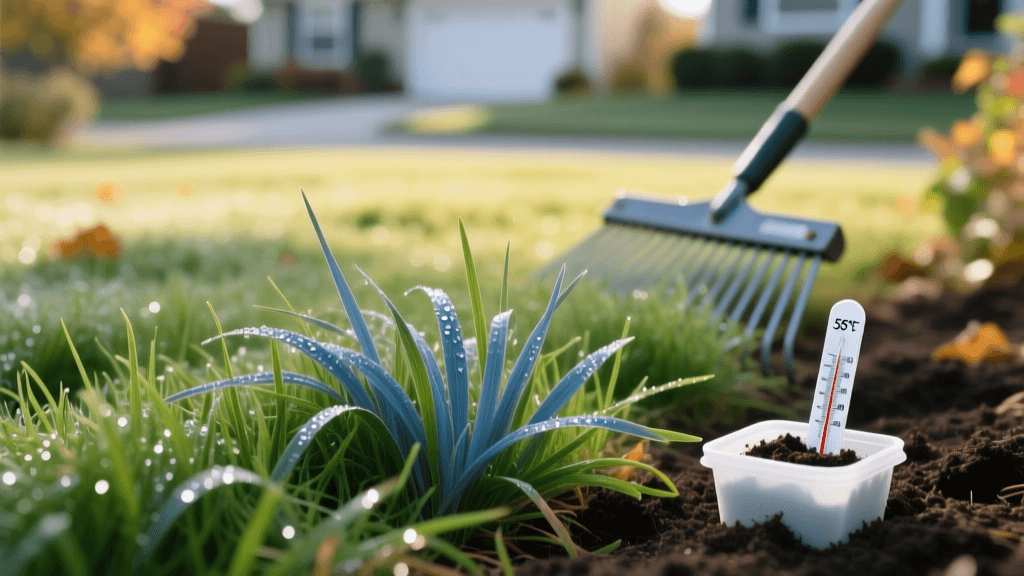
You cannot transform a lawn blindly. The first step in any "before and after" journey is a comprehensive soil test. Send a sample to a reputable lab (like Logan Labs or your local university extension) to determine your pH, phosphorus, potassium, and organic matter levels. Cool-season grasses thrive at a pH between 6.0 and 7.0. If your soil is highly acidic, you will need to apply pelletized lime; if it is alkaline, elemental sulfur is required. As noted by University of Minnesota soil testing resources, applying nutrients without a soil test is both a waste of money and an environmental hazard.
Step 2: Core Aeration (The Game Changer)
To transition from hardpan dirt to a lush lawn, you must mechanically relieve compaction. Rent a walk-behind core aerator (brands like Billy Goat or Ryan) for the day. The machine will pull 2-to-3-inch plugs of soil from the ground, leaving them on the surface to break down and deposit beneficial microbes back into the thatch layer. Make two passes over the lawn in perpendicular directions to ensure maximum soil fracturing.
Step 3: Overseeding with Premium Blends
For the ultimate "after" aesthetic, choose a premium, disease-resistant seed blend. For cool-season lawns, a mix of Turf-Type Tall Fescue and Kentucky Bluegrass offers deep roots and self-repairing rhizomes. Apply seed at a rate of 5 to 8 pounds per 1,000 square feet for overseeding. Ensure the seed makes direct contact with the soil by dragging a piece of chain-link fence or a lawn leveling rake over the aerated area.
Step 4: Strategic Weed Control
A major hurdle in lawn transformations is managing weeds without killing new grass seed. Traditional pre-emergents like Prodiamine will prevent grass seed from germinating. Instead, use a selective herbicide containing mesotrione (commonly sold as Tenacity) at the time of seeding. Mesotrione suppresses crabgrass and broadleaf weeds while being safe for germinating Tall Fescue and Kentucky Bluegrass. For existing mature weeds in the "before" stage, spot-treat them with a Trimec-based post-emergent herbicide three weeks prior to aeration and seeding.
Step 5: Starter Fertilization
New seedlings require immediate access to phosphorus for root development. Apply a high-quality starter fertilizer (such as a 24-25-4 NPK ratio) immediately after seeding. This provides the essential building blocks for rapid germination and deep root establishment before winter sets in.
Step 6: Precision Irrigation and Mowing
The difference between a failed renovation and a spectacular "after" photo lies in the watering schedule. For the first 21 days, the top inch of soil must remain constantly moist. Water lightly 3 to 4 times a day for 10-15 minutes per zone. Once the seedlings reach 2 inches, transition to deeper, less frequent watering. When the grass reaches 3.5 inches, perform your first mow, cutting it down to 2.5 inches to encourage lateral tillering and thickness.
Advanced Tip: Topdressing for Leveling
If your "before" lawn suffers from severe unevenness, ankle-rolling divots, or poor drainage, aeration and seeding alone will not fix the structural issues. Incorporate a topdressing step using a mix of 70% sand and 30% compost. Apply a thin layer (about 1/4 inch) over the seeded area. This not only protects the seed from birds and drying winds but also begins the process of leveling the lawn surface and improving the soil structure over time. The sand improves drainage in heavy clay soils, while the compost introduces vital organic matter and beneficial microbes.
Equipment Maintenance: The Hidden Variable
You can buy the most expensive seed and fertilizer on the market, but if your mower blade is dull, your "after" lawn will look ragged and brown. A dull mower blade tears the grass tissue rather than slicing it cleanly, leaving frayed, white tips that are highly susceptible to fungal diseases like dollar spot and brown patch. Before you begin your transformation journey, invest in a blade sharpener or take your mower to a local small engine shop. Sharp blades ensure a clean cut, which heals faster and retains moisture much more effectively during the critical establishment phase.
Before & After Transformation Timeline & Costs
Transforming a 5,000-square-foot cool-season lawn requires a strategic investment of time and capital. Below is a breakdown of the renovation timeline, actionable steps, and estimated costs to help you budget for your own before and after project.
| Phase | Timing | Action | Est. Cost (5,000 sq ft) |
|---|---|---|---|
| Diagnosis | Mid-Summer | Soil Testing & Analysis | $30 |
| Preparation | Late Summer | Spot Spraying Mature Weeds (Trimec) | $25 |
| Renovation | Early Fall | Core Aeration (Equipment Rental) | $85 |
| Seeding | Early Fall | Premium Seed & Mesotrione Application | $95 |
| Nutrition | Early Fall | Starter Fertilizer (24-25-4) | $35 |
| Maintenance | Fall Season | Increased Watering Usage | $40 |
| Total | 60 Days | Complete Lawn Overhaul | $310 |
The "After" State: Maintenance for Long-Term Success
Once your lawn has transformed from a weedy, compacted mess into a thick, emerald-green carpet, the focus shifts from renovation to preservation. The "after" phase requires a commitment to proper cultural practices. Mow frequently, never removing more than one-third of the grass blade at a time, and leave the clippings on the lawn to recycle nitrogen. According to experts detailing the steps for renovating an existing lawn, consistent fall fertilization and annual overseeding are the secrets to maintaining a dense turf that naturally chokes out future weed invasions.
"A true lawn transformation is not a one-weekend miracle; it is a 60-day biological process of rebuilding the soil food web and establishing a resilient root system."
By following this exact blueprint, you will not only achieve a stunning before and after result but also build a drought-tolerant, disease-resistant lawn that will be the envy of the neighborhood for years to come. Document your journey with weekly photos, and remember that the secret to a perfect lawn lies in the unglamorous, foundational work of soil health and precise timing.