Gardening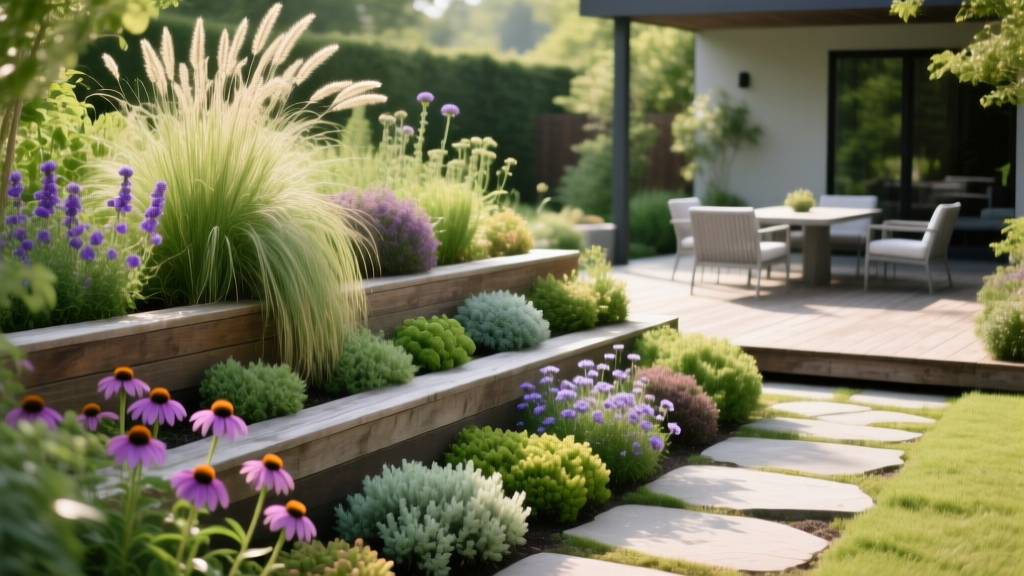
Layered Garden Borders for Curb Appeal and Entertaining
Robert HayesPublished
The Intersection of Curb Appeal and Outdoor Entertaining
When homeowners think of curb appeal, they often imagine the view from the street, focusing primarily on how the property looks to passersby or potential buyers. However, true landscape design merges exterior aesthetics with functional outdoor living. Your front entryway and the transitional pathways leading to your backyard patio are the vital connective tissue between curb appeal and outdoor entertaining. A well-designed garden border does more than just frame your house; it sets a psychological tone for your guests, guiding them from the public street into your private entertaining oasis.
By utilizing layered planting techniques, strategic hardscaping, and ambient lighting, you can create a cohesive landscape that impresses from the curb and invites lingering conversations on the patio. This guide will walk you through designing high-impact, low-maintenance garden borders that serve both as a stunning visual welcome and a practical extension of your outdoor entertaining space.
The Three-Tier Layering Technique for Garden Beds
Professional landscape designers rely on the three-tier layering technique to create depth, texture, and year-round visual interest. This method mimics natural ecosystems while maintaining the manicured look required for high-end curb appeal and formal entertaining spaces.
Tier 1: The Structural Backbone
The back layer of your border, typically situated against the house or a fence, serves as the structural backbone. For entertaining spaces, you want plants that provide privacy without dropping excessive debris onto your patio or walkways. Evergreens are ideal here. Varieties like the 'Green Velvet' Boxwood or 'Degroot's Spire' Arborvitae offer dense, year-round foliage that acts as a living wall. When planting this tier, space shrubs according to their mature width rather than their nursery pot size. A mature 'Green Velvet' Boxwood reaches about 3 to 4 feet wide; spacing them 3 feet apart allows them to knit together into a seamless hedge without overcrowding, which reduces the risk of fungal diseases.
Tier 2: The Mid-Level Showstoppers
The middle tier is where your garden earns its seasonal applause. This layer should consist of deciduous shrubs, ornamental grasses, and perennials that provide movement, color, and texture. For a sophisticated entertaining backdrop, consider 'Limelight' Panicle Hydrangeas. Their massive, pale-green blooms transition to a dusty rose in the fall, providing a stunning focal point for evening gatherings. Ornamental grasses like 'Karl Foerster' Feather Reed Grass add vertical lines and a soothing rustling sound when the evening breeze picks up during a patio dinner. Plant this tier in staggered, zig-zag patterns rather than straight lines to create a more natural, flowing aesthetic that softens the rigid lines of your home's architecture.
Tier 3: The Edge and Spillers
The front edge of your border softens the transition between the garden bed and your hardscaping. This tier should be low-growing, typically under 12 inches in height, and should feature plants that gently spill over retaining walls or pathway edges. Coral Bells (Heuchera) offer incredible foliage colors ranging from deep plum to vibrant chartreuse, thriving in the partial shade often cast by the taller tiers. For sunny entryways, Creeping Thyme or 'Angelina' Sedum provide a lush, carpet-like effect. To keep the entryway looking pristine for guests, incorporate seasonal color bowls or large fiberglass planters at the very edge of the border, allowing you to swap out annuals like petunias or ornamental kale without disturbing the permanent plantings.
Hardscaping and Layout for Entertaining Flow
A beautiful garden bed must be framed by functional hardscaping, especially when the primary goal is to facilitate outdoor entertaining. The width of your pathways dictates how comfortable your guests feel when navigating the space. Main routes from the driveway to the front door, and from the front yard to the backyard patio, should be a minimum of 48 to 60 inches wide. This allows two people to walk side-by-side comfortably, which is essential when guests are carrying plates of food or beverages.
Furthermore, the material you choose for your pathways impacts both the aesthetic and the environment. According to the Environmental Protection Agency, utilizing permeable pavement systems like permeable interlocking concrete pavers (PICP) or porous flagstone reduces stormwater runoff, prevents puddling on your walkways, and keeps guests' shoes clean during rainy weather. Frame these permeable pathways with steel or aluminum edging to keep the Tier 3 spiller plants from creeping onto the walking surface, ensuring a crisp, manicured look that elevates your home's overall curb appeal.
Four-Season Plant Selection Chart
To ensure your garden remains a vibrant backdrop for entertaining year-round, select plants that offer multi-season interest. The chart below outlines a reliable, low-maintenance palette suited for a variety of climate zones.
| Plant Name | Tier | Sun Requirement | Mature Size | Primary Season of Interest |
|---|---|---|---|---|
| 'Degroot's Spire' Arborvitae | 1 (Back) | Full Sun | 8-12 ft H x 2-3 ft W | Year-round structure |
| 'Limelight' Panicle Hydrangea | 2 (Mid) | Part to Full Sun | 6-8 ft H x 6-8 ft W | Summer blooms, Fall color |
| 'Karl Foerster' Reed Grass | 2 (Mid) | Full Sun | 5-6 ft H x 2-3 ft W | Summer/Fall movement |
| Heuchera 'Palace Purple' | 3 (Edge) | Part Shade | 1-2 ft H x 1-2 ft W | Spring through Fall foliage |
| Creeping Thyme | 3 (Edge) | Full Sun | 2-4 in H x 12-18 in W | Late Spring blooms |
Soil Preparation and Eco-Friendly Mulching
The success of your layered border relies entirely on what happens beneath the surface. Before installing any plants, conduct a soil test to determine your pH and nutrient levels. Amend heavy clay soils with organic compost to improve drainage, which is critical for preventing root rot in structural evergreens. Once planted, applying the correct mulch is vital for moisture retention and weed suppression, which drastically reduces the maintenance time you spend gardening instead of entertaining.
The Penn State Extension recommends applying a 2 to 3-inch layer of organic mulch, such as shredded hardwood bark or pine needles, over the root zone of your plants. Crucially, keep the mulch pulled back 3 to 4 inches from the main stems and trunks to prevent 'mulch volcanoes,' which trap moisture against the bark and invite pests and disease. A well-mulched bed not only looks incredibly sharp and uniform—boosting that essential curb appeal—but also regulates soil temperature, ensuring your mid-level showstoppers survive extreme summer heat waves and winter freezes.
Attracting Pollinators Without Sacrificing Elegance
Many homeowners worry that creating an eco-friendly garden means sacrificing the clean, manicured look required for formal entertaining. However, integrating native plants into your Tier 2 and Tier 3 layers can attract beautiful pollinators while maintaining a sophisticated aesthetic. The National Wildlife Federation emphasizes that gardening for wildlife can be achieved through intentional design. By planting native coneflowers (Echinacea purpurea) or black-eyed Susans (Rudbeckia hirta) in dense, organized drifts rather than scattered randomly, you create a modern, architectural look that also serves as a vital food source for local butterflies and bees. This adds a dynamic, living element to your patio borders that guests will love observing during afternoon garden parties.
Illuminating the Entertaining Space
To transition your garden from a daytime curb-appeal asset to a nighttime entertaining haven, strategic landscape lighting is non-negotiable. Avoid harsh, floodlight-style security lamps that wash out the garden's texture. Instead, use low-voltage LED path lights to line your 60-inch walkways, spacing them 8 to 10 feet apart to create a gentle guiding glow. Opt for fixtures with 'dark sky' compliant shields that direct light downward, reducing glare and light pollution.
For the garden beds, employ uplighting at the base of your Tier 1 structural evergreens and Tier 2 ornamental grasses. A warm white LED (around 2700K to 3000K) with a low lumen output (100-200 lumens) will cast dramatic, dancing shadows against your home's exterior, highlighting the architectural form of the plants and creating an intimate, high-end resort atmosphere for your evening gatherings.
Budgeting and Timeline for Implementation
Transforming your entryway and patio borders is an investment in your home's value and your lifestyle. Here is a general breakdown of costs and timing for a standard 50-foot layered border project:
- Plants: Budget $15 to $30 per perennial/grass, and $40 to $120 for large structural shrubs and hydrangeas. Total plant cost for a 50-foot bed typically ranges from $800 to $1,500.
- Hardscaping: Permeable pavers cost between $10 and $20 per square foot, installed. For a 60-inch wide, 20-foot path, expect to spend $2,000 to $4,000.
- Lighting: A professional-grade, low-voltage LED lighting kit with 10-15 fixtures and a transformer will cost between $600 and $1,200.
- Mulch and Soil Amendments: Approximately $150 to $300 for high-quality hardwood mulch and bulk compost.
The ideal time to execute this project is in early fall or early spring. Fall planting allows the root systems of your Tier 1 and Tier 2 plants to establish in cool, moist soil before the stress of summer heat, ensuring they are lush, full, and ready to impress by the time your peak outdoor entertaining season arrives the following year.
