Gardening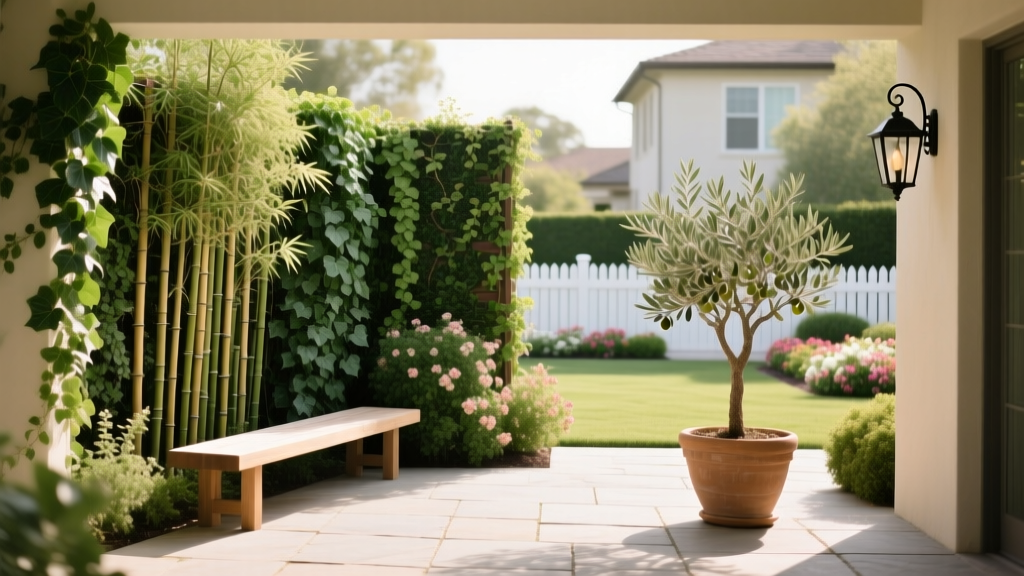
Design a Living Privacy Screen for Patio Entertaining
Emily WatsonPublished
The Intersection of Privacy and Curb Appeal
When you host friends and family for outdoor entertaining, the last thing you want is to feel like you are on display for the entire neighborhood. A lack of privacy can quickly turn a relaxing evening on the patio into an uncomfortable experience. While wooden fences and masonry walls offer immediate seclusion, they often feel imposing, block valuable breezes, and do little to enhance your property's natural beauty. Enter the living privacy screen: a curated selection of trees, shrubs, and grasses that provides a lush, breathable barrier while significantly boosting your home's curb appeal.
Designing a living screen requires a strategic approach. You must balance the need for fast-growing density with the aesthetic requirements of a welcoming entryway or patio perimeter. According to the Missouri Botanical Garden, selecting plants suited to your specific USDA hardiness zone, soil type, and light conditions is the most critical step in ensuring your privacy screen thrives year after year. In this comprehensive guide, we will explore the best plant selections, layout strategies, and maintenance tips to transform your patio into an intimate, visually stunning oasis.
Choosing the Right Plants for Your Privacy Screen
The foundation of any great living screen is plant selection. Relying on a single type of plant can leave your screen vulnerable to disease or pests, so it is wise to incorporate a mix of evergreens, ornamental grasses, and climbing vines. The Arbor Day Foundation emphasizes that proper placement of trees and large shrubs not only creates privacy but can also reduce cooling costs for your home by providing strategic shade.
Evergreen Shrubs: The Year-Round Backbone
Evergreens are the workhorses of the privacy screen. Unlike deciduous trees that lose their leaves in autumn, evergreens provide consistent coverage even in the dead of winter. 'Emerald Green' Arborvitae (Thuja occidentalis) is a classic choice for narrow spaces, growing up to 15 feet tall but only 3 to 4 feet wide. For warmer climates (USDA Zones 7-9), the 'Nellie R. Stevens' Holly offers dense, dark green foliage and produces vibrant red berries that add a pop of color to your winter landscape.
Ornamental Grasses: Texture and Movement
To soften the rigid look of evergreens and add a modern, dynamic element to your entertaining space, incorporate tall ornamental grasses. Varieties like 'Karl Foerster' Feather Reed Grass or Miscanthus sinensis (Maiden Grass) can reach heights of 5 to 8 feet. When the evening breeze picks up during a patio dinner party, the swaying plumes and soft rustling sounds create an incredibly soothing ambiance. Grasses are also highly drought-tolerant once established, making them a low-maintenance option.
Climbing Vines on Trellises: Fast Vertical Coverage
If your patio is bordered by a narrow walkway or a property line where planting wide shrubs is impossible, vertical gardening is your best solution. Install heavy-duty cedar or metal trellis panels (typically costing between $50 and $200 each) and train fast-growing vines like Star Jasmine (Trachelospermum jasminoides) or Clematis. Star Jasmine is particularly prized for outdoor entertaining areas because it releases a captivating, sweet fragrance when it blooms in late spring and early summer.
Privacy Plant Comparison Chart
Use the table below to compare popular screening plants based on their growth habits and ideal conditions. Always verify your local hardiness zone before purchasing.
| Plant Variety | Mature Height | Growth Rate | Best Feature | USDA Zones |
|---|---|---|---|---|
| 'Emerald Green' Arborvitae | 12-15 ft | Medium | Narrow, columnar shape | 3-8 |
| 'Nellie R. Stevens' Holly | 15-25 ft | Fast | Red winter berries | 7-9 |
| 'Green Giant' Arborvitae | 30-50 ft | Very Fast | Massive, dense scale | 5-8 |
| 'Karl Foerster' Grass | 5-6 ft | Fast | Feathery, moving plumes | 5-9 |
| Star Jasmine (Vine) | 10-15 ft | Fast | Fragrant white flowers | 8-10 |
| Clumping Bamboo (Fargesia) | 10-15 ft | Medium | Modern, non-invasive | 5-9 |
Designing the Layout: Layering for Depth and Curb Appeal
A common mistake homeowners make when planting a privacy screen is digging a single, straight trench and planting a row of identical shrubs. This creates a flat, monotonous 'green wall' that does nothing for your curb appeal. Instead, use a layered planting design to create depth, visual interest, and a more effective sound and wind barrier.
- The Back Tier (6-15 feet): Plant your tallest evergreens or clumping bamboo closest to the property line. Stagger them in a zig-zag pattern rather than a straight line. This overlapping technique closes gaps faster and looks much more natural.
- The Middle Tier (3-6 feet): Add flowering deciduous shrubs like Hydrangeas, Lilacs, or Viburnums. These provide seasonal color and beautiful cut flowers that you can bring to your outdoor dining table.
- The Front Tier (1-3 feet): Border the patio edge with low-growing ornamental grasses, lavender, or spreading groundcovers like Creeping Thyme, which releases a pleasant scent when stepped on.
Pro Tip: Never plant a privacy screen in a straight, rigid line. Stagger your plants in a zig-zag pattern to create a more natural look, improve air circulation to prevent fungal diseases, and provide a denser visual barrier.
Hardscape Integration: Container Screens for Renters and Small Patios
What if you have a concrete patio, live in a rental property, or simply want the flexibility to rearrange your space for large parties? Container privacy screens are an excellent, highly versatile alternative. To screen a patio effectively, you will need large, heavy-duty planters. Look for fiberglass, resin, or cedar boxes that measure at least 24x24 inches. Smaller pots will dry out too quickly and stunt the growth of large screening plants.
When planting in containers, use a high-quality potting mix blended with slow-release fertilizer. Do not use garden soil, as it will compact and suffocate the roots. For a cohesive look that boosts curb appeal, match the color of your planters to your home's exterior trim or patio furniture. You can also mount heavy-duty casters on the bottom of wooden planter boxes, allowing you to roll them aside when you need to open up the space for a larger gathering.
Planting, Soil Prep, and Spacing Guidelines
Proper installation is the difference between a screen that fills in within two years and one that struggles for a decade. For detailed regional planting guides and soil preparation techniques, the University of Minnesota Extension Landscaping resources offer invaluable, science-based advice applicable to various climates.
- Test and Amend the Soil: Before digging, test your soil pH and drainage. Most evergreens prefer slightly acidic to neutral soil (pH 6.0-7.0). If you have heavy clay, amend the planting area with organic compost to improve drainage.
- Digging the Hole: Dig a hole that is exactly as deep as the root ball, but two to three times as wide. This encourages the roots to spread horizontally, anchoring tall plants against strong winds.
- Spacing for Speed: If you want a fast screen, plant shrubs at a distance equal to 75% of their mature width. For example, if an arborvitae grows 4 feet wide, plant them 3 feet apart. They will grow together quickly, but you must commit to annual pruning to prevent the inner branches from dying off due to lack of light.
- Mulching and Watering: Apply a 2-to-3-inch layer of shredded hardwood mulch around the base of the plants, keeping it a few inches away from the main trunk to prevent rot. Water deeply twice a week during the first growing season.
Evening Ambiance: Lighting Your Living Screen
A privacy screen offers a fantastic canvas for outdoor lighting, elevating your entertaining space from a simple patio to a high-end resort experience. Use low-voltage LED uplights placed at the base of your tallest evergreens or bamboo to cast dramatic, towering shadows against the foliage. For climbing vines on trellises, weave warm-white, commercial-grade string lights through the lattice. This provides a soft, romantic glow that is perfect for evening dinners. Finally, line the front tier of your layered garden with solar-powered path lights to define the edges of the patio and guide guests safely through the space.
Maintenance for Year-Round Entertaining
To keep your living screen looking pristine for every barbecue and garden party, a proactive maintenance schedule is required. Prune evergreen shrubs in late winter or early spring before new growth begins. Avoid heavy shearing; instead, use hand pruners to selectively thin out branches, which allows light and air to penetrate the center of the plant. For ornamental grasses, leave the dried plumes intact throughout the winter for visual interest, then cut them back to about 6 inches above the ground in early spring just before new green shoots emerge. Fertilize your screen annually in early spring with a balanced, slow-release granular fertilizer to support vigorous, dense growth.
By thoughtfully selecting and layering your plants, you can create a living privacy screen that not only shields your patio from prying eyes but also serves as a stunning focal point that dramatically enhances your home's overall curb appeal.
