
Grass Types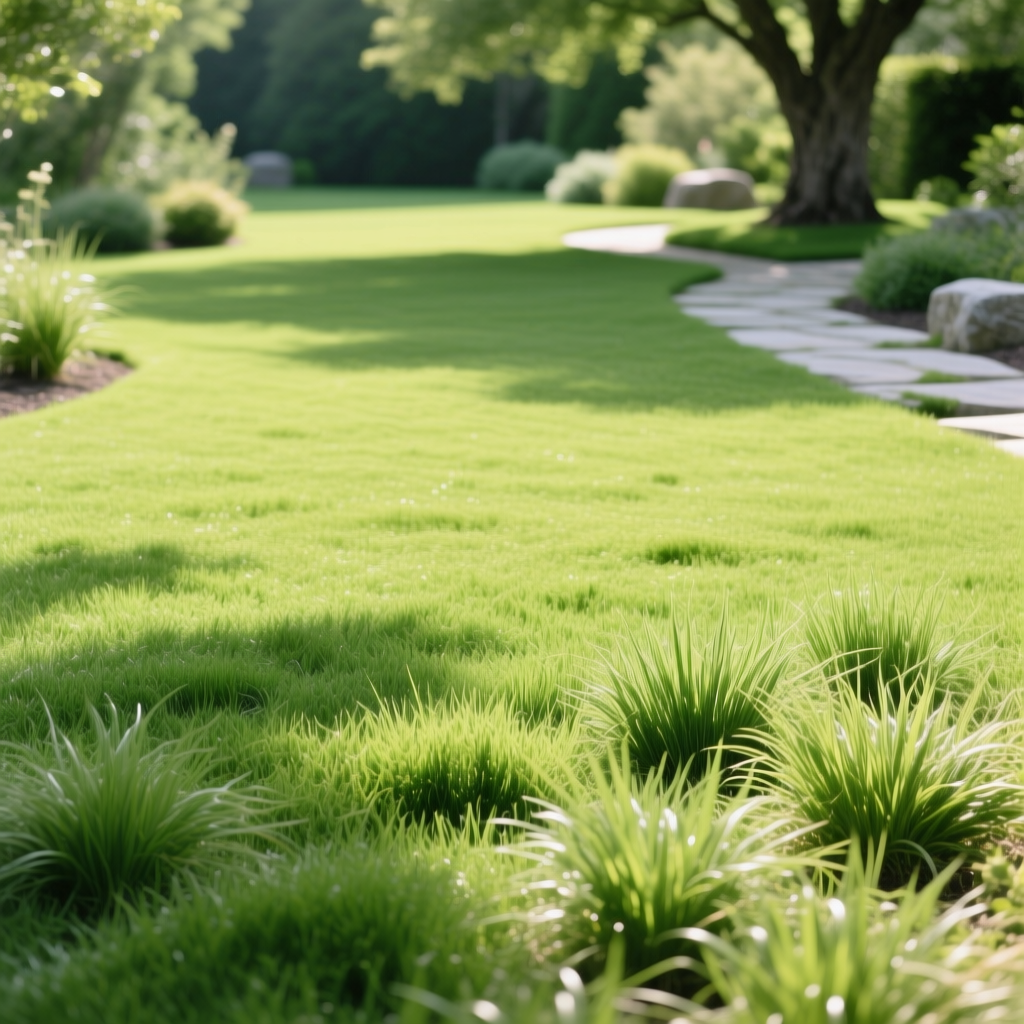
Low Maintenance Grass Types: a Beautiful Lawn with Less Work
Not everyone has the time, energy, or desire to spend every weekend mowing, fertilizing, and fussing over a lawn. Fortunately, nature offers a variety of grass species that thrive with minimal intervention. Whether you are a busy homeowner, a vacation-property owner, or simply someone who wants a green yard without the constant upkeep, choosing the right low maintenance grass type is the single most impactful decision you can make for your landscape.
Low maintenance grasses share several key traits: slow vertical growth (meaning less mowing), deep root systems (meaning less watering), natural disease resistance, and the ability to outcompete weeds once established. Some of these grasses also require significantly less fertilizer, which saves money and reduces environmental impact. In this comprehensive guide, we will explore the best low maintenance grass types for warm-season and cool-season climates, compare their strengths and weaknesses, and help you decide which variety is right for your yard. For more general information, visit our complete grass types guide.
What Makes a Grass Type Low Maintenance?
Before diving into specific varieties, it is important to understand the characteristics that define a low maintenance grass. Not all grasses are created equal, and the difference between a high-maintenance Kentucky bluegrass lawn and a rugged buffalograss lawn can mean the difference between hours of weekly chores and a few minutes of occasional care.
Key Characteristics of Low Maintenance Grasses
- Slow growth rate: Grasses that grow slowly vertically require less frequent mowing. Some low maintenance types only need mowing once every two to three weeks during peak season, compared to weekly mowing for traditional turf grasses.
- Drought tolerance: Deep root systems allow certain grasses to access moisture far below the soil surface, reducing or even eliminating the need for supplemental irrigation once established.
- Disease and pest resistance: Naturally resilient grasses resist common lawn diseases like brown patch and dollar spot, reducing the need for chemical treatments.
- Low fertility requirements: Some species thrive in poor soils with minimal fertilization, needing only one or two light applications per year instead of the four or five that high-maintenance lawns demand.
- Weed suppression: Dense-growing grasses that spread quickly form a thick turf that naturally crowds out weeds, reducing the need for herbicides and hand-pulling.
- Traffic tolerance: While not every low maintenance grass handles heavy foot traffic, the best options recover well from moderate use without requiring overseeding or patching.
It is worth noting that "low maintenance" does not mean "no maintenance." Every living lawn requires some degree of care, especially during the establishment phase. However, the grasses listed below will dramatically reduce the time, water, and money you invest in lawn care over the long term. For seasonal care tips that apply to any grass type, check out our lawn care guides.
Best Warm-Season Low Maintenance Grass Types
Warm-season grasses thrive in the southern and transitional zones of the United States, generally in USDA Hardiness Zones 7 through 10. These grasses grow most actively during the hot summer months and may go dormant and turn brown during cooler winter periods. Below are the top warm-season grasses known for their low maintenance requirements.
Buffalograss (Buchloe dactyloides)
Buffalograss is the undisputed champion of low maintenance lawns. Native to the Great Plains, this fine-textured, blue-green grass evolved in an environment of drought, grazing, and extreme temperatures, making it extraordinarily tough and self-sufficient.
- Growing Zones: USDA Zones 5–9, particularly well-suited to the Great Plains and Intermountain West
- Sun Requirements: Full sun (minimum 6–8 hours of direct sunlight daily)
- Mowing Frequency: Once every two to four weeks at a height of 2–3 inches, or left unmowed for a natural meadow look
- Water Needs: Extremely low; once established, buffalograss survives on natural rainfall in most regions, needing only 0.5–1 inch of water per month during severe drought
- Fertilizer Needs: Very low; one application of nitrogen per year (approximately 1 pound per 1,000 square feet) is sufficient
- Establishment: Can be started from seed, plugs, or sod; establishment takes one to two full growing seasons
Pros: Exceptional drought tolerance, requires minimal mowing and fertilization, native species that supports local ecosystems, excellent erosion control, soft texture underfoot.
Cons: Slow to establish, goes dormant and turns brown in winter, does not tolerate heavy shade, limited availability of sod in some regions, can be invaded by bermudagrass in southern areas.
Centipedegrass (Eremochloa ophiuroides)
Centipedegrass is a slow-growing, coarse-textured grass that is popular throughout the Southeast. It is sometimes called "lazy man's grass" because of its remarkably low care requirements and its tendency to spread slowly but steadily once established.
- Growing Zones: USDA Zones 7–10, especially the Southeastern United States from the Carolinas to East Texas
- Sun Requirements: Full sun to partial shade (more shade tolerant than buffalograss)
- Mowing Frequency: Every two to three weeks at a height of 1–2 inches
- Water Needs: Low to moderate; approximately 1 inch per week during active growth, but shows good drought recovery
- Fertilizer Needs: Very low; centipedegrass actually performs better with minimal nitrogen (0.5–1 pound per 1,000 square feet per year). Over-fertilizing can harm this grass.
- Establishment: Seed, plugs, or sod; establishes in one growing season from sod
Pros: Very low fertility requirements, good shade tolerance for a warm-season grass, naturally acidic soil preference (common in the Southeast), slow growth means less mowing, aggressive enough to suppress weeds.
Cons: Does not handle heavy foot traffic well, can develop thatch if over-fertilized, turns brown in winter dormancy, susceptible to nematode damage in sandy soils, slow to recover from damage.
Bermudagrass (Cynodon dactylon) — Common Varieties
While hybrid bermudagrass varieties can be quite demanding, common bermudagrass is a rugged, adaptable grass that can serve as a low maintenance option in the right setting. It spreads aggressively via both stolons and rhizomes, creating a dense, durable turf.
- Growing Zones: USDA Zones 7–10
- Sun Requirements: Full sun (poor shade tolerance)
- Mowing Frequency: Every one to two weeks at 1–2 inches; common varieties grow slower than hybrids
- Water Needs: Low to moderate; deep roots provide good drought tolerance
- Fertilizer Needs: Low for common varieties; two applications per year are typically sufficient
- Establishment: Very fast from seed, sod, or sprigs
Pros: Extremely durable and traffic-tolerant, fast establishment, excellent heat and drought tolerance, salt tolerant (good for coastal areas), aggressive weed suppression.
Cons: Can be invasive into flower beds and gardens, goes dormant and brown in winter, poor shade tolerance, may require edging barriers to contain spread.
Zoysiagrass (Zoysia spp.)
Zoysiagrass offers a premium look with relatively low maintenance once established. It produces a thick, carpet-like turf that is the envy of many neighborhoods. While it requires patience during the establishment phase, the long-term care requirements are quite modest. Learn more about this versatile species in our zoysiagrass guide.
- Growing Zones: USDA Zones 6–9 (one of the most cold-tolerant warm-season grasses)
- Sun Requirements: Full sun to light shade
- Mowing Frequency: Every one to two weeks at 1–2.5 inches during peak growth
- Water Needs: Low once established; approximately 0.5–1 inch per week, excellent drought recovery
- Fertilizer Needs: Low to moderate; two to three light applications per year
- Establishment: Slow; plugs or sod recommended, can take two to three growing seasons to fully fill in from plugs
Pros: Dense, beautiful turf with excellent weed suppression, good cold tolerance for a warm-season grass, moderate shade tolerance, excellent traffic tolerance once established, slow growth reduces mowing frequency.
Cons: Very slow to establish, prone to thatch buildup over time, can be difficult to mow if thatch accumulates (may require reel mower), turns brown after first frost, slow recovery from damage.
Seashore Paspalum (Paspalum vaginatum)
Seashore paspalum is a specialty grass that excels in coastal and saline environments where other grasses struggle. If you live near the ocean or have saline irrigation water, this grass can be a remarkably low maintenance choice.
- Growing Zones: USDA Zones 8–11
- Sun Requirements: Full sun
- Mowing Frequency: Every one to two weeks at 0.5–2 inches
- Water Needs: Low; tolerates saltwater irrigation and brackish conditions
- Fertilizer Needs: Low; one to two applications per year
- Establishment: Sod or sprigs; moderate establishment rate
Pros: Outstanding salt tolerance, good disease resistance, can be irrigated with reclaimed or saline water, dense turf with attractive dark green color.
Cons: Limited cold tolerance, not widely available outside coastal regions, can develop thatch, limited cultivar selection compared to other species.
Best Cool-Season Low Maintenance Grass Types
Cool-season grasses dominate the northern half of the United States, generally in USDA Hardiness Zones 3 through 7. These grasses grow most actively in spring and fall, and many stay green well into winter. The following cool-season grasses are recognized for their reduced maintenance needs.
Fine Fescues (Festuca spp.)
Fine fescues are a group of closely related grasses that include creeping red fescue, chewings fescue, hard fescue, and sheep fescue. Collectively, they are among the most low maintenance cool-season grasses available. They feature very fine leaf blades, a medium to dark green color, and exceptional shade tolerance. For a deeper dive, see our fine fescue guide.
- Growing Zones: USDA Zones 3–7, also performs well in the cool portions of the transition zone
- Sun Requirements: Excellent shade tolerance; also grows in full sun in cooler climates
- Mowing Frequency: Every two to three weeks at 2.5–4 inches; many homeowners choose to leave fine fescue unmowed for a natural, flowing look
- Water Needs: Low to moderate; good drought tolerance thanks to deep root systems
- Fertilizer Needs: Very low; one to two pounds of nitrogen per 1,000 square feet per year, and many established lawns thrive on even less
- Establishment: Seed; germinates in 7–14 days, establishes within one growing season
Pros: Outstanding shade tolerance, very low fertility and water requirements, can be left unmowed for a naturalized look, excellent for slopes and hard-to-mow areas, mixes well with other cool-season grasses, stays green longer into fall and winter than many alternatives.
Cons: Does not tolerate heavy foot traffic well, can become thin and patchy under frequent use, may go dormant during extreme summer heat, slower to recover from damage than tall fescue or Kentucky bluegrass.
Tall Fescue (Festuca arundinacea) — Turf-Type and Dwarf Varieties
Modern turf-type and dwarf tall fescue varieties are a far cry from the coarse, clumpy Kentucky 31 tall fescue of the past. These improved cultivars offer a finer texture, denser growth, and excellent adaptability while maintaining the species' legendary toughness and deep root system. Read more in our tall fescue guide.
- Growing Zones: USDA Zones 4–8, particularly well-suited to the transition zone where both warm-season and cool-season grasses struggle
- Sun Requirements: Full sun to moderate shade
- Mowing Frequency: Every one to two weeks at 2.5–4 inches
- Water Needs: Moderate; deep roots (up to 4–6 feet) provide excellent drought tolerance, but benefits from 1–1.5 inches of water per week for best appearance
- Fertilizer Needs: Moderate; two to three applications per year totaling 2–3 pounds of nitrogen per 1,000 square feet
- Establishment: Seed or sod; germinates in 7–12 days, establishes quickly
Pros: Excellent drought tolerance among cool-season grasses, good traffic tolerance, stays green through much of the year, adaptable to a wide range of soil types, good disease resistance in modern cultivars, performs well in the challenging transition zone.
Cons: Requires more mowing than fine fescues or buffalograss, can develop brown patch in hot, humid conditions, may require overseeding every few years to maintain density, not as shade tolerant as fine fescues.
Hard Fescue (Festuca trachyphylla)
Hard fescue deserves its own spotlight as perhaps the single most low maintenance cool-season grass in existence. It is a subspecies of fine fescue that takes drought tolerance, shade tolerance, and low fertility requirements to the extreme.
- Growing Zones: USDA Zones 3–6
- Sun Requirements: Full sun to heavy shade
- Mowing Frequency: Infrequently; once a month or less at 2.5–3.5 inches, or left entirely unmowed
- Water Needs: Very low; survives extended drought by going dormant and recovering when moisture returns
- Fertilizer Needs: Extremely low; zero to one pound of nitrogen per 1,000 square feet per year
- Establishment: Seed; moderate germination rate, full establishment in one to two seasons
Pros: Among the lowest maintenance of all lawn grasses, exceptional shade and drought tolerance, virtually no fertilizer needed, excellent for naturalized areas and low-use lawns, stays green well into winter.
Cons: Very poor traffic tolerance, slow to recover from damage, limited cultivar selection, not ideal for lawns that see active use by children or pets.
Low Maintenance Grass Comparison Table
The following table provides a side-by-side comparison of the grass types covered in this guide. Use it as a quick reference to identify which grass best matches your climate, site conditions, and maintenance preferences.
| Grass Type | Season | Zones | Mowing | Water Needs | Shade Tolerance | Traffic Tolerance | Establishment Speed |
|---|---|---|---|---|---|---|---|
| Buffalograss | Warm | 5–9 | Very Low | Very Low | Poor | Moderate | Slow |
| Centipedegrass | Warm | 7–10 | Low | Low | Moderate | Low | Moderate |
| Bermudagrass (Common) | Warm | 7–10 | Moderate | Low | Poor | High | Fast |
| Zoysiagrass | Warm | 6–9 | Low | Low | Moderate | High | Very Slow |
| Seashore Paspalum | Warm | 8–11 | Moderate | Low | Poor | Moderate | Moderate |
| Fine Fescues | Cool | 3–7 | Low | Low | Excellent | Low | Moderate |
| Tall Fescue (Turf-Type) | Cool | 4–8 | Moderate | Moderate | Moderate | High | Fast |
| Hard Fescue | Cool | 3–6 | Very Low | Very Low | Excellent | Very Low | Slow |
When choosing from this table, prioritize the factors that matter most to you. If water conservation is your top concern, buffalograss and hard fescue are the clear winners. If you need a grass that can handle kids and dogs, zoysiagrass and turf-type tall fescue are your best bets among low maintenance options. For shady yards in cool climates, fine fescues and hard fescue are virtually unmatched.
Establishment and Care Tips for Low Maintenance Lawns
Even the most low maintenance grass requires proper establishment to reach its full potential. Cutting corners during the planting phase is the most common reason homeowners become frustrated with their lawn. Follow these foundational steps to set your low maintenance lawn up for long-term success. For detailed soil preparation advice, see our soil preparation guide.
Soil Preparation
Start by testing your soil pH and nutrient levels. Most grasses prefer a pH between 6.0 and 7.0, though centipedegrass thrives in more acidic conditions (pH 5.0–6.0). Amend the soil based on your test results, incorporating organic matter such as compost to improve drainage and nutrient-holding capacity. Till the soil to a depth of 4–6 inches and grade the surface to ensure proper drainage away from structures.
Choosing Your Establishment Method
Seed is the most economical option and works well for fine fescues, hard fescue, tall fescue, buffalograss, and common bermudagrass. Sod provides an instant lawn and is the fastest way to establish zoysiagrass, centipedegrass, and buffalograss. Plugs are a middle-ground option that works well for slow-spreading grasses like zoysiagrass and centipedegrass, though you will need to wait one to two seasons for full coverage.
Watering During Establishment
This is the one phase where even low maintenance grasses need consistent moisture. Keep the top 1–2 inches of soil consistently moist (but not waterlogged) for the first three to four weeks after seeding or sodding. Gradually reduce watering frequency while increasing depth to encourage deep root growth. Once the grass is established, transition to the minimal watering schedule appropriate for your chosen species.
Long-Term Maintenance Calendar
Even low maintenance lawns benefit from a simple annual routine:
- Spring: Rake away dead material, apply a pre-emergent herbicide if weeds have been a problem, and apply a light fertilizer application if your grass type benefits from it.
- Summer: Mow at the recommended height (higher is almost always better for low maintenance grasses), water deeply but infrequently during drought, and monitor for pests or disease.
- Fall: This is the best time to overseed cool-season grasses, apply the year's most important fertilizer application for cool-season types, and aerate if the soil has become compacted. Our fall lawn care guide covers this in detail.
- Winter: Minimize traffic on dormant grass, keep debris cleared, and plan any repairs or improvements for spring.
The No-Mow Option
Several of the grasses discussed above — particularly fine fescues, hard fescue, and buffalograss — can be left entirely unmowed for a naturalized, meadow-like appearance. This approach is gaining popularity among environmentally conscious homeowners and is sometimes referred to as "no-mow lawn" or "eco-lawn." Unmowed fine fescue grows to about 6–12 inches tall and develops a graceful, flowing appearance. Unmowed buffalograss stays shorter, typically 4–8 inches, and has a soft, undulating look. The no-mow approach eliminates mowing entirely, further reduces water use, and provides habitat for beneficial insects and pollinators.
Frequently Asked Questions About Low Maintenance Grass Types
What is the single most low maintenance grass type overall?
If we had to choose one grass that requires the absolute least amount of care, buffalograss would be the top pick for warm climates, and hard fescue would take the crown for cool climates. Both grasses can survive with virtually no fertilizer, minimal supplemental water, and infrequent mowing (or no mowing at all). The right choice between them depends entirely on your climate zone. Buffalograss thrives in the hot, dry conditions of the Great Plains and Southwest, while hard fescue excels in the cool, often shaded environments of the northern United States and Canada.
Can I mix different low maintenance grass types together?
Yes, and in many cases, mixing grass types is actually recommended. Fine fescue blends that combine creeping red fescue, chewings fescue, and hard fescue are widely available and provide better overall performance than any single species alone. The different growth habits and strengths of each species complement one another, resulting in a lawn that is more resilient to varying conditions across your yard. You can also mix fine fescues with a small percentage of Kentucky bluegrass (10–20 percent) to add some self-repairing ability without significantly increasing maintenance requirements. However, avoid mixing warm-season and cool-season grasses, as they have different growing seasons and dormancy periods, which results in an uneven appearance throughout the year.
Will low maintenance grasses look as good as traditional lawns?
This depends on your definition of "good." If you are looking for the perfectly manicured, golf-course-style lawn with razor-sharp stripes, then high-maintenance grasses like Kentucky bluegrass or hybrid bermudagrass will give you that look — but at a significant cost in time, water, and chemicals. Low maintenance grasses offer a different kind of beauty. Zoysiagrass, when properly maintained, produces a thick, lush carpet that rivals any traditional lawn. Turf-type tall fescue offers a rich, dark green color and fine texture that looks excellent in most landscapes. Fine fescues and buffalograss have a more natural, informal appearance that many homeowners find attractive, especially when paired with native landscaping and naturalized garden beds. The key is to set realistic expectations and choose a grass whose natural appearance aligns with your aesthetic preferences.
How long does it take for a low maintenance lawn to become established?
Establishment timelines vary significantly by species. Common bermudagrass and tall fescue can produce a usable lawn within 6–8 weeks from seed. Fine fescues and centipedegrass typically take one full growing season to fill in completely. Zoysiagrass and buffalograss are the slowest to establish, often requiring two to three full growing seasons from plugs or seed to achieve complete coverage. During the establishment period, all grasses require more attention — particularly consistent watering and weed control — than they will once mature. This is a critical investment of time that pays dividends for decades afterward. Patience during establishment is the single most important factor in achieving a successful low maintenance lawn.
Are low maintenance grasses suitable for areas with heavy foot traffic from children and pets?
Some are, and some are not. If your lawn will see heavy use from children, pets, or frequent entertaining, your best low maintenance options are zoysiagrass (in warm climates) and turf-type tall fescue (in cool climates). Both of these grasses have excellent traffic tolerance and recover well from wear. Common bermudagrass is also very traffic-tolerant but requires slightly more maintenance. On the other hand, fine fescues, hard fescue, centipedegrass, and buffalograss are not well suited for high-traffic areas. They tend to thin out under constant foot traffic and recover slowly from damage. For these grasses, consider limiting their use to ornamental areas, front yards, or sections of the landscape that see light use, while using a more durable grass or alternative ground cover in high-traffic zones. For more information on repairing damaged areas, visit our lawn repair guide.
Choosing a low maintenance grass is one of the smartest investments you can make in your home's landscape. By selecting a variety that is well-suited to your climate, soil conditions, and lifestyle, you can enjoy a beautiful, green lawn that frees up your weekends and reduces your environmental footprint. Whether you opt for the rugged independence of buffalograss, the refined beauty of zoysiagrass, or the effortless elegance of fine fescue, the key to success lies in proper establishment and realistic expectations. Your lawn should work for you — not the other way around.

