Gardening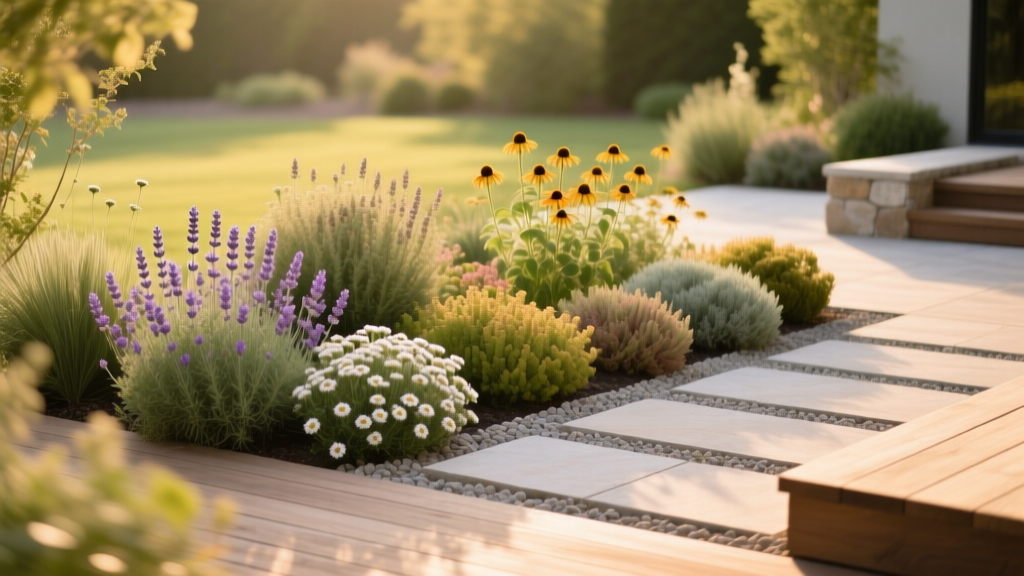
Designing a Low-Maintenance Perennial Patio Border
Sarah ChenPublished
Why Patio Borders Matter for Outdoor Entertaining
When designing an outdoor space for entertaining, the transition between your hardscape and your garden is just as important as the patio itself. A well-designed perennial border serves multiple purposes: it softens the harsh, rigid lines of concrete or stone pavers, creates a sense of intimacy and privacy for your guests, and dramatically boosts your home's curb appeal when viewed from the street. Unlike annuals that require replanting every spring, a thoughtfully planned perennial border returns year after year, providing a reliable, low-maintenance backdrop for your summer barbecues, evening cocktail parties, and autumn fire-pit gatherings.
Creating this seamless integration between your entertaining area and the surrounding landscape requires careful planning, proper soil preparation, and strategic plant selection. In this comprehensive guide, we will walk you through the exact steps to design, install, and maintain a vibrant perennial patio border that will impress your guests and elevate your outdoor living experience.
Step 1: Site Analysis and Soil Preparation
Before purchasing a single plant, you must understand the unique microclimate of your patio area. Patios often create distinct zones of sun and shade, and the reflected heat from stone or brick pavers can dry out adjacent soil rapidly. Spend three consecutive days tracking the sunlight patterns around your patio. Note which areas receive full sun (six or more hours of direct light), part sun (three to six hours), and full shade (less than three hours).
Once you understand the light, you must address the soil. Patio construction often leaves behind compacted, nutrient-poor dirt. According to experts at the Cornell University Gardening resource center, testing your soil pH and nutrient levels is the most critical first step in any landscape installation. You can purchase a basic soil test kit from your local cooperative extension for about $15 to $25.
After receiving your soil test results, prepare the beds by excavating the area to a depth of 10 inches. Remove all existing weeds, grass, and large rocks. To combat compaction and improve drainage, incorporate a 2-to-3-inch layer of organic compost into the top 6 inches of the native soil. This amendment will provide a slow-release source of nutrients and improve the soil structure, ensuring your perennials establish deep, drought-tolerant root systems before the peak entertaining season begins.
Step 2: Selecting the Right Perennials
Choosing plants that offer multi-season interest ensures your entertaining space looks vibrant from spring gatherings to autumn evenings. The University of Minnesota Extension recommends selecting perennials based on their mature size, bloom time, and foliage texture to avoid overcrowding and ensure continuous color. For a patio border, you want plants that are relatively tidy, do not drop excessive debris onto your seating area, and offer fragrant or visually striking blooms.
Top Perennials for Patio Borders
Below is a curated list of reliable, low-maintenance perennials that thrive in border environments and provide excellent structure for outdoor entertaining spaces.
| Plant Name | Mature Height | Spread | Bloom Season | Light Requirement | Best Patio Placement |
|---|---|---|---|---|---|
| Lavender (Munstead) | 12 - 18 inches | 18 - 24 inches | Early Summer | Full Sun | Front edge, near seating for fragrance |
| Salvia (May Night) | 18 - 24 inches | 18 - 24 inches | Late Spring to Fall | Full Sun | Mid-border, provides deep purple color |
| Coneflower (PowWow Wild Berry) | 16 - 20 inches | 12 - 16 inches | Early Summer to Fall | Full to Part Sun | Mid-to-back border, attracts pollinators |
| Hosta (Patriot) | 12 - 18 inches | 24 - 30 inches | Mid to Late Summer | Part to Full Shade | Shaded corners, lush foliage contrast |
| Feather Reed Grass (Karl Foerster) | 36 - 48 inches | 24 - 30 inches | Summer plumes, Winter interest | Full Sun | Back border, creates privacy screens |
For a deeper dive into specific cultivars and their exact hardiness zones, the Missouri Botanical Garden Plant Finder is an invaluable tool. When arranging your plants, use the 'thriller, filler, spiller' concept adapted for in-ground borders. Place tall ornamental grasses like Karl Foerster at the back to create a living privacy wall for your guests. Use mid-height salvias and coneflowers to fill the bulk of the bed, and plant mounding lavender or creeping thyme at the very front edge to soften the transition to the patio pavers.
Step 3: Hardscape Edging and Integration
To maintain the crisp, clean lines that are essential for high-end curb appeal, physical edging is non-negotiable. Without a physical barrier, aggressive lawn grasses and creeping groundcovers will quickly invade your meticulously prepared perennial beds, creating a messy, high-maintenance eyesore.
For a modern, seamless look that complements contemporary patio furniture, install commercial-grade steel landscape edging. Steel edging typically costs between $4 and $6 per linear foot and is virtually invisible once installed, allowing the plants and the patio to take center stage. To install, dig a narrow trench approximately 4 inches deep along the perimeter of your patio. Drive the steel edging into the trench using a rubber mallet, ensuring the top of the edging sits about half an inch below the top of your patio pavers. This prevents tripping hazards and allows for easy string-trimming.
If your home features a more traditional or rustic architectural style, consider using brick pavers or natural stone cobblestones set in concrete as a border. This creates a wider, more substantial transition zone that can double as extra seating during large outdoor parties.
Step 4: Mulching and Long-Term Maintenance
A fresh, uniform layer of mulch is the secret weapon of professional landscapers. It instantly unifies the border, suppresses weed seeds, and retains soil moisture during the heat of summer entertaining. Apply a 2-to-3-inch layer of high-quality, double-shredded hardwood bark or cedar mulch over the entire bed.
Crucially, keep the mulch at least 2 inches away from the base crowns of your perennials. Piling mulch directly against plant stems (a practice known as 'volcano mulching') traps excess moisture and invites fungal diseases and rodent damage. In the spring, your primary maintenance task will be cutting back the dead foliage of ornamental grasses and late-blooming perennials to a height of 4 inches before new growth emerges. In the fall, resist the urge to over-clean the garden; leaving the seed heads of coneflowers and the dried plumes of feather reed grass provides vital winter interest and food for local bird populations.
Step 5: Lighting the Border for Evening Entertaining
Outdoor entertaining often extends well into the evening, and your perennial border should look just as dramatic at night as it does during the day. Integrate low-voltage LED landscape lighting to highlight the architectural features of your plants and ensure safe navigation around the patio.
Use directional uplights (rated between 100 and 200 lumens with a warm 2700K color temperature) placed at the base of your tall Karl Foerster grasses. The light will catch the swaying plumes, casting beautiful, dynamic shadows across your patio. For the front edge of the border, install low-glare path lights spaced 6 to 8 feet apart to illuminate the boundaries of the entertaining space without shining directly into your guests' eyes. A basic low-voltage lighting kit can be purchased for $150 to $300, and because it operates on a safe 12-volt system, it can be installed in a single weekend without hiring an electrician.
Conclusion
Designing a low-maintenance perennial patio border is an investment in both your property's curb appeal and your lifestyle. By carefully analyzing your site, amending the soil, selecting multi-season plants, and integrating proper edging and lighting, you create a dynamic outdoor room. This lush, fragrant, and visually striking environment will naturally draw your guests outdoors, making every gathering a memorable occasion surrounded by the beauty of nature.
