Tree Care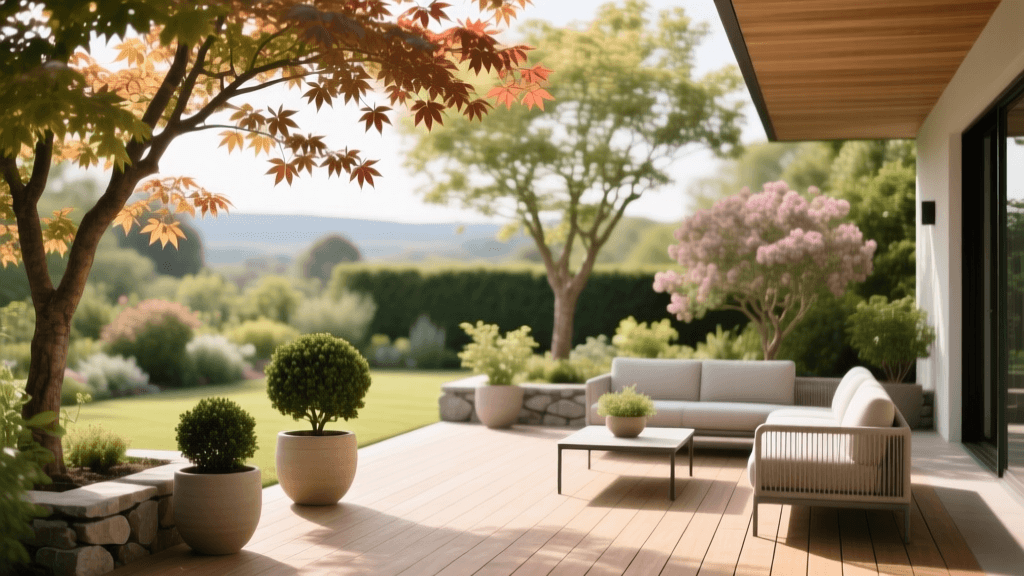
Top Low-Mess Shade Trees for Patios and Outdoor Decks
The Role of Trees in Outdoor Entertaining and Curb Appeal
Designing the perfect outdoor entertaining space requires a delicate balance between aesthetics, comfort, and practical maintenance. While a sunny patio might look inviting in the early spring, the harsh glare and intense heat of mid-summer can quickly drive guests indoors. This is where strategic tree planting becomes essential. Integrating shade trees into your patio or deck design not only expands your usable living space but also dramatically boosts your property's curb appeal by framing the landscape and adding vertical architectural interest.
However, not all trees are created equal when it comes to outdoor dining and lounging. The wrong tree can turn a relaxing weekend barbecue into a chore, dropping sticky sap onto expensive patio furniture, scattering fleshy fruits that stain concrete pavers, or shedding large, brittle branches during summer thunderstorms. According to the Arbor Day Foundation, properly placed trees can reduce the temperature of an outdoor living area by up to 10 degrees, but selecting the right species is paramount to enjoying those benefits without the associated mess.
Defining a Low-Mess Tree for Patio Landscapes
Before selecting a tree for your entertainment zone, it is crucial to understand what constitutes a 'messy' tree in a hardscape environment. A high-mess tree typically exhibits one or more of the following traits:
- Sap Drip and Honeydew: Trees prone to aphid or scale insect infestations (like certain maples or lindens) excrete a sticky substance called honeydew, which coats patio tables and umbrellas.
- Fleshy Fruits and Berries: Trees that drop dark berries or large fruits (such as mulberries, black walnuts, or female ginkgoes) will stain porous stone, brick, and concrete, while also attracting unwanted wildlife to your dining area.
- Large, Leathery Leaves or Seed Pods: Broad leaves or heavy seed pods clog patio drains, stick to wet decking, and require constant sweeping.
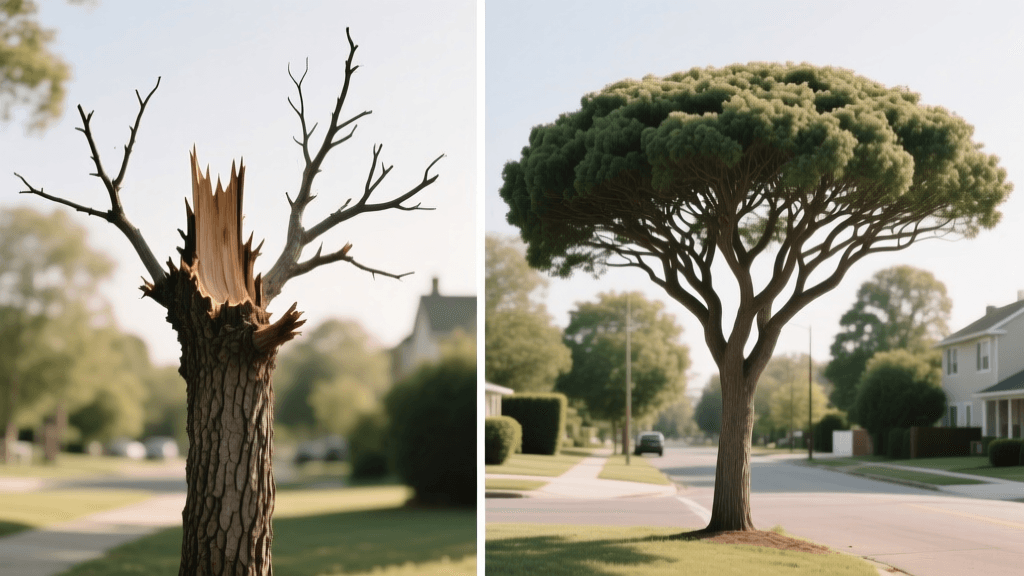
- Brittle Wood: Fast-growing trees with weak branch unions are prone to dropping limbs onto decks and glass tables during high winds.
A 'low-mess' tree, by contrast, features small, easily dispersed foliage, lacks staining fruits, possesses strong wood, and is generally resistant to the sap-sucking pests that cause sticky drips. Below are five exceptional low-mess shade trees perfectly suited for framing and shading outdoor entertaining spaces.
Top 5 Low-Mess Shade Trees for Patios and Decks
1. Shademaster Honeylocust (Gleditsia triacanthos var. inermis 'Shademaster')
The Shademaster Honeylocust is a premier choice for patios due to its incredibly fine, fern-like foliage. Because the individual leaflets are so small, they rarely accumulate on patio furniture; instead, they blow away in a light breeze or wash easily through the gaps in deck boards and permeable pavers. Furthermore, this thornless, seedless cultivar provides 'dappled shade,' allowing enough filtered sunlight to reach the ground so that you can comfortably read a book or enjoy a meal without sitting in deep, gloomy darkness. Its deep root system also means it is less likely to heave nearby walkways.
2. Autumn Gold Ginkgo (Ginkgo biloba 'Autumn Gold')
Ginkgo trees are ancient, resilient, and virtually immune to the pests that cause sticky sap drips. However, female ginkgoes are notorious for dropping foul-smelling fruit. The 'Autumn Gold' cultivar is a guaranteed male clone, completely eliminating the fruit mess while providing a breathtaking canopy of brilliant, glowing golden-yellow in the fall. Its structural branching and slow-to-moderate growth rate make it a highly predictable, low-maintenance umbrella for large deck spaces. When illuminated by evening landscape lighting, the yellow autumn leaves create a stunning backdrop for outdoor dinner parties.
3. Japanese Stewartia (Stewartia pseudocamellia)
For homeowners seeking multi-season curb appeal with zero patio mess, the Japanese Stewartia is a masterpiece. In mid-summer, it produces elegant, cup-shaped white flowers with golden stamens that resemble camellias. Unlike fleshy fruits, the spent flowers drop cleanly and do not stain hardscapes. In the winter, the bark exfoliates to reveal a mosaic of gray, reddish-brown, and orange patches, providing spectacular visual interest when viewed from the patio or through indoor windows during colder months.
4. Muskogee Crape Myrtle (Lagerstroemia 'Muskogee')
Ideal for warmer climates (USDA Zones 7-9), the Muskogee Crape Myrtle offers a massive display of lavender flowers from mid-summer into early fall. Crape myrtles are exceptionally clean trees; they do not produce messy sap or staining berries. The 'Muskogee' variety is highly resistant to powdery mildew, keeping the canopy looking fresh and vibrant throughout the entertaining season. Its smooth, mottled bark adds a sculptural element to the landscape, elevating the overall sophistication of your outdoor living area.
5. Emerald Pagoda Snowbell (Styrax japonicus 'Emerald Pagoda')
The Emerald Pagoda Snowbell is renowned for its distinct, horizontal branching habit, which naturally forms a wide, flat-topped canopy resembling an elegant umbrella. In late spring, it produces an abundance of fragrant, bell-shaped white flowers that hang gracefully beneath the branches. It thrives in partial shade and is an excellent choice for planting near the edge of a patio where its tiered branches can gently overhang the seating area without dropping debris or blocking ambient light.
Low-Mess Tree Comparison Chart
| Tree Species | Mature Height | Canopy Spread | Hardiness Zones | Primary Mess Factor |
|---|---|---|---|---|
| Shademaster Honeylocust | 30-50 ft | 25-35 ft | 4-8 | Extremely Low (Tiny leaflets) |
| Autumn Gold Ginkgo | 40-50 ft | 25-30 ft | 4-8 | None (Male clone, no fruit) |
| Japanese Stewartia | 20-30 ft | 15-25 ft | 5-8 | Extremely Low (Clean flowers) |
| Muskogee Crape Myrtle | 20-30 ft | 15-20 ft | 7-9 | Very Low (No staining berries) |
| Emerald Pagoda Snowbell | 20-30 ft | 15-20 ft | 5-8 | Extremely Low (Minimal litter) |
Strategic Placement for Maximum Curb Appeal
Selecting a low-mess tree is only half the battle; proper placement is critical for both curb appeal and the longevity of your hardscapes. When planting near a patio, consider the mature canopy spread. You want the outer edge of the branches to eventually 'kiss' the patio space, providing a shaded border without plunging the entire entertaining area into deep shade, which can encourage moss growth on pavers and make the space feel damp.
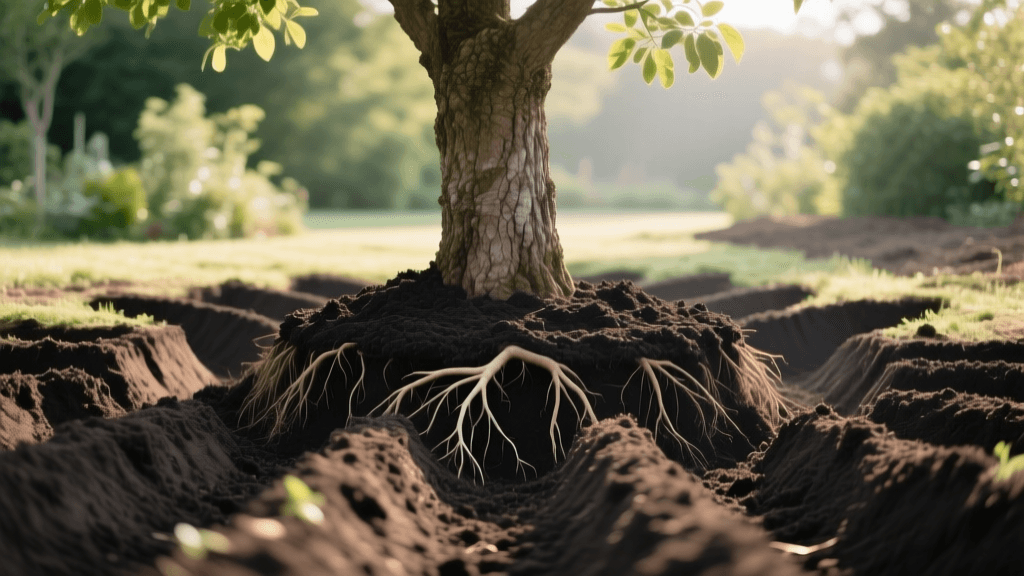
To protect your patio foundation and pavers from root intrusion, plant large shade trees like the Honeylocust or Ginkgo at least 15 to 20 feet away from the hardscape edge. For smaller, ornamental trees like the Japanese Stewartia or Crape Myrtle, a distance of 8 to 10 feet is generally sufficient. If space is limited, consider installing a professional-grade root barrier between the tree and the patio to direct roots downward rather than laterally beneath your decking.
Pruning and Canopy Management for Entertaining Spaces
Trees planted near outdoor living spaces require specific pruning techniques to ensure they remain functional and comfortable for guests. The most important technique is 'crown raising,' which involves selectively removing the lower branches to elevate the canopy. For a patio tree, you should aim for a minimum clearance of 7 to 8 feet beneath the lowest branches so that guests can walk freely underneath without ducking or brushing against leaves.
Additionally, 'crown thinning' is highly beneficial for patio trees. By selectively removing crossing, rubbing, or densely packed interior branches, you allow summer breezes to pass through the canopy, enhancing the cooling effect on the patio. Thinning also improves air circulation, which reduces the likelihood of fungal diseases that could cause premature leaf drop. As noted by the University of Minnesota Extension, proper pruning cuts should always be made just outside the branch collar to promote rapid healing and prevent decay organisms from entering the trunk.
Protecting Hardscapes and Managing the Microclimate
Trees and hardscapes interact in complex ways. While a shade tree will protect your wooden deck from UV degradation and keep composite materials cooler underfoot, the area beneath the canopy can become a microclimate that holds moisture. To prevent patios from becoming slick with algae, ensure your hardscape has a slight grade (at least a 1% slope) away from the seating area to promote rapid drainage after summer rainstorms.
Mulching is another critical component of patio tree care. Apply a 2-to-3-inch layer of high-quality, double-shredded hardwood mulch in a wide ring around the base of the tree. This mimics a natural forest floor, retains soil moisture, and suppresses weeds. However, keep the mulch strictly away from the trunk flare to prevent rot, and ensure the mulch ring is contained by a clean, steel or stone edging so that wood chips do not wash onto your patio pavers during heavy downpours. For those researching specific soil and light requirements for their exact patio orientation, the Missouri Botanical Garden Plant Finder is an invaluable, authoritative tool to cross-reference your site conditions with your chosen tree species.
Final Thoughts on Patio Tree Care
Integrating low-mess shade trees into your outdoor entertaining area is one of the highest-return investments you can make in your landscape. By choosing species like the Shademaster Honeylocust, Autumn Gold Ginkgo, or Japanese Stewartia, you eliminate the weekend chores of scrubbing sap off tables or power-washing berry stains from your pavers. Instead, you create a sophisticated, cool, and inviting outdoor room that naturally draws the eye, boosts your curb appeal, and provides a beautiful, leafy canopy for years of memorable gatherings.