Pest Control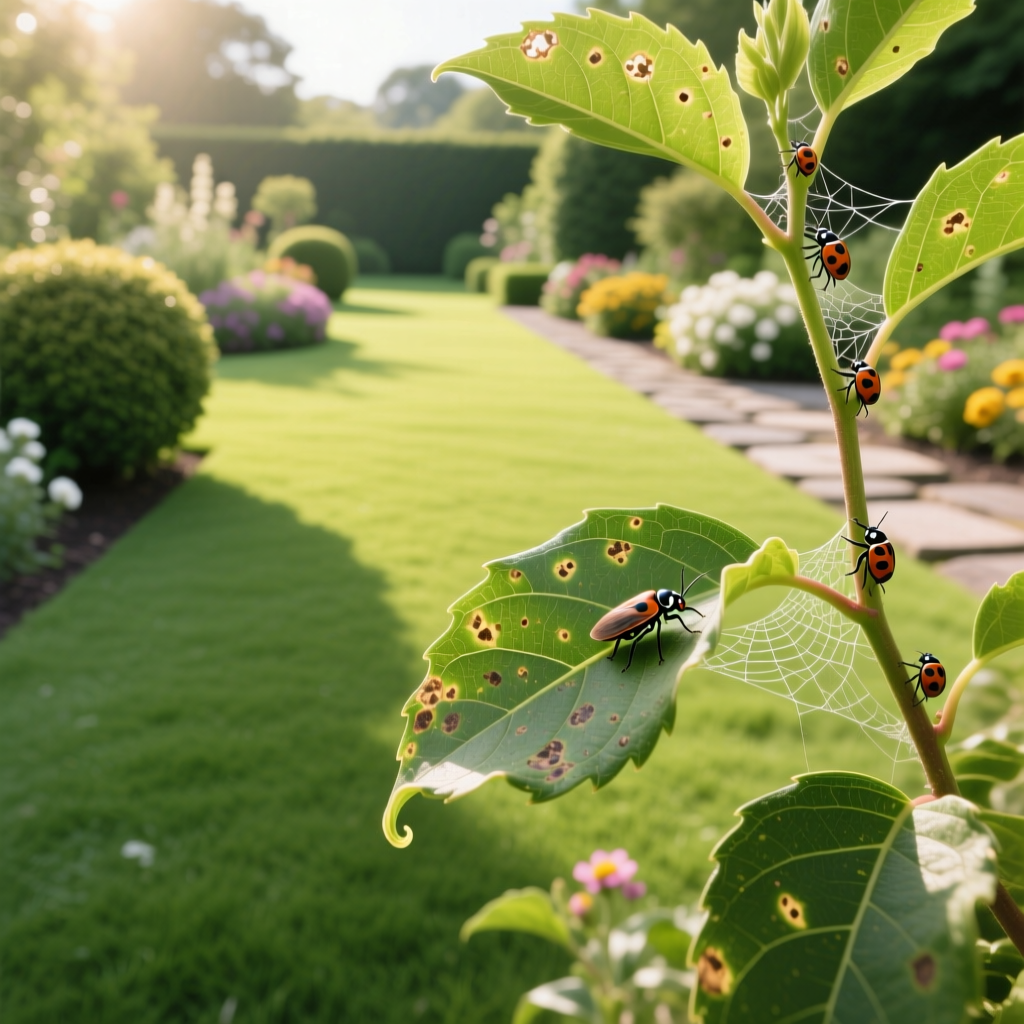
Manage Leafhopper Damage on Ornamental Shrubs & Flower...
Lisa ThompsonPublished
How to Manage Leafhopper Damage on Ornamental Shrubs & Flower Borders
Leafhoppers are among the most common yet frequently overlooked pests in ornamental gardens. These tiny, wedge-shaped insects can wreak havoc on your prized shrubs and flower borders, causing stippled foliage, stunted growth, and in severe cases, the spread of devastating plant diseases. If you have noticed your ornamental plants looking pale, curled, or generally unhealthy despite proper watering and fertilization, leafhoppers may be the hidden culprit behind the decline.
Unlike larger garden pests that are easy to spot, leafhoppers are small enough to escape casual observation. They feed by piercing plant tissues and sucking out vital sap, weakening plants over time and leaving behind telltale signs of damage. Worse still, certain species of leafhoppers are vectors for plant pathogens, including phytoplasmas that cause diseases like aster yellows, which can devastate entire flower borders.
The good news is that leafhopper damage is manageable with the right knowledge and approach. Whether you maintain a modest cottage garden or an expansive landscape with diverse ornamental plantings, this comprehensive guide will walk you through everything you need to know about identifying, preventing, and controlling leafhoppers on your shrubs and flower borders. For broader strategies on maintaining a healthy landscape, explore our general lawn maintenance tips to ensure your entire outdoor space thrives.
Identifying Leafhoppers & Recognizing Damage on Ornamental Plants
Before you can effectively manage leafhoppers, you need to confirm their presence and understand the specific damage they cause. Misidentification is one of the most common mistakes gardeners make, often leading to ineffective treatments that waste time and resources.
What Leafhoppers Look Like
Leafhoppers belong to the family Cicadellidae and are small, slender insects typically measuring between one-eighth and one-half inch in length. They have a distinctive wedge or torpedo-shaped body that tapers toward the rear. Their coloration varies widely depending on the species, ranging from bright green and yellow to brown, gray, or even mottled patterns that provide excellent camouflage against foliage.
One of the most characteristic behaviors of leafhoppers is their remarkable jumping ability. When disturbed, they launch themselves into the air or dart sideways with surprising speed, which is how they earned their common name. Adults have two pairs of wings held roof-like over their bodies at rest. Nymphs, the immature stage, are smaller, wingless, and often lighter in color, but they exhibit the same jumping behavior.
Leafhoppers are often confused with similar insects such as planthoppers, treehoppers, and spittlebugs. The key distinguishing feature is the presence of spines on the hind legs of leafhoppers, which are visible under magnification. Additionally, leafhoppers tend to walk sideways in a distinctive crab-like manner, a behavior not commonly seen in look-alike insects.
Signs of Leafhopper Damage on Shrubs & Flower Borders
Leafhoppers feed using piercing-sucking mouthparts, which they insert into the underside of leaves to extract plant sap. This feeding behavior produces several recognizable symptoms:
- Stippling or hopperburn: The most classic sign is a speckled or stippled appearance on leaf surfaces, caused by the destruction of individual plant cells during feeding. In severe cases, leaf margins turn brown and curl, a condition commonly called hopperburn.
- Chlorosis: Affected leaves may develop yellow or white patches as chlorophyll is destroyed, reducing the plant's ability to photosynthesize effectively.
- Leaf curling and distortion: New growth is particularly vulnerable, and heavy feeding can cause leaves to curl, pucker, or become misshapen.
- Honeydew and sooty mold: Some leafhopper species excrete a sugary substance called honeydew, which coats leaf surfaces and promotes the growth of black sooty mold. While the mold itself does not infect plant tissue, it blocks sunlight and further reduces photosynthesis.
- Cast skins: As nymphs molt through their developmental stages, they leave behind tiny, translucent exoskeletons attached to the undersides of leaves. Finding these cast skins is a reliable indicator of an active leafhopper population.
Disease Transmission Risks
Beyond direct feeding damage, leafhoppers pose a significant threat as vectors of plant diseases. Several species are known to transmit phytoplasmas and bacteria that cause conditions such as aster yellows, elm yellows, and Pierce's disease. Aster yellows, in particular, affects a wide range of ornamental plants commonly found in flower borders, including asters, coneflowers, chrysanthemums, and marigolds. Infected plants exhibit symptoms such as witches' broom (abnormal clustering of stems), yellowing, stunted growth, and deformed flowers.
Once a plant is infected with a phytoplasma disease, there is no cure. This makes early leafhopper detection and control critically important for protecting your ornamental plantings. If you suspect disease issues in your garden, consult our common garden pest identification guide for help diagnosing the problem.
Preventing Leafhopper Infestations in Ornamental Landscapes
Prevention is always more effective and less costly than treatment. By creating conditions that discourage leafhoppers and promote plant health, you can significantly reduce the likelihood of damaging infestations in your shrubs and flower borders.
Choose Resistant & Well-Adapted Plant Varieties
Some ornamental plants are inherently less attractive to leafhoppers due to their leaf texture, chemical composition, or growth habits. When planning or renovating flower borders, research which varieties have shown resistance to leafhopper feeding in your region. Plants with thick, waxy, or hairy leaves tend to be less susceptible because the insects have difficulty inserting their mouthparts into the tissue.
Native plants that are well-adapted to your local climate and soil conditions also tend to be more resilient against pest pressure overall. Healthy, vigorously growing plants can tolerate moderate leafhopper feeding without significant aesthetic or physiological impact. For guidance on selecting the right plants for your landscape, check out our landscape design basics resource.
Maintain Optimal Plant Health
Stressed plants emit volatile organic compounds that can actually attract leafhoppers and other sap-feeding insects. Maintaining plant vigor through proper cultural practices is one of the most effective long-term prevention strategies:
- Water deeply and consistently: Drought-stressed shrubs and perennials are more susceptible to leafhopper damage. Establish a watering schedule that keeps soil evenly moist but not waterlogged, particularly during hot, dry periods when leafhopper populations peak.
- Avoid excessive nitrogen fertilization: While nitrogen promotes lush, green growth, it also produces the soft, succulent tissue that leafhoppers prefer. Use balanced, slow-release fertilizers and follow soil test recommendations rather than applying heavy doses of nitrogen.
- Prune for air circulation: Dense, overcrowded shrubs create sheltered microclimates that favor leafhopper establishment. Regular pruning improves air movement and light penetration, making the environment less hospitable to pests.
- Mulch appropriately: A layer of organic mulch around shrubs and flower borders helps retain soil moisture, regulate temperature, and suppress weeds that may harbor leafhoppers. However, avoid piling mulch against plant stems, as this can create moisture problems and invite other pests.
Eliminate Alternate Hosts & Overwintering Sites
Leafhoppers often overwinter as eggs laid in plant stems or as adults sheltered in garden debris, leaf litter, and weedy areas. Many common weeds serve as alternate hosts, allowing leafhopper populations to build up before they migrate to your ornamental plants. Keeping garden beds and surrounding areas free of weeds such as dandelion, plantain, chickweed, and wild mustard reduces the available habitat for these pests.
In autumn, removing or composting spent plant material from flower borders eliminates potential overwintering sites. However, consider leaving some undisturbed areas at the garden's edge to provide habitat for beneficial insects that prey on leafhoppers. Finding the right balance between garden sanitation and ecological diversity is key to sustainable pest management.
Use Physical Barriers & Row Covers
For particularly vulnerable plants or newly installed shrubs, lightweight floating row covers can provide an effective physical barrier against leafhoppers. These covers allow light and water to pass through while preventing insects from reaching the plants. Install row covers early in the growing season before leafhopper populations build up, and secure the edges tightly to the ground to prevent insects from entering underneath.
Reflective mulches, particularly aluminum-colored or silver plastic mulches, have been shown to repel leafhoppers and other flying insects by disorienting them with reflected light. While more commonly used in vegetable gardens, reflective mulch can be incorporated into flower borders during the establishment phase when young plants are most vulnerable.
DIY Solutions for Controlling Leafhoppers on Shrubs & Flower Borders
When prevention measures are not enough and leafhopper populations begin causing noticeable damage, a variety of do-it-yourself control methods can help bring the problem under control. Start with the least invasive approaches and escalate only as needed.
Mechanical & Physical Controls
For light infestations, mechanical removal can be surprisingly effective. Early in the morning when temperatures are cool and leafhoppers are less active, hold a container of soapy water beneath affected foliage and gently shake or tap the branches. The disturbed insects will drop into the water and drown. This method works particularly well on smaller shrubs and compact flower border plants.
A strong jet of water from a garden hose can also dislodge leafhoppers from plant surfaces. Direct the spray at the undersides of leaves where the insects congregate, using enough pressure to knock them off without damaging the foliage. Repeat this treatment every few days, as new leafhoppers may migrate into the area from surrounding vegetation.
Yellow sticky traps placed near affected plants serve a dual purpose: they capture adult leafhoppers and help you monitor population levels. Place traps at the canopy level of your shrubs and check them weekly. A sudden increase in trapped insects signals that more aggressive control measures may be needed.
Beneficial Insects & Biological Controls
Nature provides an impressive array of natural enemies that prey on leafhoppers at various life stages. Encouraging and, where appropriate, introducing these beneficial organisms can provide sustainable, long-term control:
- Lady beetles: Both adult and larval lady beetles are voracious predators of leafhopper nymphs and eggs. Planting nectar-rich flowers such as dill, fennel, yarrow, and alyssum near your ornamental borders attracts and sustains lady beetle populations.
- Lacewings: Green lacewing larvae, sometimes called aphid lions, are equally effective predators that will readily consume leafhopper nymphs. You can purchase lacewing eggs from garden supply retailers and release them directly onto infested plants.
- Parasitic wasps: Tiny, non-stinging parasitic wasps in the family Mymaridae lay their eggs inside leafhopper eggs, effectively preventing the next generation from hatching. These beneficial wasps are attracted to gardens with diverse flowering plants that provide nectar for the adults.
- Spiders: Ground-dwelling and web-building spiders are important generalist predators that capture significant numbers of leafhoppers. Avoid broad-spectrum insecticides that harm spider populations.
- Entomopathogenic fungi: Naturally occurring fungi such as Beauveria bassiana and Metarhizium anisopliae infect and kill leafhoppers. Commercial formulations of these fungi are available as biological insecticides and can be sprayed directly onto infested foliage.
Organic & Botanical Sprays
When biological controls alone are insufficient, several organic spray options offer effective knockdown of leafhopper populations while minimizing harm to beneficial insects and the environment:
- Insecticidal soap: Potassium salts of fatty acids disrupt the cell membranes of soft-bodied insects, causing rapid dehydration. Insecticidal soap must contact the insects directly to be effective, so thorough coverage of leaf undersides is essential. Apply in the early morning or late evening to avoid leaf burn and to maximize contact with active leafhoppers.
- Neem oil: Extracted from the seeds of the neem tree, this botanical oil acts as both a repellent and a growth disruptor, interfering with leafhopper feeding and reproduction. Neem oil also has mild fungicidal properties, which can help control sooty mold associated with honeydew-producing leafhoppers. Mix according to label directions and apply every seven to fourteen days during active infestations.
- Pyrethrin: Derived from chrysanthemum flowers, pyrethrin is a fast-acting botanical insecticide that provides quick knockdown of adult leafhoppers. While it breaks down rapidly in sunlight and is considered relatively safe for use around ornamentals, pyrethrin is toxic to bees on contact, so apply only in the evening when pollinators are not active.
- Horticultural oils: Lightweight summer oils can smother leafhopper eggs and nymphs on contact. These oils are particularly useful during the early stages of an infestation when populations are concentrated on new growth. Avoid applying oils when temperatures exceed 90°F to prevent phytotoxicity.
For additional organic pest management strategies that work across your entire landscape, visit our natural pest control methods guide.
Homemade Remedies
Several homemade sprays can supplement your leafhopper control efforts using common household ingredients:
- Garlic spray: Blend two to three cloves of garlic with a quart of water, strain the mixture, and add a few drops of liquid dish soap. The sulfur compounds in garlic act as a natural repellent. Spray liberally on affected foliage, reapplying after rain.
- Hot pepper spray: Steep chopped hot peppers or one tablespoon of cayenne pepper powder in a quart of water overnight. Strain and add a few drops of dish soap before spraying. The capsaicin irritates and deters leafhoppers from feeding.
- Kaolin clay: This fine, non-toxic clay can be mixed with water and sprayed onto plant surfaces to create a physical barrier that deters feeding and egg-laying. Kaolin clay is particularly useful on ornamental shrubs where a dusty white coating is acceptable or can be washed off before display periods.
When to Call Professional Pest Control Services
While many leafhopper infestations can be managed with the DIY approaches described above, certain situations warrant professional intervention. Knowing when to escalate your response can save valuable ornamental plants from irreversible damage.
Signs That Professional Help Is Needed
Consider contacting a licensed pest control professional or a certified arborist if you observe any of the following:
- Persistent infestations despite repeated treatment: If you have applied multiple rounds of organic sprays and cultural controls over several weeks without seeing improvement, a professional can identify the specific leafhopper species involved and recommend targeted solutions.
- Evidence of plant disease: If your ornamental plants are showing symptoms of aster yellows, witches' broom, or other phytoplasma diseases, professional diagnosis and a coordinated management plan are essential. Infected plants typically need to be removed and destroyed to prevent further spread, and professionals can advise on the best approach.
- Large-scale infestations across multiple plantings: When leafhoppers have colonized a significant portion of your landscape, the scale of treatment may exceed what is practical for a homeowner to manage alone. Professional applicators have access to commercial-grade products and equipment that can treat large areas efficiently.
- High-value specimen plants at risk: If mature, expensive, or sentimentally important ornamental shrubs are under threat, the investment in professional care is often justified. An arborist can provide individualized treatment plans and ongoing monitoring to protect these plants.
- Recurring annual problems: If leafhoppers return in damaging numbers every growing season despite your best efforts, a professional can develop an integrated pest management plan that addresses the underlying causes, including overwintering sites, alternate hosts, and landscape design factors.
What to Expect from Professional Treatment
A reputable pest control professional will begin with a thorough inspection of your ornamental plantings to assess the extent of the infestation and identify contributing factors. They should provide a written plan that may include targeted insecticide applications, systemic treatments for high-value shrubs, recommendations for plant removal or replacement, and a follow-up monitoring schedule.
Systemic insecticides, which are absorbed by the plant and distributed through its vascular system, are sometimes used by professionals for severe leafhopper problems on ornamental shrubs. These products provide longer-lasting control than contact sprays but must be applied by licensed applicators due to their potential environmental impact. Always ask about the products being used and their effects on pollinators and beneficial insects.
For integrated approaches to managing pests across your entire property, including lawns and garden beds, our integrated pest management guide offers a comprehensive framework for sustainable control.
Frequently Asked Questions About Leafhoppers on Ornamental Plants
Do leafhoppers kill ornamental shrubs & flowers?
Leafhoppers rarely kill established ornamental shrubs outright through feeding damage alone. However, heavy infestations can severely weaken plants, causing significant aesthetic damage, reduced flowering, and increased susceptibility to secondary pests and environmental stress. The greater lethal threat comes from the diseases that certain leafhopper species transmit. Phytoplasma diseases like aster yellows are fatal to many herbaceous ornamentals and can spread rapidly through flower borders if leafhopper vectors are not controlled. Young, newly planted shrubs and seedlings are more vulnerable to direct feeding damage and may suffer long-term stunting if infestations are not addressed promptly.
What time of year are leafhoppers most active on ornamental plants?
Leafhoppers are most active during warm weather, typically from late spring through early autumn. In most temperate regions, the first generation of adults emerges in late spring as temperatures consistently reach the mid-60s to 70s°F. Populations often peak in midsummer, coinciding with the hottest, driest period of the growing season. Many species produce two to three generations per year, meaning that a second or even third wave of nymphs and adults may appear in late summer. Monitoring your ornamental plantings regularly from late spring onward allows you to detect and respond to leafhopper activity before populations reach damaging levels. Keeping your plants well-watered during peak summer heat is also important, as drought stress compounds the damage caused by leafhopper feeding. Learn more about seasonal plant care in our seasonal garden care calendar.
Can I use diatomaceous earth to control leafhoppers?
Diatomaceous earth can provide some level of control against leafhoppers, particularly nymphs that crawl along stems and leaf surfaces. The microscopic sharp edges of diatomaceous earth particles abrade the waxy outer coating of insects, causing them to dehydrate and die. To use it effectively, apply food-grade diatomaceous earth as a light dusting on the foliage of affected plants, paying particular attention to the undersides of leaves and stem junctions. However, there are important limitations to keep in mind: diatomaceous earth loses its effectiveness when wet, so it must be reapplied after rain or overhead irrigation. It also affects beneficial insects that come into contact with it, so use it selectively rather than as a blanket treatment. For best results, combine diatomaceous earth with other control methods such as insecticidal soap sprays and the encouragement of natural predators.
Are leafhoppers harmful to humans or pets?
Leafhoppers are not harmful to humans or pets. They do not bite, sting, or transmit diseases to people or animals. These insects feed exclusively on plant sap and pose no direct health threat. While leafhoppers may occasionally land on a person working in the garden, they will quickly jump or fly away. The primary concern with leafhoppers is the damage they cause to ornamental and agricultural plants, as well as the indirect economic and aesthetic impact of the plant diseases they vector. Some gardeners may find large populations of leafhoppers annoying when working among heavily infested plants, as the insects spring into the air when disturbed, but this is merely a nuisance rather than a danger.
How can I tell the difference between leafhopper damage & spider mite damage?
Leafhopper and spider mite damage can appear superficially similar, as both produce stippled or speckled patterns on leaves. However, there are several key differences that can help you distinguish between them. Spider mite damage typically appears as very fine, numerous yellow or white dots across the entire leaf surface, and close inspection often reveals fine silk webbing on the undersides of leaves or between leaf stems and the main branch. Spider mites themselves appear as tiny moving dots, often red or brown, that are barely visible without magnification. Leafhopper damage, by contrast, tends to produce larger, more irregular white or yellow patches, and the stippling is often concentrated along leaf veins or margins. You may also find cast nymphal skins on the undersides of leaves, and the insects themselves are large enough to see with the naked eye. Shaking a branch over a white piece of paper will cause leafhoppers to jump visibly, while spider mites will appear as tiny, slowly crawling specks. Accurate identification is critical because the treatment approaches differ significantly. For help identifying other common garden pests, visit our pest identification resource.
Managing leafhoppers on ornamental shrubs and flower borders requires a combination of vigilance, good cultural practices, and timely intervention. By learning to recognize the early signs of leafhopper activity, maintaining healthy plants that can withstand moderate pest pressure, and employing a tiered approach to control that starts with the gentlest methods, you can protect your ornamental landscape from these sap-sucking pests without resorting to harsh chemicals. Regular monitoring throughout the growing season is your best defense, allowing you to catch problems early when they are easiest to manage. With consistent attention and the strategies outlined in this guide, your shrubs and flower borders can remain vibrant, healthy, and beautiful for years to come.