
Tree Care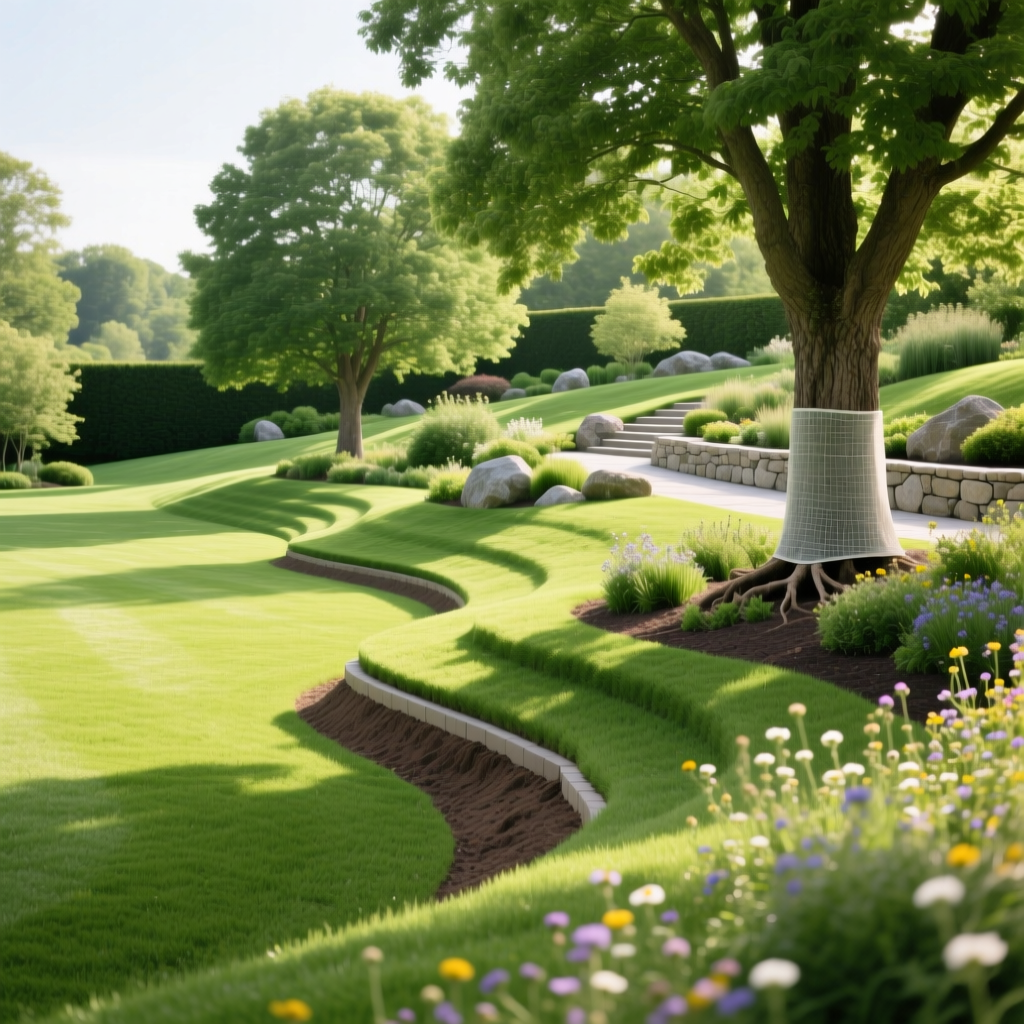
Managing Soil Grade Changes to Protect Tree Roots
Anna KowalskiPublished
Landscaping transformations, drainage corrections, and new hardscaping projects frequently require altering the topography of your yard. While adjusting the slope of your lawn can solve water pooling issues and create beautiful terraced gardens, managing soil grade changes around established trees is one of the most critical challenges a homeowner or landscaper can face. The root system of a mature tree is a complex, living network that is highly sensitive to its environment. Even seemingly minor alterations to the soil level can have devastating, long-term consequences for tree health.
When we think of trees, we often focus on the visible canopy, the trunk, and the branches. However, the true lifeline of any tree lies hidden beneath the surface. The vast majority of a tree’s absorbing roots are located in the top six to twelve inches of the soil profile. This shallow positioning allows roots to access vital oxygen, water, and nutrients. When you add or remove soil over this critical zone, you disrupt the delicate balance of gas exchange and moisture retention. Understanding how to protect tree roots during grading projects is essential for preserving the longevity, structural integrity, and aesthetic value of your landscape.
In this comprehensive guide, we will explore the biological impact of soil grade changes, preventative pruning and care requirements, how to identify stress and disease signals, seasonal maintenance tips, and engineered solutions to safeguard your trees. Whether you are planning a major backyard renovation or simply trying to fix a low-lying, waterlogged area near a beloved oak or maple, these strategies will help you maintain a thriving landscape. For more general information on maintaining a healthy yard, exploring our resources on yard grading and drainage is an excellent first step.
Understanding the Impact of Soil Grade Changes on Tree Roots
To effectively manage soil grade changes, it is imperative to understand the biology of the Critical Root Zone (CRZ). The CRZ is generally defined as the area directly beneath the tree’s canopy, extending out to the drip line and often beyond. Within this zone, the fine, fibrous feeder roots are responsible for the uptake of water and dissolved minerals. These roots also require a constant supply of oxygen for cellular respiration, a process that generates the energy the tree needs to grow, defend against pests, and maintain its structural tissues.
When soil is added over the CRZ (a process known as “filling”), the physical barrier created by the new soil layer restricts the diffusion of oxygen into the underlying soil and the escape of carbon dioxide out of it. Even adding just two to three inches of heavy, compacted clay can suffocate a tree’s feeder roots. As oxygen levels plummet, the roots begin to die back, leading to a condition known as hypoxia. Without a functioning root system, the canopy above will soon begin to starve, exhibiting symptoms like chlorosis, stunted leaf growth, and eventual branch dieback.
Conversely, removing soil (a process known as “cutting”) or lowering the grade can be equally destructive. Lowering the grade exposes the uppermost roots to the elements, making them vulnerable to extreme temperature fluctuations, physical damage from lawnmowers, and desiccation from sun and wind. Exposed roots also lose the insulating and moisture-retaining properties of the topsoil and organic matter that previously covered them. Furthermore, heavy equipment used during grading projects often causes severe soil compaction, crushing the macropores in the soil that hold air and water. To mitigate compaction in surrounding turf areas, integrating lawn aeration practices into your post-construction landscaping plan is highly recommended.
The severity of the impact depends on several factors, including the tree species, the age and health of the tree, the depth of the grade change, and the texture of the soil being added or removed. Fast-growing, shallow-rooted species like silver maples and willows may react differently than deep-rooted species like white oaks. However, no tree is entirely immune to the stress caused by sudden and drastic alterations to its foundational soil horizon.
Preventative Measures and Pruning Before Regrading
The most effective way to protect tree roots from soil grade changes is through meticulous pre-construction planning and preventative care. Before any earth-moving equipment arrives on your property, you must establish a Tree Protection Zone (TPZ). This zone should be clearly marked with highly visible, physical barriers such as chain-link fencing or sturdy wooden stakes connected by bright warning tape. The TPZ should ideally encompass the entire drip line of the tree, plus an additional buffer zone if possible. Strict rules must be enforced to prevent contractors from parking vehicles, storing heavy materials, or washing out concrete mixers within this protected perimeter.
If root pruning is absolutely unavoidable to accommodate a new retaining wall, driveway, or drainage trench, it must be done with surgical precision. Tearing or ripping roots with heavy machinery leaves jagged, open wounds that are highly susceptible to fungal infections and decay. Instead, use sharp, sterilized hand saws or specialized root-cutting equipment to make clean, flush cuts. To help the tree recover from the loss of its root mass, canopy pruning is often necessary to restore the balance between the root system and the transpiring leaf surface area.
Applying proper pruning techniques to the canopy reduces the tree’s overall water demand, which is crucial when its ability to absorb water has been compromised by root loss or grade changes. Focus on removing dead, diseased, or structurally weak branches, and thin out the crown slightly to reduce wind resistance and transpiration rates. However, avoid over-pruning; the tree still needs a robust canopy to photosynthesize and generate the carbohydrates required to grow new, compensatory roots.
Another vital preventative measure is managing the existing ground cover. If you are planning to add a minimal amount of soil (less than two inches) and the soil is highly porous, such as a sandy loam, the tree may tolerate the change. However, you must first remove any existing turfgrass, thick layers of old mulch, or heavy weed barriers from the CRZ. These materials can create an impermeable mat that traps moisture against the trunk and blocks gas exchange. Learning about correct mulching methods will help you apply the right protective layer after the grading work is complete, ensuring the trunk flare remains exposed and the roots can breathe.
Recognizing Diseases and Stress Signals from Grade Alterations
Trees subjected to soil grade changes rarely die immediately. Instead, they enter a state of chronic decline that can take anywhere from two to ten years to fully manifest. This slow decline is often misdiagnosed by homeowners as a simple nutrient deficiency or a temporary drought response. Recognizing the early stress signals and secondary diseases associated with root suffocation is vital for implementing rescue treatments before the tree passes the point of no return.
The first visible signs of root hypoxia usually appear in the canopy. You may notice a reduction in leaf size, premature autumn coloration, or early leaf drop. The tips of the branches may begin to die back, a condition known as “stagheading.” As the root system continues to fail, the tree loses its ability to compartmentalize decay and produce defensive chemicals. This weakened immune system makes the tree a prime target for opportunistic pathogens and secondary invaders.
Fungal diseases are among the most common secondary threats to trees suffering from grade-induced stress. Armillaria root rot, also known as oak root fungus, thrives on stressed, dying roots. You might notice honey-colored mushrooms appearing at the base of the tree in the fall, or a white, fan-like mycelial mat growing just beneath the bark at the root collar. Similarly, Phytophthora root rot thrives in the poorly drained, waterlogged soils that often result from improper grading and compaction. If you suspect your tree is suffering from a pathogenic invasion, consulting our guide on identifying common tree diseases can help you pinpoint the exact culprit.
Insect infestations also frequently follow root stress. Wood-boring beetles and clearwing moths are attracted to the volatile organic compounds (stress pheromones) emitted by declining trees. These insects tunnel through the cambium layer, severing the vascular tissues that transport water and nutrients, effectively delivering the final blow to an already compromised tree. Regular monitoring of the trunk for small exit holes, sawdust-like frass, or oozing sap can help you catch these secondary pests early.
To accurately diagnose the underlying issue, it is often necessary to carefully excavate the root collar. Using a gentle stream of compressed air or a hand trowel, carefully remove the soil around the base of the trunk to inspect the root flare. If the bark at the root flare is dark, mushy, or smells of fermentation, it is a strong indicator of anaerobic decay caused by excessive soil depth or chronic waterlogging. Conducting soil testing can also reveal if the new fill soil has drastically altered the pH or nutrient availability in the root zone.
Seasonal Tips for Managing Soil and Root Health
Caring for trees that have endured, or are about to endure, soil grade changes requires a proactive, season-by-season approach. Environmental stressors vary throughout the year, and your maintenance routine must adapt to support the tree’s shifting physiological needs.
Spring: Spring is the season of rapid growth and high metabolic demand. As the tree pushes out new foliage, it requires immense amounts of water and energy. If the tree has recently experienced a grade change, monitor the soil moisture closely. The new soil layer may dry out at a different rate than the native soil beneath it, creating a false reading on the surface. Use a soil probe to check moisture levels at least eight inches deep. Apply a light, balanced, slow-release fertilizer if a soil test indicates a deficiency, but avoid heavy nitrogen applications, which can force excessive top growth that the compromised root system cannot support.
Summer: Heat and drought are the ultimate tests for a tree with a restricted root zone. During the peak of summer, deep, infrequent watering is critical. Apply water slowly over the entire Critical Root Zone using a soaker hose or a drip irrigation system, allowing it to penetrate deeply into the native soil below the fill layer. Avoid shallow, daily sprinkling, which encourages weak surface rooting and exacerbates fungal issues. If the tree is showing severe wilting, temporary shade structures or anti-transpirant sprays can help reduce moisture loss from the canopy.
Fall: Autumn is the ideal time for root-focused interventions. As the canopy goes dormant, the tree shifts its energy downward to establish and repair root tissues. This is the best window for installing aeration tubes, performing vertical mulching, or applying organic biostimulants like mycorrhizal fungi and humic acids. Fall is also the time to apply a fresh, proper layer of organic mulch over the CRZ to insulate the roots against the coming winter freeze and retain soil moisture.
Winter: While the tree is dormant, winter provides a clear view of the tree’s architectural structure. This is the optimal time to perform corrective pruning, removing deadwood and hazardous limbs that may have resulted from the previous seasons’ stress. Additionally, winter is the safest time to plan and execute major landscaping or hardscaping projects, as the tree is less susceptible to shock, and the frozen ground can sometimes support equipment with less compaction risk (provided the CRZ remains strictly protected).
Engineering Solutions: Retaining Walls, Wells, and Aeration
When altering the grade of your yard is absolutely necessary for drainage or construction, you must employ engineering solutions to protect the tree’s critical root zone. Simply piling dirt against the trunk and hoping for the best is a guaranteed recipe for tree mortality. Instead, consider these proven arboricultural engineering techniques.
Tree Wells and Retaining Walls: If you must raise the grade of the surrounding yard, you can build a tree well to keep the original soil level intact around the trunk. This involves constructing a retaining wall made of stone, brick, or segmented blocks around the tree, outside the drip line if possible, or at least several feet away from the trunk. The wall holds back the new fill soil, creating a depressed “well” that maintains the original grade at the root flare. It is crucial to include drainage gravel and a perforated pipe at the base of the retaining wall to prevent the tree well from becoming a bathtub that drowns the roots.
Vertical Mulching and Radial Trenching: If fill soil has already been inadvertently added, or if heavy compaction has occurred, you can artificially restore gas exchange using radial trenching. This involves digging narrow, pie-shaped trenches radiating outward from the trunk (starting a few feet away to avoid major structural roots) to the drip line. These trenches are then backfilled with a highly porous mixture of coarse sand, compost, and pea gravel. This technique, often combined with core aeration in the surrounding lawn, creates permanent channels for oxygen and water to reach the suffocating native roots below the fill layer.
Aeration Tubes: For smaller grade changes or localized compaction, installing perforated PVC aeration tubes vertically into the soil can help vent carbon dioxide and draw fresh oxygen down to the root zone. These tubes should be filled with coarse gravel and capped with a grate to prevent debris and rodents from clogging them. While not a cure-all for deep fill, they can provide a critical lifeline for trees experiencing mild to moderate hypoxia.
Grade Transition Berms: If you are lowering the grade of the yard (cutting), you must avoid severing the structural buttress roots. Instead of a sheer drop-off, create a gentle, sloping transition berm that gradually tapers down to the new grade. This preserves the maximum amount of root mass while preventing soil erosion and protecting the exposed roots from mechanical damage and extreme temperature swings.
Frequently Asked Questions
How much soil can I safely add over tree roots?
The general rule of thumb among certified arborists is that adding no more than one to two inches of a highly porous, coarse-textured soil (like a sandy loam) is generally tolerable for most established trees. However, adding heavy clay or compacted fill, even in small amounts, can be lethal. The tree species also plays a role; shallow-rooted trees like beeches and sugar maples are highly sensitive to any fill, while some riparian species may tolerate slightly more. If you need to raise the grade significantly, you must use engineered solutions like a tree well or retaining wall to keep the fill away from the trunk and critical root flare.
Can I cut tree roots that are exposed after a grade change?
Cutting exposed roots should be an absolute last resort and only done when necessary for structural safety or essential construction. The roots located near the surface are often the tree’s primary structural anchors and its most active water-absorbing organs. Severing large buttress roots can compromise the tree’s stability, making it a severe windthrow hazard, and opens massive pathways for decay fungi to enter the heartwood. If small feeder roots are exposed due to erosion or minor grade lowering, it is far better to cover them gently with a thin layer of coarse mulch or topsoil rather than cutting them.
What are the first signs of root suffocation from added soil?
The earliest signs of root suffocation (hypoxia) are often subtle and appear in the canopy. You may notice that the leaves are noticeably smaller than in previous years, or they may exhibit a pale, chlorotic yellowing despite adequate fertilization. Premature autumn coloration and early leaf drop in late summer are also classic indicators. As the condition worsens, you will see “stagheading,” where the fine twigs and outer branches die back while the inner canopy remains temporarily green. Beneath the soil, the root flare may become spongy, and a sour, anaerobic odor may be present when the soil is excavated.
How do I protect trees during a landscaping or construction project?
Protection begins with establishing a strict Tree Protection Zone (TPZ) before any work starts. Erect sturdy, highly visible fencing around the drip line of the tree and enforce strict rules prohibiting the parking of heavy machinery, the dumping of construction debris, or the washing of tools within this zone. Avoid trenching for utilities within the TPZ; if utilities must be routed near the tree, use directional boring deep beneath the root system instead of open trenching. Finally, ensure that all contractors understand the value of the tree and the severe financial and ecological cost of damaging its root system.
Should I remove old mulch before adding soil to a tree base?
Yes, absolutely. If you are attempting a very minor grade adjustment or top-dressing, you must remove any existing layers of mulch, turfgrass, or landscape fabric first. Old, decomposed mulch can form a hydrophobic (water-repellent) crust or a dense, anaerobic mat that blocks oxygen exchange. Adding new soil on top of this mat will only exacerbate the suffocation of the roots. Always start with the native soil surface, ensure the root flare is completely visible and clean, and then apply any necessary amendments or a thin layer of fresh, coarse organic mulch, keeping it several inches away from the trunk bark to prevent rot.

