Tree Care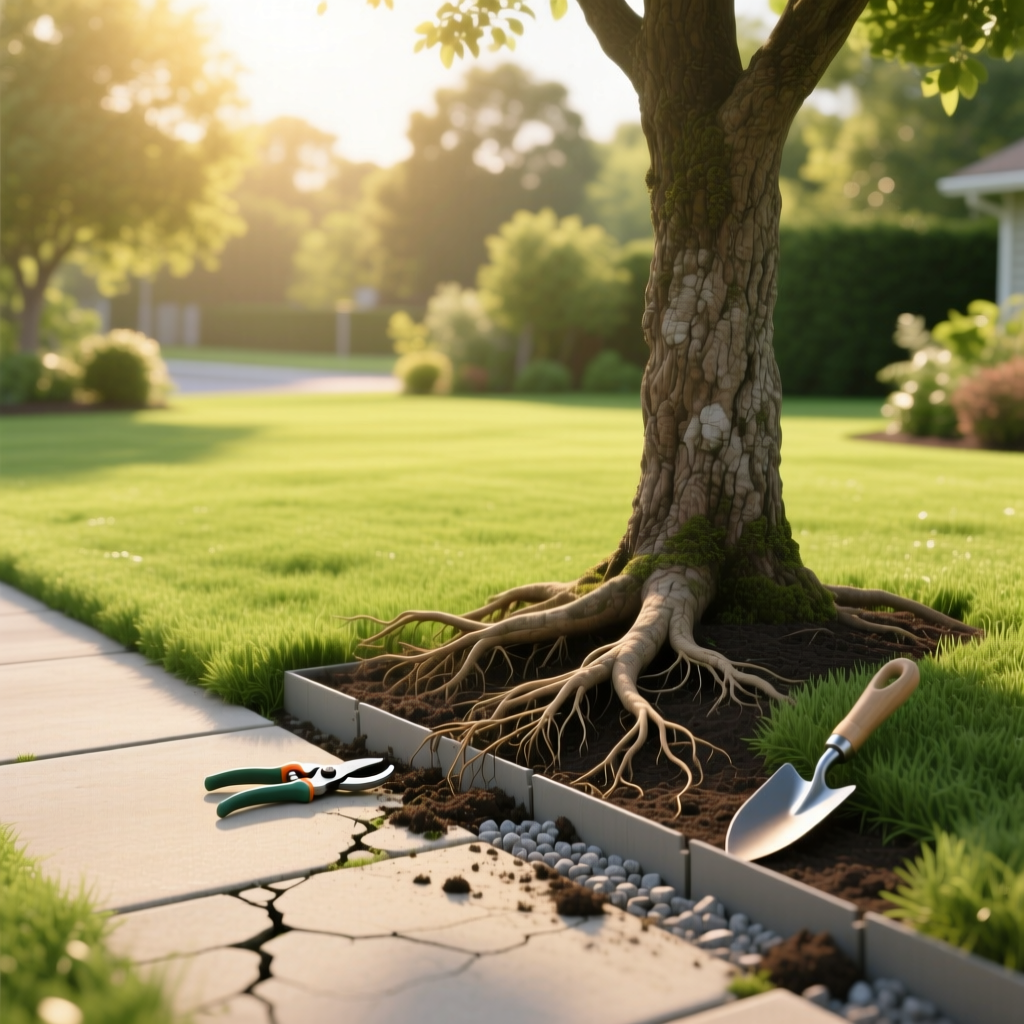
Managing Surface Tree Roots in Lawns and Sidewalks: A Complete Guide
Emily WatsonPublished
Managing Surface Tree Roots in Lawns & Sidewalks
Trees are magnificent additions to any landscape, providing essential shade, improving air quality, and boosting property value. However, as trees mature, their root systems can become a significant source of frustration for homeowners and property managers. Surface roots frequently emerge above the soil line, creating tripping hazards, damaging lawn mower blades, and cracking concrete sidewalks. Managing these exposed roots requires a careful balance between preserving the health and structural integrity of the tree while maintaining a safe, usable landscape.
Many homeowners make the mistake of aggressively cutting exposed roots or burying them under heavy layers of topsoil, both of which can lead to severe tree decline or catastrophic failure. To properly manage surface tree roots in lawns and sidewalks, you must understand the biology of root growth, employ safe landscaping alternatives, and implement seasonal care routines that reduce stress on the tree. This comprehensive guide will walk you through the best practices for handling surface roots, ensuring your trees and your property coexist harmoniously for decades to come.
Understanding Why Tree Roots Surface
To effectively manage surface roots, it is crucial to understand why they emerge in the first place. A common misconception is that tree roots grow deep into the earth like a giant taproot. In reality, the vast majority of a tree's root system—including the vital feeder roots responsible for absorbing water and nutrients—is located in the top 12 to 18 inches of soil. Roots require three primary elements to survive: oxygen, water, and nutrients. When soil conditions restrict access to these elements, roots adapt by growing closer to the surface.
Soil compaction is the leading cause of surface roots in urban and suburban environments. Heavy foot traffic, construction equipment, and frequent mowing compress the soil particles, eliminating the pore spaces that hold oxygen and water. Deprived of oxygen in the deeper soil layers, roots are forced to grow upward toward the surface where oxygen exchange is more prevalent. Additionally, heavy clay soils naturally restrict drainage and aeration, further encouraging shallow root development.
Erosion also plays a significant role. Over time, wind and water can wash away the top layer of soil, gradually exposing roots that were once adequately buried. Furthermore, certain tree species are genetically predisposed to developing shallow, aggressive surface roots. If you are dealing with surface roots, you are likely managing one of the following species:
- Silver Maple: Notorious for massive, sprawling surface roots that easily heave sidewalks.
- Willow: Features aggressive, water-seeking roots that frequently emerge above ground.
- Poplar & Cottonwood: Fast-growing trees with shallow, expansive root systems.
- Sycamore: Naturally develops large, knobby surface roots as it matures.
- Elm: Often features broad, surface-level roots, especially in compacted soils.
Understanding that surface roots are a natural survival mechanism—or a symptom of poor soil health—will help you choose management strategies that work with the tree's biology rather than against it. For more information on improving your soil ecology, exploring our guide on core aeration can help you understand how to alleviate soil compaction in your yard.
Safe Root Management & Pruning Techniques
When a surface root becomes a severe tripping hazard or threatens a foundational structure, the instinct is often to grab a chainsaw and cut it out. However, root pruning is a highly sensitive procedure. Roots are not just anchors; they are the primary lifelines for water and nutrient uptake. Cutting a major structural root can instantly compromise the tree's stability, making it a severe falling hazard during high winds or storms. It also opens a direct pathway for decay organisms to enter the heartwood of the tree.
If root pruning is absolutely unavoidable, you must follow strict arboricultural guidelines to minimize harm. The most important concept to understand is the Critical Root Zone (CRZ). The CRZ is generally calculated as one foot of radius for every inch of trunk diameter measured at breast height. You should never sever a root within this zone if it can be avoided. Furthermore, adhere to the following rules for safe root pruning:
- The Distance Rule: Never cut a root closer than three to five times the trunk diameter. For example, if a tree has a 20-inch trunk, do not cut any roots within 60 to 100 inches (5 to 8 feet) of the trunk.
- The Size Rule: Never cut a root that is larger than 2 inches in diameter. Larger roots are structural and vital for the tree's survival.
- Clean Cuts: Use sterilized, razor-sharp pruning saws or loppers. Never tear or rip a root with heavy machinery like a backhoe or a dull axe. A clean cut heals much faster and resists fungal infections.
- Limit the Volume: Never remove more than 15% to 20% of a tree's root system in a single season. If extensive root work is needed, space the pruning out over several years.
After making a clean cut, do not apply wound paint or sealants. Research has consistently shown that wound paints trap moisture against the cut surface, accelerating decay rather than preventing it. Allow the root to callus over naturally. If you are unsure about the structural implications of cutting a specific root, it is always best to consult a certified arborist. For general canopy maintenance, review our article on tree pruning basics to ensure your tree remains balanced above ground.
Landscaping Solutions for Lawns & Sidewalks
The most effective way to manage surface roots is to stop fighting them and adapt your landscape design. Trying to maintain a pristine turfgrass lawn over a sprawling root system is a losing battle. The dense root mat competes aggressively with grass for water and nutrients, while the tree's canopy blocks the sunlight necessary for turf growth. Instead of struggling with shade-tolerant grass that still refuses to thrive, consider these alternative landscaping solutions.
Mulch Rings and Groundcovers
The simplest and most beneficial solution for surface roots in a lawn is to expand the tree's mulch ring. Carefully remove the competing grass and apply a 2-to-4-inch layer of organic wood chip mulch over the root zone. This mimics the natural forest floor, retaining soil moisture, regulating temperature, and slowly adding organic matter to the soil as it decomposes. Ensure the mulch is kept a few inches away from the trunk flare to prevent rot. If you prefer a living landscape, plant shade-tolerant groundcovers such as creeping thyme, vinca minor, hostas, or ferns. These plants have shallow, non-competitive root systems that coexist beautifully with tree roots.
Sidewalk and Hardscape Solutions
When surface roots encounter a concrete sidewalk, they will inevitably grow under it, causing the concrete to heave and crack. If you are repairing a damaged sidewalk, consider alternative materials that accommodate root growth. Permeable pavers set in a gravel base allow for water infiltration and can be easily lifted and re-leveled as roots expand. Flexible rubber paving mats are another excellent option; they bend and flex with the growing roots rather than cracking. For existing concrete that is only slightly raised, professional concrete grinding can smooth out the tripping hazard without damaging the tree.
Root Barriers
If you are planting a new tree near a sidewalk or driveway, installing a mechanical root barrier is a proactive measure. These heavy-duty plastic or metal panels are buried vertically in the soil between the tree and the hardscape. They force the roots to grow deeper rather than spreading horizontally near the surface. When combined with proper structural soil or suspended pavement systems, root barriers can save thousands of dollars in future hardscape repairs.
Preventing Diseases & Pests After Root Disturbance
Whenever surface roots are disturbed—whether through accidental damage from lawnmowers, intentional pruning, or construction—the tree's natural defense systems are compromised. Open wounds on roots are highly susceptible to soil-borne pathogens and wood-boring insects. Understanding how to protect your tree after root disturbance is critical for its long-term survival.
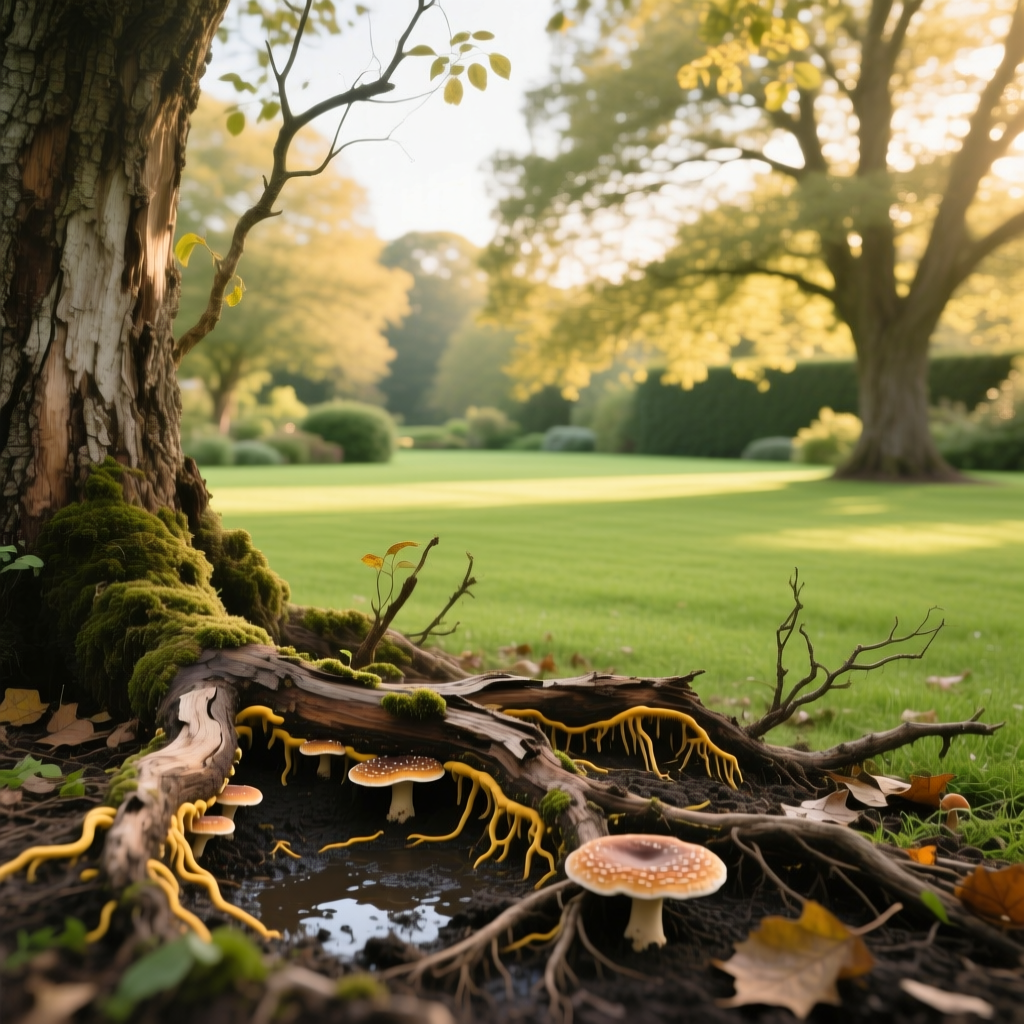
Fungal pathogens, such as Armillaria (oak root fungus) and Phytophthora, thrive in stressed trees and can easily enter through damaged root tissue. These fungi cause root rot, which systematically destroys the tree's ability to absorb water and anchor itself. Signs of root disease include premature leaf drop, yellowing foliage (chlorosis), dieback in the upper canopy, and the appearance of mushroom fruiting bodies at the base of the trunk. If you notice these symptoms, consult our guide on identifying root rot for immediate diagnostic steps.
Insects, particularly secondary borers like the bronze birch borer or emerald ash borer, are attracted to the chemical stress signals emitted by damaged trees. To prevent pest infestations and disease outbreaks following root disturbance, focus on reducing the tree's overall stress levels. Deep, infrequent watering is the most effective way to help a tree recover. Apply water slowly over the entire root zone using a soaker hose or drip irrigation system, allowing it to penetrate deeply into the soil. Avoid using high-nitrogen synthetic fertilizers on a stressed tree, as this forces the tree to expend energy on rapid, weak canopy growth rather than healing its root wounds. Instead, rely on organic compost and natural mulch to provide a slow, steady release of nutrients.
Seasonal Care Tips for Trees with Surface Roots
Trees with surface roots require specialized attention throughout the year to mitigate environmental stressors. Integrating these seasonal tasks into your seasonal lawn maintenance routine will ensure your trees remain healthy and your landscape remains safe.
Spring Care
As the ground thaws, inspect the root zone for frost heave, which can push roots even closer to the surface. Reapply a fresh layer of organic mulch to any areas where the winter weather has washed it away. Spring is also the ideal time to plant shade-tolerant groundcovers around the base of the tree before the summer heat sets in. Avoid heavy landscaping projects or soil tilling near the root zone during this critical period of new root growth.
Summer Care
Summer heat and drought place immense stress on surface roots, which are highly vulnerable to drying out. Implement a strict deep-watering schedule, providing at least 10 gallons of water per inch of trunk diameter every week during dry spells. Keep heavy machinery, vehicles, and large gatherings off the root zone to prevent further soil compaction. If you must park near the tree, lay down temporary plywood tracks to distribute the weight and protect the shallow roots.
Fall Care
Fall is the best time for major tree care operations, including planting new trees and installing root barriers. The cooler temperatures and increased rainfall allow trees to establish roots without the stress of summer heat. Leave fallen leaves in the mulch ring to decompose naturally; they provide excellent insulation and return vital nutrients to the soil. If you must prune roots to fix a sidewalk, early fall is generally the safest time, as the tree is entering dormancy and fungal activity in the soil is slowing down.
Winter Care
Protect surface roots from the damaging effects of de-icing salts. Sodium chloride and other chemical ice melts can accumulate in the soil, causing chemical burns to the roots and disrupting water uptake. Use sand, kitty litter, or calcium magnesium acetate (CMA) for traction on nearby sidewalks instead. Additionally, avoid piling heavy snow from driveways and sidewalks directly onto the root zone, as the sheer weight can compact the soil and damage shallow roots.
Frequently Asked Questions
Can I just cut the surface roots to make mowing easier?
No, cutting surface roots simply to make mowing easier is highly discouraged and can be fatal to the tree. Severing surface roots removes the tree's primary water and nutrient uptake systems and severely compromises its structural stability. A tree with a compromised root system is highly likely to fall during a storm, posing a massive risk to life and property. Instead of cutting the roots, transition the area to a mulch ring or plant a low-growing, shade-tolerant groundcover that eliminates the need for mowing in that specific area.
Will adding topsoil over surface roots smother the tree?
Yes, burying surface roots under topsoil is one of the most common and deadly mistakes homeowners make. Tree roots require oxygen to survive. Adding even two or three inches of heavy topsoil over the root zone can suffocate the roots, leading to a slow, irreversible decline that may not become apparent for several years. If you need to level a minor depression, use a very thin layer of coarse, organic compost that allows air and water to pass through freely, but never bury the root flare or major surface roots with dense soil.
How far do tree roots actually spread?
While many people assume roots only extend to the edge of the tree's canopy (the drip line), mature tree roots frequently spread two to three times the height of the tree. For a large shade tree that is 60 feet tall, the root system can easily extend 120 to 180 feet outward from the trunk. However, the vast majority of these roots are located in the top 18 inches of soil. Understanding this massive footprint is crucial when planning construction, digging trenches, or applying lawn chemicals near your trees.
What are the best trees to plant near sidewalks?
If you are planning a new landscape, selecting the right tree is the best way to prevent future sidewalk damage. Avoid fast-growing, shallow-rooted species like maples and willows. Instead, consult our tree planting guide and look for deep-rooted species such as oaks, hickories, and ginkgoes. For smaller spaces near sidewalks, ornamental trees like dogwoods, redbuds, and Japanese maples are excellent choices because their root systems are much less aggressive and less likely to heave concrete.
Can surface roots damage my home's foundation?
It is a common myth that tree roots can crack solid, well-poured concrete foundations. In reality, tree roots do not have the mechanical force to push through intact structural concrete. However, roots are opportunistic and will exploit existing cracks, gaps, or weaknesses in a foundation to access moisture. The real danger to home infrastructure lies in shallow plumbing lines, septic systems, and drainage tiles, which roots can easily infiltrate and crush. To protect your home, ensure your foundation is properly sealed and plant large trees at least 15 to 20 feet away from your house and underground utilities.