Tree Care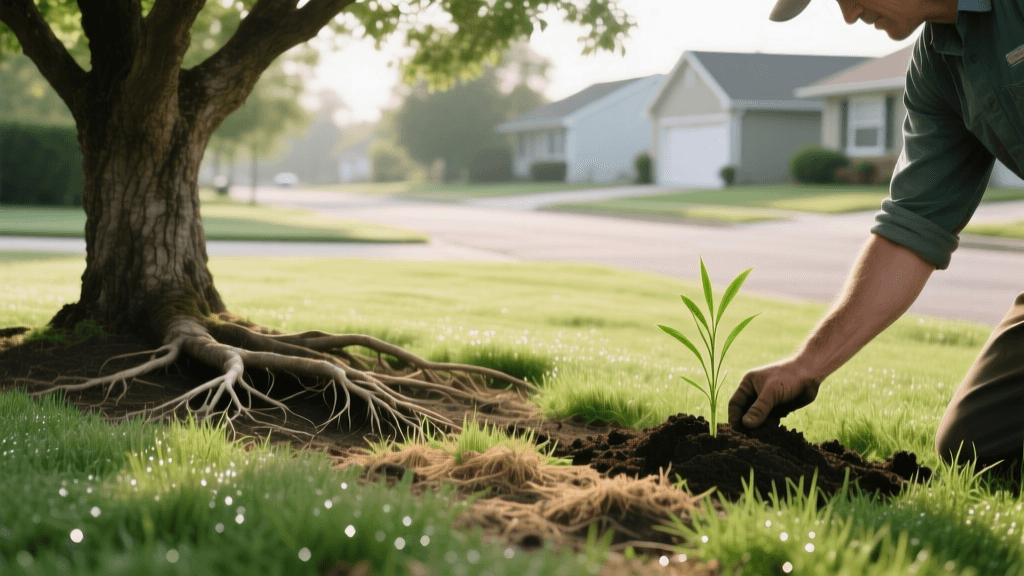
How to Manage Tree Roots and Shade for Lawn Recovery
The Challenge of Tree-Lawn Competition
Renovating a damaged, thinning, or aging lawn is one of the most satisfying projects a homeowner can undertake. However, when your landscape features mature trees, the standard lawn renovation playbook must be completely rewritten. Trees and turfgrass have vastly different environmental requirements, and forcing them to coexist in the same square footage often leads to a losing battle for both. Turfgrass generally demands full sun and frequent, shallow watering, while trees dominate the canopy and thrive on deep, infrequent moisture cycles.
When approaching lawn renovation and recovery from a tree care perspective, the goal is not to sacrifice the health of your mature trees for the sake of a pristine lawn. Instead, successful recovery requires a holistic strategy that balances canopy management, careful root zone preservation, and the selection of appropriate shade-tolerant groundcovers. By understanding the biological conflict between trees and turf, you can implement actionable steps to rejuvenate your landscape without causing long-term harm to your most valuable arboreal assets.
Canopy Management: Pruning for Optimal Sunlight
Most traditional turfgrass species require a minimum of four to six hours of direct sunlight to photosynthesize effectively and recover from stress. Dense tree canopies block not only light but also rainfall, creating dry, shaded microclimates where grass seed struggles to germinate. Before purchasing seed or laying sod, you must address the overhead environment through strategic pruning.
Two primary pruning techniques can help increase light penetration to the lawn below:
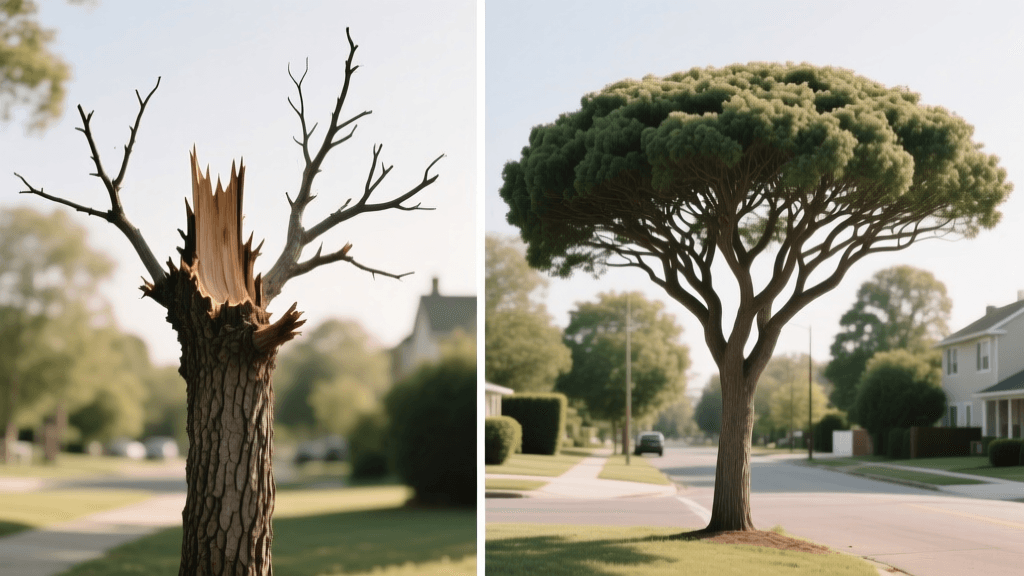
- Crown Raising: This involves the selective removal of the lower branches of a tree to elevate the canopy. By raising the crown, you allow low-angle morning and late-afternoon sunlight to reach the grass. Aim to clear branches up to 8 to 10 feet above the ground, depending on the tree species and its proximity to the lawn area.
- Crown Thinning: This technique selectively removes smaller, weaker, or crossing branches throughout the canopy to allow dappled sunlight to filter through. It is crucial to maintain the tree's natural shape and avoid 'lion-tailing' (stripping the interior branches and leaving only foliage at the tips), which can weaken the tree's structural integrity.
According to the University of Minnesota Extension, you should never remove more than 25 percent of a tree's live canopy in a single year. Over-pruning stresses the tree, reduces its ability to produce energy, and makes it highly susceptible to pests and diseases.
Navigating Surface Roots During Soil Preparation
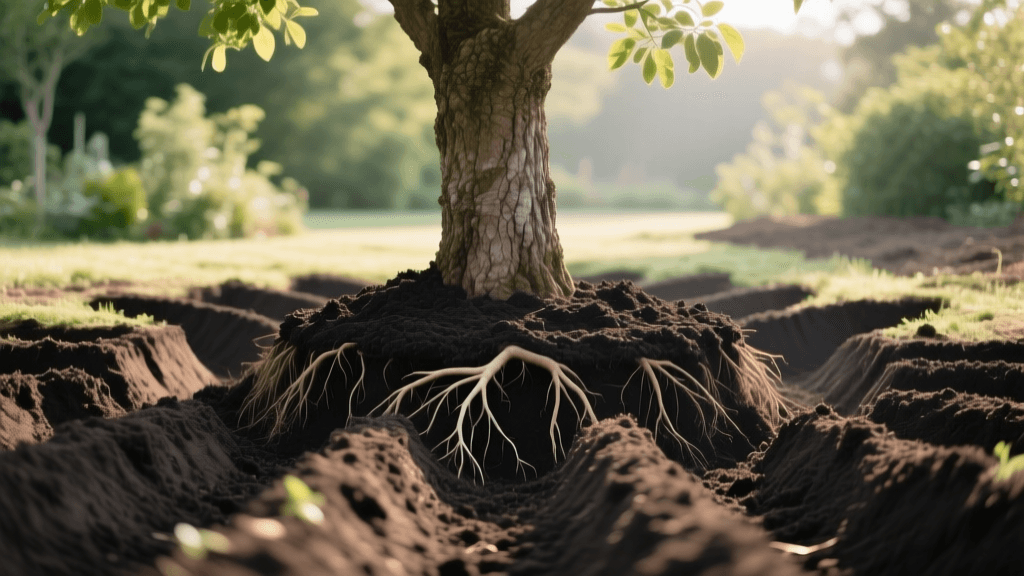
Standard lawn renovation often involves aggressive soil preparation, such as deep core aeration, dethatching, or even rototilling to amend the soil. When working near mature trees, these standard practices can be disastrous. The vast majority of a tree's fine, water-and-nutrient-absorbing roots are located in the top 6 to 12 inches of soil, often extending well past the tree's drip line.
According to the Morton Arboretum, surface roots become more prominent as trees age, especially in compacted or poorly drained soils where oxygen is scarce deeper underground. Severing roots larger than 2 inches in diameter can destabilize the tree, invite wood-decay fungi, and trigger a severe decline in tree health.
Actionable Root-Safe Soil Prep:
- Avoid Rototilling: Never use a rototiller within the drip line (the area directly beneath the outermost branches) of a mature tree.
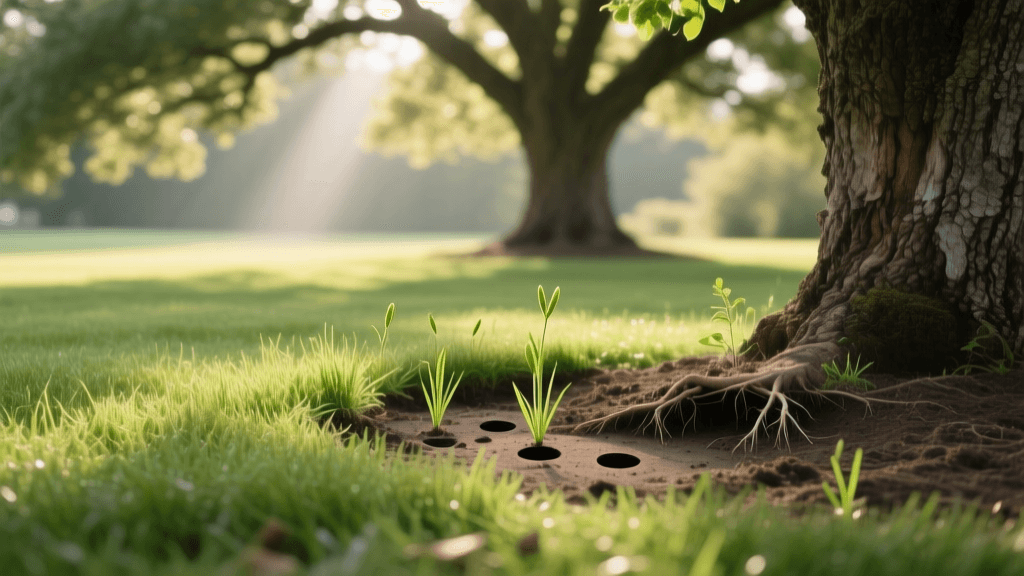
- Shallow Aeration: If soil compaction is an issue, use a manual pitchfork or a shallow liquid aerator rather than a heavy mechanical core aerator, which can tear vital feeder roots.
- Gentle Top-Dressing: Instead of tilling in compost, apply a very thin layer (no more than 1/4 to 1/2 inch) of high-quality, screened compost over the existing soil. This will slowly improve soil structure and provide nutrients without suffocating the tree's shallow root system.
Selecting Shade-Tolerant Seed and Alternatives
Once you have optimized the sunlight and protected the root zone, you must select the right plant material. Attempting to grow sun-loving Kentucky Bluegrass in heavy shade is a primary reason lawn recovery projects fail. If your canopy management yields at least three to four hours of dappled sunlight, you can attempt to grow shade-tolerant grasses. If the area remains deeply shaded, you must pivot to alternative groundcovers.
| Plant Type | Shade Tolerance | Traffic Tolerance | Best Use Case in Lawn Recovery |
|---|---|---|---|
| Fine Fescue Blend | Excellent | Low to Moderate | Shaded lawns with minimal foot traffic; requires less water and fertilizer. |
| Tall Fescue (Turf-type) | Moderate | High | Transition zones with partial shade; deeper roots compete better with trees. |
| Rough Bluegrass | High | Low | Damp, heavily shaded areas where other grasses fail; can look patchy in heat. |
| Creeping Jenny / Vinca | Excellent | None | Deep shade beneath dense canopies where grass cannot survive. |
| Arborist Mulch | N/A | N/A | The best option directly over surface roots to eliminate competition entirely. |
Step-by-Step Shaded Lawn Seeding Process
If you have determined that your shaded area receives adequate dappled light for a Fine Fescue blend, follow this specialized recovery protocol to ensure germination without harming the tree:
- Clear Debris: Gently rake the area to remove fallen leaves, twigs, and dead thatch. Do not dig into the soil.
- Overseed Generously: Apply a high-quality Fine Fescue seed mix at a rate of 5 to 6 pounds per 1,000 square feet. Shade-tolerant grasses tend to grow in a bunching habit rather than spreading via rhizomes, so higher seeding rates are necessary for a dense lawn.
- Apply Starter Fertilizer: Use a slow-release, organic starter fertilizer. Fast-acting synthetic nitrogen will be rapidly consumed by the tree's extensive root network, leaving little for the new grass.
- Top-Dress and Protect: Lightly dust the seed with a 1/8-inch layer of peat moss or screened compost to retain moisture and protect the seed from birds.
- Monitor Moisture: Keep the top inch of soil consistently moist until germination occurs, which may take 14 to 21 days in cooler, shaded environments.
Reconciling Watering and Fertilization Needs
Watering is perhaps the most difficult variable to balance during lawn recovery under trees. New grass seed requires frequent, light watering (sometimes two to three times a day) to keep the shallow seedbed moist. Conversely, mature trees require infrequent, deep watering to encourage deep root growth and prevent fungal diseases at the root collar.
To reconcile this, utilize separate irrigation zones if possible. Use low-volume sprinklers or soaker hoses for the lawn area, and rely on deep-root watering probes or drip irrigation bags for the trees. As the new grass establishes and its roots deepen, gradually reduce the frequency of lawn watering to align more closely with the tree's needs, encouraging the turf to become more drought-resilient.
Furthermore, the International Society of Arboriculture emphasizes that trees and shrubs require different nutritional profiles than turfgrass. When fertilizing a recovered lawn, avoid high-nitrogen weed-and-feed products, which can damage tree roots and alter the soil pH. Stick to organic, slow-release fertilizers that feed the soil microbiome, benefiting both the turf and the tree simultaneously.
When to Abandon Grass: Embracing Mulch Rings
Sometimes, the most ecologically sound lawn recovery strategy is to stop fighting nature. If an area receives less than three hours of filtered sunlight, or if the ground is entirely dominated by a dense mat of surface roots, grass will inevitably fail. In these scenarios, the best renovation tactic is to expand the tree's mulch ring.
Creating a wide, organic mulch bed out to the tree's drip line eliminates the competition for water and nutrients entirely. Apply a 2 to 3-inch layer of natural wood chips or shredded bark, ensuring you keep the mulch at least 3 inches away from the tree's trunk flare to prevent rot and rodent damage. This not only protects the tree's vital root zone but also creates a clean, professional landscape bed that requires zero mowing, minimal watering, and no chemical fertilizers.
Conclusion
Successful lawn renovation in the presence of mature trees requires a shift in perspective. Rather than viewing the tree as an obstacle to your perfect lawn, view the lawn and the tree as an interconnected ecosystem. By carefully pruning the canopy to maximize light, protecting the critical root zone from mechanical damage, selecting the right shade-tolerant seed, and knowing when to transition to mulch or groundcovers, you can achieve a stunning, healthy landscape. A well-managed tree-lawn relationship ensures that your turf recovers beautifully while your trees continue to thrive for decades to come.