Lawn Care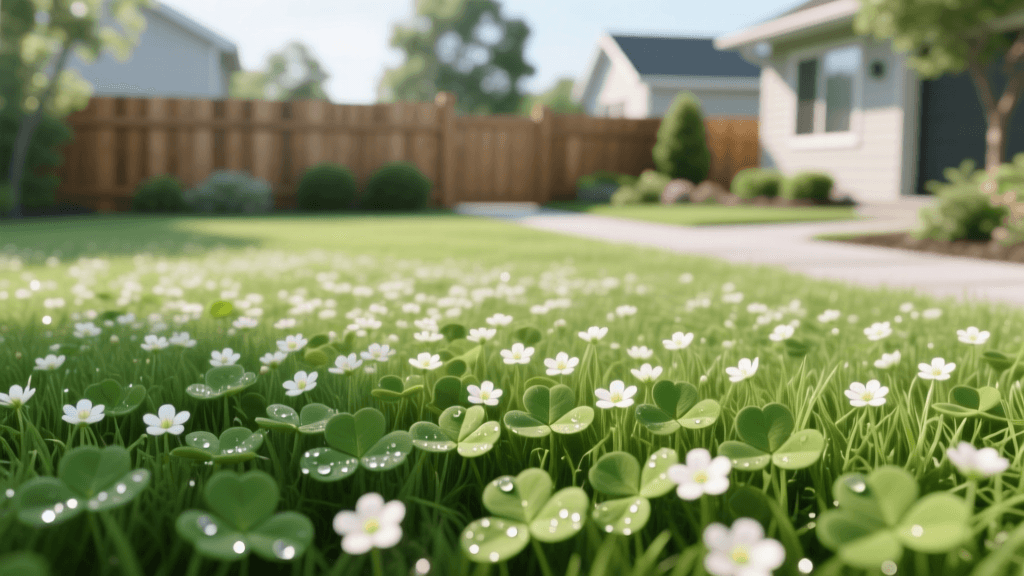
The Viral Micro-Clover Lawn: How to Grow a Sustainable Yard
The TikTok Trend Taking Over Suburbia: Why Micro-Clover?
If you have spent any time on LawnTok or Instagram garden reels recently, you have likely seen homeowners proudly ripping up their pristine Kentucky Bluegrass and replacing it with clover. The viral 'No Mow May' movement and the broader shift toward eco-friendly landscaping have catapulted the micro-clover lawn into the mainstream spotlight. But this is not just a fleeting internet fad; it is a fundamental rethinking of American lawn care. With rising fertilizer costs, stricter municipal water restrictions, and a growing awareness of pollinator decline, the traditional turfgrass monoculture is being challenged like never before.
According to the EPA WaterSense program, landscape irrigation is estimated to account for nearly one-third of all residential water use, totaling nearly 9 billion gallons per day across the United States. As droughts become more frequent and severe, homeowners are desperately searching for drought-tolerant, low-input alternatives. Enter the micro-clover lawn: a lush, green, nitrogen-fixing carpet that requires a fraction of the water, zero synthetic fertilizers, and significantly less mowing.
What Exactly is Micro-Clover?
Micro-clover is a specially bred cultivar of white clover (Trifolium repens). While traditional Dutch White Clover has been viewed as a pesky broadleaf weed by turf purists for decades, micro-clover varieties like 'Pirouette' and 'Nano' have been selectively bred for their smaller leaf size, lower growth habit, and less aggressive spreading nature. Unlike standard white clover, which can grow tall and patchy, micro-clover stays dense, low to the ground, and blends beautifully with traditional turfgrasses.
The magic of clover lies beneath the soil. Clover is a legume, meaning it has a symbiotic relationship with Rhizobium bacteria in the soil. These bacteria live in nodules on the clover's roots and pull nitrogen directly from the atmosphere, converting it into a form the plant can use. This means a clover lawn literally fertilizes itself, feeding surrounding grasses and eliminating the need for expensive synthetic nitrogen applications.
Traditional Turfgrass vs. Micro-Clover: By the Numbers
Why are so many homeowners making the switch? The data speaks for itself. Below is a comparison of the resources and maintenance required for a traditional cool-season turfgrass lawn versus a micro-clover or clover-blend lawn.
| Maintenance Factor | Traditional Kentucky Bluegrass | Micro-Clover Lawn (or Blend) |
|---|---|---|
| Annual Water Needs | 1 to 1.5 inches per week (High) | Established: Deep watering every 10-14 days (Low) |
| Nitrogen Fertilizer | 2 to 4 lbs per 1,000 sq ft annually | Zero (Self-fixing nitrogen) |
| Mowing Frequency | 1 to 2 times per week in peak spring | Every 2 to 3 weeks (or not at all) |
| Seed Cost (per 1,000 sq ft) | $5.00 - $12.00 | $15.00 - $25.00 (Pure) / $8.00 (Blend) |
| Pollinator Value | None (Ecological dead zone) | High (Feeds native bees and honeybees) |
| Drought Tolerance | Poor (Goes dormant and brown quickly) | Excellent (Deep taproots retain green color) |
Step-by-Step: How to Establish a Viral Micro-Clover Lawn
Whether you want to overseed your existing lawn to create a grass-clover blend or completely replace your turf with a pure clover stand, proper preparation is the difference between a lush carpet and a weedy mess.
1. Timing and Soil Preparation
The best time to plant micro-clover is in the early spring (once soil temperatures reach 50°F) or early fall (at least 6 weeks before your first hard frost). Fall is generally preferred, as the cooler temperatures and natural rainfall reduce the need for constant irrigation during germination.
If you are overseeding an existing lawn, you must reduce the competition from established grass. Mow your current lawn as short as your mower will allow (scalping it down to about 1 to 1.5 inches). Follow this with a deep core aeration to break up soil compaction and create pockets for the tiny clover seeds to make soil contact. The University of Maryland Extension highly recommends top-dressing the aerated lawn with a thin layer (about 1/4 inch) of screened compost to provide a nutrient-rich, moisture-retaining bed for the seeds.
2. Choosing Your Seed and Sowing Rates
For a pure micro-clover lawn, you will need approximately 1.5 to 2 pounds of seed per 1,000 square feet. If you are overseeding into an existing grass lawn to create a low-maintenance blend, reduce the rate to 0.5 to 1 pound per 1,000 square feet. Because clover seeds are incredibly small, it is highly recommended to mix the seed with dry sand or fine compost in a 1:3 ratio to ensure even distribution when using a broadcast spreader.
Pro Tip: Look for coated seeds. Many premium brands coat their micro-clover seeds with the necessary Rhizobium inoculant, ensuring immediate nitrogen-fixing capabilities even if your soil has never hosted legumes before.
3. Watering and Germination
Clover seeds must remain consistently moist to germinate. Unlike grass seed, which can sometimes recover from brief drying out, clover seeds will die if the soil surface dries completely during the first 10 to 14 days. Water lightly 1 to 2 times a day, applying about 1/8 to 1/4 inch of water each time. You will see sprouts emerge in as little as 5 to 7 days under optimal conditions.
Maintenance: Rewiring Your Lawn Care Brain
Maintaining a micro-clover lawn requires unlearning decades of traditional lawn care dogma. Here is how to manage your new eco-friendly yard:
- Fertilization: Put the spreader away. Applying high-nitrogen synthetic fertilizers (like Scotts Turf Builder) will actually harm your clover by encouraging aggressive grass and weed growth that will shade out and choke the clover. If your soil is severely depleted, a light application of a low-nitrogen, high-phosphorus organic fertilizer in the spring can help root development, but it is rarely necessary.
- Mowing: Set your mower deck to 3 or 4 inches. While micro-clover is naturally low-growing, allowing it to reach a few inches in height encourages deeper root growth and shades out weed seeds. If you want to prevent flowering (and therefore prevent attracting bees to high-traffic play areas), simply mow every two weeks during the summer blooming cycle.
- Weed Control: You can no longer use broadleaf herbicides like 2,4-D or Trimec. These chemicals will kill your clover instantly. Weed management in a clover lawn is about density; a thick, healthy clover stand will naturally outcompete dandelions and plantain. For the occasional stubborn weed, hand-pulling is the only safe removal method.
The Drawbacks: What the Influencers Will Not Tell You
While the internet paints the clover lawn as a flawless utopia, it is vital to understand its limitations before tearing up your front yard. The Penn State Extension notes several practical considerations for homeowners transitioning to alternative turfgrasses:
- Winter Dormancy: Unlike cool-season grasses that may stay semi-green during mild winters, clover is highly susceptible to frost. In freezing climates, your clover lawn will turn brown and die back completely in the winter, only to vigorously regenerate from its deep taproots in the spring.
- Staining: Clover sap contains compounds that can stain clothing and knees more stubbornly than traditional grass juices. If you have young children who frequently slide or play sports on the lawn, this is a factor to consider.
- Traffic Tolerance: While micro-clover handles moderate foot traffic well, it does not possess the sheer shear-strength of rhizomatous grasses like Kentucky Bluegrass or Bermudagrass. It is not ideal for intense, daily sporting activities like soccer or football, as heavy cleats can tear the shallow stolons.
- Bee Attraction: If left unmowed, clover produces small white flowers that are a magnet for bees. While this is an ecological benefit, those with bee allergies or small toddlers who run barefoot may prefer to keep the lawn mowed regularly to remove the blooms.
'Transitioning to a clover-blend lawn is one of the single most impactful steps a homeowner can take to reduce their carbon footprint, eliminate chemical runoff into local watersheds, and support declining native pollinator populations.' - Sustainable Landscaping Initiative
Final Verdict: Is the Clover Lawn Right for You?
The viral micro-clover lawn is much more than a social media aesthetic; it is a practical, resilient, and ecologically responsible approach to yard care. If you are tired of spending your weekends dragging hoses, applying expensive chemicals, and fighting a losing battle against drought and grubs, micro-clover offers a beautiful way out. By embracing a slightly wilder, more natural approach to lawn care, you can achieve a lush, emerald-green yard that saves you time, money, and water—all while giving the local bees a place to thrive.