
Landscaping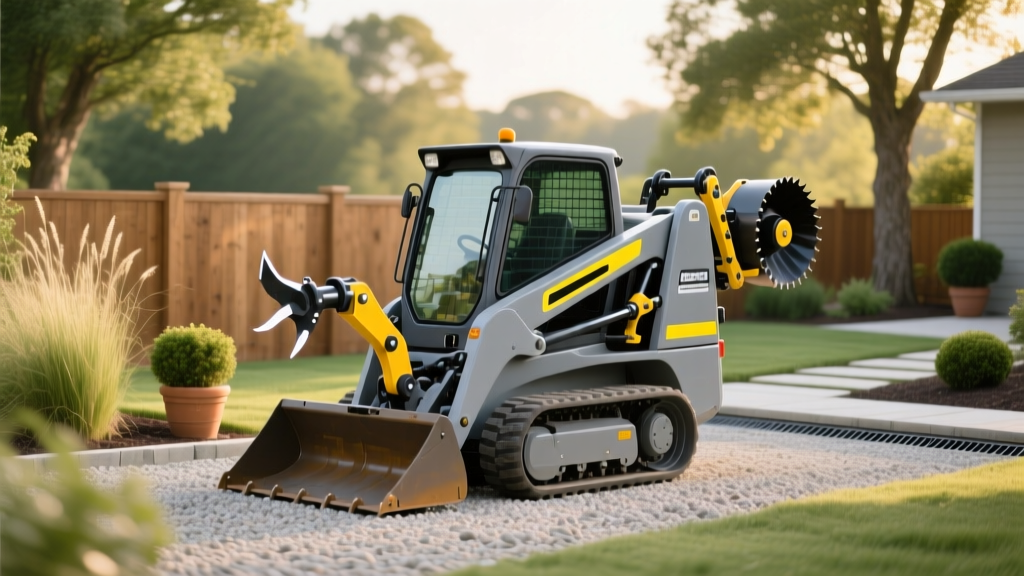
Mini Skid Steer Rental Guide for Landscaping Projects
Anna KowalskiPublished
Understanding the Compact Utility Loader (CUL)
When tackling major landscaping projects, the physical toll of moving soil, hauling pavers, and digging drainage trenches can quickly derail your timeline and budget. Enter the compact utility loader (CUL), widely known in the industry as a mini skid steer. These powerhouse machines have revolutionized residential and commercial landscaping by offering the lifting capacity and hydraulic power of a full-sized skid steer in a footprint small enough to fit through a standard 36-inch backyard gate.
According to equipment manufacturers like Toro's Dingo line, modern mini skid steers are designed specifically for the unique demands of landscape contractors and serious DIY homeowners. Whether you are installing a sprawling retaining wall, grading a sloped backyard for a new patio, or laying hundreds of feet of French drain piping, renting a mini skid steer is often the most cost-effective and efficient solution available.
Stand-On vs. Walk-Behind Configurations
Before heading to the rental yard, it is crucial to understand the two primary configurations of mini skid steers: walk-behind and stand-on.
- Walk-Behind Models: These are the original CUL designs. The operator walks behind the machine, steering via dual handles. They are generally lighter, more affordable to rent, and offer excellent visibility of the attachment. However, they can be physically exhausting to operate over a full eight-hour day, as the operator must match the machine's walking pace.
- Stand-On Models: These feature a rear platform where the operator stands while driving. Stand-on models offer superior ergonomics, faster travel speeds, and generally higher lift capacities. The operator's weight on the platform also acts as a counterbalance, allowing the machine to lift heavier pallets of stone or mulch without tipping forward.
Essential Attachments for Landscape Contractors
The true versatility of a mini skid steer lies in its universal attachment plate. By swapping out tools, a single base machine can replace a dozen manual laborers. Exploring the Bobcat attachment catalog reveals dozens of specialized tools, but the following four are absolute must-haves for landscaping and hardscaping projects.
1. The Earth Auger
When building pergolas, setting fence posts, or digging footings for a retaining wall, a hydraulic earth auger is indispensable. Auger attachments for mini skid steers typically accept bits ranging from 4 inches to 24 inches in diameter. With extension rods, you can achieve digging depths of up to 6 feet. The hydraulic torque easily powers through compacted clay and rocky soil that would stall a manual post-hole digger or a handheld gas auger, saving hours of backbreaking labor.
2. The Chain Trencher
Proper drainage is the backbone of any successful landscape design. A chain trencher attachment allows you to dig precise, narrow trenches for French drains, PVC irrigation lines, and low-voltage landscape lighting cables. Most landscaping trencher attachments dig a trench 4 to 6 inches wide and up to 48 inches deep. The hydraulic chain easily slices through root systems and rocky soil, depositing the spoil neatly to the side for easy backfilling later.
3. Pallet Forks
Hardscaping materials are incredibly heavy. A single pallet of concrete pavers can weigh over 2,000 pounds, and even a pallet of premium mulch or gravel weighs several hundred pounds. Pallet fork attachments feature 48-inch to 60-inch tines that slide under standard wooden pallets. With a typical mini skid steer lift capacity ranging from 500 to 1,000 pounds, you can safely transport materials from the driveway directly to the backyard installation site without tearing up the lawn with wheelbarrow tracks.
4. Grapple Buckets
For site preparation and brush clearing, a grapple bucket is a game-changer. Unlike a standard dirt bucket, a grapple features a hydraulic clamshell clamp on top. This allows you to grab irregular, bulky items like tree stumps, large boulders, brush piles, and demolition debris. It is the ultimate tool for clearing overgrown properties before laying down new sod or garden beds.
Rental Cost Breakdown and ROI
Renting heavy equipment requires careful budgeting. While rates vary by region and rental company, the table below provides a reliable national average for mini skid steer rentals and their most common landscaping attachments. Note that purchasing a new CUL and a few attachments can easily exceed $35,000, making rental the logical choice for projects lasting less than a few months.
| Equipment / Attachment | Daily Rate | Weekly Rate | Best Use Case |
|---|---|---|---|
| Mini Skid Steer (Base Machine) | $160 - $220 | $500 - $650 | General material transport, grading |
| Earth Auger Attachment | $85 - $110 | $250 - $320 | Post holes, retaining wall footings |
| Chain Trencher Attachment | $110 - $140 | $350 - $450 | French drains, irrigation lines |
| Pallet Forks | $40 - $60 | $120 - $180 | Moving pavers, stone, mulch pallets |
| Grapple Bucket | $90 - $120 | $280 - $350 | Brush clearing, boulder removal |
Pro Tip: Always factor in the cost of a heavy-duty equipment trailer and a capable tow vehicle if your rental yard does not offer delivery services. Delivery fees typically range from $100 to $250 each way, depending on your distance from the depot.
Operational Safety and Utility Awareness
Operating heavy hydraulic machinery in confined residential spaces carries inherent risks. The CDC's National Institute for Occupational Safety and Health (NIOSH) emphasizes that heavy equipment accidents often occur due to blind spots, uneven terrain, and improper load handling. Always wear appropriate personal protective equipment (PPE), including steel-toed boots, heavy-duty work gloves, safety glasses, and hearing protection, as the hydraulic pumps and gas engines generate significant decibel levels.
Furthermore, stability is a major concern with compact loaders. Never exceed the manufacturer's rated operating capacity (ROC). When carrying heavy loads on pallet forks, keep the load as low to the ground as possible while traveling. Avoid operating on slopes exceeding 15 degrees, and always drive straight up or down a hill rather than across it, which drastically increases the risk of a lateral rollover.
Perhaps the most critical safety step before digging with an auger or trencher is identifying underground utilities. Striking a buried gas line, fiber optic cable, or high-voltage electrical conduit can result in fatal injuries and tens of thousands of dollars in fines and repair costs. By law, you must contact your local utility marking service before breaking ground. In the United States, you can simply Call 811 or submit an online request a few days before your project begins. Utility companies will dispatch locators to your property to spray-paint the exact locations of buried lines for free, ensuring your landscaping project remains safe and compliant.
Conclusion
A mini skid steer is arguably the most valuable piece of equipment a landscape contractor or ambitious homeowner can rent. By understanding the differences between stand-on and walk-behind models, selecting the right hydraulic attachments for your specific hardscaping or drainage needs, and adhering to strict safety protocols, you can transform a grueling multi-week manual labor project into a smooth, efficient, and professional-grade installation.

