
Landscaping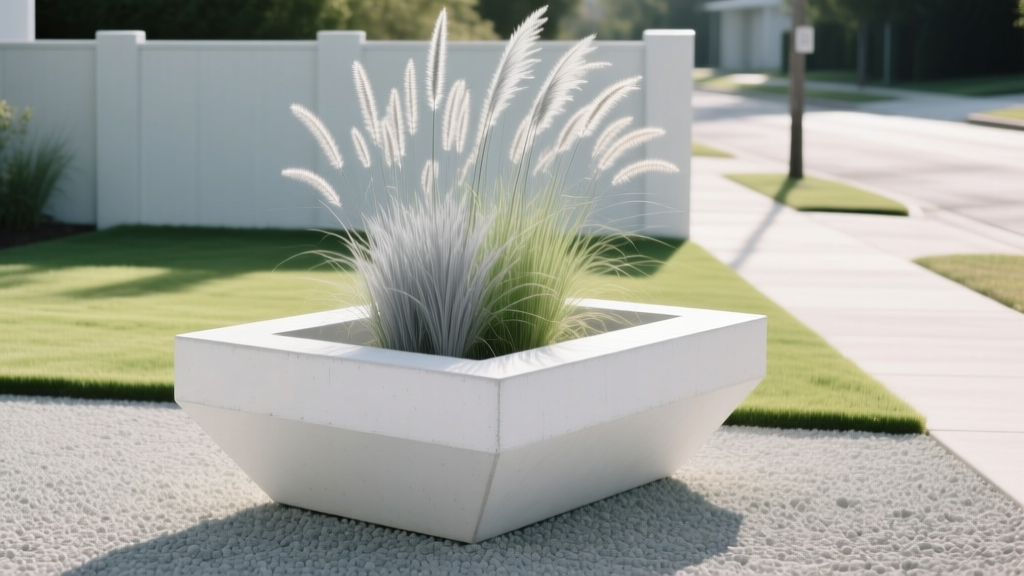
Modern Minimalist Front Yard Grasses In Containers 2026
James MillerPublished
The Rise of Minimalist Container Landscaping in 2026
As we navigate the landscaping trends of 2026, the modern minimalist front yard has emerged as the ultimate expression of sophisticated, low-maintenance curb appeal. Homeowners and landscape architects alike are moving away from sprawling, high-maintenance turf lawns and overly complex perennial borders. Instead, the focus has shifted toward deliberate spatial design, clean architectural lines, and the strategic use of negative space. At the heart of this movement is the integration of ornamental grasses planted in large, architectural containers.
Container gardening in the front yard is no longer limited to small terracotta pots flanking a doorway. In 2026, oversized, modular planters serve as permanent hardscaping elements that define property lines, frame entryways, and create privacy screens. Ornamental grasses are the perfect botanical companion for this aesthetic. They provide year-round kinetic movement, softening the harsh geometric lines of modern architecture while requiring a fraction of the water and upkeep demanded by traditional shrubs. According to Penn State Extension, ornamental grasses are highly valued for their drought tolerance, pest resistance, and multi-season interest, making them ideal candidates for container cultivation.
Choosing the Right Architectural Containers
The foundation of a minimalist front yard design lies in the planters themselves. To achieve a contemporary look, you must select containers that act as structural focal points. In 2026, the most sought-after materials for modern minimalist landscaping include:
- Corten Steel: Known for its protective, weathered rust patina, Corten steel provides a striking, warm contrast against the cool greens and golds of ornamental grasses. These planters are incredibly durable and develop a richer character over time.
- Marine-Grade Fiberglass: For oversized planters (30 inches or larger), fiberglass is the premier choice. It is lightweight, frost-resistant, and can be molded into sharp, geometric cubes or tall, sleek cylinders. Modern matte finishes in charcoal, slate, or matte white dominate the 2026 market.
- Cast Architectural Concrete: Offering a brutalist, raw aesthetic, concrete planters with clean, unadorned edges anchor the landscape with visual weight and permanence.
Sizing and Drainage: Ornamental grasses possess deep, vigorous root systems. A common mistake is under-potting. For medium-to-large grasses, your container must be a minimum of 24 inches wide and 24 inches deep. Crucially, every container must feature adequate drainage holes. In 2026, many premium planters come with integrated false bottoms and hidden reservoirs to manage excess water without staining concrete driveways or patios.
Top Ornamental Grasses for Modern Pots (2026 Selections)
Selecting the right grass is critical for maintaining a tidy, minimalist aesthetic. You want varieties that grow in neat clumps rather than spreading aggressively via rhizomes. Below is a curated comparison of the best ornamental grasses for container cultivation in modern front yards.
| Grass Variety | Botanical Name | Mature Height | Ideal Pot Size | Light Requirement |
|---|---|---|---|---|
| Karl Foerster Feather Reed | Calamagrostis x acutiflora | 5-6 ft | 24x24 in | Full Sun |
| Prairie Dropseed | Sporobolus heterolepis | 2-3 ft | 18x18 in | Full Sun |
| Blue Fescue | Festuca glauca 'Elijah Blue' | 10-12 in | 14x14 in | Full/Part Sun |
| Moor Grass | Sesleria autumnalis | 1-2 ft | 16x16 in | Full/Part Sun |
| Mexican Feather Grass | Nassella tenuissima | 1.5-2 ft | 16x16 in | Full Sun |
Note: While Mexican Feather Grass offers unparalleled fine-textured movement, check your local 2026 municipal guidelines, as it is classified as invasive in certain western regions. Prairie Dropseed is an excellent, eco-friendly native alternative that emits a subtle, pleasant fragrance reminiscent of cilantro or hot buttered popcorn when in bloom.
Potting Mix and Planting Techniques
Never use native garden soil or topsoil in containers; it will compact, suffocate the roots, and lead to waterlogging. Ornamental grasses demand sharp drainage. The University of Minnesota Extension emphasizes that container media must be lightweight and porous. For a premium 2026 grass potting mix, combine the following:
- 50% High-Quality Potting Soil: A peat or coir-based mix that retains moderate moisture.
- 30% Pumice or Coarse Perlite: This is non-negotiable for aeration and preventing root rot.
- 20% Organic Compost: Provides a slow-release, gentle nutrient base without the risk of fertilizer burn associated with synthetic granules.
When planting, ensure the crown of the grass sits exactly one inch below the rim of the pot to allow for water catchment. Top-dress the soil with a half-inch layer of dark basalt gravel or polished river stones. This top-dressing suppresses weeds, retains soil moisture, and adds a refined, finished look that aligns perfectly with minimalist design principles.
Layout and Spatial Design for the Front Yard
Minimalism is not about having fewer plants; it is about making the plants you have count. The layout of your containers should follow the principles of asymmetrical balance and repetition.
The Rule of Odd Numbers and Repetition
Group your containers in odd numbers (three or five) to create a natural yet structured flow. For instance, line a modern concrete walkway with three identical Corten steel cubes, each planted with a towering Karl Foerster grass. The repetition creates a visual rhythm that guides the eye toward the front door.
Embracing Negative Space
Do not crowd the planters. Allow generous negative space between each container. In 2026, the most striking minimalist front yards utilize a monochromatic ground cover between the pots. Black basalt chips, decomposed granite, or large-format architectural pavers with tight, flush joints provide a clean, weed-free canvas that makes the green foliage and rusted or matte-colored pots pop dramatically.
Year-Round Maintenance and Smart Irrigation
One of the primary drivers of the minimalist landscaping trend is the desire for reduced maintenance. However, container plants inherently require more frequent watering than in-ground plantings due to their restricted soil volume.
Smart Irrigation Integration
Hand-watering large front yard planters is an outdated chore. In 2026, integrating a hidden drip irrigation system is standard practice. Run 1/4-inch Netafim drip lines through the drainage holes of the pots before planting. Connect these to a smart irrigation controller, such as the latest Rachio or B-hyve smart hubs, which adjust watering schedules based on real-time local weather data and soil moisture sensors. This approach aligns with sustainable landscaping practices, as the EPA WaterSense program notes that smart irrigation technologies can reduce outdoor water use by up to 20% while keeping plants perfectly hydrated.
Seasonal Care and Winterizing
Ornamental grasses provide vital winter interest. Do not cut them back in the fall. The dried, golden plumes and rustling blades provide structural beauty and movement during the stark winter months, while the dead foliage protects the plant's crown from freezing rain and snow. In late February or early March, before new green shoots emerge, use battery-powered hedge trimmers or pruning shears to cut the grasses down to about 3-4 inches above the soil line.
For homeowners in USDA Zones 5 and below, winterizing the containers is crucial. While fiberglass and Corten steel can withstand freeze-thaw cycles, terracotta and some cast concretes may crack. Elevating the pots on specialized planter feet or pot risers ensures that melting snow and ice drain freely, preventing the soil from becoming a solid, root-damaging block of ice.
Conclusion
Designing a modern minimalist front yard using ornamental grasses in architectural containers is a masterclass in contemporary landscape architecture. By combining the structural elegance of 2026's premier planter materials with the resilient, kinetic beauty of clump-forming grasses, you create a dynamic, eco-friendly, and profoundly low-maintenance outdoor space. Whether you are framing a sleek modern entryway or softening the edges of a brutalist concrete facade, this container gardening approach guarantees enduring curb appeal that evolves beautifully with every passing season.

