
Landscaping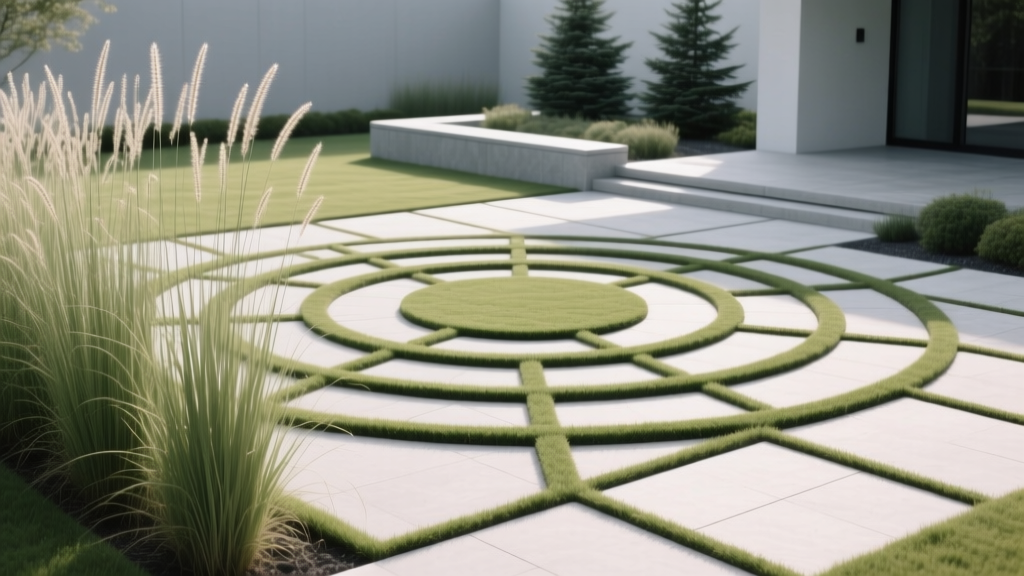
2026 Mowing Patterns For Minimalist Ornamental Grass Yards
David ParkPublished
The Evolution of the Modern Minimalist Front Yard
As we navigate through 2026, the landscape architecture of the modern minimalist front yard has firmly established itself as a dominant trend in high-end residential design. Gone are the days of sprawling, monolithic lawns that require endless, mindless circles with a rotary mower. Today’s minimalist landscapes rely on deliberate geometry, sharp hardscaping lines, and architectural plantings—most notably, ornamental grasses. Varieties like Calamagrostis x acutiflora ‘Karl Foerster’ (Feather Reed Grass) and Muhlenbergia capillaris (Pink Muhly Grass) provide striking vertical contrast and seasonal movement. However, integrating these wild, flowing plants with manicured turf islands requires a highly specialized approach to mowing techniques and patterns. In a minimalist yard, mowing is no longer just maintenance; it is an extension of the home’s architectural geometry.
The Philosophy of Minimalist Turf and Ornamental Grasses
In a modern minimalist design, turf is treated as a “green rug” or a deliberate negative space rather than a default groundcover. These turf islands are often rectangular, square, or perfectly circular, surrounded by decomposed granite, dark mulch, or mass plantings of ornamental grasses. According to the NC State Extension Plant Database, ornamental grasses are prized for their low water requirements and structural integrity, making them the perfect foil to high-density, meticulously mowed turfgrasses like Zeon Zoysia or TifTuf Bermuda. The visual tension between the rigid, striped lines of the mowed turf and the soft, chaotic plumes of the ornamental grasses is the hallmark of 2026’s top-tier curb appeal. Achieving this balance requires precision mowing patterns and specialized trimming techniques.
2026 Mowing Patterns for Geometric Turf Islands
When mowing geometric turf islands surrounded by ornamental grass beds, the pattern you choose must complement the hardscaping and the home’s facade. Here are the top three mowing patterns utilized by landscape professionals this year:
1. The Linear Architectural Stripe
The linear stripe is the most common pattern for minimalist front yards. The key is orientation: stripes should always run parallel to the primary architectural lines of the home or the main walkway. Using a mower equipped with a modern striping kit, you lay down alternating light and dark bands that draw the eye directly toward the front door. In 2026, the standard cutting height for premium Zoysia turf islands is exactly 1.5 to 2.0 inches, which provides the optimal blade bend for crisp, high-contrast stripes without scalping the edges near the ornamental grass borders.
2. The Minimalist Grid (Checkerboard)
For square turf islands situated between geometric concrete pavers or square ornamental grass planters, a checkerboard pattern reinforces the modular design. This requires mowing the entire island in one direction, then turning exactly 90 degrees and mowing again. This technique is best achieved with a zero-turn mower that features a low-profile deck, allowing you to pivot tightly within confined geometric spaces without tearing the turf near the delicate roots of border grasses like Pennisetum alopecuroides (Fountain Grass).
3. The Velvet Matte Finish
Sometimes, the best pattern is no pattern at all. If your ornamental grasses are highly textured and the hardscaping is complex, a “velvet” or matte finish prevents visual clutter. This is achieved by using a robotic mower or a mulching push mower that randomizes its tracks, eliminating visible stripe lines. Research from the University of Minnesota Turfgrass Science program indicates that frequent, randomized mowing promotes denser, more uniform turf growth, which acts as a calm, solid green canvas that allows the ornamental grasses to become the undisputed focal point of the yard.
Trimming and “Mowing” Ornamental Grasses
While the turf islands are mowed weekly, the ornamental grasses require a different type of “mowing”—specifically, the seasonal cut-back. Unlike traditional shrubs, ornamental grasses should be left standing through the winter to provide architectural interest and habitat for local wildlife. The major maintenance event occurs in late winter or early spring, just before new green shoots emerge from the crown.
- The Spring Haircut: Using a powered hedge trimmer or a heavy-duty string trimmer, cut the dead grass foliage down to a height of 4 to 6 inches above the soil line. This removes the previous year’s growth and opens the crown to spring sunlight.
- The Summer Edge Trim: Grasses like Pink Muhly can occasionally sprawl into adjacent turf islands after heavy summer rains. Use a precision edger or a string trimmer with a guide wheel to create a sheer, vertical wall of grass, maintaining the crisp boundary between the wild grass and the manicured lawn.
- Debris Management: When cutting back ornamental grasses, always use a tarp to catch the sharp, silica-rich foliage. Allowing clippings to fall into the turf island will smother the grass and disrupt the minimalist aesthetic.
Precision Edging: The Boundary Between Turf and Grasses
The success of a minimalist front yard hinges entirely on the edges. The transition line between the mowed turf and the ornamental grass bed must be razor-sharp. In 2026, the industry standard for minimalist landscapes is 1/4-inch thick Corten steel edging, installed flush with the soil surface or slightly below the turf line. This allows mower wheels to glide over the steel while the blades cut cleanly to the very edge, eliminating the need for manual string trimming around the base of the ornamental grasses. Industry standards highlighted by the National Association of Landscape Professionals emphasize that hidden steel edging dramatically reduces weekly maintenance time while preserving the clean, unbroken lines essential to modern design.
2026 Equipment Guide for Minimalist Landscapes
To execute these precise mowing patterns and maintain sharp boundaries around ornamental grasses, you need the right equipment. Below is a comparison of the top tools for minimalist landscape maintenance in 2026:
| Equipment Type | 2026 Top Model | Best For | Est. Cost |
|---|---|---|---|
| Robotic Mower | Husqvarna Automower 430X NERA | Geometric turf islands, wire-free navigation via GPS | $3,299 |
| Zero-Turn Mower | Toro TimeCutter MYRIDE 50" | Large minimalist estates, crisp striping kits | $4,899 |
| String Trimmer | EGO Power+ Multi-Head System | Precision edging around ornamental grass beds | $249 |
| Manual Shears | ARS HS-KR1000 Professional | Small ornamental grass cut-backs, detail work | $115 |
The Husqvarna Automower NERA series is particularly revolutionary for minimalist yards. Because it operates without a perimeter wire, it can be programmed to mow complex geometric turf islands surrounded by ornamental grass beds without the risk of wires being exposed or damaged during the spring grass cut-back. Its randomized mowing pattern naturally produces the velvet matte finish that minimalist designers prefer.
Seasonal Maintenance Calendar
To keep your modern minimalist front yard looking pristine year-round, follow this seasonal maintenance schedule:
- Early Spring: Execute the major cut-back on all ornamental grasses. Aerate the turf islands and apply a pre-emergent herbicide to prevent weeds from infiltrating the clean lines of the grass beds.
- Late Spring: Begin weekly mowing of the turf islands. Establish your primary mowing pattern (linear or checkerboard) and ensure your mower blades are freshly sharpened for crisp stripes.
- Summer: Monitor the edges. Ornamental grasses will reach their peak growth and may attempt to encroach on the turf. Use your steel edging as a guide for your string trimmer to maintain the vertical boundary.
- Autumn: Reduce mowing frequency as turf growth slows. Allow the ornamental grasses to develop their autumn plumes and seed heads, which provide stunning visual contrast against the fading green of the turf.
- Winter: Cease mowing. Leave the ornamental grasses standing to catch frost and snow, providing structural interest to the minimalist hardscape during the dormant months.
Conclusion
A modern minimalist front yard featuring ornamental grasses is a masterclass in contrast. It pits the wild, natural movement of grasses like Karl Foerster and Pink Muhly against the rigid, controlled geometry of manicured turf and steel edging. By adopting deliberate 2026 mowing patterns, utilizing precision trimming techniques, and investing in smart landscaping equipment, you can maintain a landscape that looks less like a traditional yard and more like a living architectural sculpture. The key to success lies in the details: the height of the stripe, the sharpness of the edge, and the timing of the seasonal cut-back. Master these techniques, and your front yard will set the standard for contemporary curb appeal.

