Gardening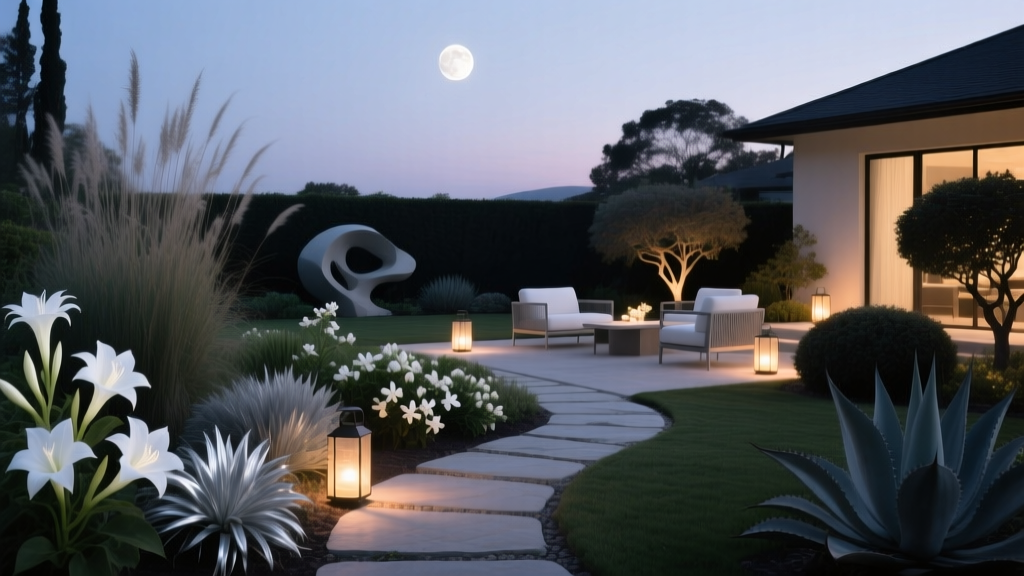
Designing a Moon Garden for Evening Entertaining and Curb Appeal
Mike RodriguezPublished
The Magic of the Moon Garden: Elevating Your Evening Entertaining
When the sun dips below the horizon, your outdoor living space doesn't have to lose its magic. In fact, with the right landscaping strategy, your yard can transform into a breathtaking nighttime oasis. Enter the 'Moon Garden'—a thoughtfully curated landscape designed specifically to reflect moonlight, release intoxicating fragrances, and create a stunning backdrop for evening entertaining. Whether you are hosting a twilight dinner party on the patio or simply want to boost your home's nighttime curb appeal for the neighborhood, a moon garden offers a unique, sensory-rich experience that traditional daytime gardens simply cannot match.
Unlike standard flower beds that rely on vibrant reds, yellows, and purples to catch the eye, a moon garden utilizes a sophisticated palette of whites, creams, pale yellows, and silvery greens. These lighter hues act as natural reflectors, catching the subtle luminescence of the moon and ambient outdoor lighting. By strategically placing these plants near your patio, deck, or front walkway, you create an inviting, elegant atmosphere that draws guests outdoors long after dusk.
Core Elements of a Nighttime Oasis
To successfully design a landscape that enhances both outdoor entertaining and curb appeal, you must focus on three core elements: color, texture, and fragrance.
1. The Reflective Color Palette
White flowers are the cornerstone of any moon garden. Blossoms like white hydrangeas, moonflowers, and white impatiens act as natural lanterns in the dark. To complement the blooms, incorporate plants with variegated or silver foliage. The moonlight bounces off the pale leaves, creating a glowing, ethereal effect that adds depth to your garden beds.
2. Texture and Foliage Contrast
Because color is limited in a nighttime landscape, texture becomes paramount. Pair the soft, velvety leaves of Lamb's Ear with the spiky, architectural fronds of white-flowering ferns or the delicate, lacy foliage of Artemisia. This contrast creates visual interest and prevents the garden from looking flat or monotonous under low-light conditions.
3. The Invisible Curb Appeal: Fragrance
Fragrance is the most powerful tool in a moon gardener's arsenal. Many white and pale-colored flowers have evolved to attract nocturnal pollinators like moths and bats, and they do so by releasing heavy, sweet perfumes in the evening. Plants like Angel's Trumpet, Night Phlox, and Evening Primrose will wrap your patio in a luxurious scent, creating an unforgettable sensory experience for your guests.
Top Plants for Your Moon Garden
Selecting the right botanical specimens is crucial for achieving that high-end curb appeal. Below is a curated list of top-performing plants that thrive in evening settings, complete with their growth habits and fragrance profiles. You can verify specific cultivar details and hardiness zones using the Missouri Botanical Garden Plant Finder.
| Plant Name | Botanical Name | Type | Mature Height | Bloom Time | Fragrance Level |
|---|---|---|---|---|---|
| Moonflower | Ipomoea alba | Annual Vine | 10-15 ft | Summer-Fall | High (Sweet, citrusy) |
| Evening Primrose | Oenothera biennis | Perennial | 3-5 ft | Summer | Medium (Lemon-scented) |
| Angel's Trumpet | Brugmansia | Tender Perennial | 10-15 ft | Summer-Fall | High (Intense, floral) |
| Lamb's Ear | Stachys byzantina | Perennial | 1-2 ft | Spring (Foliage) | Low (Earthy, herbal) |
| Night Phlox | Zaluzianskya capensis | Annual | 1-2 ft | Summer | High (Vanilla, almond) |
| White Hydrangea | Hydrangea macrophylla | Shrub | 3-6 ft | Summer | Low (Clean, fresh) |
Hardscaping and Lighting for Maximum Curb Appeal
A moon garden is not just about the plants; the surrounding hardscape and lighting design play an equally important role in your home's nighttime curb appeal.
Reflective Hardscaping
Incorporate light-colored materials into your pathways and patio spaces. Crushed white gravel, pale limestone pavers, or a light-colored concrete wash will reflect ambient light, making the space feel larger and brighter. Adding a small water feature, such as a glazed ceramic bubbler or a shallow reflecting pool, introduces movement and mirrors the night sky, adding a layer of tranquility to your entertaining space.
Strategic Lighting Techniques
While the goal is to enjoy the moonlight, practical lighting is necessary for safety and ambiance. Avoid harsh, cool-white floodlights that wash out the subtle colors of your garden. Instead, opt for warm-white LED fixtures (2700K to 3000K color temperature). Use low-voltage path lights to line walkways, and employ subtle uplighting at the base of architectural trees or large shrubs like the White Hydrangea to cast dramatic, elegant shadows. Ensure your lighting is dark-sky compliant to minimize light pollution and keep the focus on the glowing flora.
Step-by-Step Planting and Maintenance Guide
Ready to transform your yard? Follow this actionable guide to install your moon garden on a budget of roughly $300 to $600 for a standard 10x10 foot border.
- Site Selection: Choose a location that is highly visible from your primary entertaining area and the street to maximize curb appeal. Ensure the spot receives at least 6 hours of direct sunlight during the day, as most night-blooming plants still require solar energy to produce flowers.
- Soil Preparation: Test your soil pH. Most moon garden plants prefer a slightly acidic to neutral pH (6.0 to 7.0). Amend the native soil with 2 to 3 inches of high-quality organic compost to improve drainage and nutrient retention. For heavy clay soils, mix in perlite or coarse sand.
- Layout and Spacing: Place taller specimens like Angel's Trumpet and Moonflower trellises in the back of the border. Mid-height shrubs and Evening Primrose go in the center, while low-growing Lamb's Ear and Night Phlox should border the edges of the pathway. Space vines 12 inches apart and shrubs 3 to 5 feet apart to allow for mature growth and air circulation.
- Watering Regimen: Water deeply at the base of the plants early in the morning. Avoid overhead watering in the evening, as damp foliage combined with cool night air can lead to powdery mildew, which is particularly unsightly on silver-leaved plants.
- Container Gardening Alternative: If you lack garden bed space, create a moon garden in large containers. Use 18-inch diameter pots filled with a mix of 60% premium potting soil, 30% compost, and 10% perlite. Group three containers of varying heights near your patio furniture for an instant, flexible nighttime display.
Designing for Night Pollinators and Ecology
A beautiful moon garden does more than just impress your guests; it also supports vital local ecosystems. Nocturnal pollinators, such as sphinx moths, hawk moths, and certain bat species, are crucial for the reproduction of many plants. By planting pale, fragrant, tubular flowers, you are providing a critical nectar source for these often-overlooked creatures. According to the USDA Forest Service, gardening with pollinators in mind helps sustain biodiversity and strengthens local food webs.
Furthermore, creating a layered garden with diverse foliage provides nighttime shelter for beneficial insects. The National Wildlife Federation emphasizes that reducing pesticide use and providing continuous blooms from dusk till dawn are key steps in certifying your yard as a wildlife habitat. By avoiding broad-spectrum insecticides, you ensure that your evening garden remains a safe haven for the very moths and fireflies that add to the magical ambiance of your outdoor parties.
Pro Tip for Entertaining: Position your most fragrant plants, like Night Phlox and Moonflower, within 3 to 5 feet of your patio seating. The scent of these flowers intensifies as the temperature drops in the evening, providing a natural, luxurious perfume that will leave a lasting impression on your guests.
Conclusion
Designing a moon garden is a brilliant way to extend the usable hours of your outdoor living space while dramatically elevating your home's nighttime curb appeal. By focusing on reflective colors, intoxicating fragrances, and elegant hardscaping, you can create a sophisticated environment that is perfect for evening entertaining. Not only will your guests be captivated by the glowing, fragrant oasis, but you will also be contributing to the health of local nocturnal pollinators. With careful plant selection and strategic lighting, your yard will become the most enchanting destination on the block long after the sun goes down.
