Gardening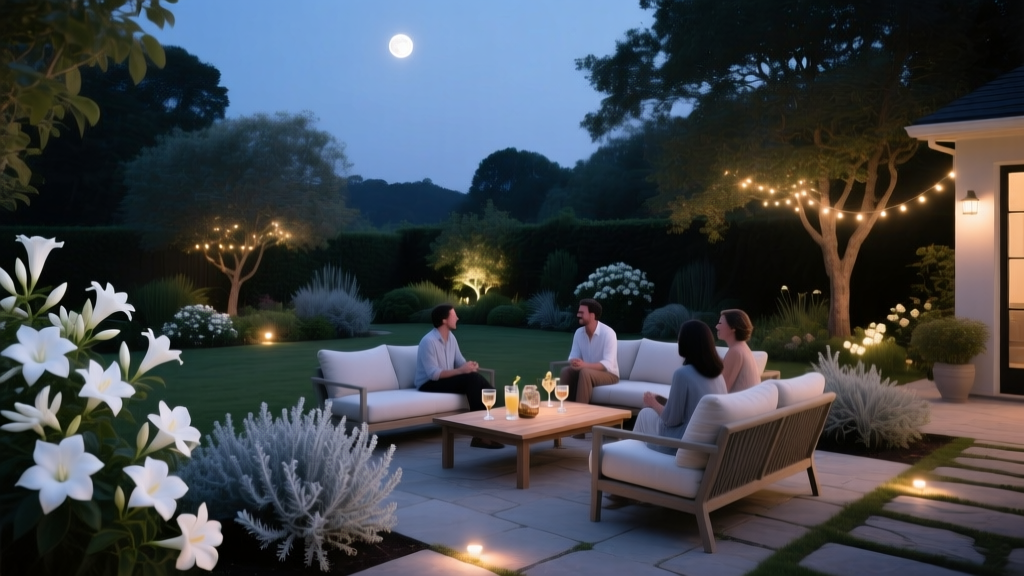
Design a Stunning Moonlight Garden for Entertaining
Emily WatsonPublished
The Magic of the Moonlight Garden
When the sun dips below the horizon, most gardens fade into the shadows, losing their curb appeal and visual impact. However, a meticulously designed moonlight garden thrives after dusk, transforming your outdoor space into a luminous, enchanting venue for evening entertaining. The concept of the moonlight garden—or night garden—was famously popularized in the 1930s by Vita Sackville-West at Sissinghurst Castle in Kent, England. Her iconic White Garden was designed specifically to capture the faintest glimmers of moonlight and twilight, creating a ghostly, romantic atmosphere that remains a gold standard in landscape design today.
For modern homeowners, a moonlight garden serves a dual purpose: it dramatically boosts nighttime curb appeal and creates a sophisticated, sensory-rich backdrop for outdoor dining, cocktail parties, and evening gatherings. By strategically selecting reflective flora, incorporating silver foliage, and utilizing low-impact lighting, you can curate an outdoor living space that feels both expansive and intimate long after the sun has set.
Curating the Palette: White Blooms and Silver Foliage
The foundation of any successful moonlight garden relies on a strict color palette. Bright reds, deep purples, and dark blues absorb light and disappear at night. Instead, you must focus on high-albedo colors that reflect ambient moonlight and landscape lighting.
Reflective White and Pale Blooms
White flowers act as natural reflectors. When planting, group white-blooming plants in odd-numbered clusters of three or five to create visual mass that can be easily seen from a distance. Excellent choices include white hydrangeas (Hydrangea macrophylla), white cosmos (Cosmos bipinnatus), and Shasta daisies (Leucanthemum x superbum). For vertical interest, train white climbing roses or white clematis up a trellis or pergola. This draws the eye upward and catches the moonlight above the seating area.
Silver, Gray, and Variegated Foliage
Foliage is just as critical as flowers, as it provides the structural backbone of the garden when blooms are out of season. Plants with silver, gray, or heavily variegated leaves possess a unique, powdery coating (often a natural wax or tiny hairs) that reflects light beautifully. Incorporate Lamb’s Ear (Stachys byzantina) as a groundcover along pathways, and use Artemisia or Dusty Miller (Jacobaea maritima) as mid-border accents. Variegated hostas with wide white margins, such as 'Patriot' or 'Francee', are perfect for illuminating the shadier, understory layers of your entertaining space.
Engaging the Senses: Fragrance and Night Pollinators
A garden designed for evening entertaining must engage the olfactory senses. Many plants have evolved to release their fragrances at dusk to attract nocturnal pollinators like moths and bats. According to the National Wildlife Federation, supporting these nocturnal pollinators is vital for local ecosystems, and it provides a delightful sensory experience for your guests.
Plant highly fragrant species near your seating and dining areas. Nicotiana (flowering tobacco) releases a sweet, jasmine-like scent as the evening cools. Evening Primrose (Oenothera biennis) and Moonflower (Ipomoea alba) literally open their petals at dusk, providing a real-time botanical spectacle for your guests. For a lush, tropical fragrance, consider planting Angel’s Trumpet (Brugmansia) in large, movable containers so you can position them near the patio during parties and move them to a protected area during winter freezes in colder climate zones.
Hardscaping and Layout for Entertaining
The physical layout of your moonlight garden must accommodate the flow of evening foot traffic and outdoor furniture. To comfortably host a gathering, your hardscape needs precise dimensions. A standard six-person outdoor dining set requires a minimum patio space of 10 feet by 10 feet. Add an additional 2-foot border on all sides for walkways and chair clearance, bringing the ideal entertaining pad to 14 feet by 14 feet.
When selecting hardscape materials, choose light-colored surfaces that reflect ambient light. White marble chips, crushed oyster shells, or pale decomposed granite are excellent choices for pathways. Not only do they bounce moonlight back into the garden, but they also provide an audible crunch underfoot, which adds a layer of security and sensory feedback as guests navigate the space at night. Edge these pathways with low, solar-powered LED bollard lights to define the boundaries without causing glare.
Strategic Lighting: Enhancing the Lunar Glow
While the goal is to celebrate natural moonlight, supplemental landscape lighting is necessary for safety and ambiance. The key is to mimic the soft, directional quality of the moon rather than flooding the yard with artificial daylight. DarkSky International strongly recommends using fully shielded, warm-temperature outdoor fixtures to minimize light pollution and protect nocturnal wildlife.
Opt for LED fixtures with a color temperature between 2200K and 2700K. This warm, amber glow complements white flowers and silver foliage without washing them out. Use low-wattage (1 to 3 watts) uplights at the base of mature trees to cast dramatic, moon-like shadows through the canopy. For the dining area, string commercial-grade, low-lumen Edison bulb bistro lights overhead, keeping them at least 8 feet above the ground to prevent glare in your guests' eyes.
Moonlight Garden Plant Selection Guide
Use the following structured guide to select the right plants for your nighttime oasis. Ensure you check your specific USDA Hardiness Zone before purchasing.
| Plant Name | Type | Bloom/Foliage Feature | Height | Best Placement |
|---|---|---|---|---|
| Moonflower (Ipomoea alba) | Annual Vine | Large white blooms open at dusk | 10-15 ft | Trellises, pergolas |
| Lamb's Ear (Stachys byzantina) | Perennial | Fuzzy, highly reflective silver leaves | 12-18 in | Pathway borders, edging |
| White Hydrangea (H. macrophylla) | Deciduous Shrub | Massive white flower heads | 4-6 ft | Background, focal points |
| Nicotiana (Flowering Tobacco) | Tender Perennial | White tubular flowers, intense night scent | 3-5 ft | Near seating/dining areas |
| Dusty Miller (Jacobaea maritima) | Annual/Perennial | Lacy, bright silver-gray foliage | 1-2 ft | Container accents, borders |
| Shasta Daisy (Leucanthemum) | Perennial | Classic white petals, yellow centers | 2-3 ft | Mid-border mass plantings |
Budgeting, Soil Preparation, and Installation
Creating a 200-square-foot moonlight garden bed adjacent to a patio requires proper soil preparation and a realistic budget. Begin by testing your soil pH; most white-blooming plants and silver-foliage species prefer a slightly acidic to neutral pH between 6.0 and 7.0. Amend the native soil with 2 to 3 inches of high-quality organic compost to improve drainage and nutrient retention. Poor drainage is the enemy of silver-foliaged plants like Lamb's Ear, which will succumb to root rot in heavy, waterlogged clay.
Estimated Cost Breakdown (200 sq. ft. garden bed):
- Soil Amendments & Compost: $80 - $120 (approx. 2 cubic yards)
- Plants (Mix of shrubs, perennials, and vines): $300 - $600
- Hardscape Pathway Materials (Decomposed granite/edging): $150 - $250
- Low-Voltage Dark-Sky Lighting Kit: $200 - $400
- Total Estimated Budget: $730 - $1,370
Timing is crucial for installation. Plant your perennials and shrubs in early spring or early fall to allow root systems to establish before the stress of summer heat or winter freezes. Sow annual seeds like Moonflower directly into the soil after the last frost date when soil temperatures reach at least 65°F.
Maintenance and Pet Safety Considerations
Maintaining a moonlight garden requires specific evening-friendly upkeep. Deadhead spent blooms regularly; brown, withered petals will absorb light and create dark, unappealing spots in your nighttime display. Water your plants at the base using drip irrigation or soaker hoses. Overhead watering can leave hard water spots on silver foliage, dulling its reflective properties, and promotes powdery mildew on white rose petals.
Finally, if your evening entertaining includes four-legged guests, you must carefully curate your plant list. While Angel’s Trumpet and Lily of the Valley offer stunning white blooms and incredible fragrance, they are highly toxic to dogs and cats if ingested. Always cross-reference your plant choices with the ASPCA's Toxic and Non-Toxic Plants list to ensure your beautiful nighttime oasis remains a safe environment for all your guests, both human and canine.
