Pest Control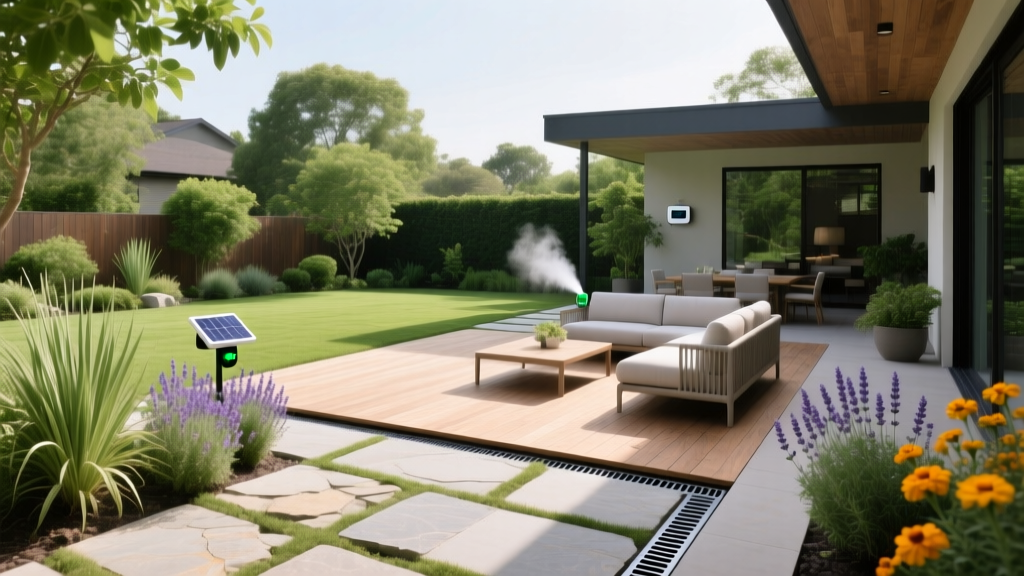
Mosquito Control Landscaping for a Bite-Free Patio Oasis
Mike RodriguezPublished
Designing the Ultimate Bite-Free Backyard Oasis
There is nothing quite like hosting a twilight dinner party or a weekend barbecue on a beautifully landscaped patio. However, the same lush, shaded, and verdant environments that create stunning curb appeal can also serve as prime real estate for mosquitoes, gnats, and biting flies. When your guests are forced to retreat indoors due to swarms of pests, your outdoor entertaining space loses its primary function. As a homeowner, balancing high-end landscape aesthetics with rigorous pest control is essential for creating a true outdoor oasis.
Integrated Pest Management (IPM) in the context of outdoor entertaining goes far beyond simply spraying chemical repellents before guests arrive. It requires a strategic approach to landscape design, water management, and targeted, localized treatments. By understanding the biology of common patio pests and modifying your environment to make it inhospitable to them, you can maintain pristine curb appeal while ensuring your patio remains a comfortable, bite-free zone all summer long.
The Curb Appeal Conundrum: Beauty vs. Breeding Grounds
Many of the most sought-after landscaping features are also the most notorious pest hazards. Dense shade from weeping trees, moisture-retaining ground covers like ivy, and decorative water features all contribute to a microclimate that mosquitoes adore. According to the Centers for Disease Control and Prevention (CDC), mosquitoes require only a half-inch of standing water to lay their eggs, and they thrive in humid, stagnant air where wind cannot disrupt their flight patterns.
When designing or maintaining an entertainment zone, you must view your yard through the eyes of a pest. French drains that terminate in low-lying depressions, birdbaths with stagnant water, and thick shrubbery planted too close to patio seating all create localized breeding grounds. The goal of mosquito control landscaping is to eliminate these micro-habitats without sacrificing the visual beauty of your property.
Strategic Pruning and the 'Three-Foot Rule'
Mosquitoes are notoriously weak fliers. They rely on still, humid air to navigate and hunt. Dense vegetation traps moisture and blocks the natural breezes that would otherwise keep pests at bay. To combat this, implement the 'Three-Foot Rule' around all hardscaping and entertainment areas.
- Clear the Perimeter: Prune all shrubs, ornamental grasses, and ground covers so that there is a minimum three-foot buffer between the foliage and your patio, deck, or outdoor kitchen.
- Elevate the Canopy: Trim the lower branches of trees and large shrubs to at least six feet off the ground. This allows air to circulate freely beneath the canopy, reducing the humidity that mosquitoes need to survive.
- Thin Out Dense Foliage: Selectively prune the interior branches of thick hedges (such as boxwoods or privets) to allow sunlight and wind to penetrate the center of the plant, drying out the soil beneath.
By opening up the landscape, you not only improve the visual lines of sight—enhancing your curb appeal—but you also create an aerodynamic environment that is naturally hostile to weak-flying insects.
The Truth About 'Mosquito Repellent' Plants
A common myth in outdoor landscaping is that planting citronella geraniums, lavender, marigolds, or lemongrass around a patio will create an invisible, bug-repelling forcefield. While these plants do contain essential oils that are unpleasant to insects, simply having them in the ground does virtually nothing to reduce mosquito populations in your entertainment area.
As noted by experts at Penn State Extension, the repellent oils in these plants are locked within the leaves. To release the scent and activate the repellent properties, the leaves must be crushed, bruised, or burned. Relying solely on potted citronella plants placed on your dining table will yield disappointing results. Instead, use these plants for their aesthetic value and pleasant aromas, but rely on physical and chemical IPM strategies for actual pest control.
Managing Water Features Without Sacrificing Aesthetics
Water features like koi ponds, bubbling fountains, and stone birdbaths are focal points of high-end landscape design. Unfortunately, they are also potential mosquito nurseries. The key to managing these features is to disrupt the breeding cycle without harming local wildlife or altering the visual appeal of the water.
Biological Control with Bti
The gold standard for organic mosquito control in water features is Bacillus thuringiensis israelensis (Bti). Sold commonly under brand names like Mosquito Dunks or Mosquito Bits, Bti is a naturally occurring soil bacterium that produces proteins toxic only to mosquito, black fly, and fungus gnat larvae. It is completely harmless to humans, pets, birds, fish, and beneficial pollinators. The American Mosquito Control Association highly recommends Bti for residential water features. Simply place a Bti dunk in your birdbath or pond; it will slowly release the bacteria over 30 days, killing larvae before they can mature into biting adults.
Aeration and Movement
Mosquitoes cannot lay eggs in moving water. If you have a pond or a large water feature, install a submersible pump, an aerator, or a fountain head. The surface agitation not only creates a beautiful visual and auditory element for your guests but also physically prevents mosquitoes from depositing eggs on the water's surface.
Entertainment Zone Treatments: Organic and Chemical Options
Even with perfect landscaping, neighboring properties or nearby woodlands can send adult mosquitoes into your yard. When you are actively entertaining, you need localized, on-demand treatments that do not involve coating your guests or your food in chemical sprays.
The Secret Weapon: High-Velocity Outdoor Fans
One of the most effective, chemical-free ways to protect a patio dining area is the strategic use of outdoor fans. Because mosquitoes are incredibly weak fliers, a wind speed of just 2 to 3 miles per hour is enough to ground them. Mount oscillating wall fans or use heavy-duty pedestal fans aimed directly at the seating and dining areas. As a bonus, fans help disperse the carbon dioxide and lactic acid that human bodies emit, which are the primary scent trails mosquitoes use to locate their prey.
Spatial Repellents
For smaller, intimate seating areas, spatial repellents that utilize heat to vaporize allethrin (a synthetic pyrethroid) are highly effective. Devices like the Thermacell Patio Shield create a 15-foot dome of protection without the smoke, scent, or mess of traditional citronella candles. These are ideal for placing on dining tables or conversation pit coffee tables.
Perimeter Barrier Sprays
If you require a broader defense, consider a perimeter barrier spray applied to the dense foliage at the edges of your property, well away from the immediate patio and outdoor kitchen. Active ingredients like bifenthrin or lambda-cyhalothrin can be applied by a licensed professional every 21 to 28 days during peak summer. These treatments bind to the leaves and kill adult mosquitoes that rest in the shade during the heat of the day. Never spray these chemicals directly on blooming flowers, near water features, or on surfaces where food is prepared.
The IPM Principle for Entertaining: Pest management in outdoor living spaces should always prioritize habitat modification and physical barriers first, reserving targeted chemical treatments for the perimeter and severe infestations. Protect the party, but protect the pollinators.
Protecting the Outdoor Kitchen from Gnats and Flies
Mosquitoes aren't the only party crashers. Outdoor kitchens, bars, and dining areas are highly susceptible to fruit flies, house flies, and gnats, especially when sweet drinks, wine, and food scraps are present. To maintain a pristine entertaining environment, implement the following sanitation and trapping protocols:
- Seal the Compost and Trash: Ensure all outdoor trash receptacles have tight-fitting, pest-proof lids. Rinse out recycling bins regularly, as the residue from beer cans and soda bottles is a massive attractant for yellow jackets and flies.
- Manage Grill Grease: Grease traps on outdoor grills are a haven for pests. Clean them thoroughly after every use and dispose of the grease in a sealed indoor trash can, not in the yard or an open outdoor bin.
- Apple Cider Vinegar Traps: For fruit flies hovering around the outdoor bar, place small, discreet bowls filled with apple cider vinegar and a drop of dish soap near the serving area. The vinegar attracts the flies, and the soap breaks the surface tension, causing them to sink and drown.
- Eliminate Fungus Gnats in Potted Plants: If you use lush potted tropicals to frame your patio, overwatering can lead to fungus gnat infestations. Allow the top two inches of potting soil to dry out completely between waterings, or apply a Bti soil drench to the pots to eliminate the larvae.
Seasonal Maintenance Calendar for Entertainers
Consistent maintenance is the backbone of any successful pest control strategy. Use the following calendar to ensure your outdoor entertaining space remains pristine and pest-free throughout the peak seasons.
| Time of Year | Primary Task | Focus Area | Recommended Product / Tool |
|---|---|---|---|
| Early Spring | Yard Cleanup & Grading | Eliminate winter debris; fill low spots in the lawn where puddles form. | Topsoil, grading rake, leaf blower. |
| Late Spring | Canopy Pruning & Bti Prep | Trim shrubs away from patio; apply first round of Bti to ponds and birdbaths. | Bypass pruners, Mosquito Dunks. |
| Peak Summer | Perimeter Defense & Airflow | Professional barrier sprays on property edges; deploy fans for parties. | Bifenthrin spray, oscillating fans. |
| Early Autumn | Leaf Management & Drainage | Clear gutters and French drains of falling leaves to prevent stagnant pools. | Gutter scoop, wet/dry vacuum. |
| Late Autumn | Winterization | Drain and store birdbaths, fountains, and hoses to prevent spring breeding. | Submersible pump drain, tarps. |
Conclusion: Hosting with Confidence
Achieving flawless outdoor entertaining and exceptional curb appeal does not require you to choose between a beautiful landscape and a comfortable environment. By viewing your yard as an integrated ecosystem, you can make subtle design choices—like elevating plant canopies, utilizing Bti in water features, and harnessing the power of strategic airflow—that naturally deter pests. When you combine these smart landscaping techniques with targeted, localized treatments, you create a backyard oasis that is as welcoming to your guests as it is hostile to mosquitoes and flies. Plan ahead, maintain your drainage, and enjoy your patio in peace.