Pest Control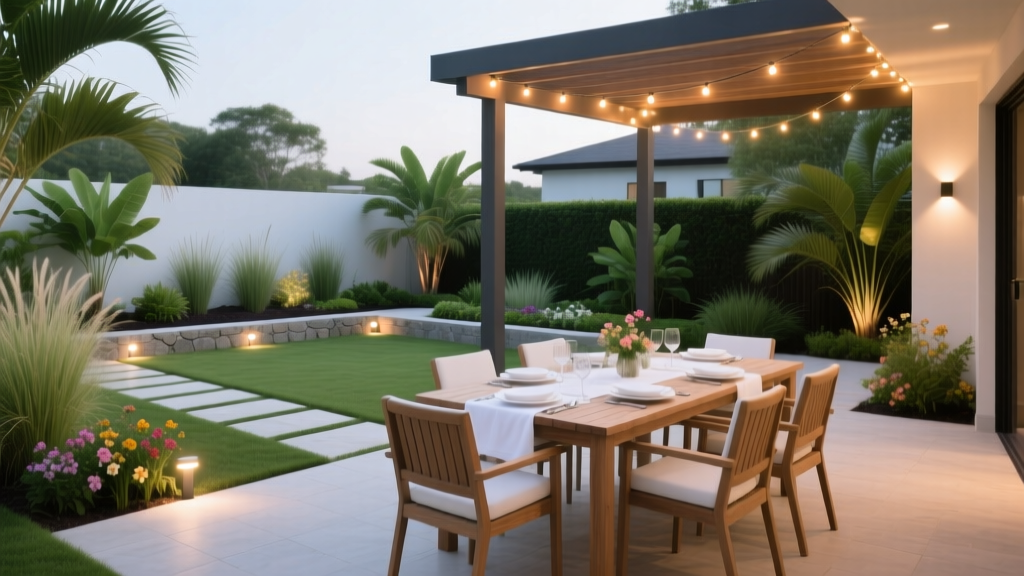
Design a Mosquito-Free Patio for Outdoor Entertaining
Mike RodriguezPublished
The Intersection of Curb Appeal and Pest-Free Entertaining
When you invest in high-end outdoor living spaces, from custom pergolas and outdoor kitchens to lush, manicured garden borders, the last thing you want is for your guests to be driven indoors by a swarm of mosquitoes or the threat of tick-borne illnesses. Traditional pest control methods often clash with sophisticated landscape design. Bulky bug zappers, sticky traps, and the oily residue left behind by broad-spectrum chemical foggers can severely detract from your curb appeal and ruin the aesthetic of your patio furniture and dining surfaces.
To maintain a pristine outdoor entertainment area, homeowners must adopt an Integrated Pest Management (IPM) approach that works in harmony with their landscape architecture. By combining strategic hardscaping, targeted botanical placements, and invisible environmental barriers, you can create a luxurious, pest-free oasis that remains the envy of the neighborhood without relying on unsightly or toxic interventions.
Understanding the Patio Invaders: Mosquitoes and Ticks
Before implementing design changes, it is crucial to understand the behavior of the two most notorious outdoor party crashers: mosquitoes and ticks. Mosquitoes are notoriously weak fliers and require stagnant water to breed. They are most active during dawn and dusk, precisely when many outdoor dinner parties and fire pit gatherings take place. Ticks, on the other hand, do not fly or drop from trees; they quest from the tips of tall grasses and shrubs, waiting to latch onto passing hosts. According to the Centers for Disease Control and Prevention (CDC), ticks thrive in moist, shaded, and leaf-littered environments, meaning the transition zones between your manicured lawn and wooded or overgrown garden beds are prime real estate for these pests.
Landscaping Strategies to Deter Pests Naturally
Strategic planting is one of the most elegant ways to merge pest control with curb appeal. While no plant will act as a magical force field against insects, certain botanical species emit volatile oils that mask human scents and deter foraging pests. When incorporated into patio containers, raised beds, and border edges, these plants serve a dual purpose: elevating your landscape design while providing a localized, natural deterrent.
The University of Kentucky Entomology Department notes that while simply growing these plants may not eliminate mosquito populations, bruising their leaves or planting them densely in high-traffic entertainment zones can significantly reduce localized pest annoyance.
| Plant Species | Curb Appeal Benefit | Pest Deterrent Property | Design Placement |
|---|---|---|---|
| Lavender (Lavandula) | Silvery foliage, elegant purple spikes, Mediterranean aesthetic | Strong floral scent masks human odors and deters mosquitoes | Large terracotta pots flanking dining areas, border edges |
| Alliums (Ornamental Onions) | Modern, architectural globe blooms, striking vertical interest | Sulfur compounds naturally repel a wide variety of flying insects | Mixed perennial borders, lining stone walkways |
| Rosemary (Salvia rosmarinus) | Evergreen structure, drought-tolerant, culinary utility | Woody, pine-like scent deters mosquitoes and ticks | Low hedges, grill-side planters, outdoor kitchen accents |
| Marigolds (Tagetes) | Vibrant pops of gold and orange, continuous summer color | Contains pyrethrum, a compound used in many insect repellents | Patio container accents, edging for deck stairs |
Hardscaping and Water Management for Pest Control
Water features like reflecting pools, koi ponds, and custom fountains add immense value and tranquility to an outdoor entertaining space. However, they also pose a severe risk for mosquito breeding if not properly managed. The key to maintaining curb appeal while eliminating breeding grounds is the strategic use of Bacillus thuringiensis israelensis (BTI). BTI is a naturally occurring bacterium that is lethal to mosquito and black fly larvae but completely safe for humans, pets, fish, and beneficial pollinators. Available in aesthetically discreet 'dunks' or granules, BTI can be added to decorative water features, ensuring the water remains crystal clear and safe for wildlife without harboring pests.
Furthermore, your hardscaping choices play a vital role in drainage and pest prevention. Permeable pavers and French drains disguised beneath decorative river rock ensure that heavy rains do not leave lingering puddles on your patio or in low-lying lawn areas. By engineering your outdoor space to dry rapidly, you remove the primary requirement for mosquito reproduction.
Creating a Tick-Safe Entertainment Zone
If your property borders a wooded area or features dense naturalized gardens, protecting your guests from ticks is paramount. The CDC recommends creating a physical barrier between wooded areas and your high-traffic entertainment zones. A 3-foot-wide border of dry wood chips or finely crushed gravel creates a desiccating environment that ticks cannot cross. From a design perspective, this barrier can be integrated as a deliberate, clean-lined transition zone between a wild meadow garden and a manicured entertainment lawn, enhancing the structured look of your property while providing a vital biological shield.
Additionally, keep patio furniture and children's play areas strictly in the sunniest parts of your yard. Ticks require high humidity to survive and will quickly desiccate in direct, unfiltered sunlight. Pruning back overhanging tree branches to allow dappled or direct sunlight onto your deck and stone patios not only makes the space more inviting for guests but also renders the microclimate inhospitable to questing ticks.
Lighting and Airflow: Invisible Pest Barriers
Outdoor lighting sets the mood for evening entertaining, but the wrong bulbs can turn your patio into a beacon for insects. Traditional cool-white or UV-emitting bulbs attract massive swarms of moths, beetles, and mosquitoes. To preserve the ambiance and keep pests at bay, transition your outdoor fixtures to warm LED bulbs with a color temperature of 2700K or lower. These warm, amber tones mimic the soft glow of candlelight and firelight, which are significantly less attractive to nocturnal insects.
Airflow is another invisible, highly effective barrier. Mosquitoes are incredibly weak fliers and struggle to navigate wind speeds greater than 2 miles per hour. Installing flush-mount, outdoor-rated ceiling fans beneath pergolas, pavilions, and covered porches serves a dual purpose: it keeps your guests cool during humid summer evenings and creates a localized wind tunnel that makes it physically impossible for mosquitoes to land. This allows you to avoid applying topical chemical repellents, ensuring your outdoor dining tables and luxury cushions remain free of oily DEET residues.
Targeted, Aesthetic-Friendly Treatments
When environmental controls are not enough, targeted treatments can be used without sacrificing your landscape's aesthetic. The Environmental Protection Agency (EPA) highlights the efficacy of spatial repellents and targeted botanical oils for localized outdoor areas. Instead of spraying broad-spectrum insecticides that kill beneficial pollinators and leave a toxic film on your outdoor kitchen counters, utilize discreet, butane-powered spatial repellent devices. These devices emit a scentless, invisible barrier of active ingredients like metofluthrin or allethrin, effectively clearing a 15-to-20-foot radius of biting insects. Many modern spatial repellents are designed with sleek, minimalist housings that blend seamlessly into patio decor or can be hidden beneath outdoor sofas and dining tables.
For a more natural approach, high-quality candles formulated with pure essential oils—such as lemon eucalyptus, citronella, and geraniol—can be placed in heavy, decorative ceramic or cast-iron vessels. When placed strategically around the perimeter of your seating area and upwind of your guests, they provide a localized deterrent that enhances the sensory experience of your outdoor party.
The Pre-Party Pest Prep Checklist
To ensure your outdoor entertaining space is perfectly prepared for guests, implement this 48-hour pest prep checklist:
- 48 Hours Prior: Walk the perimeter of your property and dump any standing water from saucers, birdbaths, and tarps. Refresh BTI treatments in permanent water features.
- 24 Hours Prior: Mow the lawn and trim any grass or weeds encroaching on the patio edges to eliminate tick and mosquito resting habitats.
- 12 Hours Prior: Activate discreet spatial repellent devices in covered seating areas and ensure outdoor ceiling fans are clean and functioning on a medium-high setting.
- 1 Hour Prior: Light essential oil candles and strategically place potted pest-repellent plants near dining chairs and entryways.
By viewing pest control through the lens of landscape design and outdoor hospitality, you can protect your guests and your curb appeal simultaneously. A well-designed patio relies on smart environmental manipulation—sunlight, wind, drainage, and botanical companionship—to create a luxurious, bite-free sanctuary for every occasion.