Pest Control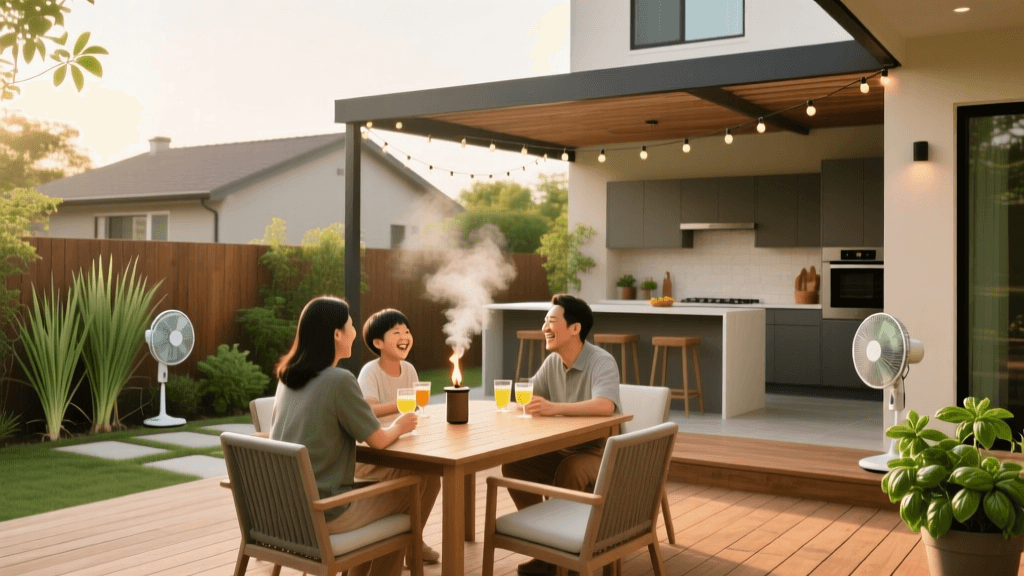
Mosquito-Free Patios: Pest Control for Outdoor Entertaining
Why Mosquitoes Ruin Outdoor Entertaining and Curb Appeal
There is nothing more frustrating than investing thousands of dollars into a beautiful patio, an outdoor kitchen, and lush landscaping, only to have your summer dinner parties ruined by swarms of mosquitoes. When it comes to outdoor entertaining, your backyard oasis should be a sanctuary, not a breeding ground for biting insects. However, many homeowners inadvertently design their landscapes in ways that prioritize visual curb appeal over practical pest management. Overgrown shrubbery, decorative water features, and shaded retaining walls can create the perfect microclimate for mosquitoes to thrive.
True curb appeal extends beyond what your property looks like from the street; it encompasses the functionality, comfort, and invitation of your outdoor living spaces. A pristine lawn and a well-appointed patio lose their value if your guests are constantly swatting away pests and retreating indoors. To reclaim your outdoor entertaining areas, you must implement an Integrated Pest Management (IPM) approach that balances aesthetic landscaping with aggressive, targeted mosquito control.
In this comprehensive guide, we will explore how to optimize your landscape for both curb appeal and pest deterrence, utilizing specific treatments, strategic planting, and actionable timelines to ensure your next outdoor gathering is completely bite-free.
Step 1: Source Reduction and Landscape Management
The cornerstone of any effective mosquito control program is source reduction. Mosquitoes require standing water to complete their life cycle, and it takes only a bottle cap full of water for a female to lay hundreds of eggs. The Environmental Protection Agency (EPA) emphasizes that eliminating breeding sites is the most environmentally sound and effective first step in mosquito management.
For homeowners focused on curb appeal, this means carefully auditing your landscape design. Decorative elements like birdbaths, rain chains, and corrugated downspout extensions are notorious water traps. While a beautifully tiered fountain adds elegance to a patio, the stagnant water in its lower basins can produce thousands of mosquitoes weekly.
Actionable Source Reduction Tactics:
- The "Tip and Toss" Routine: Walk your property twice a week to empty saucers beneath potted patio plants, flip over unused wheelbarrows, and clear clogged roof gutters that overhang your entertaining areas.
- Improve Soil Grading and Drainage: Low spots in your lawn near the patio often hold water for days after a rainstorm. Regrade these areas or install a French drain to direct water away from your outdoor living zones. Aerating compacted soil also improves absorption and eliminates surface puddling.
- Maintain Water Features: If you have a koi pond or a decorative water wall near your outdoor kitchen, ensure the water is continuously circulating. Mosquitoes cannot lay eggs in moving, turbulent water.
Step 2: Strategic Planting for Curb Appeal and Deterrence
Landscaping choices heavily influence pest pressure around your patio. Mosquitoes are notoriously weak fliers and seek out dense, humid, and windless areas to rest during the heat of the day. Overgrown foundation shrubs and thick ivy climbing up pergolas may look romantic, but they act as luxury hotels for resting mosquitoes.
Pruning for Airflow
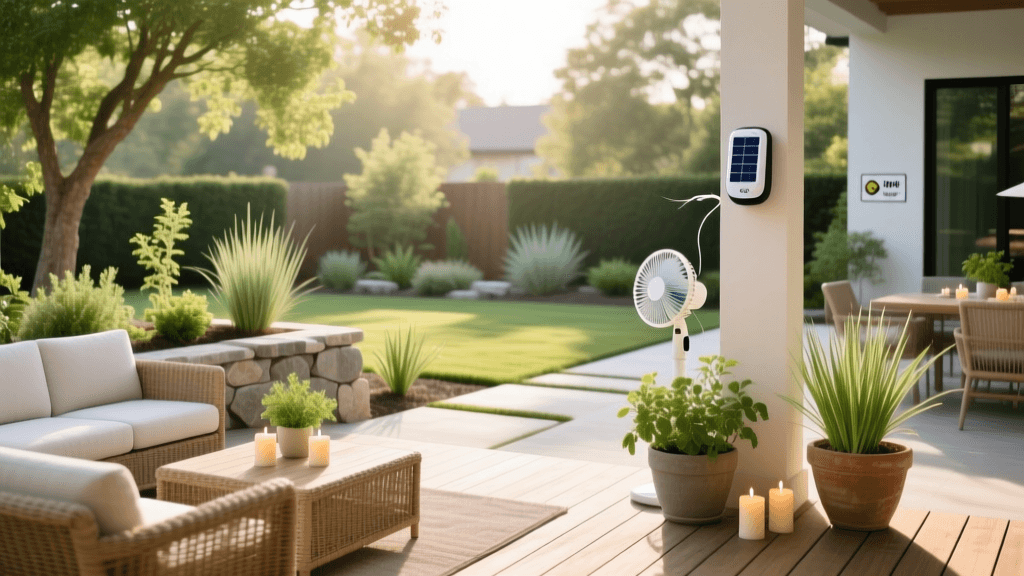
To maintain curb appeal while deterring pests, practice selective pruning. Thin out the interior canopy of shrubs bordering your patio to allow sunlight and breezes to penetrate. Installing subtle, low-voltage outdoor ceiling fans on your pergola or covered patio not only keeps guests cool but also creates a wind barrier that mosquitoes cannot navigate.
The Truth About Mosquito-Repellent Plants
Many gardening blogs suggest planting citronella, lavender, marigolds, and rosemary around the patio to naturally repel mosquitoes. According to entomologists at the University of Minnesota Extension, while these plants do contain essential oils that mosquitoes dislike, simply having them in your garden will not create a pest-free zone. The oils must be crushed or burned to be released into the air in high enough concentrations to work. However, incorporating these aromatic plants into your patio containers and outdoor kitchen herb gardens still provides excellent curb appeal, pleasant fragrances for your guests, and a mild, localized deterrent effect when brushed against.
Step 3: Targeted Treatments for the Entertainment Zone
When source reduction and landscaping aren't enough, targeted chemical and biological controls are necessary to protect your guests. The key is to treat the perimeter and resting areas without harming the aesthetic of your outdoor space or endangering beneficial pollinators.
Biological Control: Bti for Water Features
For water features that cannot be drained or kept in constant motion, use Bacillus thuringiensis israelensis (Bti), commonly sold as Mosquito Dunks or Bits. Bti is a naturally occurring soil bacterium that specifically targets mosquito and black fly larvae, leaving fish, birds, pets, and humans completely unharmed. Drop one dunk per 100 square feet of water surface area in your decorative ponds or rain barrels. They last for 30 days and are entirely unobtrusive to your landscape design.
Barrier Sprays for Perimeter Shrubs
For heavy mosquito pressure, a synthetic pyrethroid barrier spray (such as Bifenthrin or Permethrin) applied to the foliage of shrubs, tall grasses, and the underside of deck leaves can drastically reduce adult mosquito populations. Apply the spray using a pump sprayer to the perimeter of your yard and the dense vegetation immediately surrounding your patio. Timing is critical: apply barrier sprays in the early morning or late evening when pollinators are not active, and never spray blooming flowers.
Pro Tip: For a major outdoor event, schedule a professional barrier spray treatment or apply a DIY Bifenthrin concentrate 48 hours before the party. This allows the chemical to dry completely and bind to the leaf cuticles, ensuring it won't wash away if a light summer shower occurs.
Spatial Repellents for the Patio Table
For immediate, localized protection right where your guests are sitting and eating, spatial repellents are the gold standard. Devices that heat a mat or cartridge containing Allethrin (a synthetic derivative of chrysanthemum extract) create an invisible, odorless 15-foot zone of protection. These devices are highly effective for outdoor dining tables and do not require spraying chemicals directly onto your guests or your high-end patio furniture.
Comparison Chart: Mosquito Control Methods for Patios
Choosing the right combination of treatments depends on your specific landscape, budget, and entertaining style. Below is a comparison of the most effective methods.
| Control Method | Active Ingredient / Mechanism | Best Application Area | Estimated Cost | Impact on Curb Appeal |
|---|---|---|---|---|
| Mosquito Dunks (Bti) | Bti (Biological Bacteria) | Birdbaths, ponds, rain barrels | $10 - $15 / pack | Invisible; protects water features without chemicals |
| Barrier Sprays | Bifenthrin / Permethrin | Perimeter shrubs, dense foliage, under-deck | $25 - $40 / concentrate | Requires careful application to avoid damaging delicate blooms |
| Spatial Repellents | Allethrin (Heat-activated) | Patio tables, outdoor kitchens, seating areas | $25 device + $20 refills | Compact, unobtrusive devices; no residue on furniture |
| Essential Oil Sprays | Oil of Lemon Eucalyptus / Peppermint | Immediate patio perimeter (short-term) | $15 - $25 / bottle | Smells pleasant to guests but requires frequent reapplication |
| Outdoor Fans | Airflow / Mechanical | Covered patios, pergolas, gazebos | $50 - $200+ (hardware) | Enhances luxury feel and comfort; excellent deterrent |
Hosting a Party? The 48-Hour Pest Control Checklist
To ensure your outdoor entertaining space is flawless and pest-free when guests arrive, follow this strict timeline leading up to your event:
- 1 Week Prior: Walk the property and execute the "Tip and Toss" method. Clean out gutters, empty plant saucers, and drop fresh Bti dunks into any standing water features. Prune back any overgrown branches that hang directly over the patio seating area.
- 48 Hours Prior: Apply a Bifenthrin barrier spray to the perimeter shrubs, woodlines, and shady resting areas surrounding the entertainment zone. Ensure the weather forecast is clear of heavy rain for at least 24 hours post-application to allow the product to bind to the foliage.
- 24 Hours Prior: Mow the lawn and trim the edges around the patio and hardscaping. Short grass reduces humidity at the soil level and eliminates resting spots for adult mosquitoes. Turn on decorative water features to ensure pumps are working and water is circulating.
- 1 Hour Prior: Light citronella candles or torches along the perimeter walkways for ambiance and mild deterrence. Activate your Allethrin-based spatial repellents and place them discreetly under the dining table or near the outdoor kitchen prep area. Turn on pergola fans to a medium setting.
Conclusion: Enjoying Your Outdoor Oasis
Achieving a mosquito-free patio does not require sacrificing your landscape's curb appeal. By integrating smart design choices, such as improving drainage and pruning for airflow, with targeted IPM strategies like Bti and spatial repellents, you can create an outdoor entertaining space that is as functional as it is beautiful. The EPA's guidelines on insect repellents and outdoor treatments remind us that using the right product, in the right place, at the right time is the key to minimizing environmental impact while maximizing human comfort.
Your outdoor kitchen, fire pit, and manicured lawn are investments in your home's value and your family's lifestyle. Don't let biting insects dictate how you use your property. Take control of your landscape's microclimate, implement these proactive pest management strategies, and get ready to host the perfect, bite-free summer soirée.